Trump faces backlash as only one in four Americans back US strikes on Iran, poll shows
Poll shows low public support for Trump’s Iran strikes, with many Americans saying he’s too quick to use force and uneasy about troop risks
PUBLISHED 1 HOUR AGO
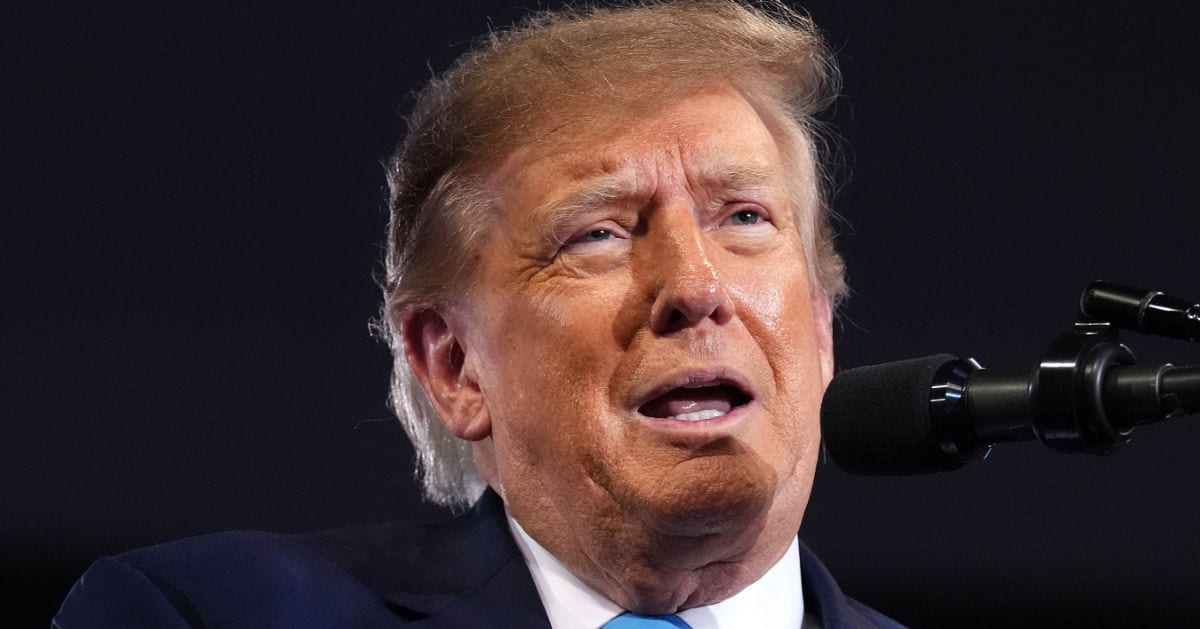
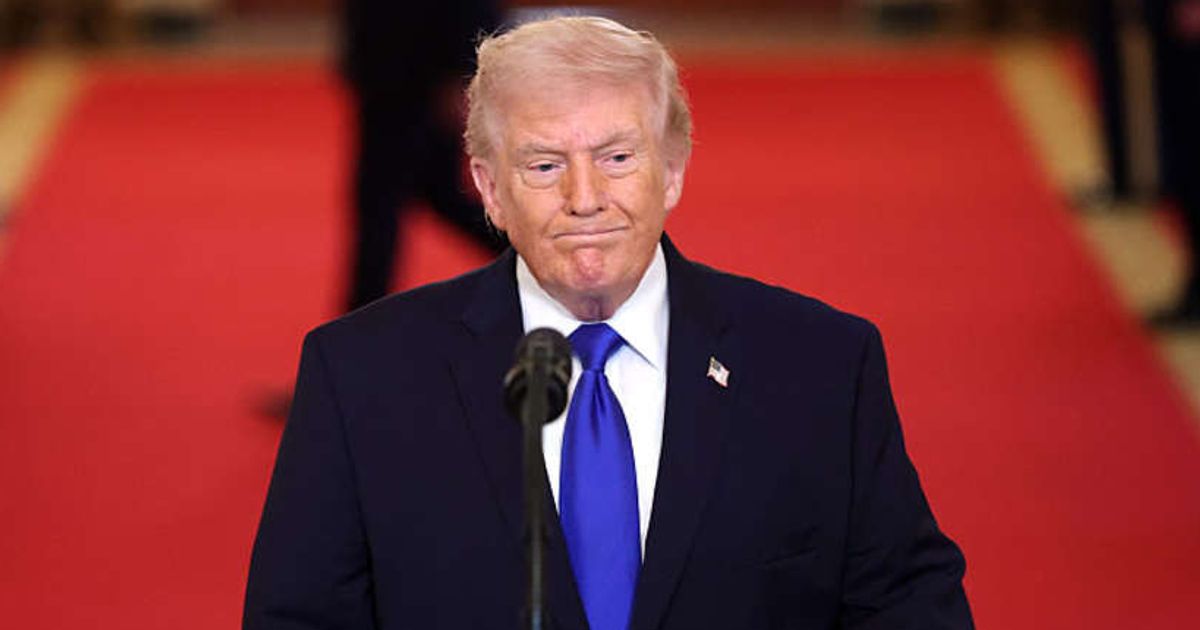
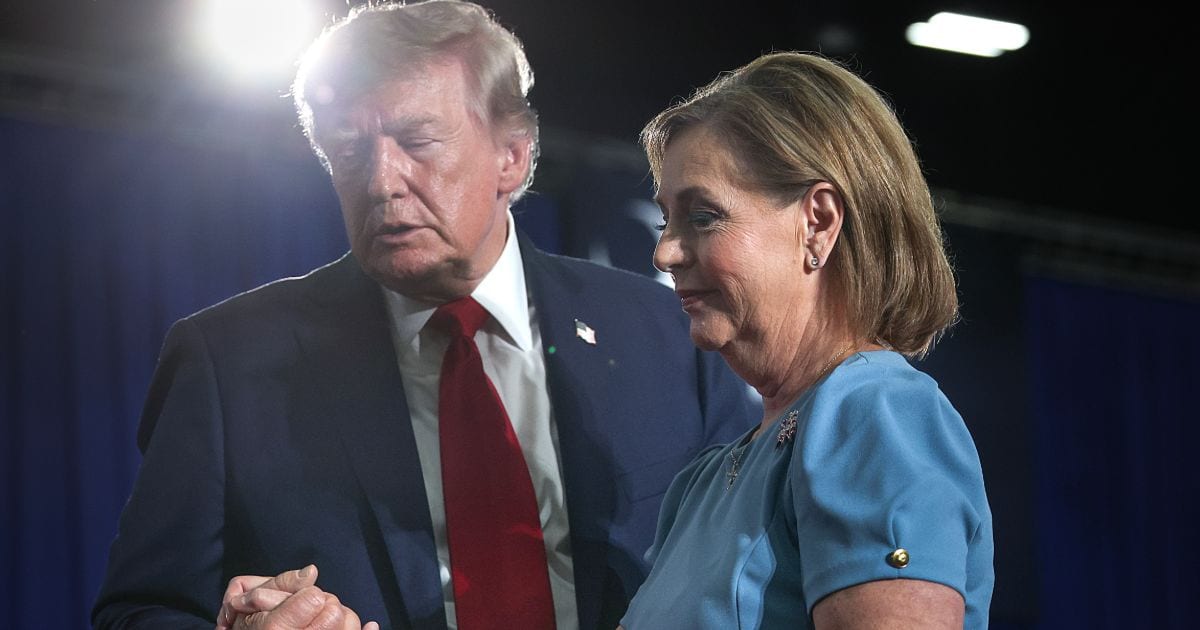
Trump addressed the nation amid growing public debate over US military action in Iran (Getty Images)

WASHINGTON, DC: A new poll released on March 1, 2026, in the wake of the US and Israeli military strikes on Iran, shows that a majority of Americans disapprove of recent US military action against Iran, and only a small minority supports the attacks.

The polling data highlights deep divisions among the public and across party lines about President Donald Trump’s decision to launch the strikes in coordination with Israel. The conflict has also resulted in American casualties and growing debate in the US about foreign policy and military engagement. 
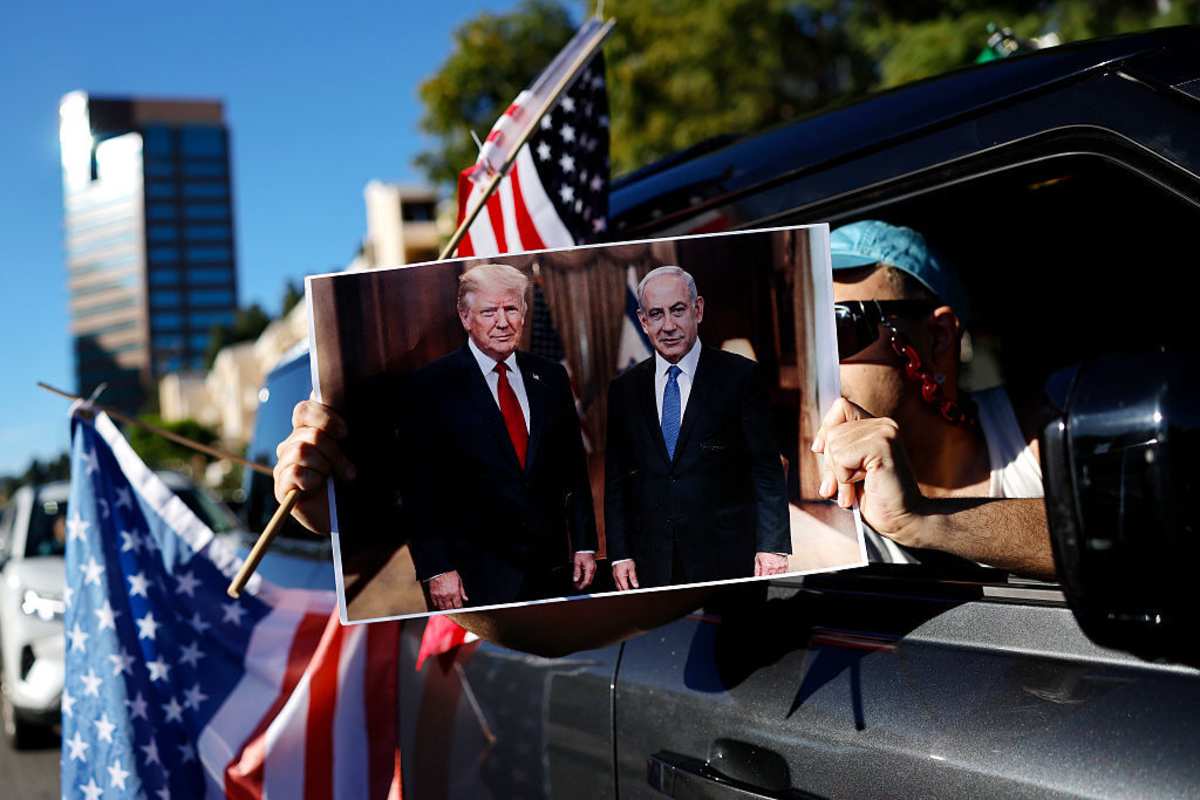
A man waves a picture of U.S. President Donald Trump and Israeli Prime Minister Benjamin Netanyahu as members of the Iranian community and supporters celebrate on February 28, 2026 in Los Angeles, California. President Donald Trump announced that the United States and Israel had launched an attack on Iran Saturday morning. (Photo by Mario Tama/Getty Images)A man waved a picture of Trump and Netanyahu as the Iranian community celebrated in Los Angeles on Feb. 28, 2026 (Mario Tama/Getty Images)

Public opinion on US strikes on Iran

According to the poll concluded on March 1, only 27% of Americans approve of US military strikes on Iran that began with joint US and Israeli action. In contrast, 43% of respondents disapprove of the strikes, and 29% are unsure how they feel.

The poll reflects public reaction taken during the early stages of the conflict, before the US announced American military casualties. The poll, which surveyed 1,282 US adults, also reveals stark partisan divides.

Nearly 87% of Democrats believe Trump is too willing to use military force, compared with only 23% of Republicans and 60% of independents who feel the same. The polling also suggests that a majority of Americans see Trump’s willingness to deploy force as weakening America’s standing globally.
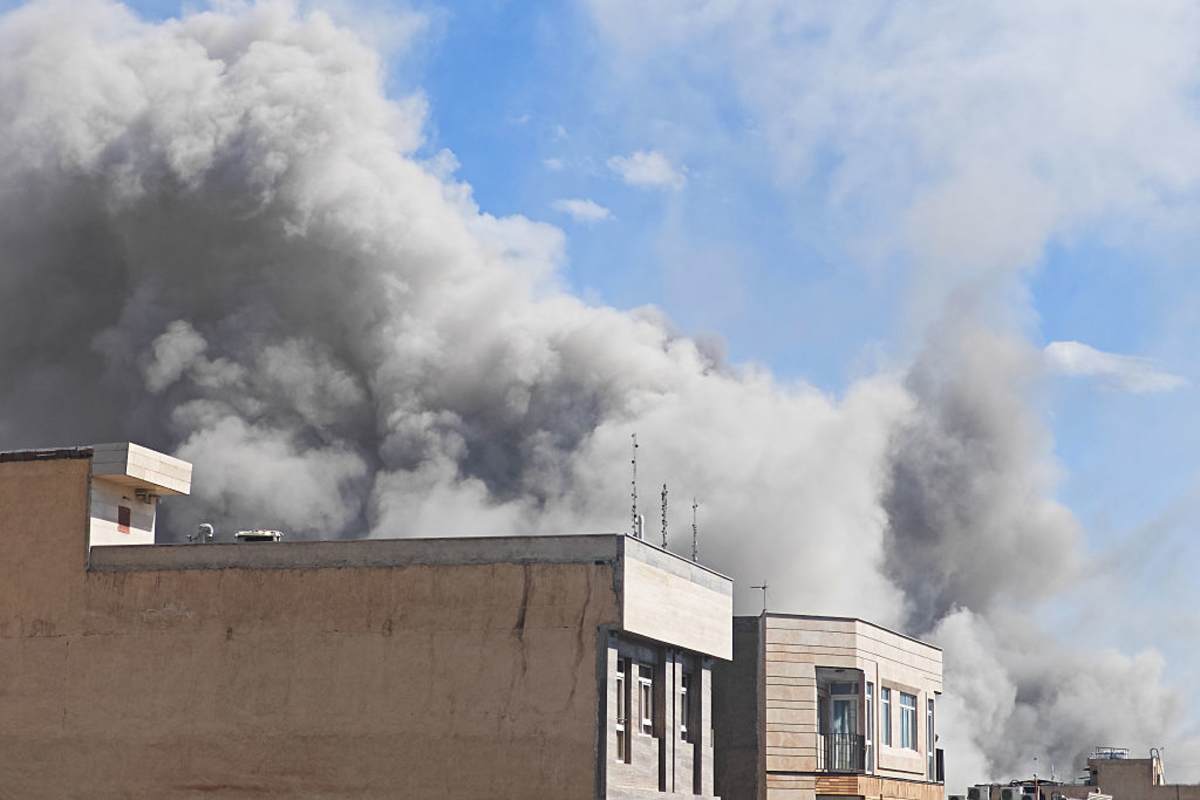
Plumes of smoke rise over the skyline following explosions on March 1, 2026 in Tehran, Iran. Iran's Supreme Leader, Ayatollah Ali Khamenei, was confirmed killed after the United States and Israel launched a joint attack on Iran on February 28. Iran retaliated by firing waves of missiles and drones at Israel, and targeting U.S. allies in the region. (Photo by Majid Saeedi/Getty Images)
Smoke plumes rose over Tehran’s skyline following explosions on March 1, 2026 (Majid Saeedi/Getty Images)

Concerns about further escalation also shaped public opinion. A significant portion of respondents, including many Republicans said they would be less likely to support ongoing military action if it results in US troops being killed or injured.

Furthermore, anxiety about rising fuel and oil prices in the US could further dampen support for the campaign and could affect Trump's standing in the upcoming midterm elections in November.
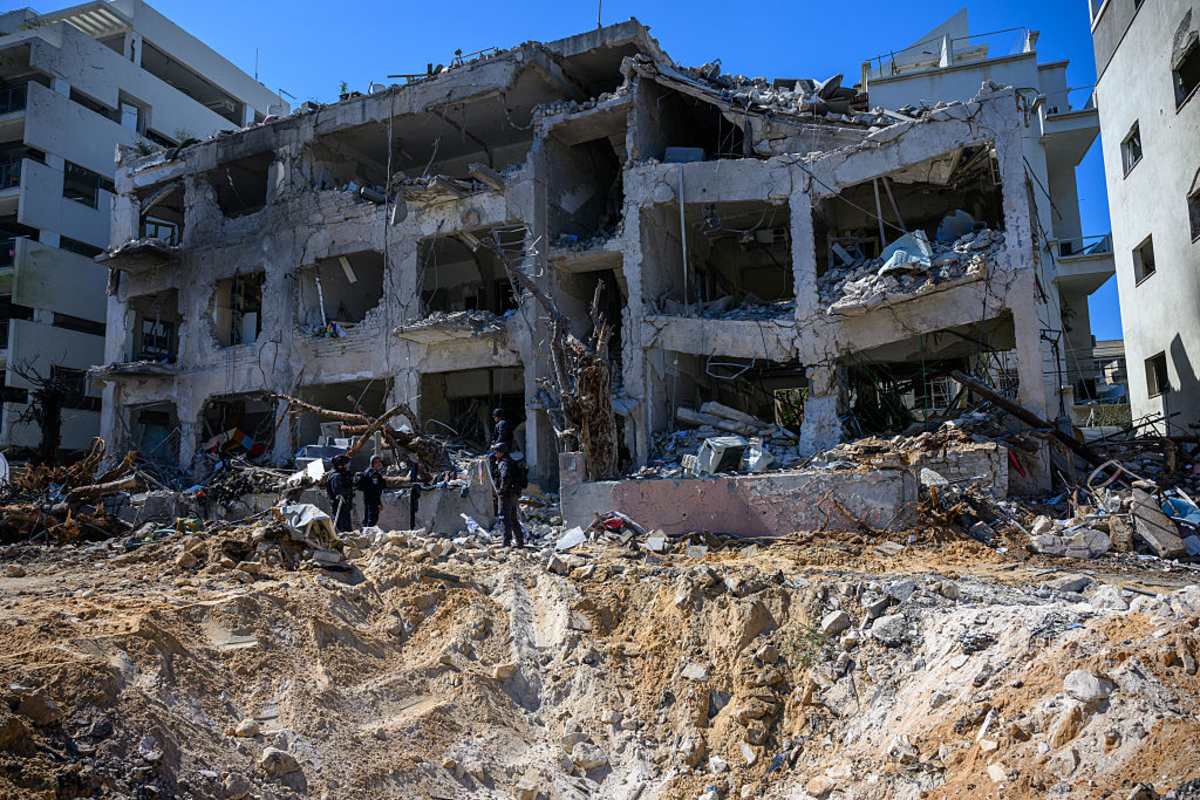
TEL AVIV, ISRAEL - MARCH 01: Security personnel help a resident remove clothes from his apartment at the site of a damaged building by last night's missile strike on March 01, 2026 in Tel Aviv, Israel. Iran fired waves of missiles at Israel after the United States and Israel launched a joint attack on Iran early on February 28th. Israel's Defense Minister Israel Katz declared a state of emergency, as Israelis braced for the retaliation. (Photo by Alexi J. Rosenfeld/Getty Images)
Security personnel helped a resident remove belongings from a damaged building after a missile strike in Tel Aviv on March 1, 2026 (Alexi J Rosenfeld/Getty Images)

Americans divided over Trump’s military action

In recent months, Trump has also ordered military action in Venezuela, Syria and Nigeria. In a CBS News/YouGov poll conducted a day before the strikes on Iran, 51% of respondents said they would favor US military action to prevent Tehran from developing nuclear weapons.

However, when asked about preferred approaches toward Iran's current leadership, a majority of CBS poll respondents favored diplomacy or sanctions over military action, at 38% and 22%, respectively.

Only 18% wanted the US to remove Iran’s leadership by force, while 22% preferred no engagement at all.
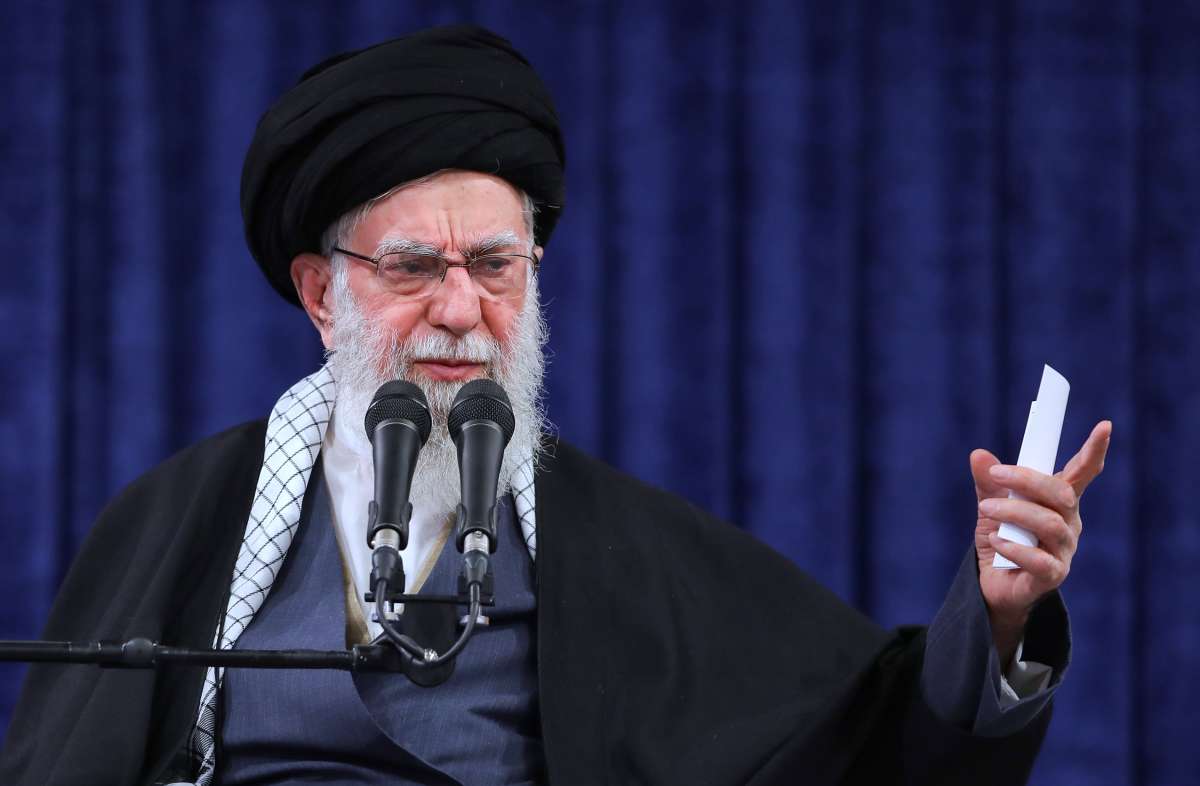
In this photo released by an official website of the office of the Iranian supreme leader, Supreme Leader Ayatollah Ali Khamenei speaks in a meeting in Tehran, Iran, Tuesday, Feb. 17, 2026. (Office of the Iranian Supreme Leader via AP)
Supreme Leader Ayatollah Ali Khamenei spoke at a meeting in Tehran on Feb 17, 2026 (Office of the Iranian Supreme Leader via AP)

Similarly, a University of Maryland poll conducted in early February found that 49% of Americans opposed the US initiating an attack on Iran, and another 30% were unsure of their stance. Support for military action was highest among Republicans at 40%, compared with 21% of independents and just 6% of Democrats.

Trump and members of his administration have argued that Iran posed an imminent threat, repeatedly claiming that the country was close to developing nuclear weapons and ballistic missiles capable of striking the United States. 

Iranian media, citing the Red Crescent, reported more than 200 deaths and over 700 wounded in the strikes.
RELATED TOPICS US STRIKES IRAN

GET BREAKING U.S. NEWS & POLITICAL UPDATES
STRAIGHT TO YOUR INBOX.

MORE STORIES

Senator Adam Schiff said Ayatollah Ali Khamenei was brutal but posed no imminent threat, calling the strike unjustified
29 minutes ago
Thomas Massie has also said he will work with his Democratic colleague Rep Ro Khanna to 'force a Congressional vote on war with Iran'
1 hour ago
Trump defended the Iran attack by citing a nuclear threat, despite claiming in June 2025 that the country’s nuclear facilities had been obliterated
1 hour ago
In 2024, US officials uncovered Islamic Revolutionary Guard Corps plots, and the DOJ linked them to revenge for Qassem Soleimani’s death
2 hours ago
Tim Kaine argues Trump’s past policy weakened limits on Iran’s nuclear program and says congressional action is needed on war authority
3 hours ago
Mace defended US strike timing and hit back at Omar’s criticism, saying her comments crossed a line and hinting at stripping citizenship
4 hours ago
While talking to The Atlantic’s Michael Scherer, Donald Trump argued that Tehran could have avoided the strike if it had agreed to a deal earlier
4 hours ago
'As one nation, we grieve for the true American patriots who have made the ultimate sacrifice for our nation,' Donald Trump said
5 hours ago
US and Israeli forces hit Tehran after CIA pinpointed a leadership meeting, leveraging months of tracking to time the strike
5 hours ago
Mark Kelly said he needs more details from the White House and is unlikely to support the administration’s recent actions
5 hours ago