Trump finalizes rule allowing easier firing of senior federal workers for hindering admin's policies
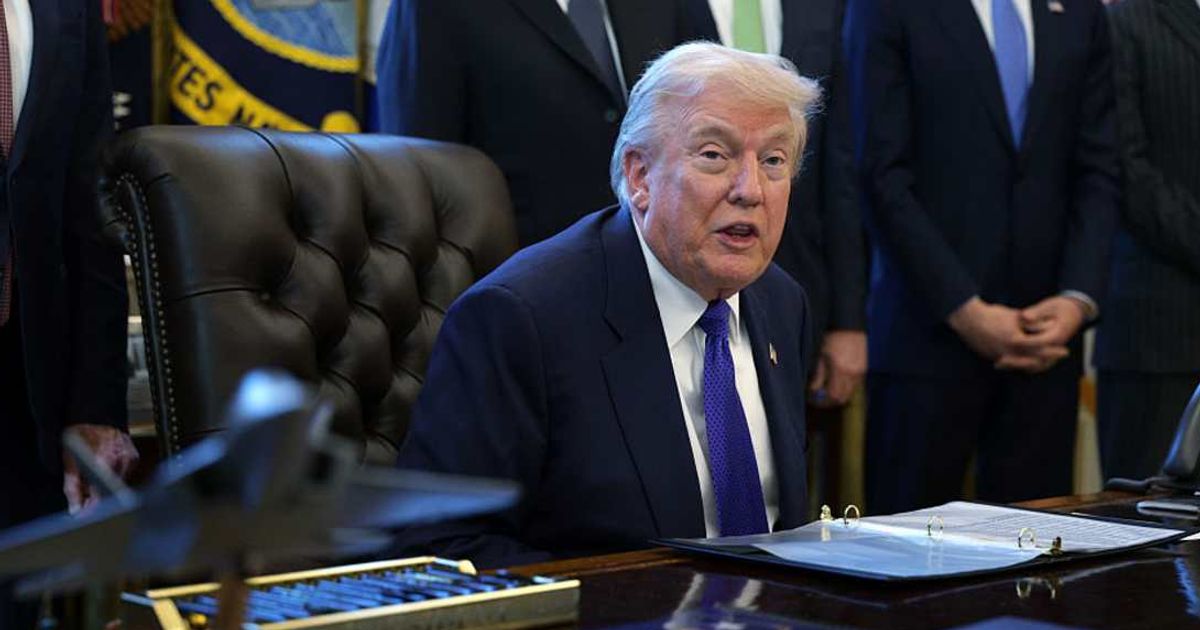
WASHINGTON, DC: The Trump administration on Thursday, February 5, finalized a sweeping rule that would make it significantly easier to fire an estimated 50,000 federal workers, dramatically reshaping the civil service system that has governed the US government for more than a century.
The rule strips away long-standing job protections and whistleblower safeguards for employees involved in policy-related roles.
The policy, formally known as Schedule Policy/Career, converts a wide range of career federal workers into a new classification that closely resembles political appointees — employees who can be dismissed at will.
Today, OPM announced a final rule establishing Schedule Policy/Career—strengthening accountability, improving performance, and reinforcing a merit-based federal workforce. The rule preserves merit hiring, veterans’ preference, and whistleblower protections while ensuring…
— U.S. Office of Personnel Management (@USOPM) February 5, 2026
Schedule Policy/Career rule reclassifies senior workers into at-will status
Under the new rule, thousands of federal employees who focus on policy development or implementation would lose traditional civil service protections. These safeguards historically shielded workers from being fired without cause and allowed them to raise concerns about misconduct through independent channels.
Officials argue that some career employees have resisted or obstructed the president’s policy goals — a claim President Donald Trump has long framed as evidence of a so-called “Deep State” within the federal government.
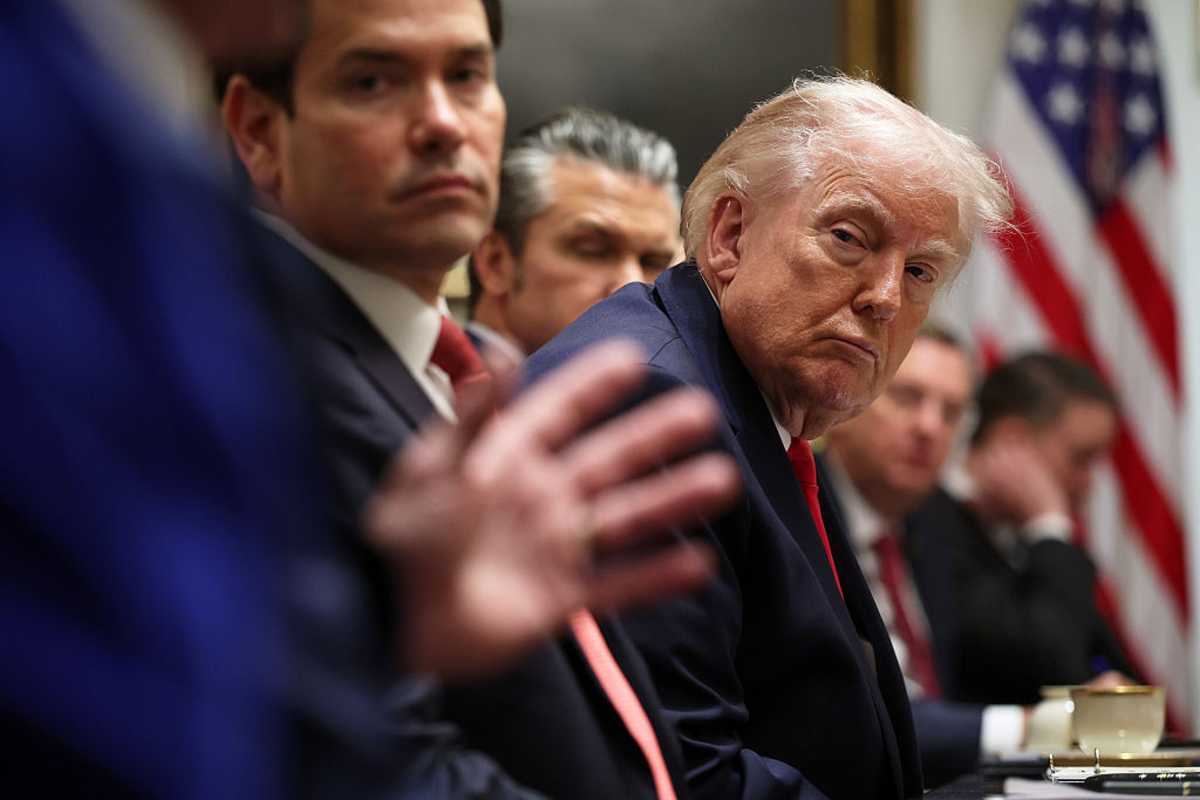
“This is not about people’s views or ideas,” said Scott Kupor, director of the Office of Personnel Management (OPM), which issued the rule. “This is about whether they are refusing to actually affect their duties on behalf of the American people consistent with the objectives of this administration.”
“The only impact Policy/Career has is if their disagreement leads them to then try to actively thwart or undermine the execution of those priorities, then that [is] behavior that we want to declare to people is not acceptable”, Kupor added.
Unions warn of politicization and silenced whistleblowers
Federal worker unions have fiercely opposed the move, saying it dismantles a professional system built on merit rather than political loyalty. The American Federation of Government Employees (AFGE) described the rule as a direct threat to public service.
“This rule is a direct assault on a professional, nonpartisan, merit-based civil service and the government services the American people rely on every day,” AFGE president Everett Kelley said in a statement.
This rule is a direct assault on a professional, nonpartisan, merit-based civil service and the government services the American people rely on every day. https://t.co/U3ubCtawob
— AFGE (@AFGENational) February 5, 2026
Kelley warned that the rule would allow agencies to replace experienced professionals with political allies. “They’re rebranding career public servants as ‘policy’ employees, silencing whistleblowers, and replacing competent professionals with political flunkies,” he said, adding that the changes remove “neutral, independent protections against politicization and arbitrary abuse of power.”
The rule also rewrites how whistleblower complaints are handled. Employees under the Schedule Policy/Career rule would no longer be allowed to report wrongdoing to the independent Office of Special Counsel. Instead, complaints must be filed internally within their own agency.
Kupor acknowledged the shift, saying complaints would now be reviewed by an agency’s general counsel - a political appointee - who would assign an investigator not directly involved in the case. “This is really the best we can do,” he said.
Lawsuits loom as critics call Schedule Policy/Career rule unlawful
Legal challenges are expected to resume quickly. The AFGE and allied organizations had previously sued to block the policy during its development, pausing litigation while the rulemaking process continued.
“This is a deliberate attempt to do through regulation what the law does not allow,” said Skye Perryman, president of Democracy Forward, which is leading the lawsuit. “We will return to court to stop this unlawful rule and will use every legal tool available to hold this administration accountable.”
Trump attempted a similar overhaul at the end of his first term, known then as Schedule F, which was tied up in court. Former President Joe Biden later enacted protections preventing workers from being reclassified without consent protections — Trump is now undoing.
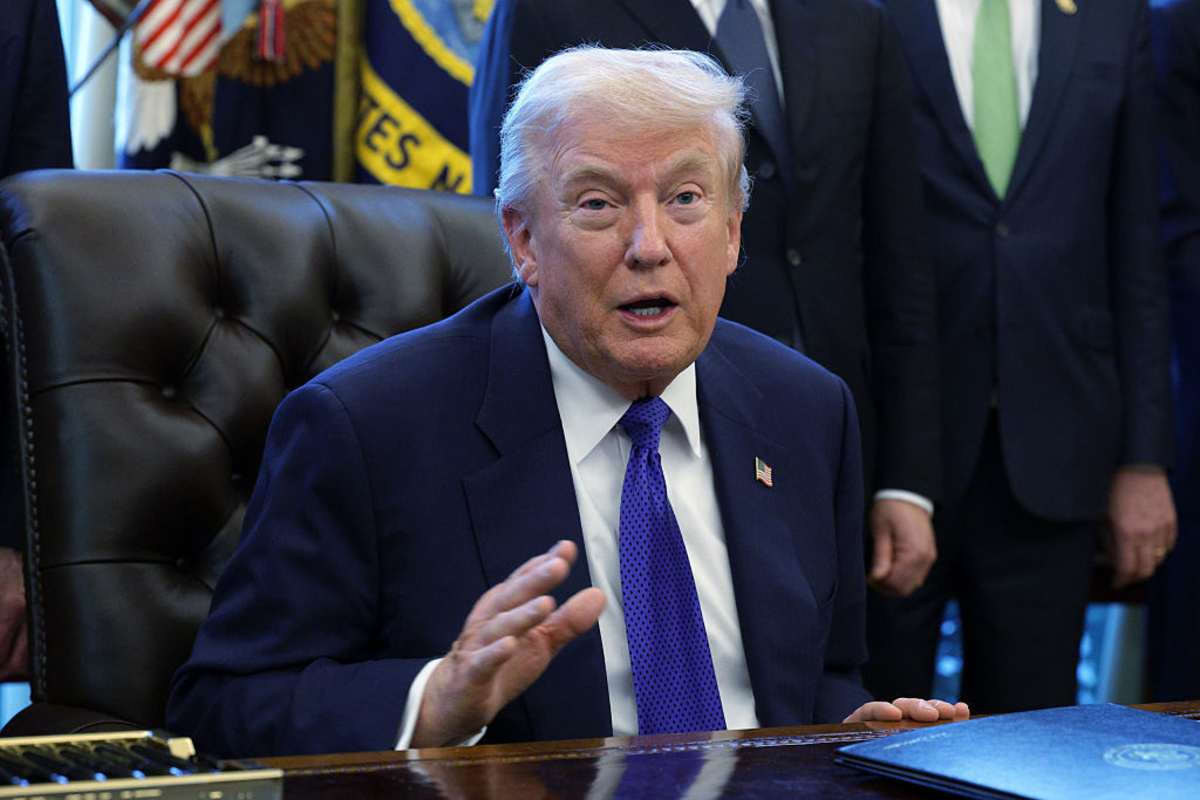
Democratic lawmakers also sounded alarms. Virginia Senators Tim Kaine and Mark Warner said the rule would hurt workers, families, and national security, warning it would make government services harder to access.
“For decades, our nonpartisan civil service has set us apart from other countries,” they said, adding that leadership should be based on “merit, not politics.”
Despite the backlash, an OPM official defended the move, citing alleged misconduct and resistance among career employees. The official pointed to the leaking of a confidential draft of the rule as proof that civil servants were working against the administration, calling the situation “a crisis.”