Trump floats further US troop cuts, says NATO summit was nearly not worth attending
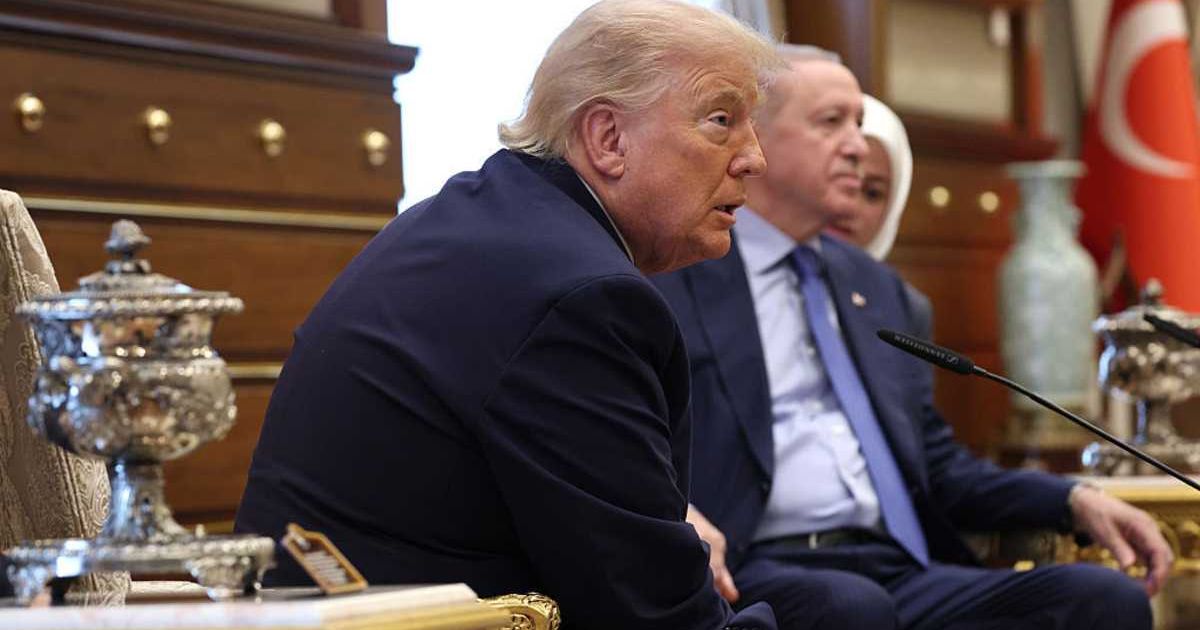
WASHINGTON, DC: President Donald Trump reignited debate over America's military role in Europe after revealing he had nearly skipped the NATO summit and refusing to rule out additional US troop reductions across the continent.
Arriving at the gathering, Trump said "we're going to see" when asked whether more American forces could be withdrawn, underscoring his longstanding demand that European allies shoulder a greater share of their own defense.
The comments come amid reports that the administration has privately examined reducing the US military presence in Europe by roughly one-third, a move that would reshape NATO's force posture at a time of continued tensions with Russia.
Trump's remarks also placed fresh pressure on alliance members as they seek to convince Washington they have responded to years of US demands for higher defense spending.
Trump keeps troop cuts alive
Asked whether additional US troop reductions in Europe remained under consideration, Trump declined to make any commitments.
Reporter: Are further troop drawdowns in Europe likely?
— Acyn (@Acyn) July 7, 2026
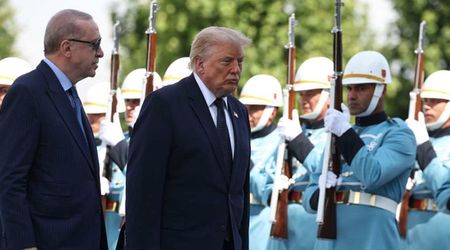
Trump: We’re going to see. I was very disappointed with NATO. Frankly, if it weren’t held in Turkey, where my friend happens to be a very strong leader, a very strong person, it’s possible that I wouldn’t have attended.
I… pic.twitter.com/TKtZYlL1Um
"We're going to see," he told reporters, leaving open the possibility of future changes to America's military footprint.
The president has repeatedly argued that the United States has carried a disproportionate share of NATO's defense burden for decades. During both his first and second terms, he has pressed allies to boost military spending and contribute more to collective security, warning that Washington cannot continue subsidizing Europe's defense indefinitely.
His latest remarks revive uncertainty over the future size of the US presence across key bases in Germany, Italy, Poland and other allied nations.
President nearly skips NATO summit
Trump also disclosed that he had seriously considered not attending the NATO summit, saying he ultimately decided to participate after concluding the alliance had made meaningful progress.
Q: Are further troop drawdowns in Europe likely?
— Aaron Rupar (@atrupar) July 7, 2026
TRUMP: We're gonna see. I was very disappointed in NATO. And frankly if weren't held in Turkey where my friends happens to be a very strong leader, it's possible that I wouldn't have attended. pic.twitter.com/DJt3mwhxMV
The president has long criticized NATO members for failing to meet defense spending targets, frequently arguing that the alliance treated the United States unfairly.
His attendance follows months of diplomatic efforts by NATO leaders to demonstrate that European governments are investing more heavily in defense, expanding military production and strengthening deterrence capabilities.
The admission highlighted how fragile Trump's relationship with the alliance has remained despite recent efforts to improve ties.
NATO seeks to ease concerns
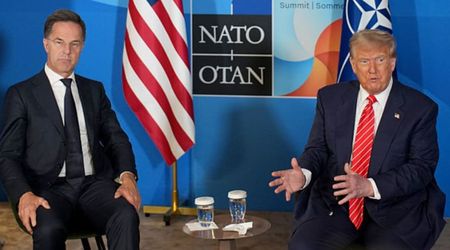
NATO Secretary General Mark Rutte has worked aggressively to reassure Trump that European allies are responding to his demands, encouraging members to commit significantly higher defense spending and greater military readiness.
🇳🇱🇹🇷 NATO chief Rutte is calling for a "transatlantic defense industrial revolution" from Ankara.
— Mario Nawfal (@MarioNawfal) July 7, 2026
"The hum of machinery must become a roar," he said.
He wants governments to keep placing long-term orders and signing contracts, because evidently the roar doesn't sustain itself.… https://t.co/HRiqCgWexG
Alliance officials hope those commitments will help preserve US engagement at a time when Russia's war in Ukraine continues to dominate European security planning.
Trump acknowledged that allies have increased their contributions compared with previous years but maintained that further progress is necessary.
His comments signal that questions surrounding America's long-term military commitment to Europe are likely to remain central as NATO members adapt to a new phase in transatlantic relations.