Trump gets the jobs number he wanted, but makes a demand that could leave the Fed in a bind
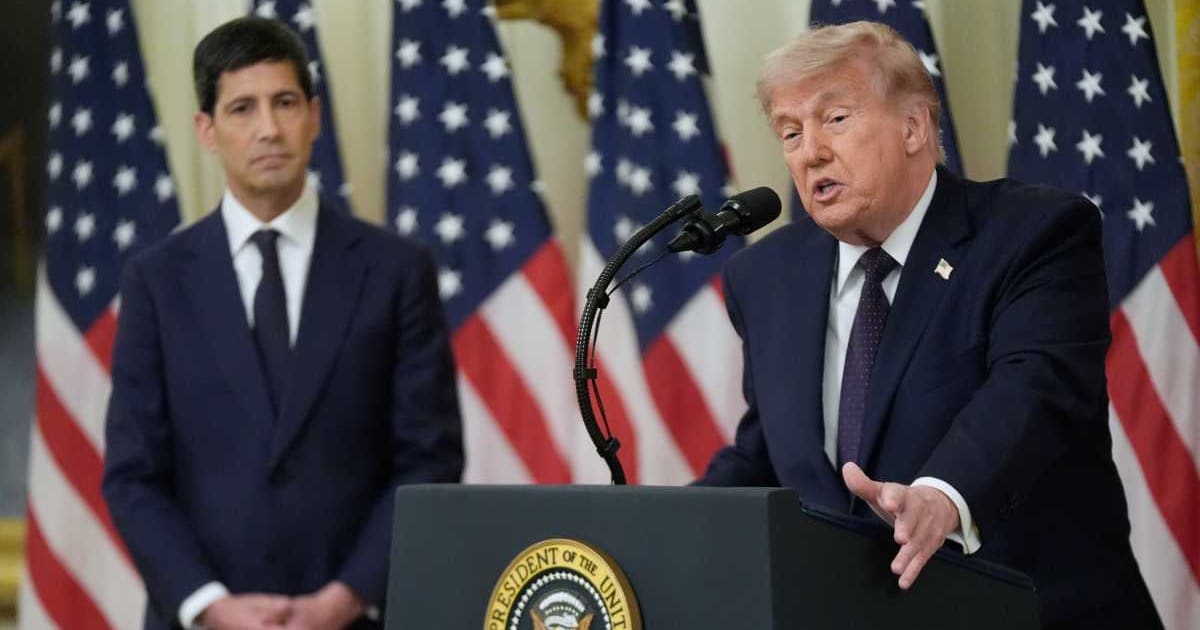
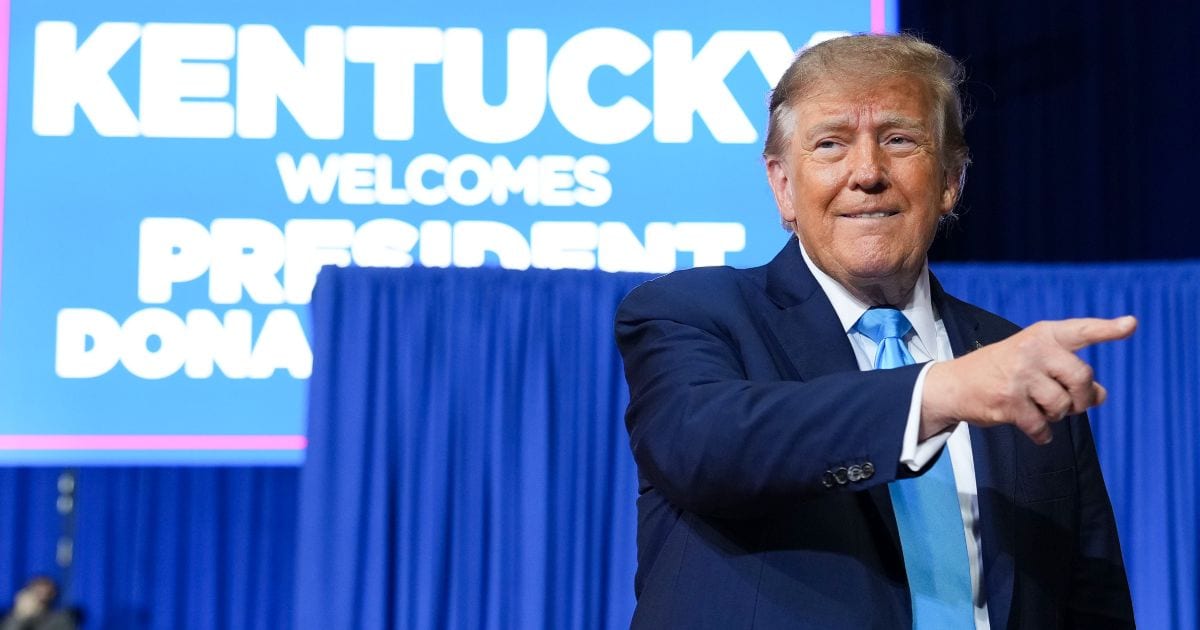
WASHINGTON, DC: President Donald Trump celebrated a stronger-than-expected August jobs report on Friday, September 4, then immediately renewed his demand for lower interest rates and threatened to stop trading with countries that run surpluses with the United States if the Federal Reserve refuses.
The remarks came as fresh labor data gave policymakers another reason to keep borrowing costs elevated.
August hiring smashes expectations
US employers added 162,000 jobs last month, according to the Labor Department, far exceeding the roughly 53,000 to 65,000 positions economists had expected.
July’s figure was also revised from an initial 23,000 decline to a 21,000 increase.
The unemployment rate stayed at 4.1%, while the labor force grew by 683,000 people.
Food services and drinking places gained 59,000 jobs, and local government education added 42,000.
Trump calls the report a victory
Trump praised the figures on Truth Social, writing that employers had added 162,000 jobs and saying the result had broken estimates by “double and triple.”

He argued that a stronger US economy should translate into cheaper credit.
“Lower the interest rates because the USA is a much stronger credit than it was just a short time ago!” Trump wrote.
He then connected monetary policy to trade, warning: “LOWER THE RATE OR I’LL STOP TRADING WITH COUNTRIES WITH WHICH WE HAVE A DEFICIT.”
Fed faces a different signal
The employment figures complicate Trump’s push because a resilient labor market can give policymakers less urgency to stimulate demand through cheaper borrowing.
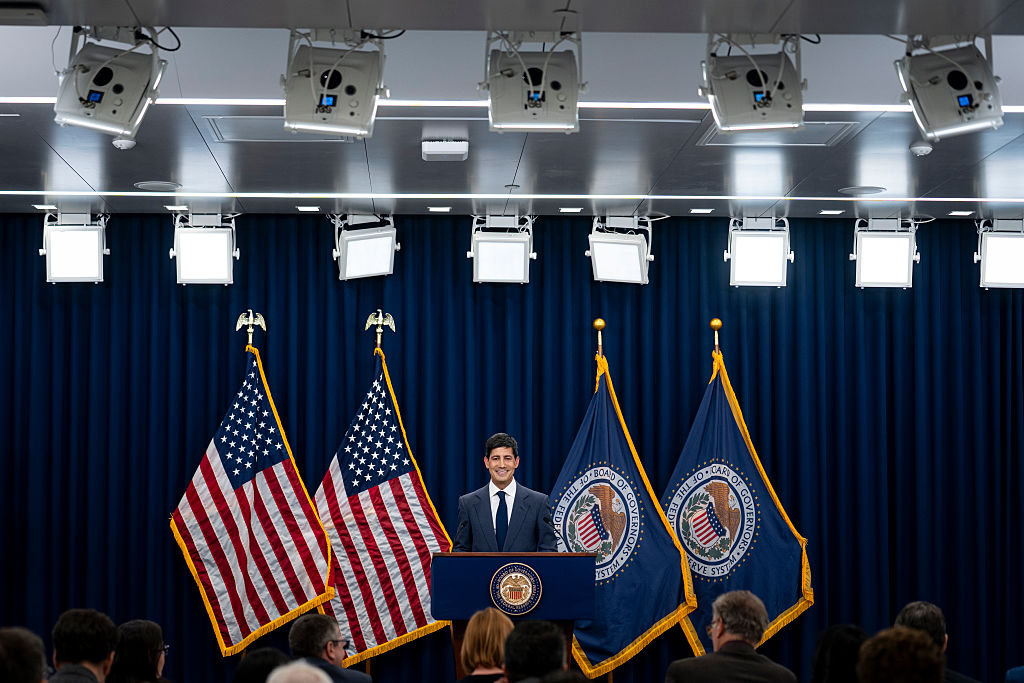
Markets quickly increased the probability of a September rate increase.
Reuters reported that investors saw roughly a 52% chance of a hike at the September 15-16 meeting after the data, while Treasury yields moved higher.
The Fed’s decision will also depend heavily on inflation. Consumer Price Index data due September 11 will arrive five days before officials meet.
Wage growth tells another story
The report was not uniformly strong.
Average hourly earnings rose 3.1% over the year, the weakest annual increase since May 2021.
The information industry lost 23,000 positions, while healthcare hiring slowed compared with its recent pace.

The Labor Department also said payroll gains for June and July were collectively revised 55,000 higher.
The mixed details leave policymakers weighing a labor market that has regained momentum against price pressures that remain above the central bank’s 2% goal.
Annual wage gains remain modest, limiting how much stronger hiring is translating into larger paychecks for workers.
Americans could feel the squeeze
The rate dispute reaches households through mortgages, credit cards, auto loans and savings accounts.
A higher federal funds rate can keep borrowing expensive, while a cut can reduce some financing costs but may also affect the battle against inflation.

Trump’s trade threat creates another potential pressure point.
The United States imports large quantities of goods from countries with which it runs trade deficits, meaning a broad halt could disrupt supply chains and raise costs for businesses and consumers.
For now, the next major test comes with the September inflation report before the Fed decides whether to hold, cut or raise rates.