Trump introduces ‘Don-roe Doctrine’ after capture of Venezuelan President Nicolas Maduro
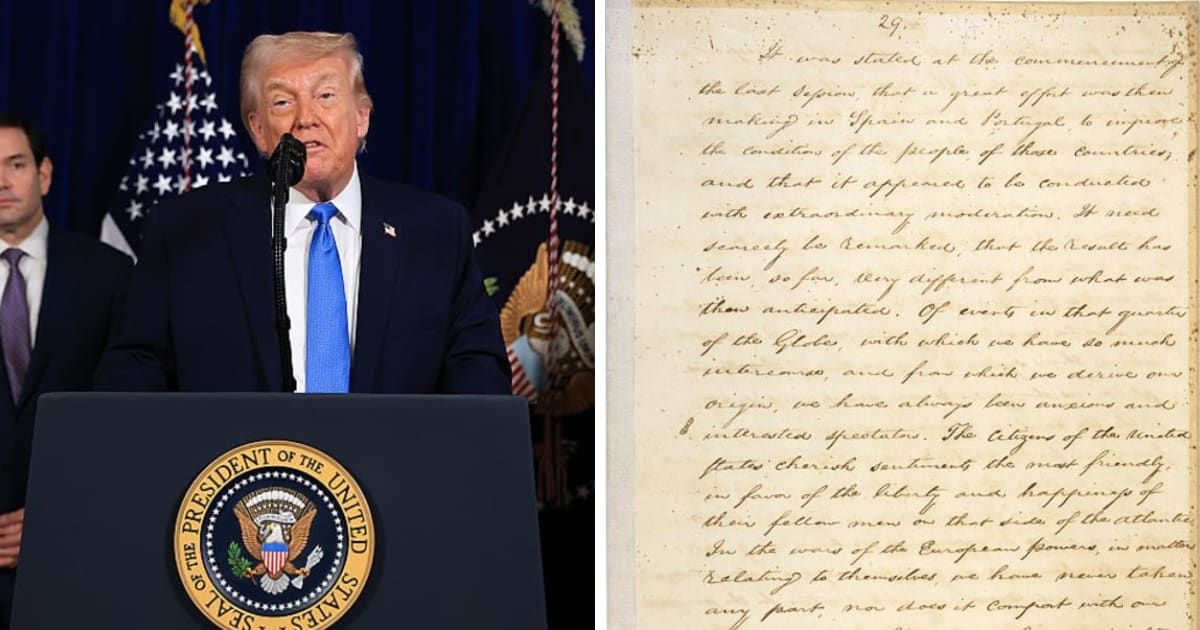
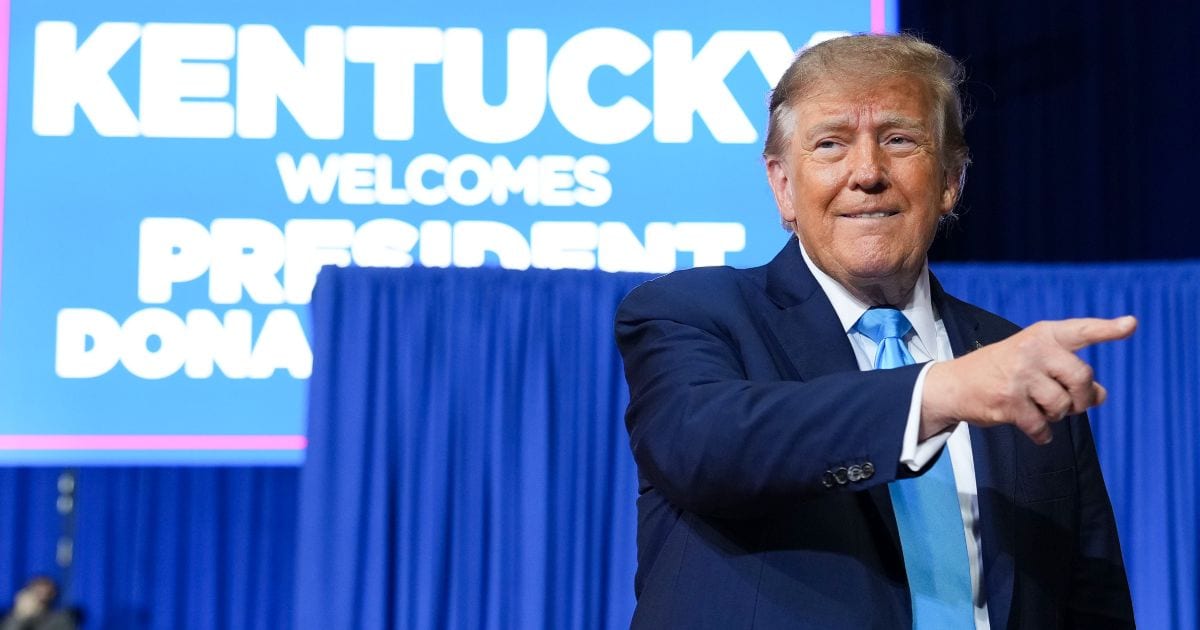
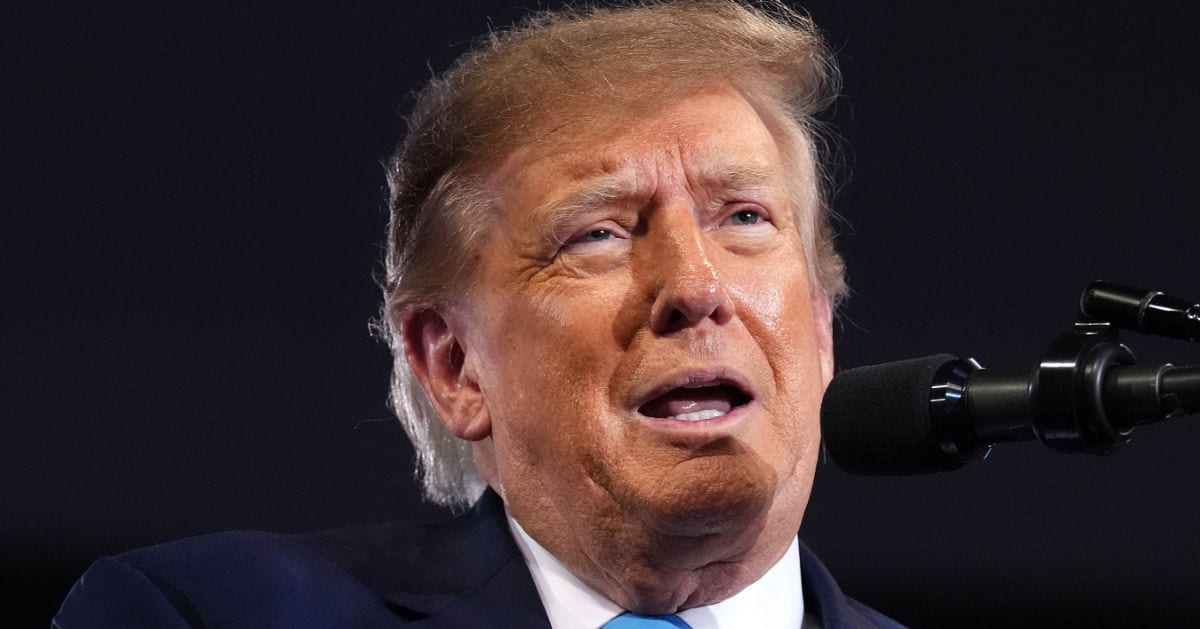
PALM BEACH, FLORIDA: Fresh off the successful capture of Venezuelan President Nicolas Maduro, President Donald Trump unveiled a new foreign policy framework during the Saturday, January 3, midday press conference at Mar-a-Lago, called the 'Don-roe Doctrine'.
Addressing reporters hours after the regime change operation, Trump framed the military action not just as a singular mission, but as the enforcement of an updated, personalized version of the 200-year-old 'Monroe Doctrine'.
He argued that the US had "forgotten" its duty to police the Western Hemisphere - until now.
From Monroe Doctrine to Don-roe Doctrine
Trump: "All the way back it dated to the Monroe Doctrines. And the Monroe Doctrine is a big deal. But we've superseded it by a lot. By a real lot. They now call it the Donroe Document. I don't know. It's Monroe Doctrine. We sort of forgot about it."
— Private IcedC81 Politics (@PvtIcedC81Pol) January 3, 2026
pic.twitter.com/53HDzcEbGw
Trump traced his rationale back to 1823's 'Monroe Doctrine', which warned foreign powers against meddling in the Americas, before declaring that his approach went far beyond the original framework.
“All the way back, it dated to the Monroe doctrines, and the Monroe Doctrine is a big deal,” Trump said. “But we’ve superseded it by a lot, by a real lot. They now call it the Monroe Doctrine. I don’t know, it’s Don-roe Doctrine.”
He argued that successive administrations had allowed the policy to fade into irrelevance. “We sort of forgot about it,” Trump said. “It was very important, but we forgot about it. We don’t forget about it anymore.”
Trump claims Venezuela was amassing 'offensive weapons'
PRESIDENT TRUMP: “Under the now deposed dictator Maduro, Venezuela was increasingly hosting foreign adversaries in our region, and acquiring menacing, offensive weapons —potentially in lead with the Cartels operating along our border.” pic.twitter.com/SFPop5HoUK
— The Post Millennial (@TPostMillennial) January 3, 2026
Trump justified the abrupt removal of the Maduro regime by portraying Venezuela as an imminent national security threat. He claimed the country was sheltering foreign adversaries and amassing “menacing, offensive weapons” capable of striking American interests.
“And they used those weapons. Last night,” Trump alleged. “They used those weapons last night, potentially in league with the cartels operating along our border.”
The president did not provide evidence or detail how Venezuelan weapons were allegedly deployed or coordinated with cartel activity. Still, he framed the claims as proof that waiting any longer would have endangered US sovereignty and border security.
US to 'run' Venezuela
US President on Venezuela: "We're going to make sure it's run properly. We're going to rebuild the oil infrastructure. We're going to make sure the people that were forced out of Venezuela by this thug are also taken care of."pic.twitter.com/oWjIRx1odU
— OSINT Spectator (@osint1117) January 3, 2026
Trump then stated that the United States would oversee Venezuela’s governance in the immediate aftermath of the operation.
“We’re going to run it,” Trump said, asserting that Washington would remain in control until the country could hold what he described as “free and fair elections.”
No formal plan for an interim authority has been released. Asked for clarification, the State Department said only that it is “monitoring developments closely” and would provide guidance at a later time.
Trump claims Nicolas Maduro violated 'core principles'
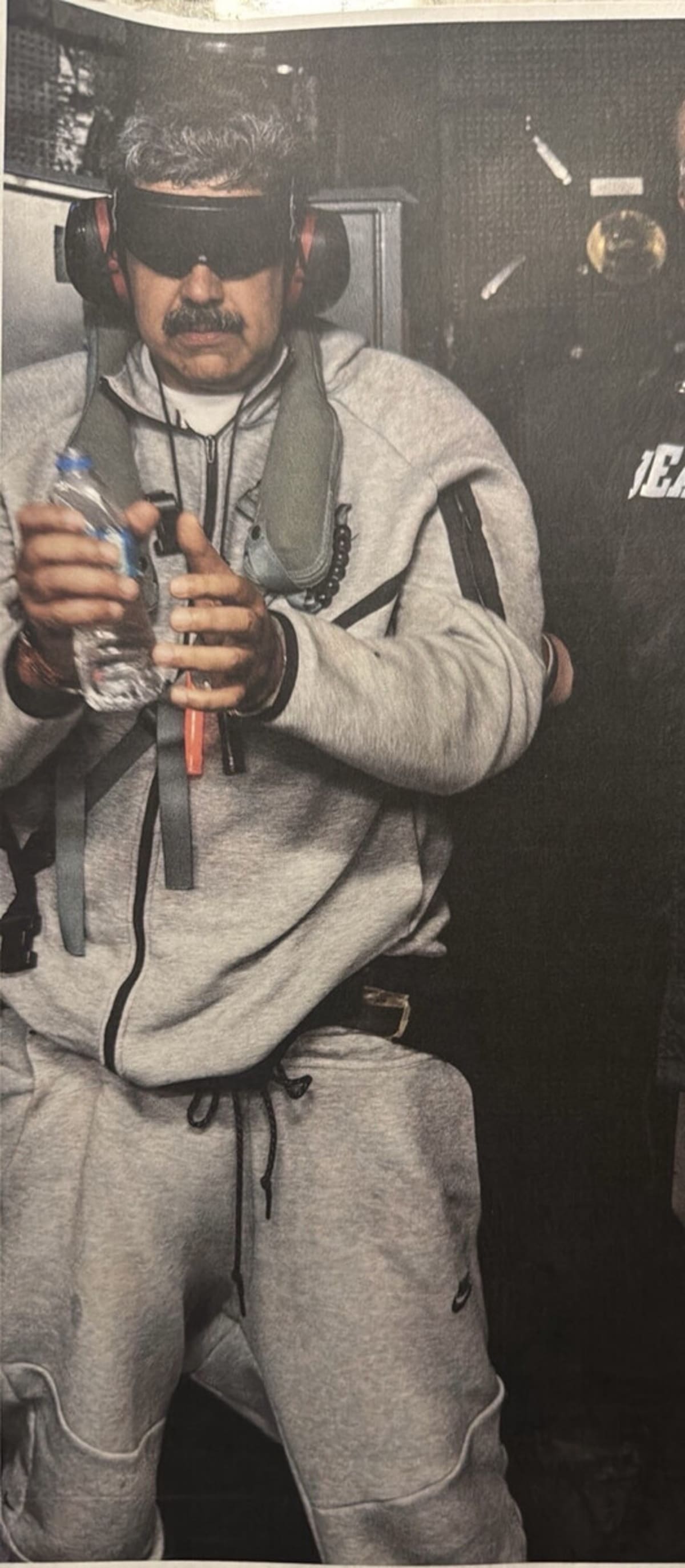
Trump closed by arguing that Maduro’s alignment with US adversaries amounted to a direct challenge to foundational American foreign policy principles.
By invoking hemispheric defense, he attempted to root the “Don-roe Doctrine” in historical precedent rather than impulse.
Whether the doctrine becomes a lasting framework or a flashpoint for legal and diplomatic backlash remains unclear.