Trump invokes executive privilege to shield records in legal battle over Kennedy Center closure
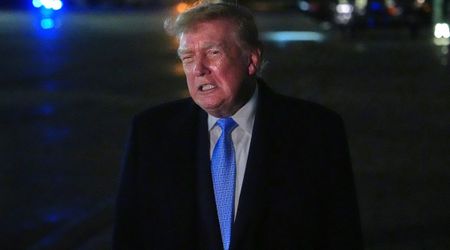
WASHINGTON, DC: On Wednesday, Oct 13, President Donald Trump formally exercised executive privilege to prevent a Democratic congresswoman from obtaining records concerning his plans for the Kennedy Center, thereby intensifying the legal dispute over the performing arts institution's proposed two-year closure for renovations, its possible renaming, and the question of whether the building could be demolished.
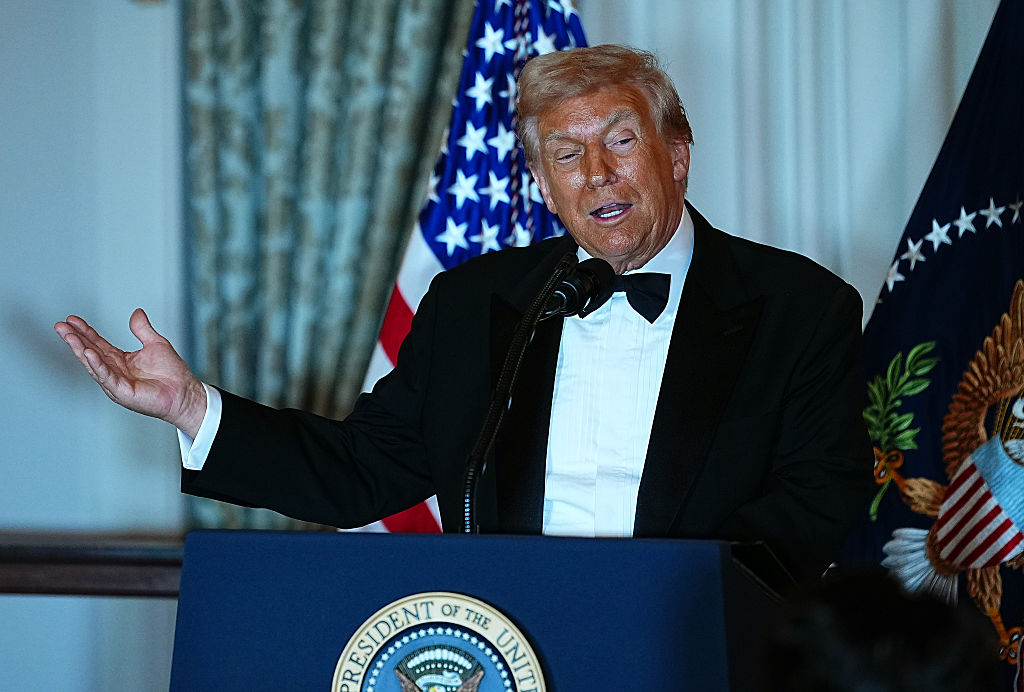
Joshua Hoyt, a deputy counsel at the White House, told a federal judge about Trump's formal claim of the presidential communications privilege, stating that it includes any information, documents, and communications between Trump, his advisers, and the Kennedy Center employees relating to the president's duties and what Hoyt referred to as the "effective functioning" of the institution.
White House says communications are protected
Hoyt argued that because the president appoints members of the Kennedy Center's board and a related Advisory Committee on the Arts, he must "familiarize himself" with the institution's management, operations, fundraising efforts and planned activities.

"I believe that, without the protection of the presidential communications privilege over the communications described above, presidential advisors and their staff members would be chilled from gathering relevant information, exploring alternatives, and providing fully informed recommendations regarding the performance of the President's duties," the White House lawyer wrote in a declaration.
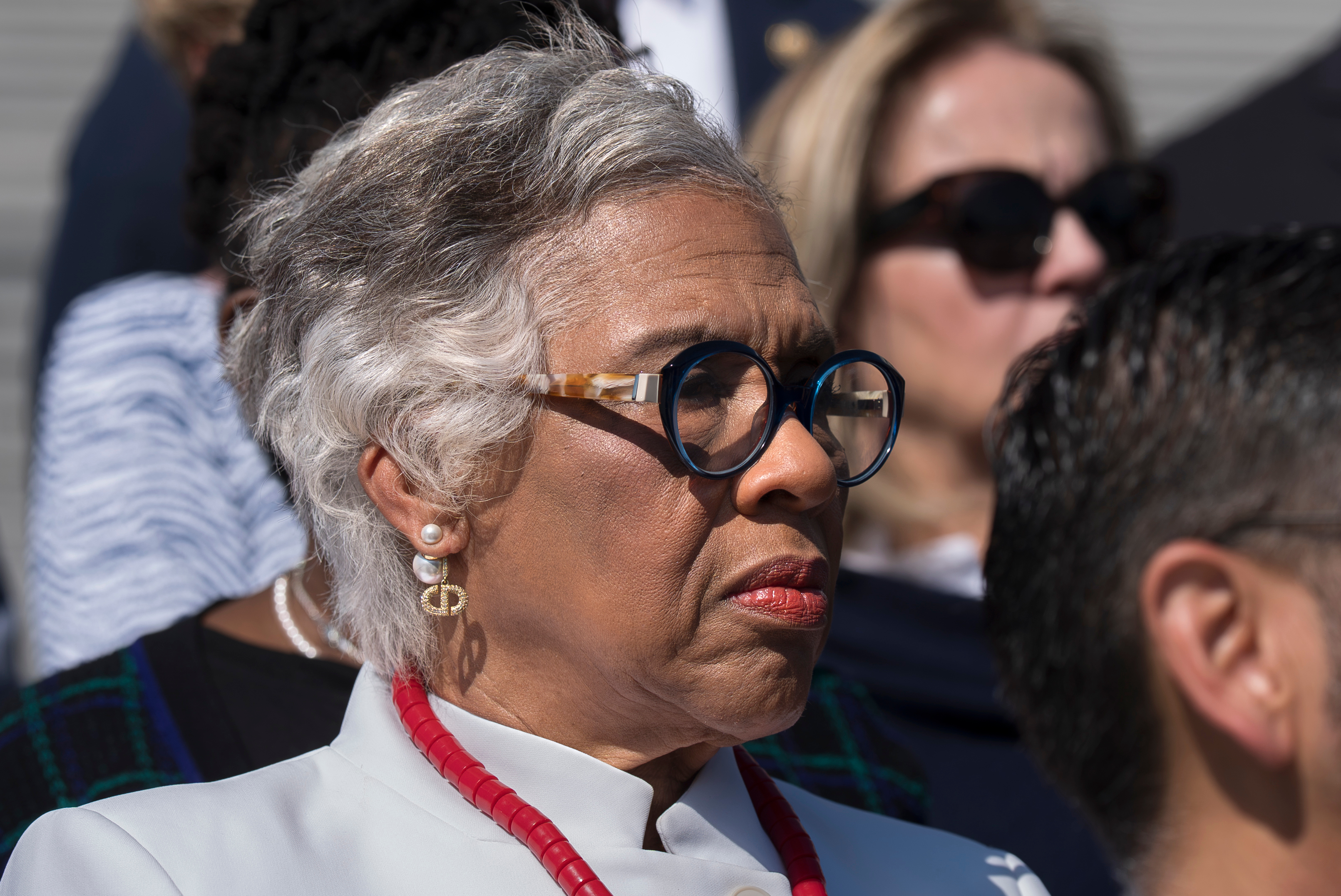
In a separate filing, Justice Department lawyers accused Democratic Rep Joyce Beatty of Ohio as part of her ongoing legal challenge to the president's effort to temporarily shutter the Kennedy Center for renovations of conducting a "fishing expedition" that raises separation-of-powers concerns.
"Even though the President's statutory duties and the Chairman's trust duties overlap, what matters for the purpose of executive privilege is that Plaintiff seeks information, documents, and communications concerning the President's actions in his official capacity," they argued.
Records cover closure, renaming and potential demolition
Trump invoked executive privilege on a sweeping set of documents connected to a host of controversies surrounding the Kennedy Center, including his push to close the institution for two years, its financial condition, his effort to place his name on the building’s marquee and his assertion that the building could be torn down.
Trump said last month that if his administration was not credited for fundraising and spearheading repairs, the Kennedy Center would close and “end up being ripped down.”
Executive privilege is not absolute and can be overcome by an adequate showing of need for the information at issue.
The Trump administration’s use of executive privilege here poses legal questions that haven’t been tested.
Last year, the board of trustees at the Kennedy Center elected Trump its chairman, the first sitting president to hold the post.
The board includes Trump administration officials and allies of the president. It has not been litigated before whether executive privilege applies to Trump’s actions and communications as chairman of an entity created by Congress and funded by a mix of federal dollars, ticket revenue, and private donations.
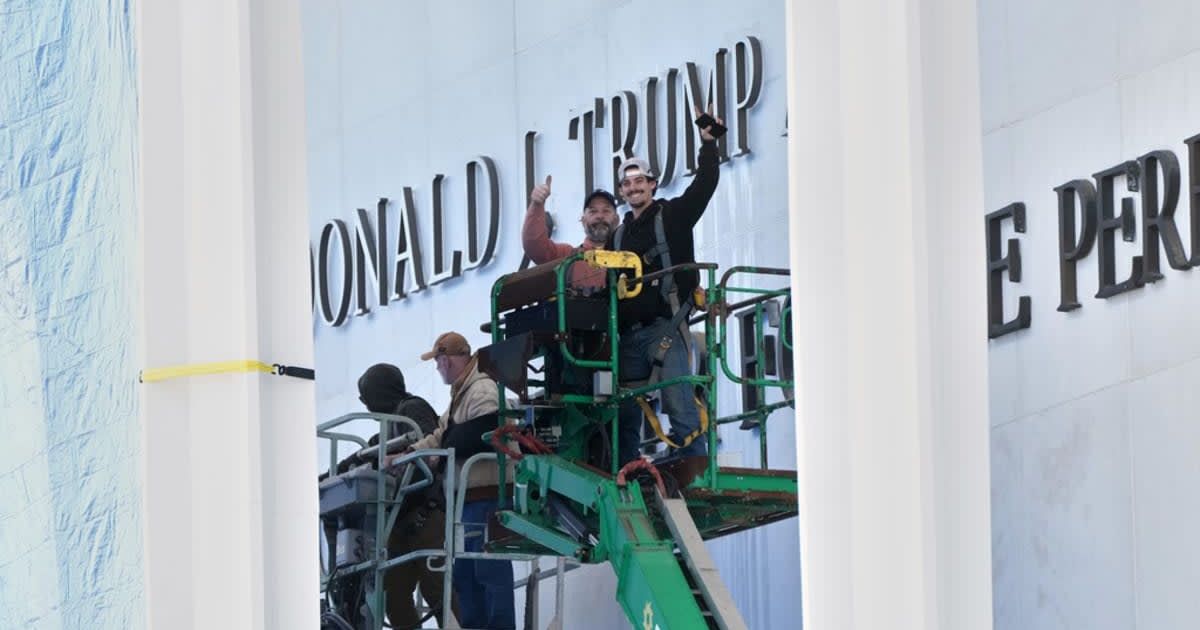
Beatty, an ex officio member of the Kennedy Center’s Board of Trustees, filed the underlying lawsuit in December, challenging the board’s decision to rename the institution the Donald J Trump and The John F Kennedy Memorial Center for the Performing Arts and shutter it for two years.
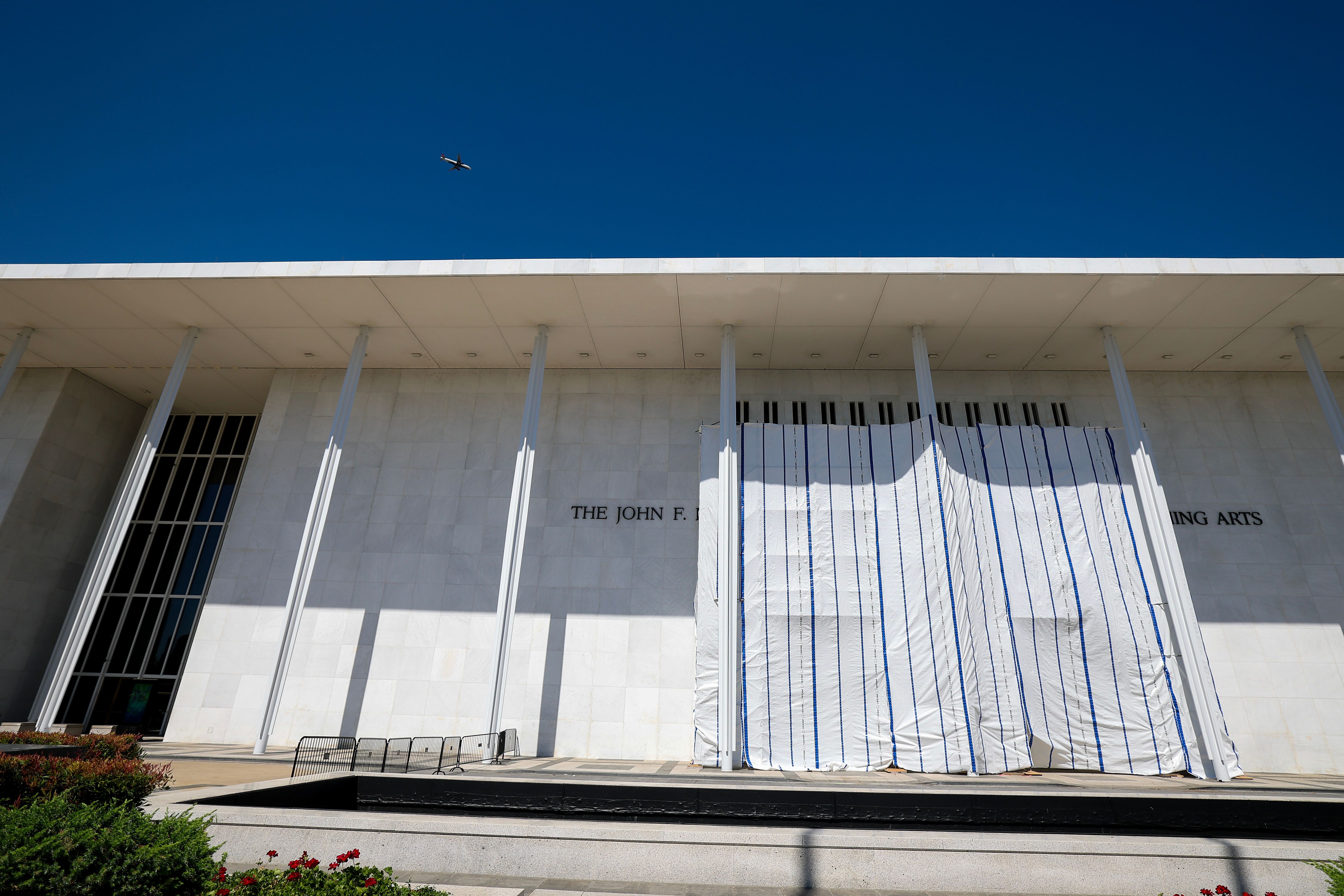
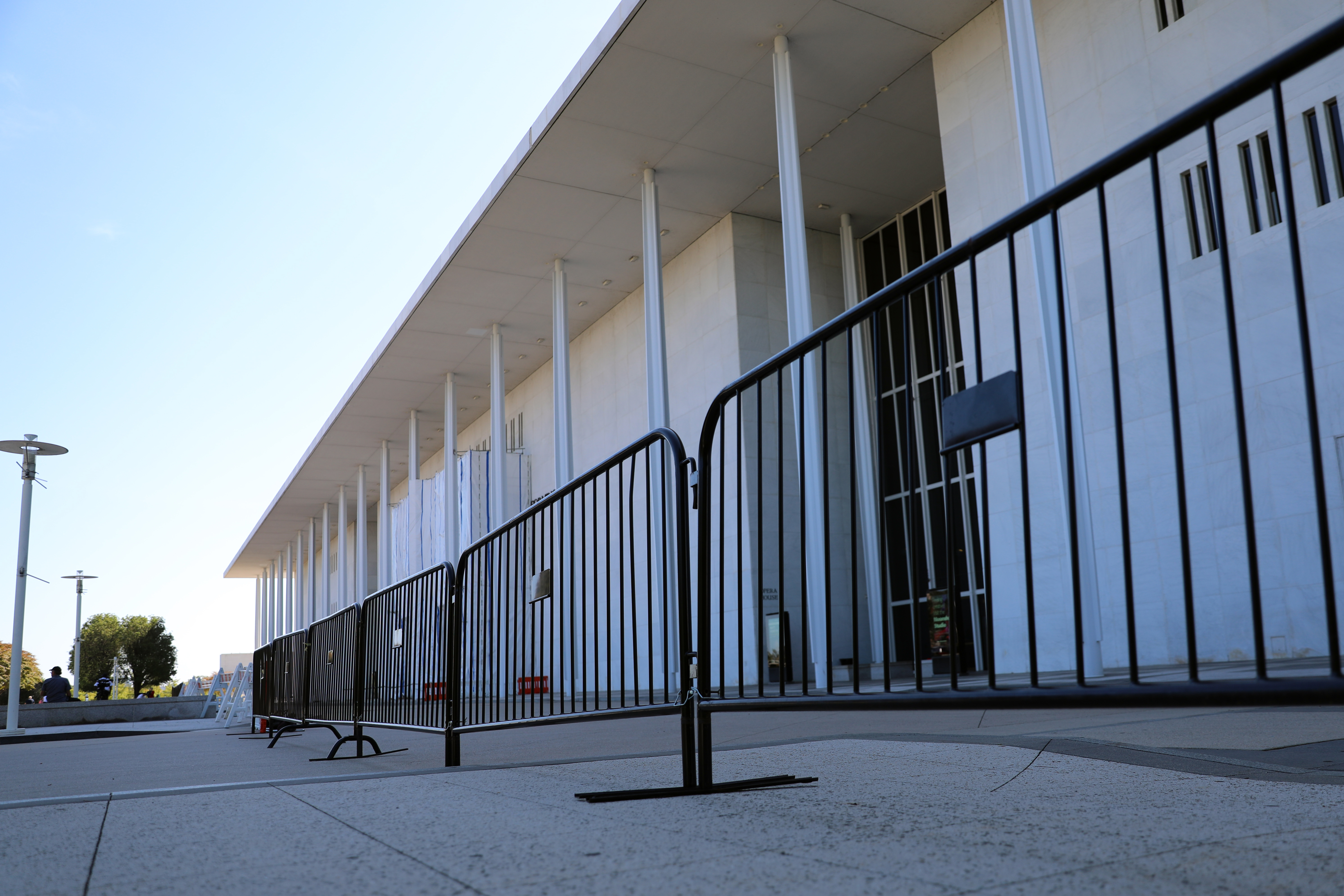
US District Judge Christopher Cooper halted the closure and ordered Trump’s name removed from the building’s facade in May. Construction crews took down the name in June, but the front of the building has since been covered by a tarp.