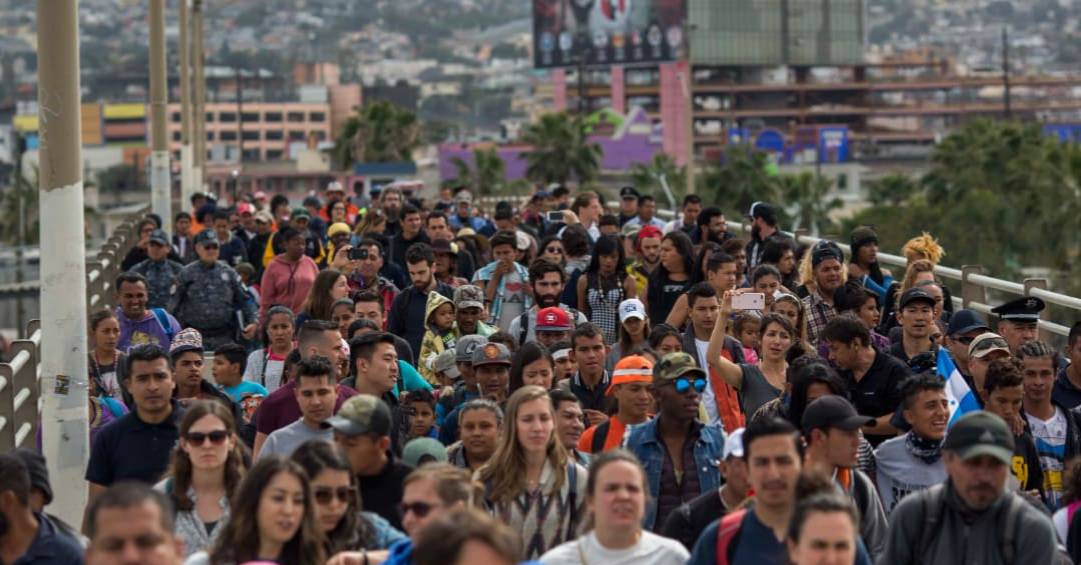
Trump names the one country he says is tougher to deal with than China
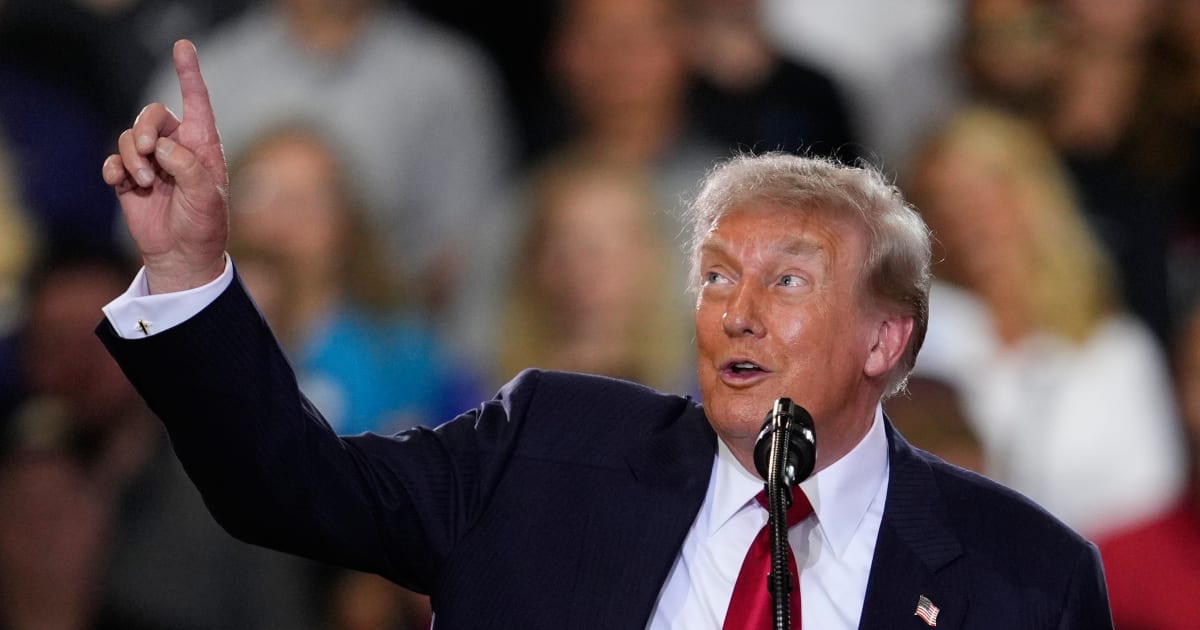
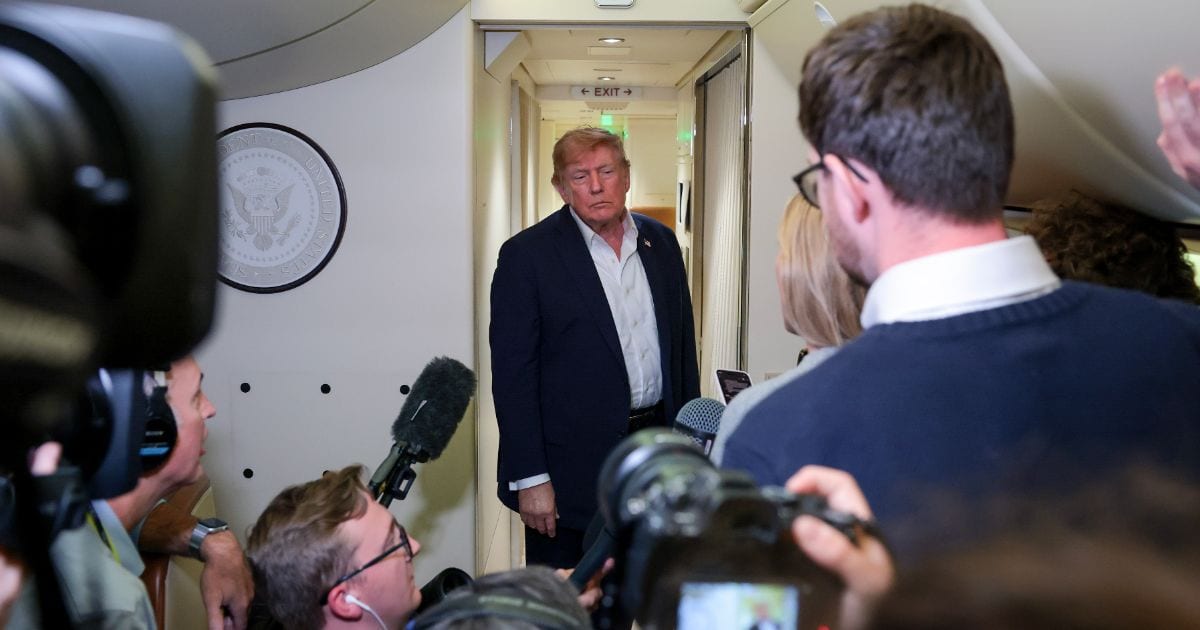
WASHINGTON, DC: President Donald Trump was asked which country is toughest for him to deal with, setting up an unexpected comparison between three countries.
Trump said he had been asked whether China or Vietnam was the toughest to deal with before explaining why he considered another country more difficult.
He made the remarks on Wednesday, September 2, while answering reporters’ questions at the White House during a meeting with travel executives.
Amid the U.S.-Canada trade war, President Trump said Wednesday that Canada, not China, is the toughest country for the U.S. to deal with on trade, saying the longtime U.S. ally “has felt emboldened.”
— CBS News (@CBSNews) September 2, 2026
“A lot of people say, ‘Who's the toughest one to deal with? Is it China, sir?’… pic.twitter.com/LAVTHfHRJh
Trump puts neighboring country ahead of China
Trump said people had asked him, “Who’s the toughest one to deal with? Is it China, sir? Is it China? Is it Vietnam?” He answered, “No, actually, it’s Canada.”
“Canada has felt emboldened. They had presidents that didn’t know what was happening. Not only the last one, all of them,” he added.
Trump tied his answer to his broader complaint that the United States has been disadvantaged in its relationship with Canada.
He said, “We lost anywhere from 60 to 100 billion dollars with Canada,” describing those losses as something the United States has traditionally experienced over the last 15 years.
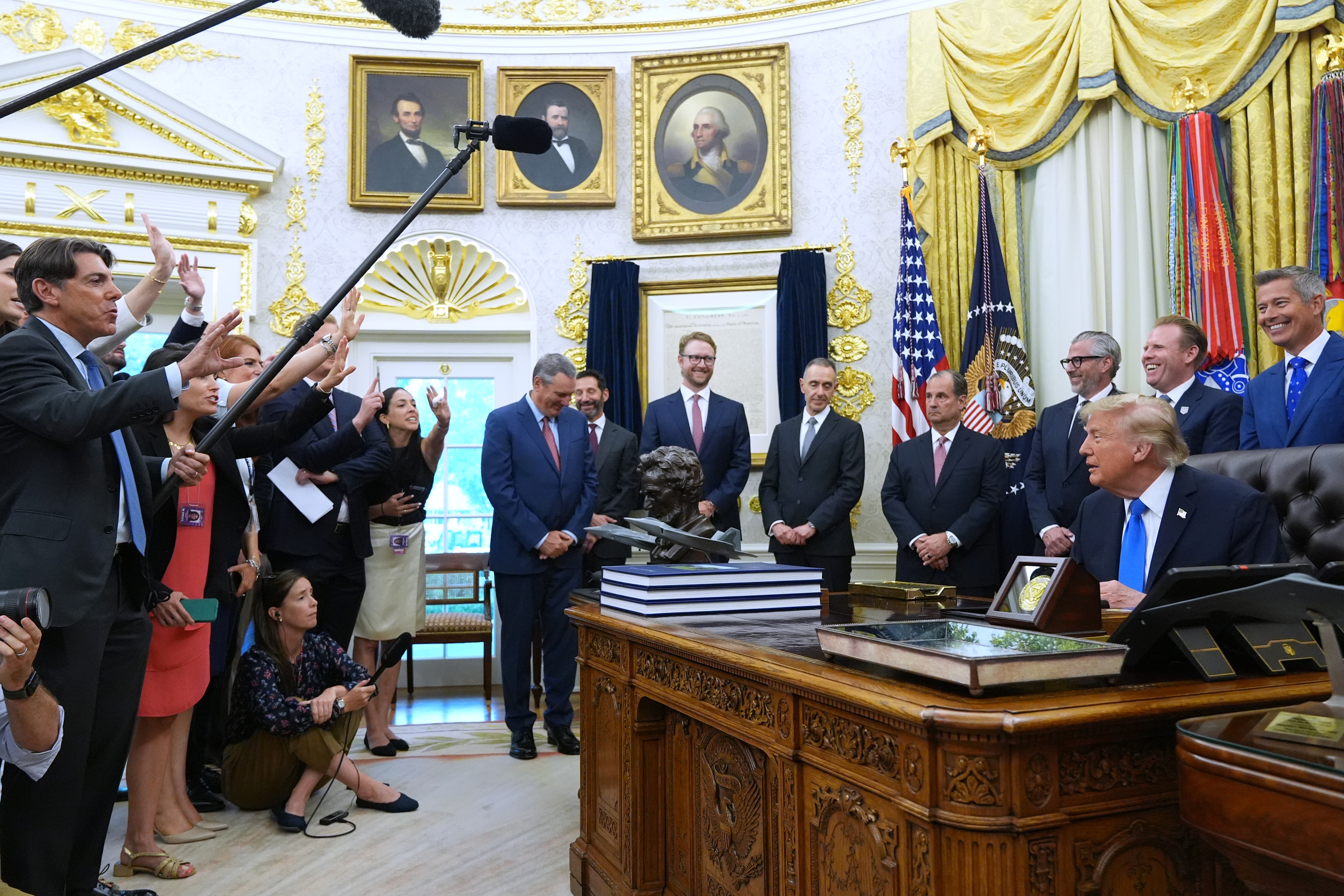
President Trump uses Gulfstream dispute as example
Trump cited a dispute involving Gulfstream as an example of what he called Canada’s treatment of American businesses.
According to Trump, a friend trying to buy a Gulfstream jet told him Canada would not certify the aircraft, while Bombardier, a Canadian competitor, was able to operate in the US market.
President Trump said the certification issue had continued for about nine years.
The Gulfstream executive, Trump said, told him, “Sir, I’ve spent $60 million trying to get certified in Canada. I can’t get certified in Canada. They won’t do it.”
Trump said he responded by threatening tariffs on Bombardier and other Canadian products until Gulfstream was certified.
He said the aircraft received certification shortly afterward.
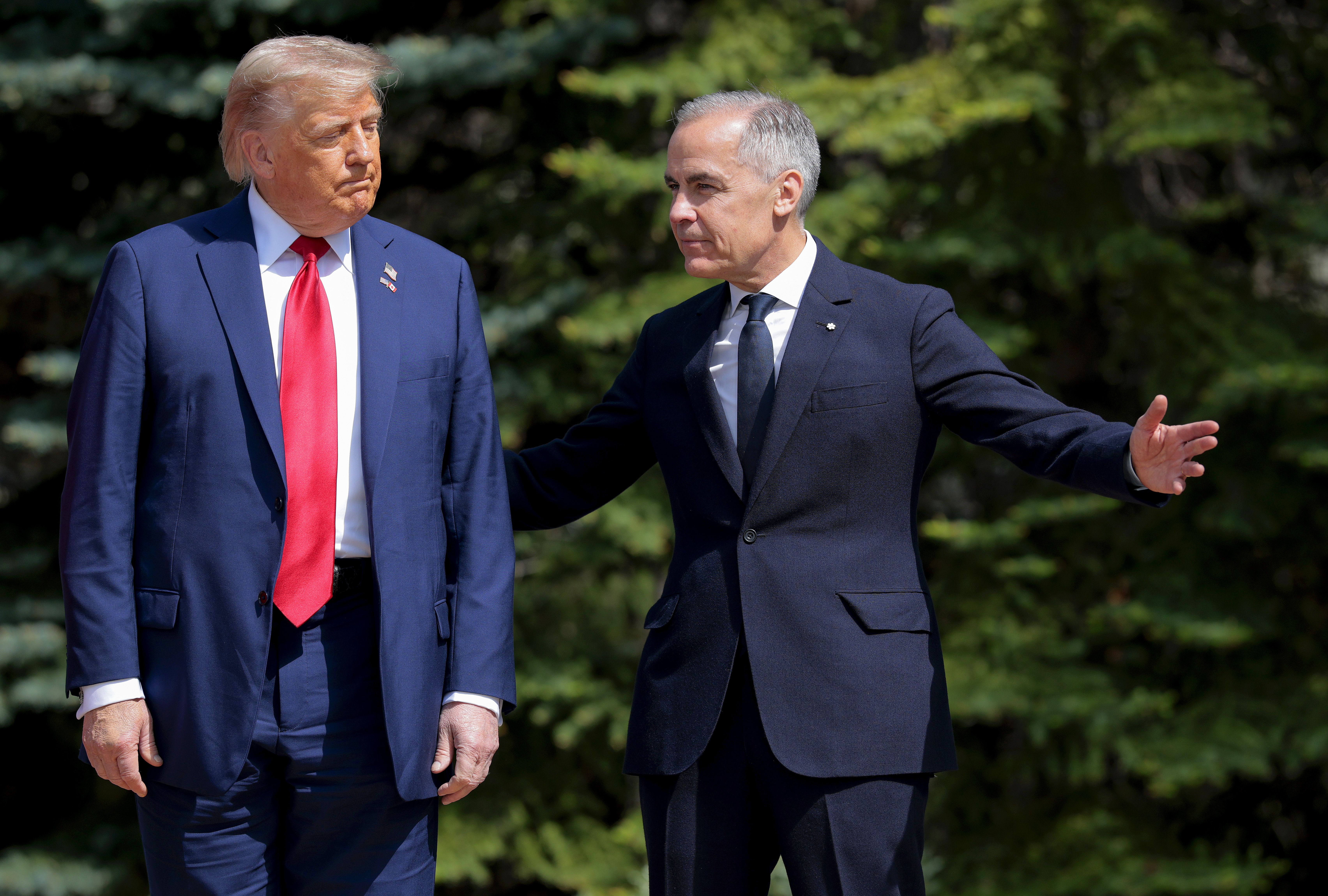
“They got certified in two hours,” Trump said, adding that he received a call from the Canadian prime minister asking, “What seems to be the problem?”
Trump said he explained that the problem was the nine-year delay in certifying Gulfstream and argued that Canadian restrictions were unfair because Bombardier could sell in the United States.
Canada has taken advantage of the US for years, Trump says
Trump broadened the complaint beyond the aircraft dispute, saying Canada had taken advantage of the United States for years and arguing that American leaders should have responded more aggressively.
He said Canada “took 20% of our car industry out” and argued that tariffs could have discouraged companies from moving production across the border.
Trump said he wants more cars built in Detroit, South Carolina, and Tennessee.
He disputed the idea that the United States needs Canadian goods to the same extent that Canada needs access to the American market.
“They need us; we don’t need them,” Trump said. “They’ve taken advantage of us for years, and it’s time to stop.”
President Trump explains to reporters why he's ending Canada's free ride:
— Julia 🇺🇸 (@Jules31415) September 2, 2026
"Canada's been ripping off the United States for many, many years, for decades—many decades. We lost anywhere from $60-100 billion with Canada...It's a very unfair deal." pic.twitter.com/2PFacwdvOy
Trump said the United States could stop doing business with Canada if the trade imbalance continued, while also arguing that tariffs could pressure Canadian industries.
His remarks came as he was asked about renewed US-Canada trade talks and whether Canadian tourism to the United States had declined.
Trump did not say whether new talks were planned, instead using the question to lay out his broader grievances with Canada.