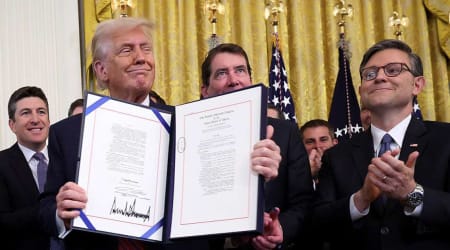
Trump panel greenlights $400M ballroom despite a court order, with just one member voting no
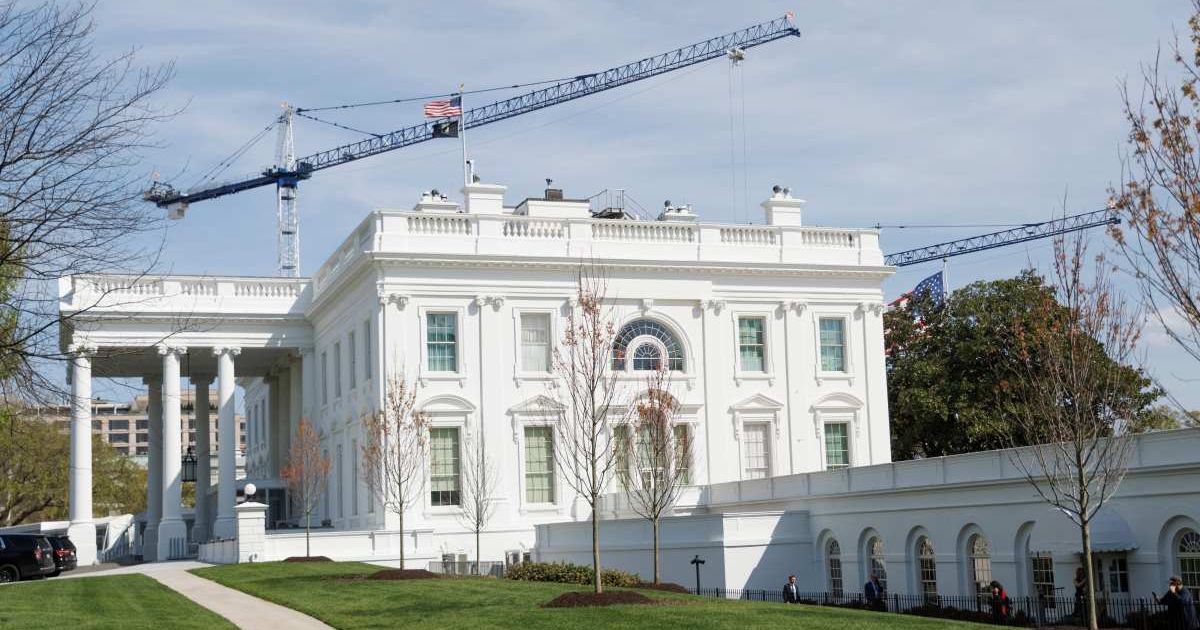
WASHINGTON, DC: A federal planning body led by Trump appointees has approved President Donald Trump's controversial proposal to construct a large ballroom at the White House, despite a wave of public opposition and concerns from some officials.
The National Capital Planning Commission voted in favor of the project on Thursday, April 2, with only one member, DC Council Chairman Phil Mendelson, opposing the plan, citing its scale as excessive. Several others abstained.
Commission Chair Will Scharf defended the decision, saying many public objections fell outside the panel’s mandate, focusing instead on issues such as funding and broader political concerns.
He stressed that the commission’s role was limited to planning considerations, not broader debates over the project’s necessity or symbolism.
Legal setback clouds future of construction
The approval comes even as the project faces a significant legal challenge.
A federal judge recently issued a temporary order halting construction and further demolition work tied to the East Wing, siding with arguments from preservationists that the president may lack the authority to unilaterally pursue such a major structural change.
The ruling marked a major hurdle for the administration, raising questions about whether the ambitious $400 million project can proceed as planned.
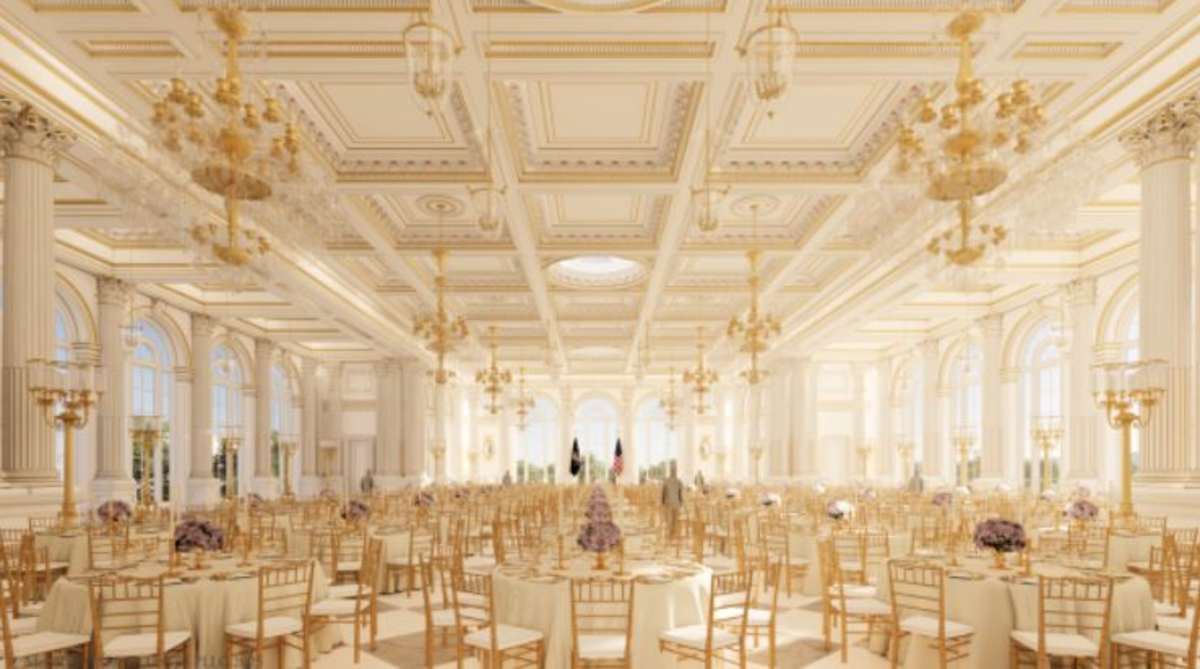
Trump, however, has continued to defend the ballroom, describing it as a landmark addition that would host large-scale events and visiting dignitaries, and insisting it is progressing efficiently and under budget.
Concerns over scale, design and historical impact
Critics argue the proposed ballroom, spanning roughly 90,000 square feet and designed to accommodate up to 1,000 guests, would dramatically alter the character and balance of the White House complex.
Preservation advocates warn it could disrupt the historic symmetry of the executive mansion and undermine its architectural heritage.
Alternative proposals presented by heritage groups suggest a smaller, less intrusive design could meet functional needs while preserving the site’s historic integrity.

They have urged planners to consider modifications that reduce the building’s height and footprint, while maintaining its capacity and respecting the visual and symbolic connection between the White House and the Capitol.
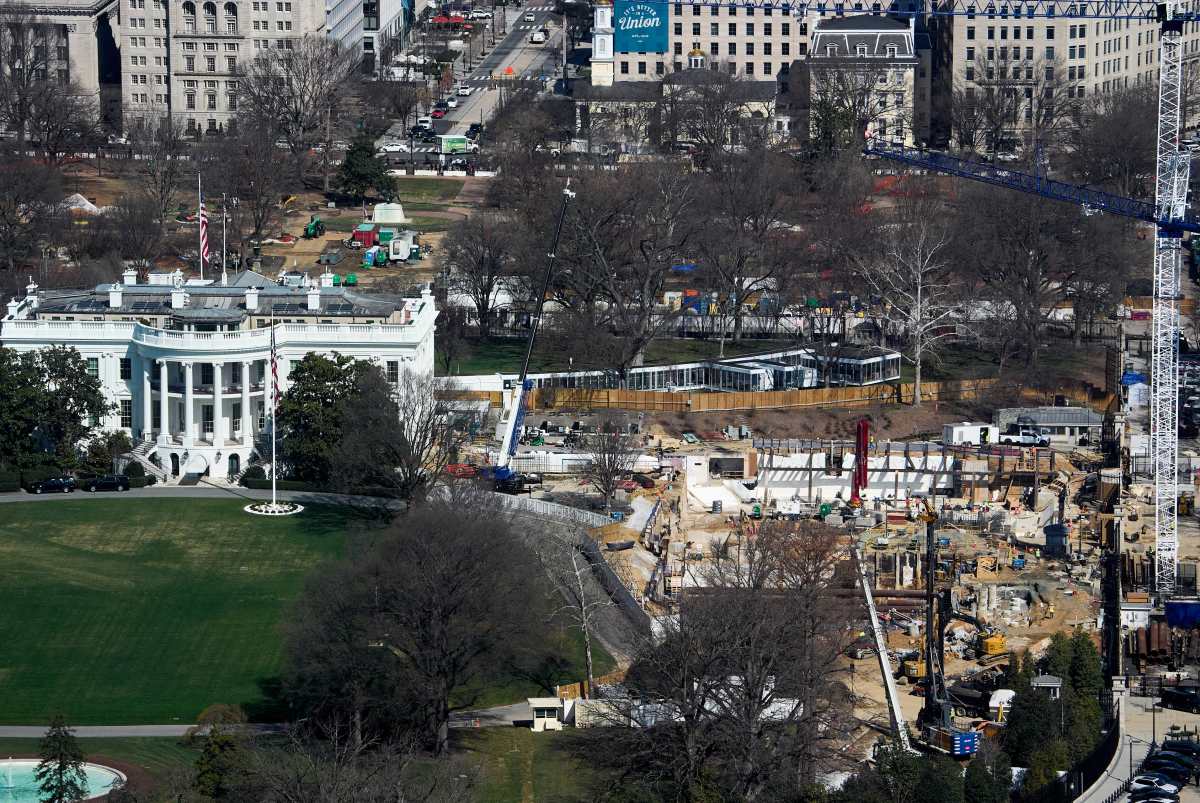
The project has also drawn scrutiny over earlier demolition work on the East Wing and reports of additional underground construction, adding to the controversy surrounding one of the most ambitious proposed changes to the White House in modern history.