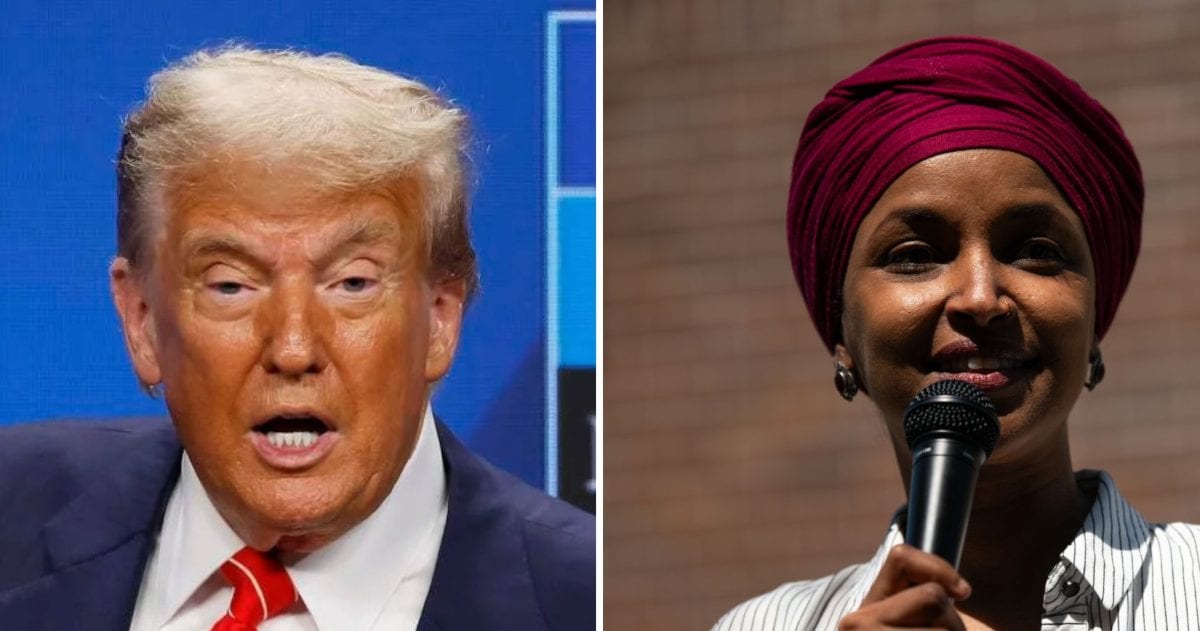
Trump presses Putin for Ukraine peace in hourlong call as Russia denies aggressive Europe plans
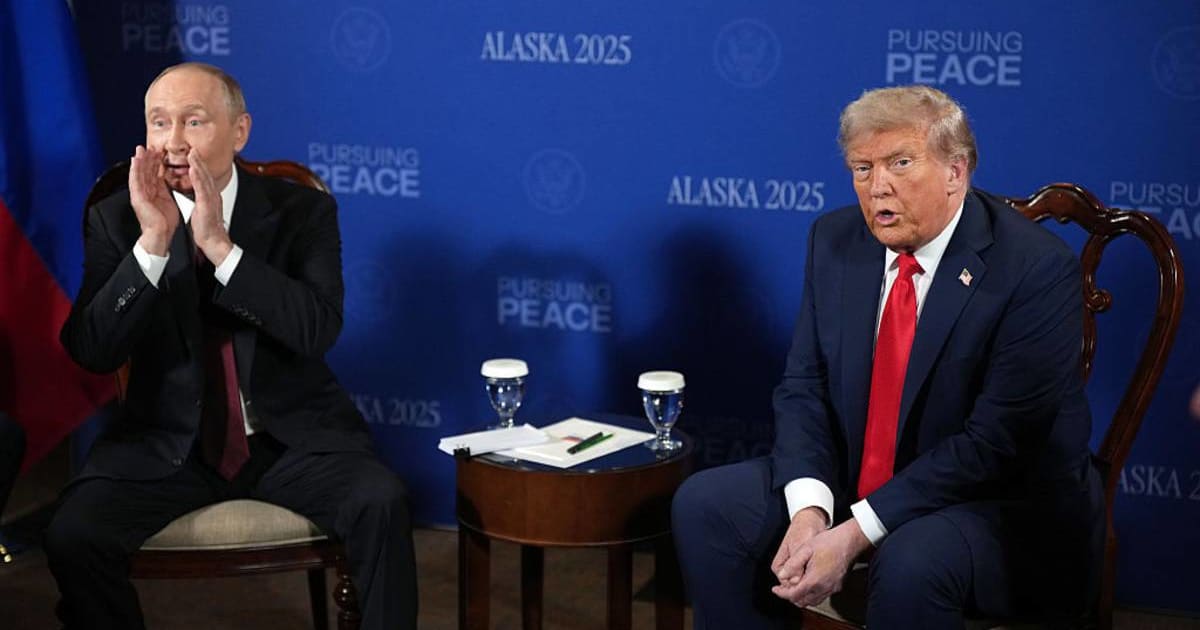
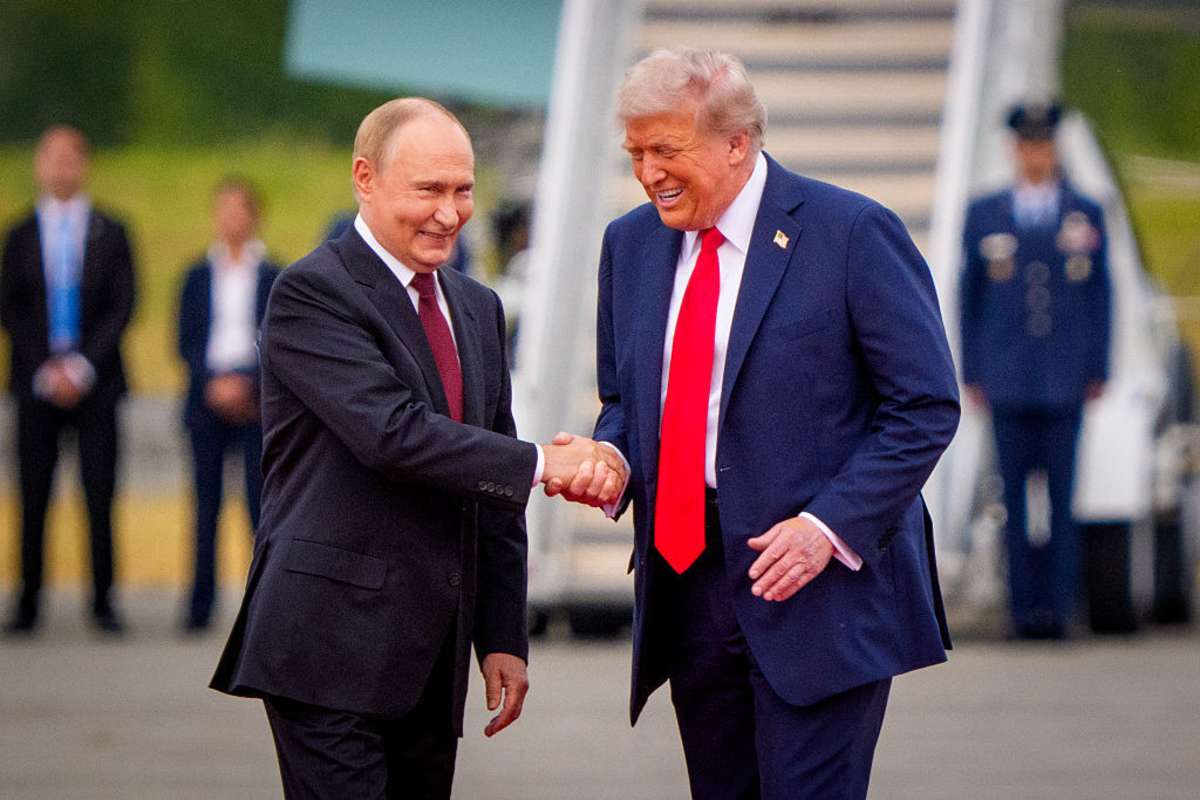
WASHINGTON, DC: President Donald Trump told Vladimir Putin in an hourlong phone call Tuesday, September 8, that Russia must quickly end its war in Ukraine.
The Russian leader further assured Trump that Moscow has no aggressive intentions toward the rest of Europe, Kremlin foreign policy adviser Yuri Ushakov said.
Ushakov added that Trump emphasized the “enormous benefits” of developing US-Russian trade and economic ties. The White House did not immediately confirm that Putin and Trump spoke by phone.
Trump-Putin call described as constructive and frank
Ushakov described the call as "constructive and quite frank," telling reporters that "Donald Trump clearly conveyed the idea that an early end to the conflict would be desirable."
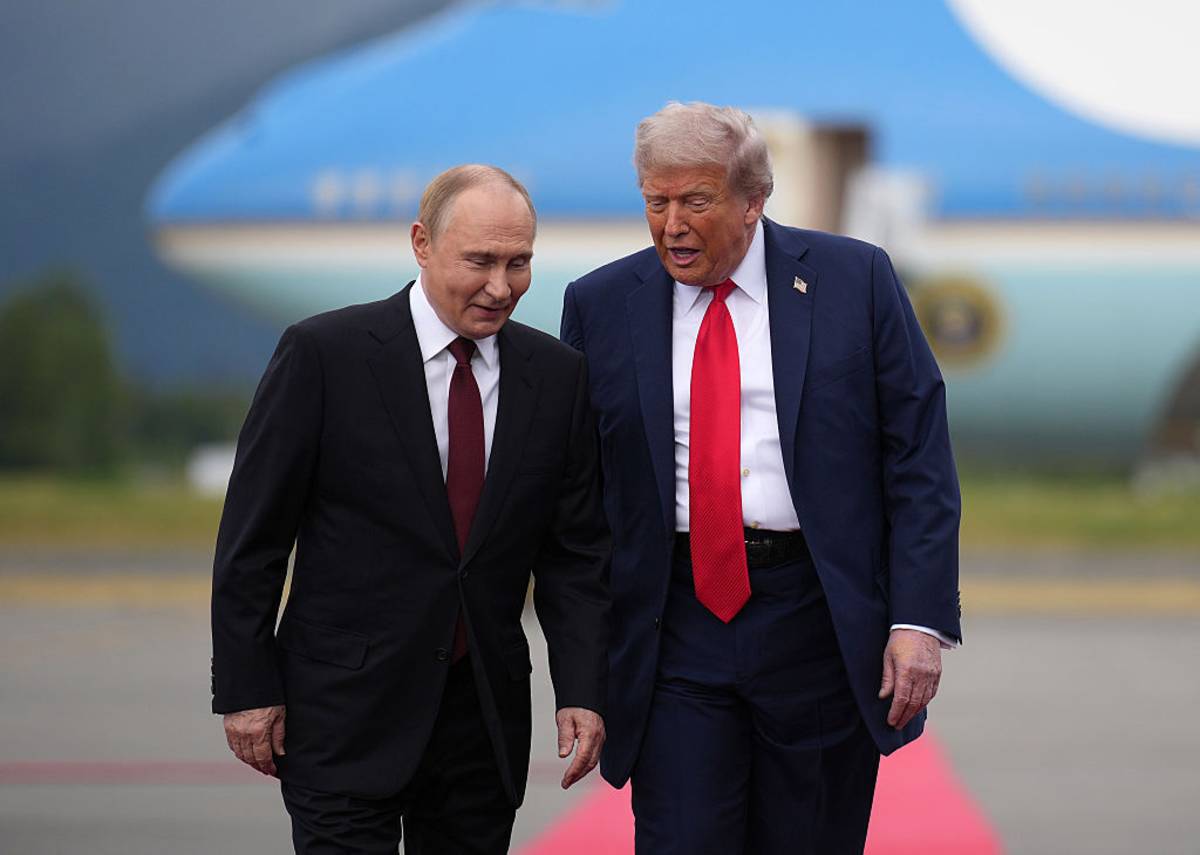
Trump was said to have pitched the idea, which Ushakov claimed Putin supports, as a way to “immediately open impressive and large-scale prospects for the full restoration” of US-Russian relations.
“Donald Trump is interested in achieving a breakthrough during his presidency,” he said.
Putin denies Russia has hostile plans for Europe
Ushakov told reporters that "in view of the speculation about Russia's alleged hostile intentions toward European countries, it was underlined that we don't have any aggressive plans regarding Europe."
Putin, for his part, used the call to push back on recent accusations from European officials linking Russia to a wave of sabotage incidents across the continent.
This assurance flies in the face of recent European assessments, including last week's assertion by the German government that Russia was behind an attempted drone attack involving explosives at Leipzig/Halle Airport in August.
Ushakov also said Putin gave Trump a “objective and detailed analysis” of the battlefield situation and Russia’s plans to keep pursuing what Moscow calls its “special military operation” rather than a war, while still asserting that Putin remains open to a peaceful resolution.
Trump-Putin talks yield no Ukraine breakthrough
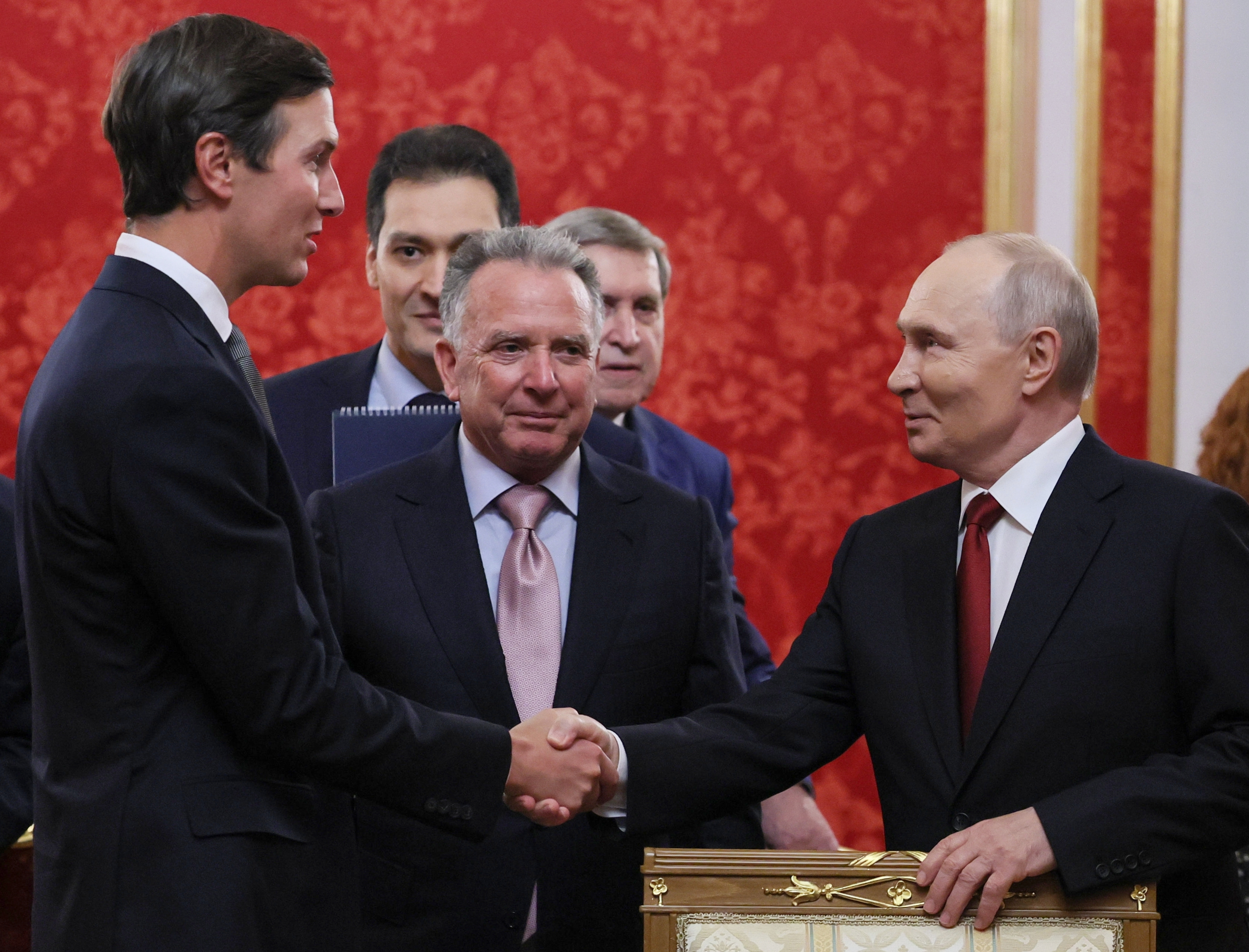
The call came after weekend trips to Moscow and Kyiv by US envoys Jared Kushner and Steve Witkoff that did not produce a clear breakthrough, with both Russia and Ukraine resuming deadly strikes shortly after a brief wartime truce covering the American visitors’ stay expired.
Seven people died and 28 were wounded in the Kyiv region as a consequence of the attacks, while in areas controlled by Russia, three people died and 13 were wounded.
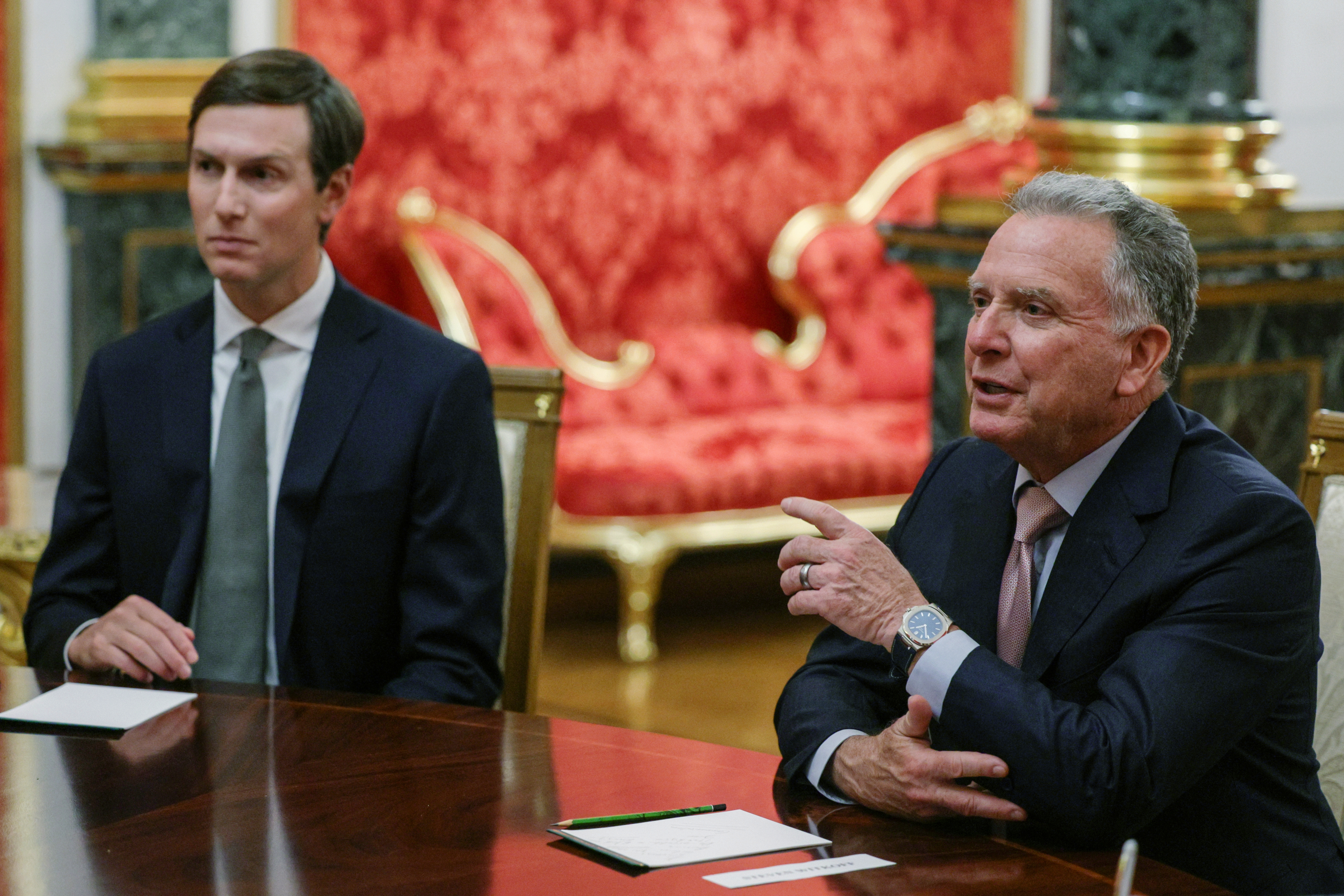
Ukrainian President Volodymyr Zelenskyy said some of the ideas raised by Kushner were “very good, worthwhile,” though he would not publicly detail them.
He said he hopes to meet Trump around September 20, about the same time as the UN General Assembly in New York, where Putin is not expected to show up.
Putin has sought to portray Russia as negotiating from a position of strength.
But European officials and Western analysts say its bigger army is unable to make significant progress on the 1,250-kilometer (800-mile) front line, where it is pushing to capture the Donetsk region of eastern Ukraine, part of its industrial heartland.
"Russian forces will not seize Donetsk, until 2032 at their current rate of advance, if they can seize it at all," the Institute for the Study of War, a Washington-based think tank, said Sunday, September 6.
"The Russian rate of advance has slowed significantly across the theater since 2025, when Russia's rate of advance had already begun to slow."