Trump privately urges Netanyahu to withdraw troops from parts of Syria, Lebanon: Report
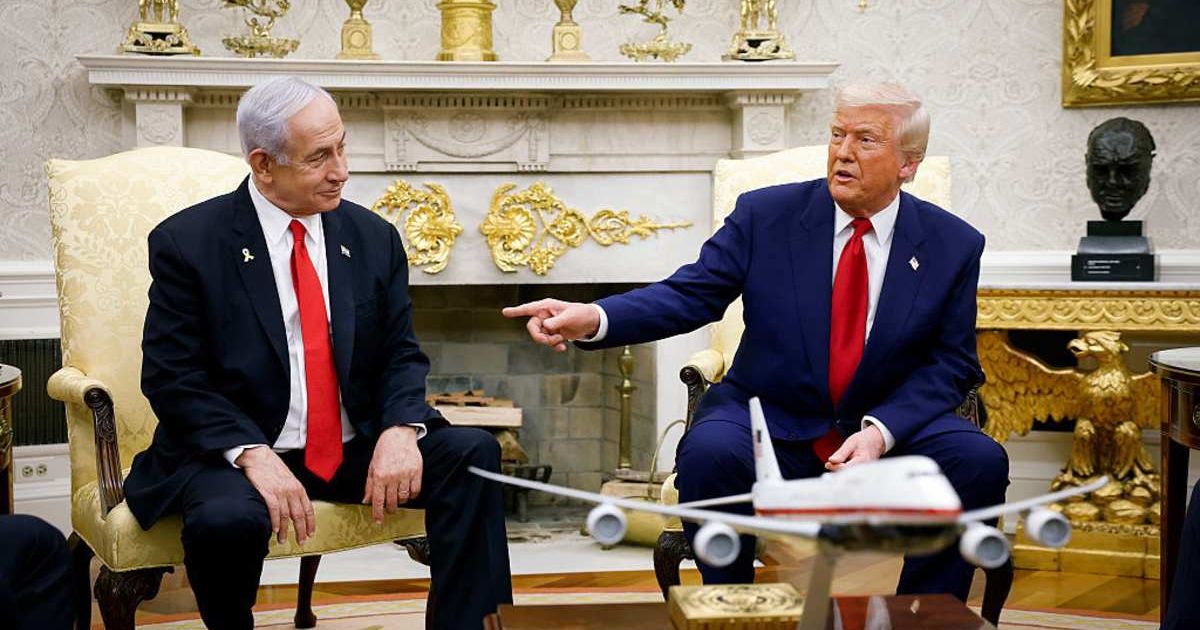
The president urged Israel to begin redeploying forces, warning that a prolonged military presence in neighboring territories could inflame tensions
Netanyahu defended Israel's need for border security zones, highlighting growing differences over military deployments. (Kevin Dietsch/Getty Images)

WASHINGTON, DC: President Donald Trump has privately urged Israeli Prime Minister Benjamin Netanyahu to begin withdrawing Israeli troops from parts of Syria and Lebanon, according to an Axios report citing US and Israeli officials.

The reported conversation marks one of the clearest signs yet of disagreement between the two leaders over Israel's military posture following the October 7 attacks. Trump reportedly warned that Israel's continued presence in Syrian territory risks fueling further regional tensions and told Netanyahu it was time to "redeploy." 
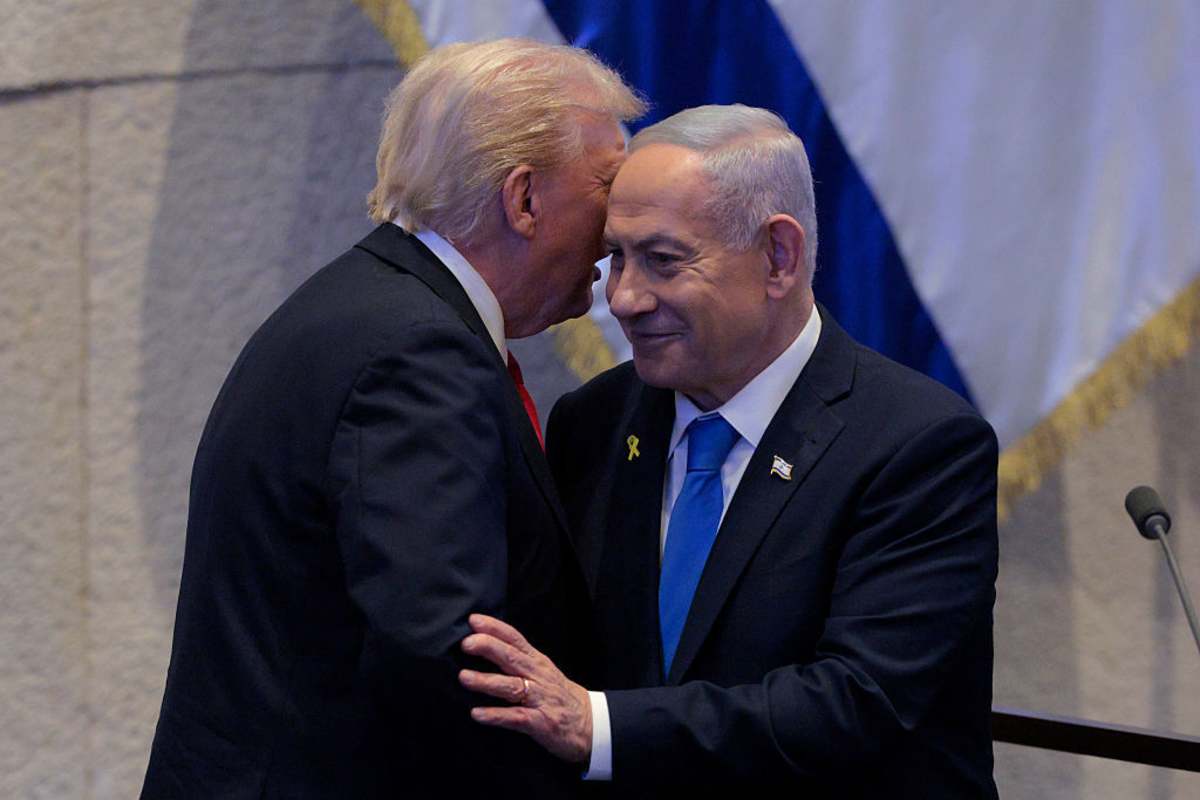
U.S. President Donald Trump Israeli and Prime Minister Benjamin Netanyahu interact after Netanyahu addressed the Knesset on October 13, 2025 in Jerusalem. President Trump is visiting the country hours after Hamas released some of the remaining Israeli hostages captured on Oct. 7, 2023, part of a US-brokered ceasefire deal to end the war in the Gaza Strip. (Chip Somodevilla/Getty Images)
The reported conversation focused on Israel's military presence in two neighboring territories as Washington pursues a broader regional security strategy. (Chip Somodevilla/Getty Images)

The call comes as the Trump administration pursues new security arrangements with Syria and Lebanon while seeking to reduce the chances of another regional conflict. 

Trump pushes Israel for redeployment

According to US officials familiar with the call, Trump told Netanyahu that Israel's continued military presence in southern Syria was creating unnecessary tensions.

"They don't want you there. You should redeploy," Trump reportedly told the Israeli leader, adding that similar concerns applied to southern Lebanon.
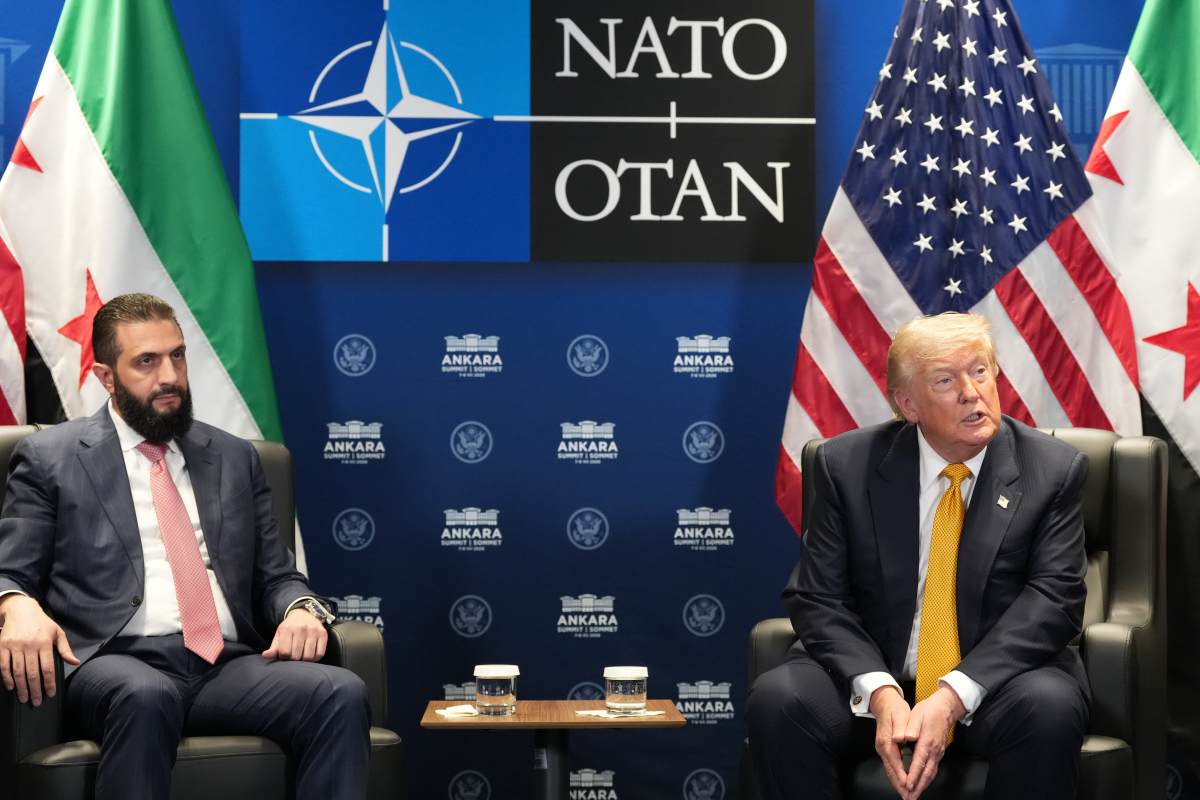
U.S. President Donald Trump meets with Syrian President Ahmad al-Sharaa on the sidelines of the NATO summit in Ankara, Turkey, Wednesday, July 8, 2026. (AP Photo/Alex Brandon)
The reported call came shortly after Trump's meeting with Syria's new leadership, adding fresh context to Washington's diplomatic efforts. (AP Photo/Alex Brandon)

The phone call came one day after Trump met Syrian President Ahmad al-Sharaa on the sidelines of the NATO summit in Turkey. For months, the administration has explored a broader regional security framework that would eventually see Israel scale back the territory it has occupied since the collapse of Bashar al-Assad's government in late 2024.

The White House declined to comment on the reported conversation but did not dispute its substance.

Netanyahu cites border security

Netanyahu, however, defended Israel's current military deployments, arguing that security buffer zones remain necessary to prevent future cross-border attacks similar to Hamas' October 7 assault.

According to the Israeli Prime Minister's Office, Netanyahu stressed Israel's continuing need for security zones along its northern frontiers.
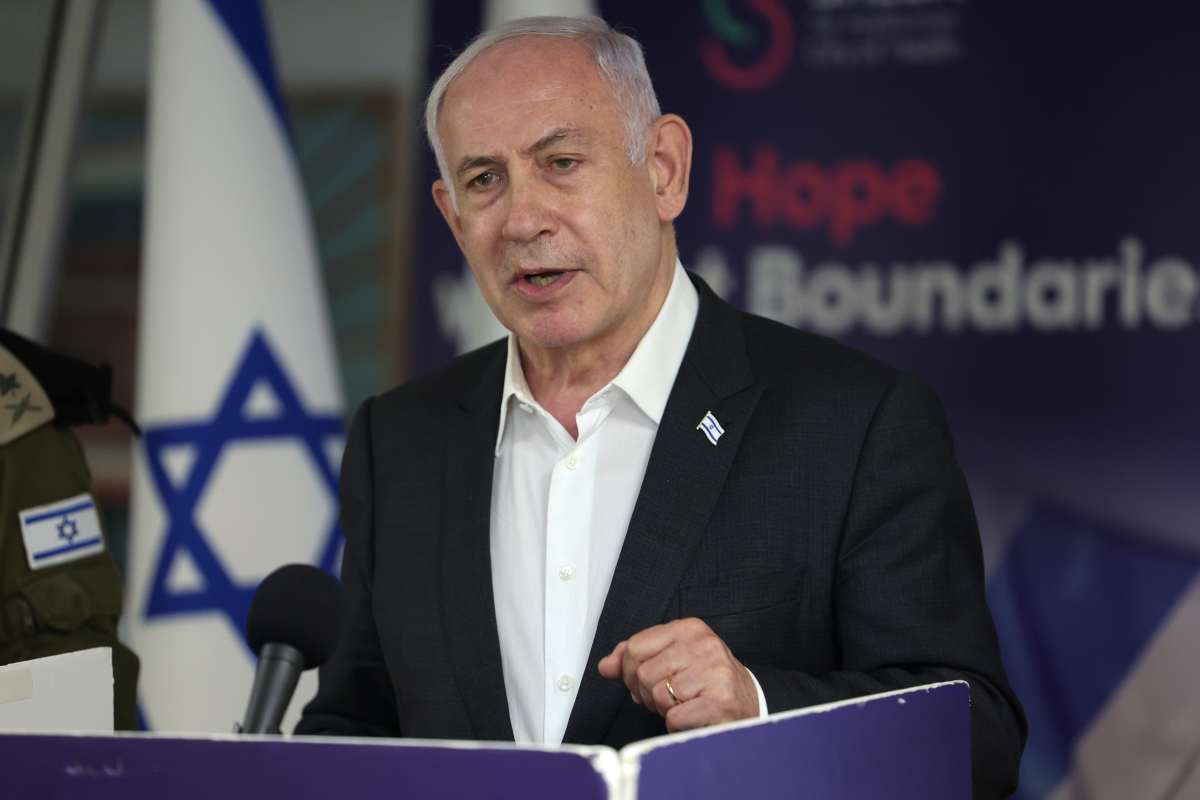
RAMAT GAN, ISRAEL - JUNE 8: Israeli Prime Minister Benjamin Netanyahu speaks during a press conference at the Sheba Tel-HaShomer Medical Centre on June 8, 2024 in Ramat Gan, Israel. Earlier today, the country's military announced the rescue of four hostages kidnapped by Palestinian militants on Oct. 7 - Noa Argamani, Almog Meir Jan, Andrey Kozlov and Shlomi Ziv - and since held in Gaza. Around 120 other Israeli hostages are said to remain in Gaza, but it's unclear how many are alive. (Photo by Jack Guez -Pool/Getty Images)
Netanyahu argued that security zones remain essential to prevent future cross-border attacks against Israel. (Jack Guez -Pool/Getty Images)

Senior members of Israel's governing coalition have also advocated maintaining a long-term military presence in parts of southern Syria and southern Lebanon, with some even supporting permanent Israeli civilian communities in those areas.

Those positions have complicated Washington's efforts to negotiate broader regional understandings following recent diplomatic outreach to Syria.

Lebanon talks add pressure on Israel 

Trump's request also comes as US mediators continue efforts to implement a separate security framework between Israel and Lebanon.

Earlier this week, American officials met Israeli and Lebanese representatives in Rome to discuss Israel's planned withdrawal from two designated areas in southern Lebanon. Under the agreement, Israeli forces would redeploy while the Lebanese military assumes responsibility for security. 
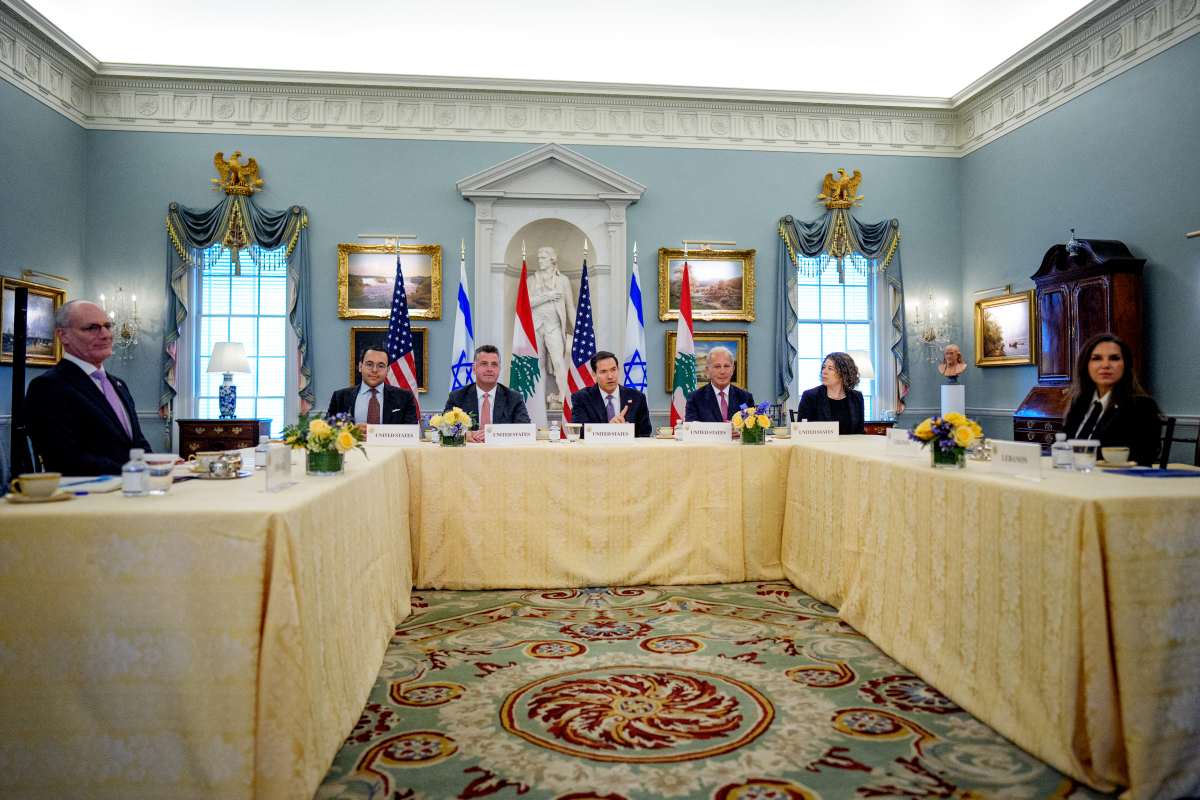
WASHINGTON, DC - APRIL 14: U.S. Secretary of State Marco Rubio (C), accompanied by U.S. State Department Counselor Michael Needham (C-L), U.S. Ambassador to Lebanon Michel Issa (C-R), Lebanese Ambassador to the U.S. Nada Hamadeh Moawad (R) and Israeli Ambassador to the U.S. Yechiel Leiter (L), speaks at the start of working-level peace talks at the U.S. State Department on April 14, 2026 in Washington, DC. In their first direct diplomatic talks in more than 30 years, Lebanon and Israel are preparing negotiations to potentially end Israel's conflict with the Lebanese militia Hezbollah. (Photo by Andrew Harnik/Getty Images)
Parallel negotiations over southern Lebanon have added another layer to the growing diplomatic push for Israeli redeployments. (Photo by Andrew Harnik/Getty Images)

Israeli officials have maintained that any further withdrawals depend on confirming Hezbollah no longer maintains weapons or military infrastructure in those locations. Lebanese officials, meanwhile, argue that independent US monitors, not Israel, should determine whether those conditions have been met.

With negotiations underway on multiple fronts, Trump's latest intervention signals a growing effort by his administration to encourage military de-escalation while balancing Israel's security concerns against broader US objectives for regional stability.
RELATED TOPICS US STRIKES IRAN

GET BREAKING U.S. NEWS & POLITICAL UPDATES
STRAIGHT TO YOUR INBOX.

MORE STORIES

Marjorie Taylor Greene criticized the administration for not fully releasing the Epstein files, calling it one of the unresolved demands of the public
1 hour ago
Karoline Leavitt and Pentagon spokesman Sean Parnell dismissed the report as 'fake news,' insisting Trump maintains full confidence in Pete Hegseth
2 hours ago
JD Vance defended the Trump administration's Iran strategy, saying negotiations with Tehran have faced setbacks but remain focused on a deal
3 hours ago
Ted Cruz claimed the Muslim Brotherhood still operates in the US, citing groups linked to the former Holy Land Foundation investigation
4 hours ago
Donald Trump questioned Abdul El-Sayed's views on Israel and Jewish safety while reviving election fraud claims in Detroit
6 hours ago
The response came days after Greene declared that she, Carlson and two other former Trump allies had launched a new 'America First' movement
10 hours ago
The Qatari-gifted jet, nicknamed the 'flying palace' for its lavish interior, will serve as a bridge plane until new Boeing 747s arrive in 2028
11 hours ago
'I'm not necessarily holding my breath, but we would want to work with Democrats in Washington to codify the anti-fraud actions', Vance said
12 hours ago
Abdul El-Sayed accused Mike Rogers of using public office for personal gain, claiming he left Congress and 'cashed out' after taking corporate money
14 hours ago
Analysts say rebuilding America's most heavily used missile interceptors could take at least three years
15 hours ago