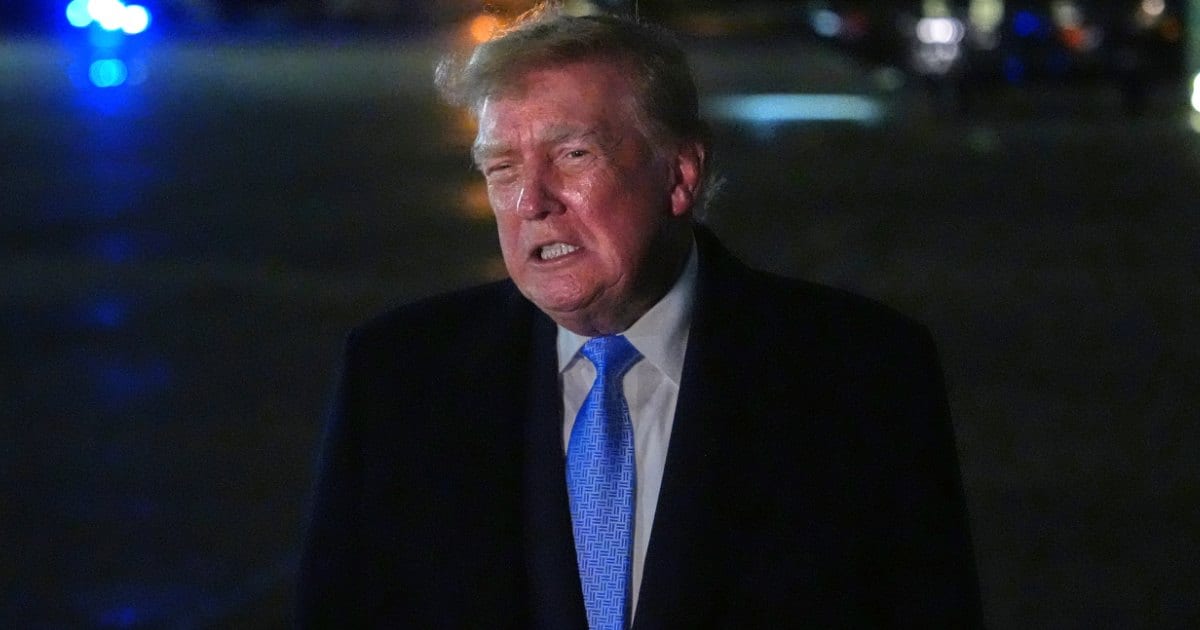
Trump relaxes Hormuz deadline, calls extension 'an eternity' in 'Trump time'
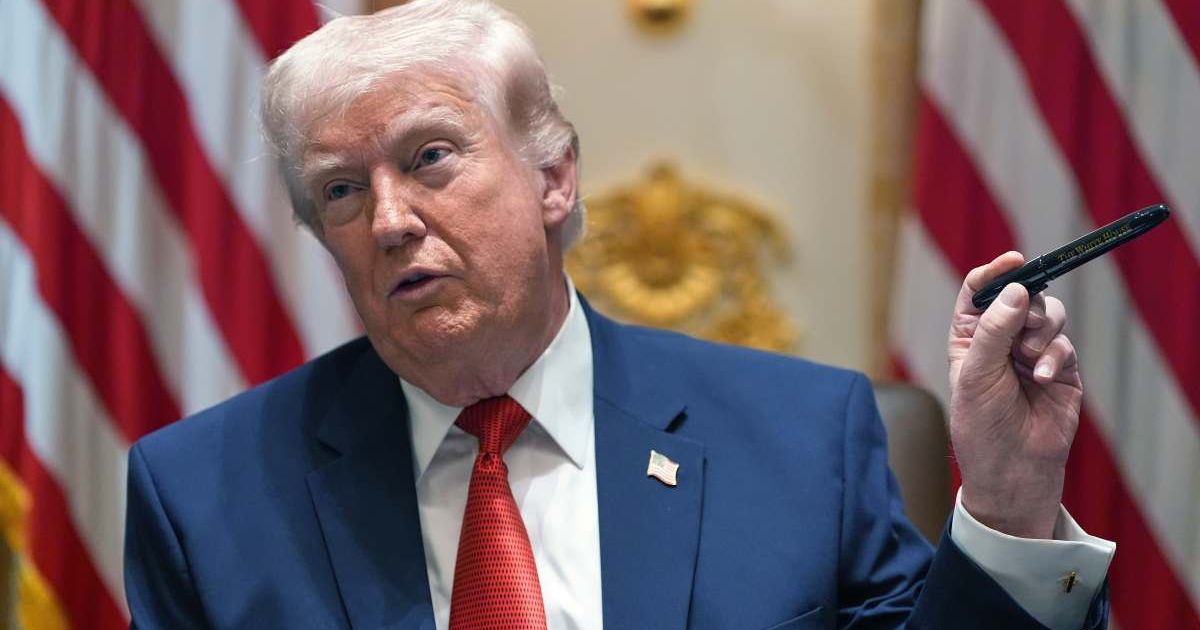
REPORTER: "Mr. President, Is the Friday deadline for Iran is that pushed back now?"
— Fox News (@FoxNews) March 26, 2026
PRESIDENT TRUMP: "I don't know yet... we have a lot of time. You know what? It's a day. In Trump time, a day, you know what it is? That's an eternity." pic.twitter.com/KDqkl3Np9q
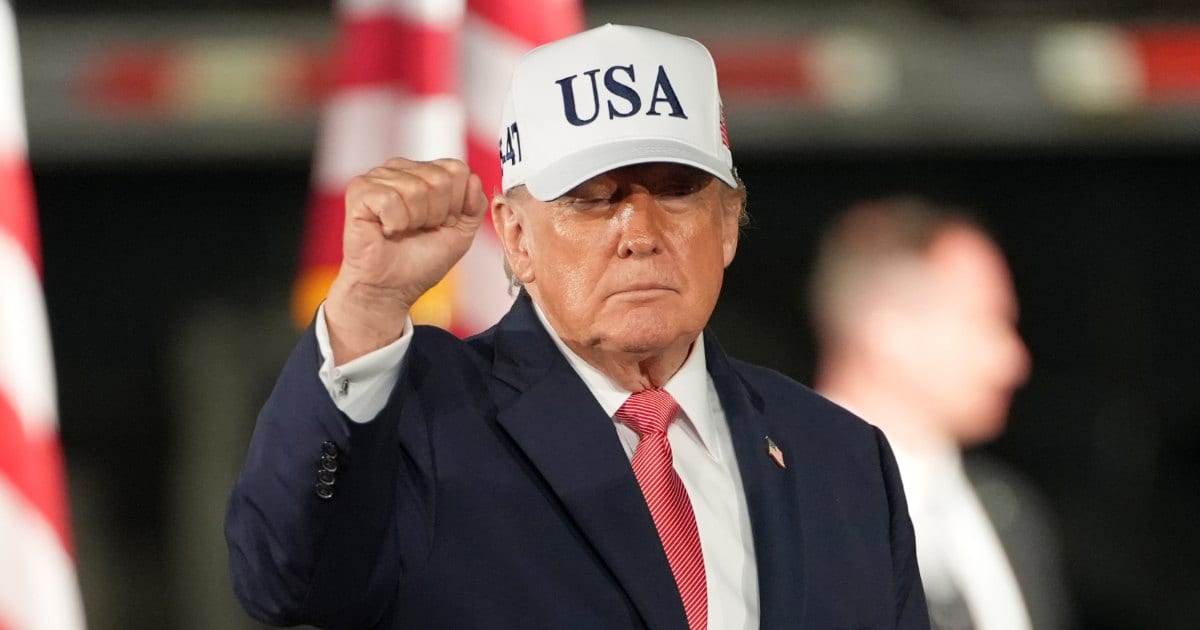
WASHINGTON, DC: President Donald Trump indicated on Thursday, March 26, that he may not strictly enforce a Friday deadline for Iran to reopen the Strait of Hormuz, suggesting the timeline remains fluid amid ongoing negotiations.
“I don’t know yet,” Trump said, adding that he would rely on advice from his negotiating team, including Vice President JD Vance, Special Envoy Steve Witkoff and adviser Jared Kushner. The deadline, initially set earlier in the week, had already been extended once to Friday.
‘Trump time’ comment underscores flexibility
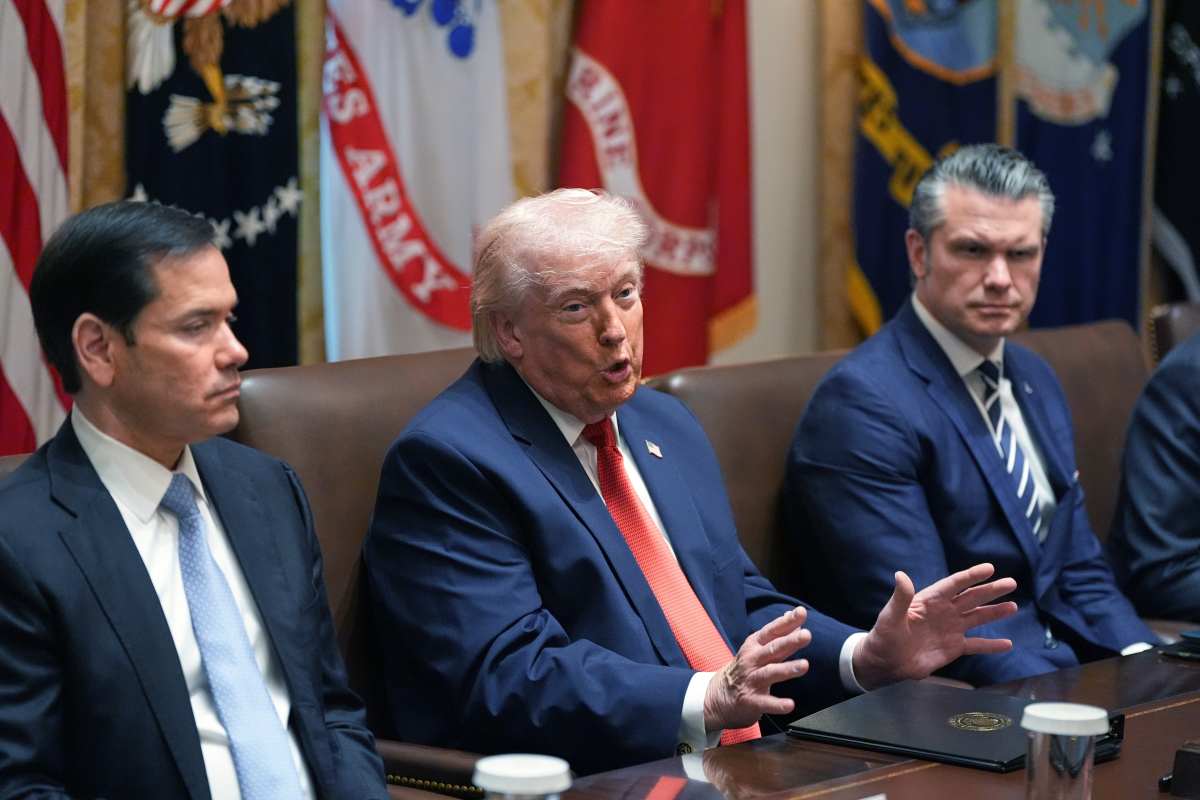
On the eve of the revised deadline, Trump suggested there was still ample room for diplomacy. “We have a lot of time… It’s a day in ‘Trump time’. That’s an eternity,” he said, indicating he may allow further extensions if talks show progress.
Trump revealed that a “present” from Iran, previously hinted at during negotiations, involved the passage of multiple oil tankers through the strait.
He said eight large vessels carrying oil were allowed to pass as a sign of good faith, later adding that two more were sent as an apology for earlier remarks by Iranian officials.
According to Trump, the tankers sailed under Pakistani flags, and their movement demonstrated that Iranian negotiators were serious about reaching a deal.
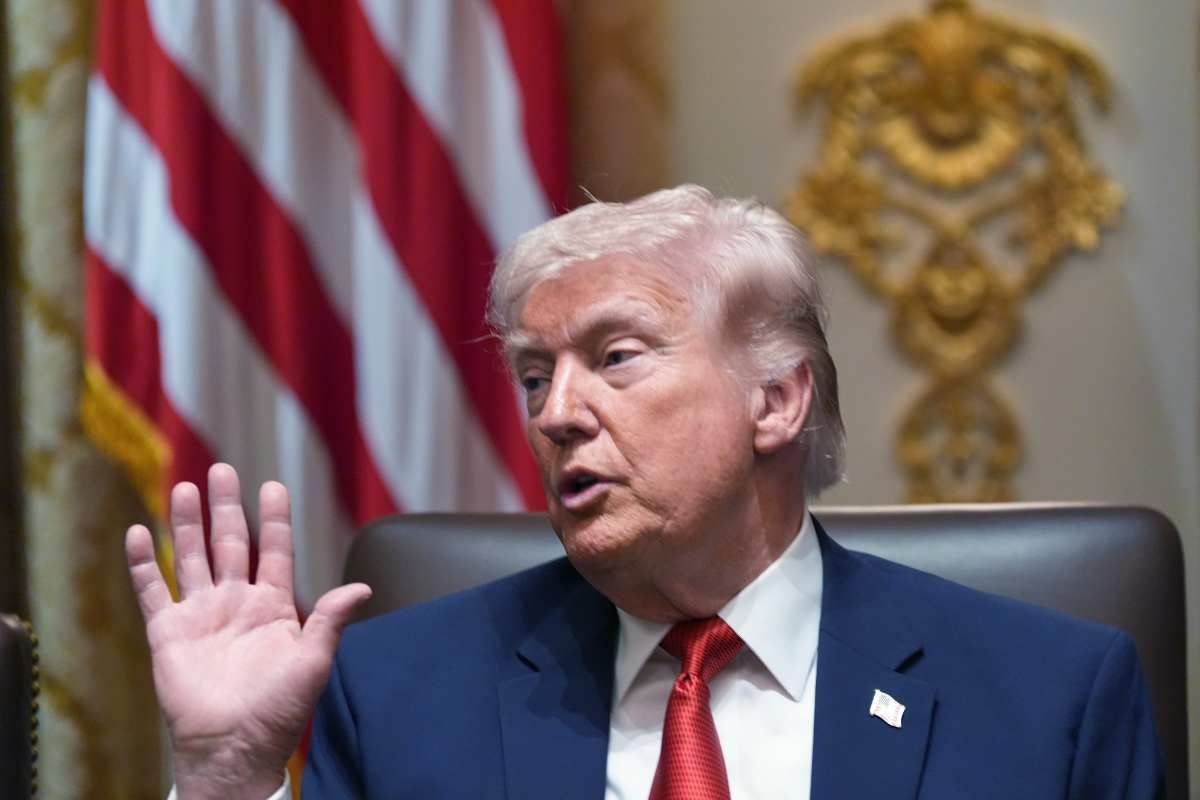
Trump says ‘very substantial talks’ underway
The president said Washington had engaged in “very substantial talks” with Iranian representatives, though he did not identify the officials involved.
He described the tanker movement as evidence that the US was “dealing with the right people,” signaling cautious optimism about the direction of negotiations.
Trump also addressed reports that Iran has been charging vessels for passage through the Strait of Hormuz, a vital corridor for global oil shipments.

“They shouldn’t be able to, but they’re doing it a little bit,” he said, acknowledging Tehran’s growing influence over maritime traffic while stopping short of endorsing the practice.