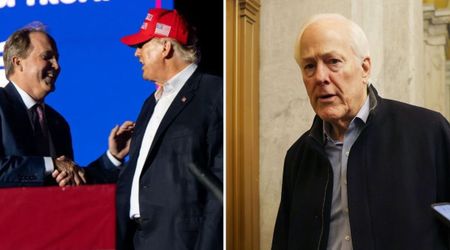
Trump says America now has something Iran can't take back
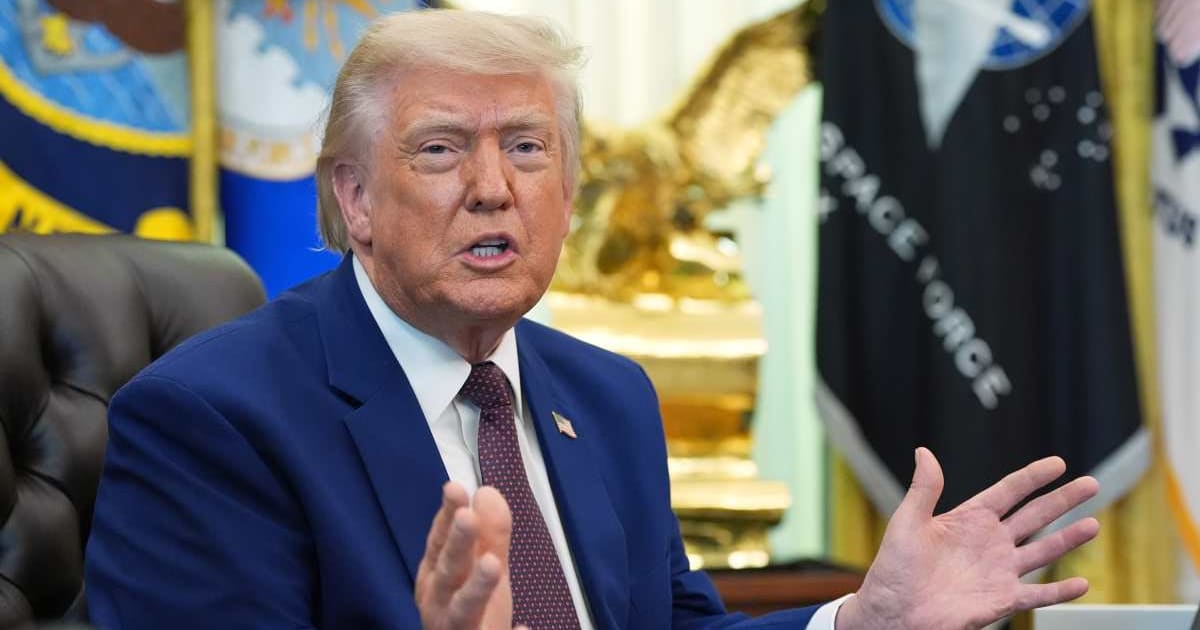
WASHINGTON, DC: President Donald Trump claimed Tuesday, August 12, that the United States has "total control" over the Strait of Hormuz and suggested Washington could continue holding that position as the conflict with Iran enters a new phase.
President Trump issued a new statement on Iran: pic.twitter.com/Gfb3OmELKN
— Trey Yingst (@TreyYingst) August 12, 2026
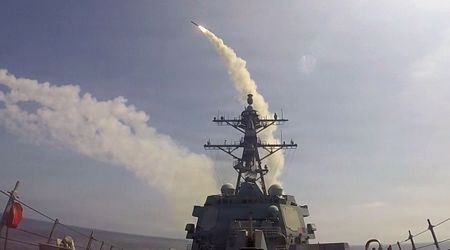
In a Truth Social post, Trump described the US naval blockade as a "wall of steel" and asserted that Iran no longer has the military or financial capability to challenge American operations in the strategic waterway.
He also claimed Iran's armed forces, economy and leadership have been significantly weakened, arguing the United States has gained a decisive advantage in the ongoing confrontation.
Trump claims strategic advantage
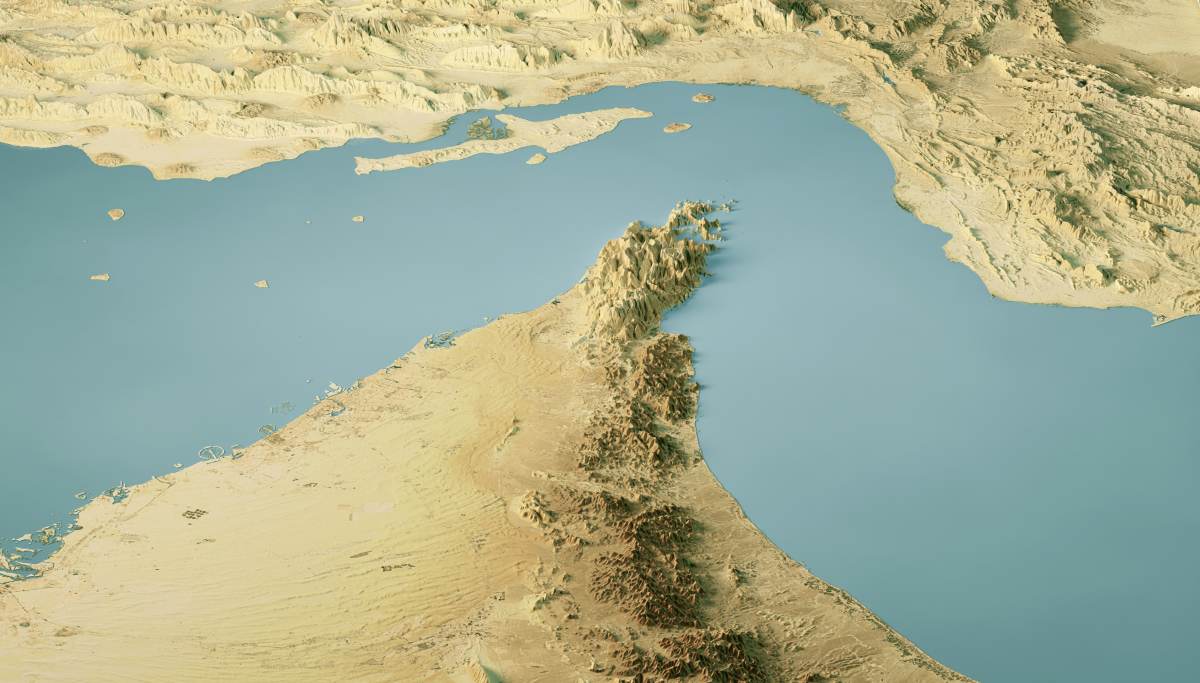
Trump wrote that the United States now has "total control" over the Strait of Hormuz, a narrow maritime corridor connecting the Persian Gulf to the Gulf of Oman through which a significant share of the world's seaborne oil exports passes.
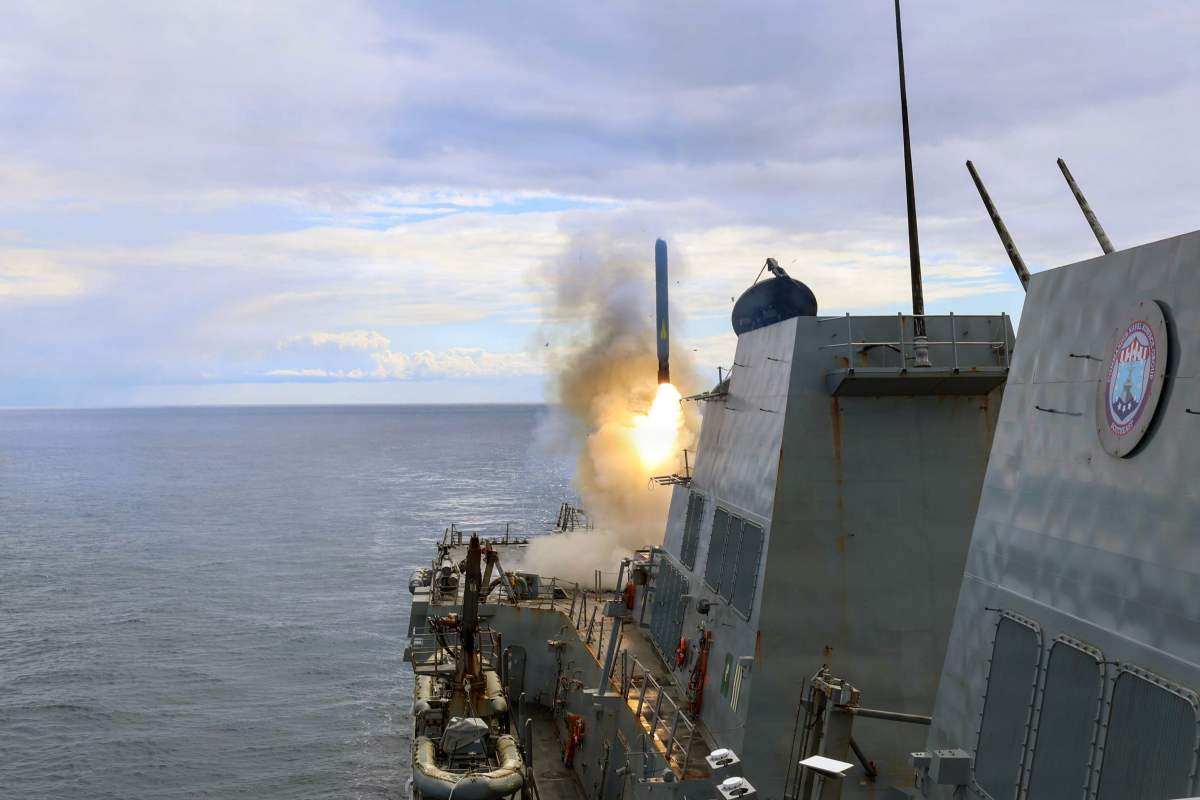
"I THINK WE WILL KEEP IT!" Trump wrote, adding that the US naval blockade had become known as a "wall of steel."
He also claimed Iran "has no Navy," "no Air Force," and that members of the Islamic Revolutionary Guard Corps were "decimated and fleeing," though he did not provide evidence for those assertions.
The president further alleged that Iran's remaining soldiers were unpaid and that the country's leadership faced growing uncertainty.
Economic pressure remains central
Alongside his military claims, Trump argued that Iran's economic situation had deteriorated sharply under continued US pressure.
He said Iran had "no money," described the country's economy as "shot," and claimed inflation had reached 300%.
Trump also asserted that Tehran was relying on what he called "fake news" rather than concrete action, portraying economic pressure as a key element of the administration's broader approach toward Iran.
Hormuz remains globally significant
The Strait of Hormuz connects the Persian Gulf to the Gulf of Oman and is one of the world's busiest maritime routes for oil and liquefied natural gas exports.
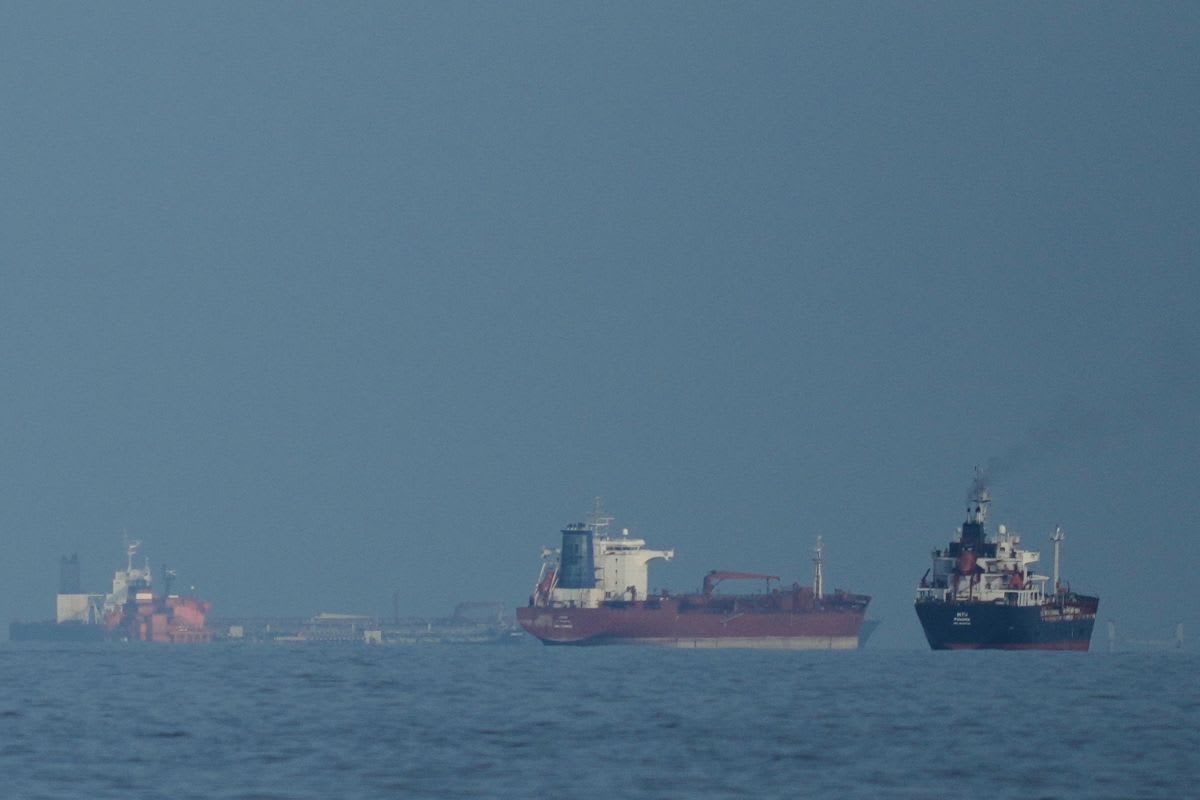
A substantial share of global seaborne crude shipments passes through the narrow waterway each day.
Iran has repeatedly threatened to close or disrupt traffic through the strait during periods of confrontation with the United States and its allies, though commercial shipping has continued.
The US Navy has maintained a long-standing presence in the region to protect freedom of navigation and maritime security.