Trump says he’s ready to send US delegation to Moscow to end ‘madness’ of Ukraine war
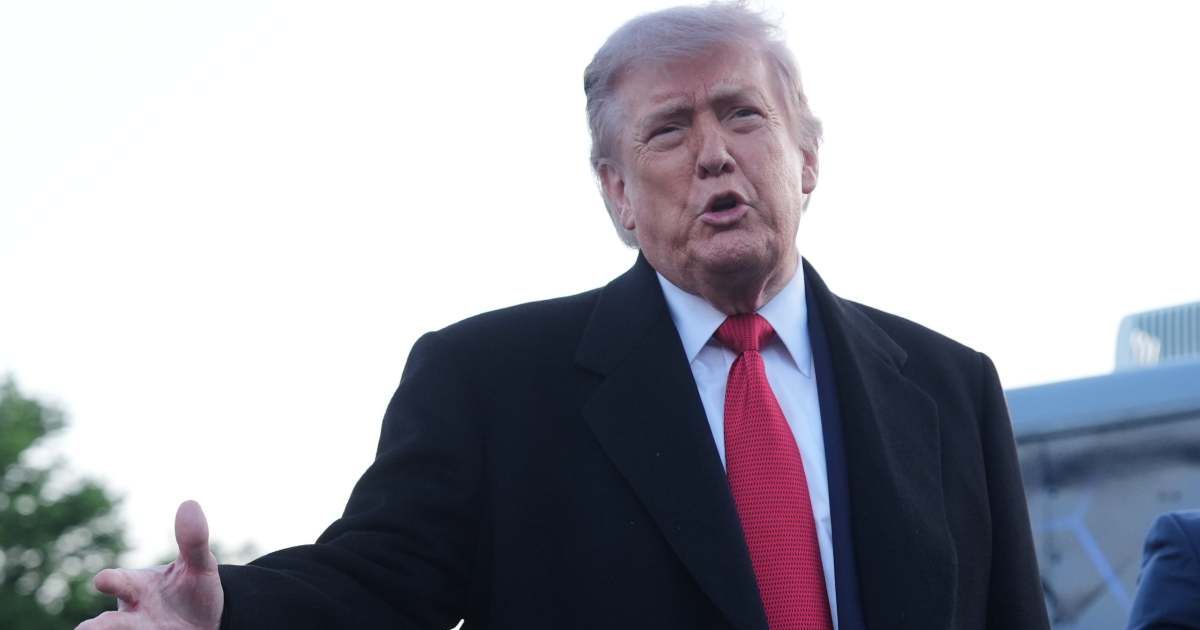
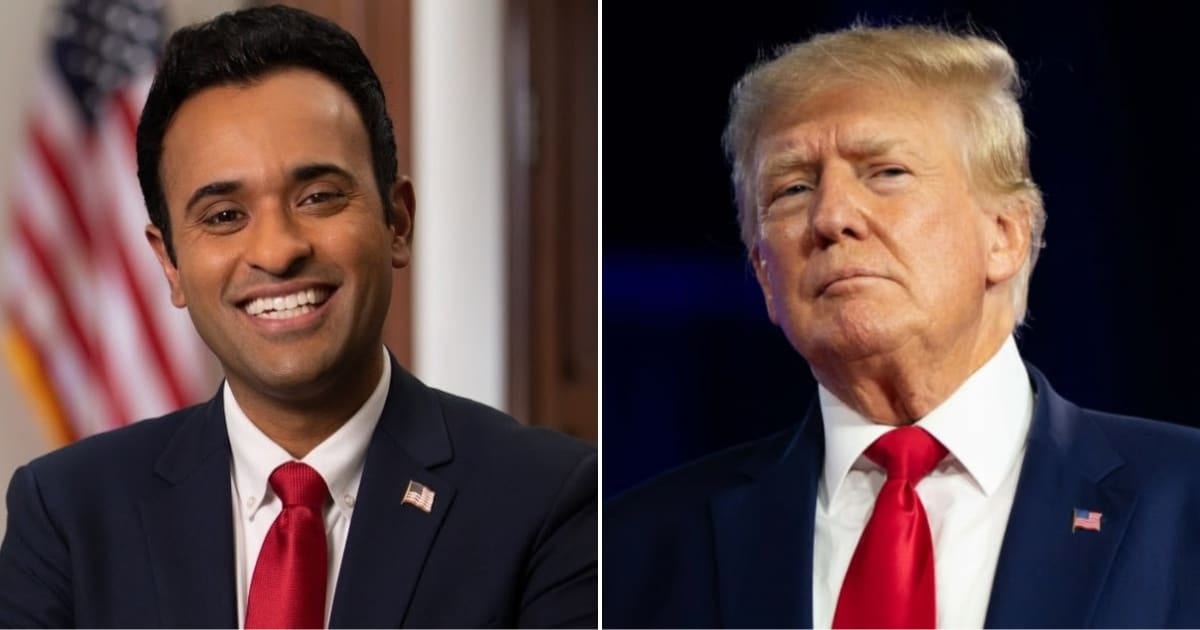
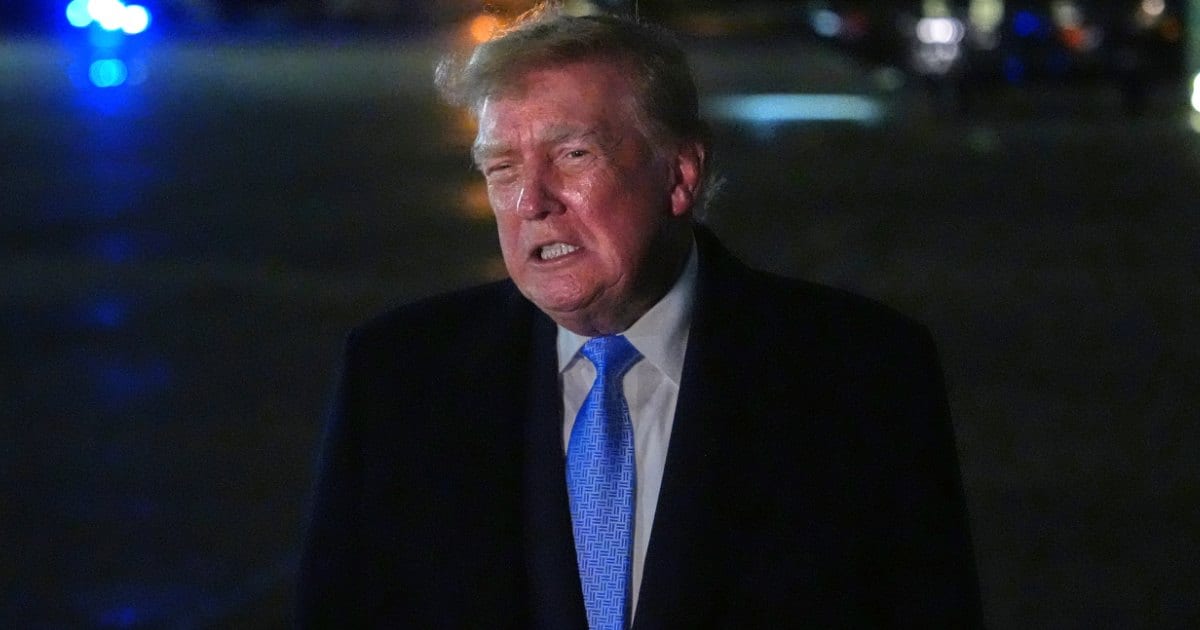
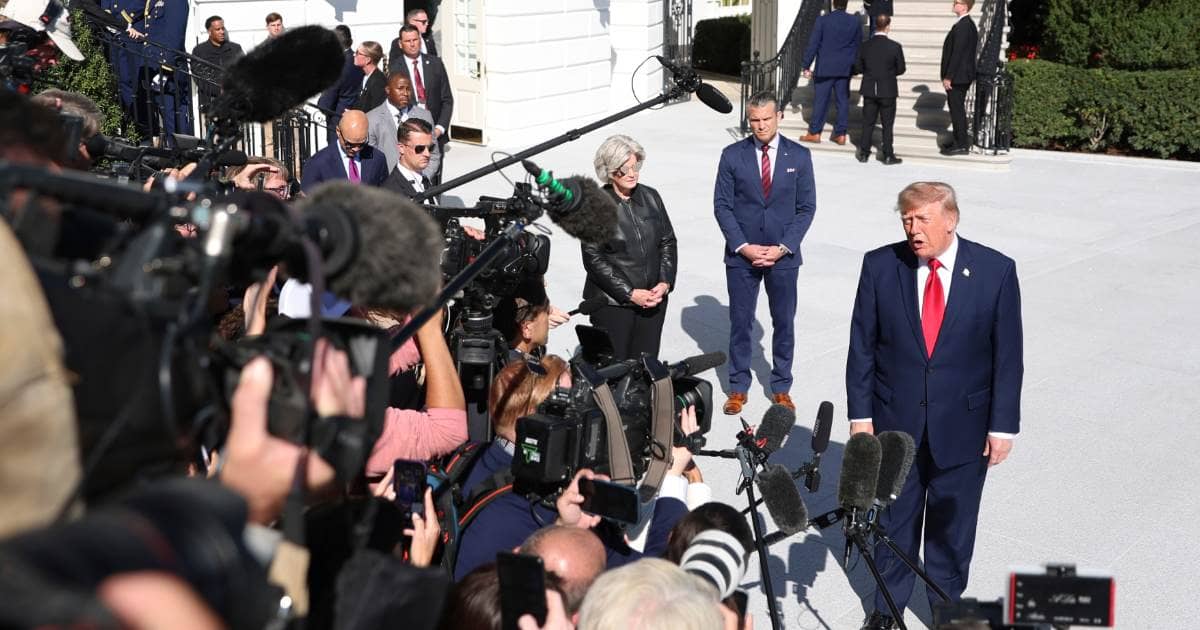
WASHINGTON, DC: President Donald Trump said Saturday, May 9, that he is prepared to send a high-level American delegation to Moscow as part of a renewed effort to end the devastating war between Russia and Ukraine.
Speaking to reporters near the White House, Trump indicated that direct talks with Russia could become part of Washington’s next move as negotiations remain stalled and tensions continue simmering despite a temporary cease-fire.
[Q]: Will you send your team to Moscow to negotiate further?
— Anton Gerashchenko (@Gerashchenko_en) May 9, 2026
[President Trump]: If I thought it would help, I'd do it. I'd love to see that war end. I've settled eight wars and actually nine, and now it looks like we could have ten, but I would love to make that the tenth. pic.twitter.com/cs61p1jgNt
Donald Trump pushes for renewed peace talks with Russia
“I would do that,” Trump said when asked whether he would send negotiators directly into the Russian capital.
The president also spoke emotionally about the scale of the bloodshed, describing the conflict as unnecessary and tragic.
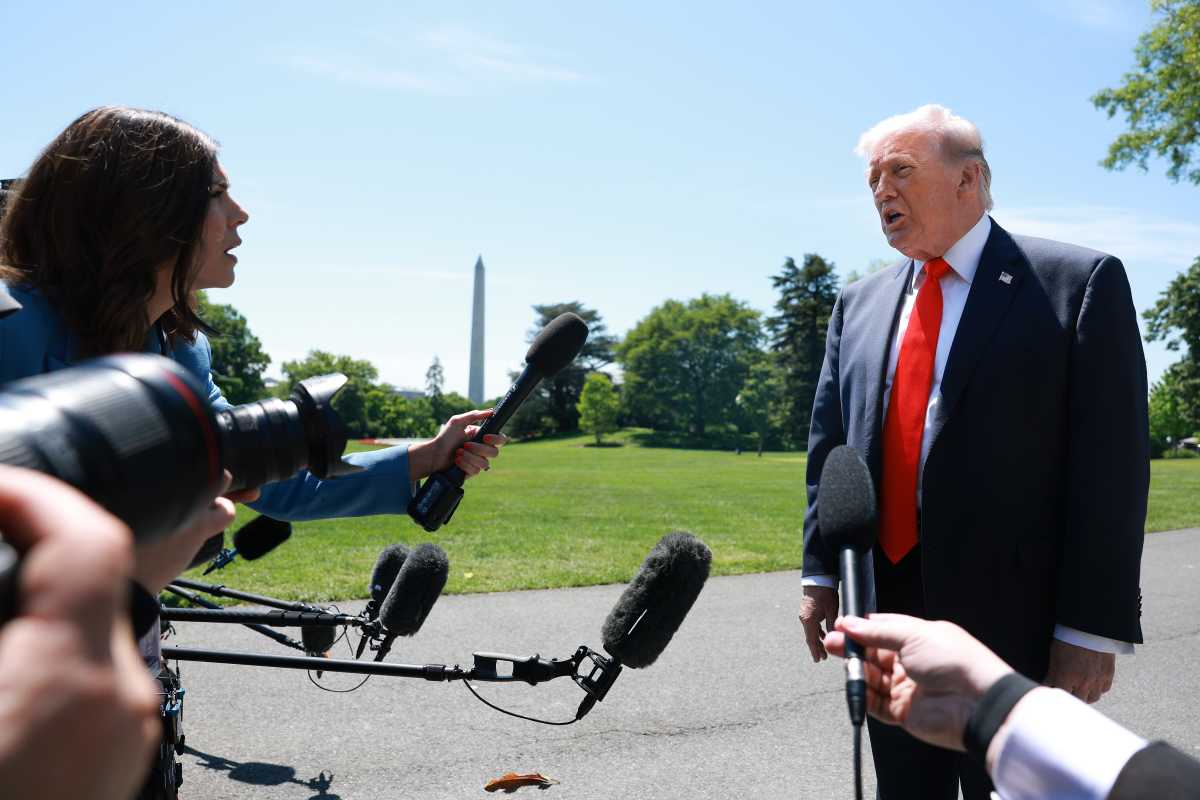
“I would very much like to see the end of the conflict … where 25,000 young soldiers died last month,” Trump said. “It’s madness.”
His remarks came just days after a fragile three-day cease-fire brokered by Washington appeared to temporarily reduce fighting between the two countries.
Trump’s comments highlighted growing pressure to restart meaningful peace negotiations after months of stalled diplomatic efforts tied to the ongoing war.
Russia and Ukraine hold fragile cease-fire amid stalled peace negotiations
The conflict between Russia and Ukraine has now stretched into its fourth year and remains Europe’s deadliest war since World War II.
Negotiations have reportedly slowed in recent weeks, partly because of international attention shifting toward the escalating conflict involving Iran.
The temporary cease-fire between Russia and Ukraine appeared to hold overnight into Saturday, with no major attacks reported after midnight Friday.
𝗗𝗼𝗻𝗮𝗹𝗱 𝗝. 𝗧𝗿𝘂𝗺𝗽 𝗧𝗿𝘂𝘁𝗵 𝗦𝗼𝗰𝗶𝗮𝗹 𝟱.𝟬𝟴.𝟮𝟲 𝟬𝟮:𝟬𝟬 𝗣𝗠 𝗘𝗦𝗧
— Commentary Donald J. Trump Posts From Truth Social (@TrumpDailyPosts) May 9, 2026
`
I am pleased to announce that there will be a THREE DAY CEASEFIRE (May 9th, 10th, and 11th) in the War between Russia and Ukraine. The Celebration in Russia is for Victory Day but, likewise,…
The pause in fighting is expected to remain in place until Monday and has already become one of the longest stretches without widespread air raid alerts in Ukraine since the war began in February 2022.
The cease-fire also coincided with a major prisoner exchange over the weekend, with both sides swapping 1,000 prisoners of war.
Vladimir Putin signals openness to future meeting with Volodymyr Zelensky
Russian President Vladimir Putin also appeared to soften his public stance slightly by signaling he could eventually meet face-to-face with Ukrainian President Volodymyr Zelensky.
According to Russian state television, Putin suggested such a meeting could happen in a neutral country once final agreements to end the war are already prepared.
However, the Russian leader reportedly made clear that any future sit-down would focus on signing completed agreements rather than holding direct negotiations.
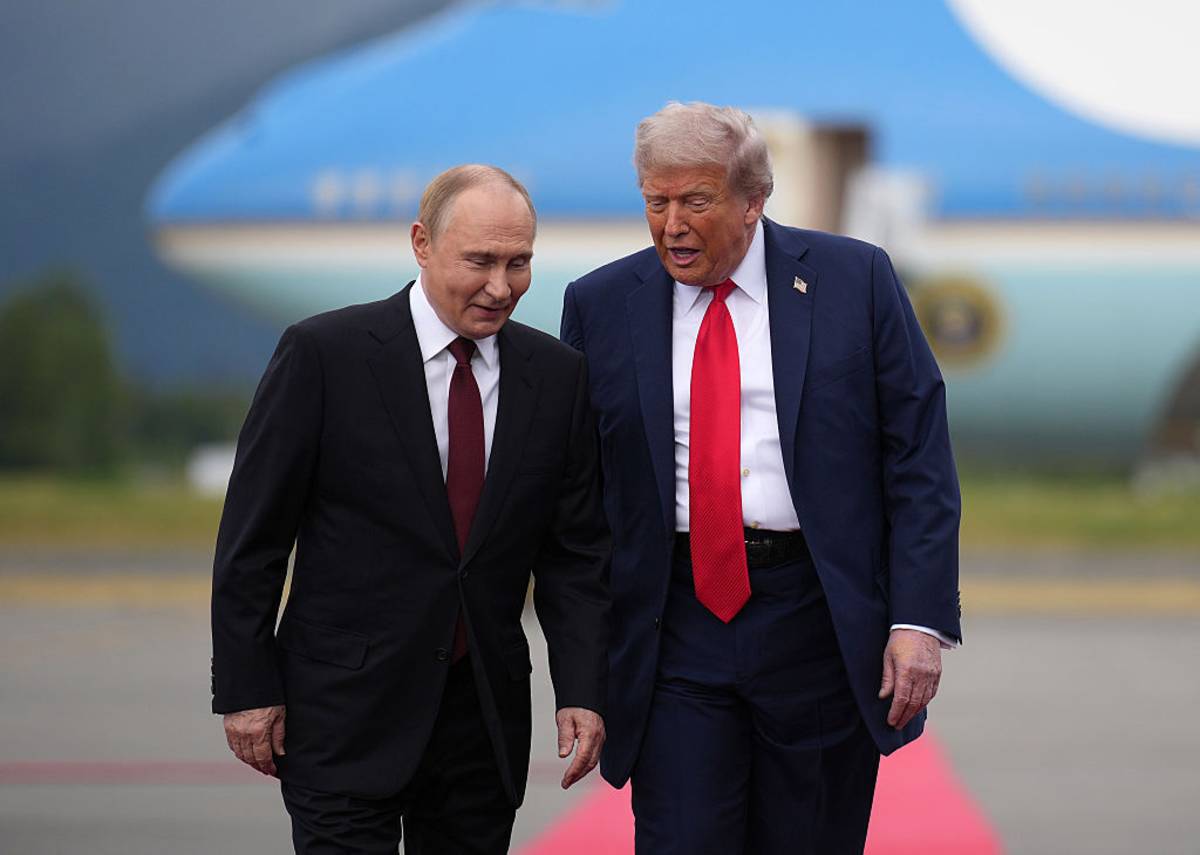
Zelensky, meanwhile, pledged not to interfere with Russia’s annual Victory Day parade in Moscow, which commemorates the Soviet Union’s victory over Nazi Germany during World War II.
The move appeared aimed at preserving the fragile cease-fire while diplomatic discussions continue behind the scenes.
Despite the pause in fighting, both Russia and Ukraine remain deeply divided on the major issues standing in the way of a permanent peace agreement.
Donbas remains biggest obstacle in Russia-Ukraine negotiations
One of the largest sticking points continues to be control over the Donbas region in eastern Ukraine.
Putin has long sought full control of the industrial heartland, which includes the Luhansk and Donetsk provinces.
According to recent estimates from the Washington-based Institute for the Study of War, Russia currently controls nearly all of the Luhansk region and roughly 81 percent of Donetsk.
That marks a notable increase compared to previous estimates from last year.
The future of those territories remains one of the central disagreements preventing a broader peace deal from moving forward.