Trump says Iran halted execution of eight women after his appeal, credits ‘respected my request’
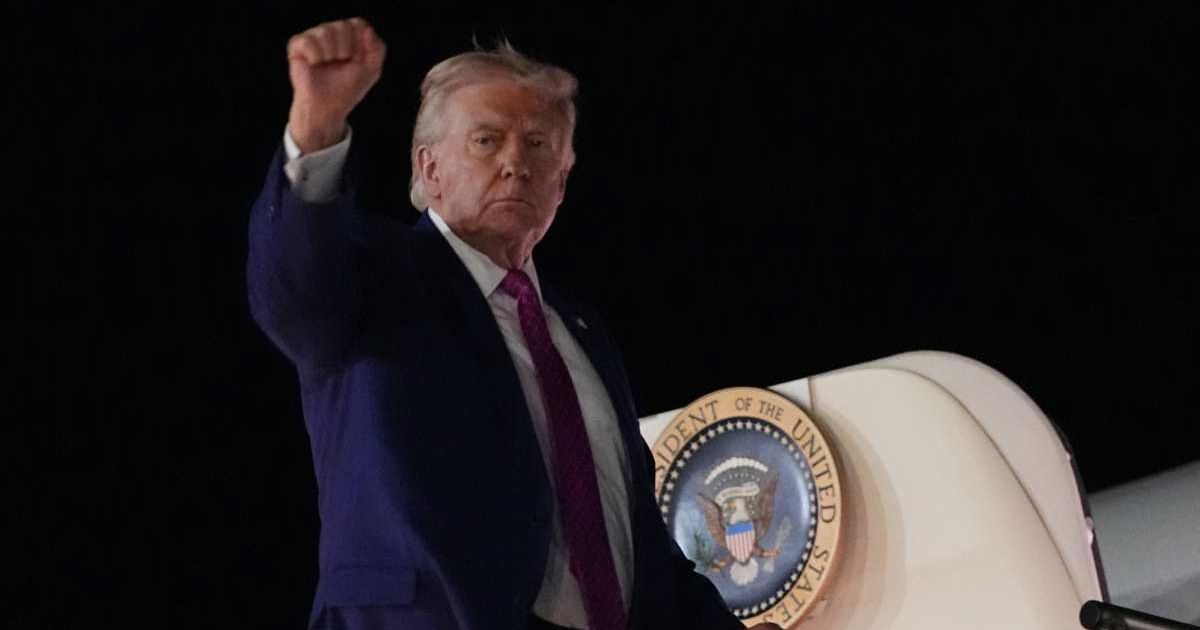
WASHINGTON, DC: President Donald Trump on Wednesday, April 22, said Iran halted the planned execution of eight women protesters after he made a direct appeal to its leadership.
Trump described the development as “very good news” and credited his intervention for the outcome.
However, Iranian officials denied that any such executions were imminent, disputing the premise of Trump’s claim.
Trump claims intervention halted executions
In a post on Truth Social, Trump said he had been informed that eight women protesters facing execution would no longer be put to death.
“Very good news! I have just been informed that the eight women protestors who were going to be executed tonight in Iran will no longer be killed. Four will be released immediately, and four will be sentenced to one month in prison,” he wrote.
“I very much appreciate that Iran, and its leaders, respected my request, as President of the United States, and terminated the planned execution,” Trump added.
https://t.co/GGwbAtAWmZ pic.twitter.com/3suq6gUw6s
— Rapid Response 47 (@RapidResponse47) April 22, 2026
The announcement followed Trump’s decision to extend a ceasefire with Iran, as US officials continue to seek a response from Tehran on proposals to revive negotiations.
Reports have indicated limited communication from Iranian authorities in recent days.
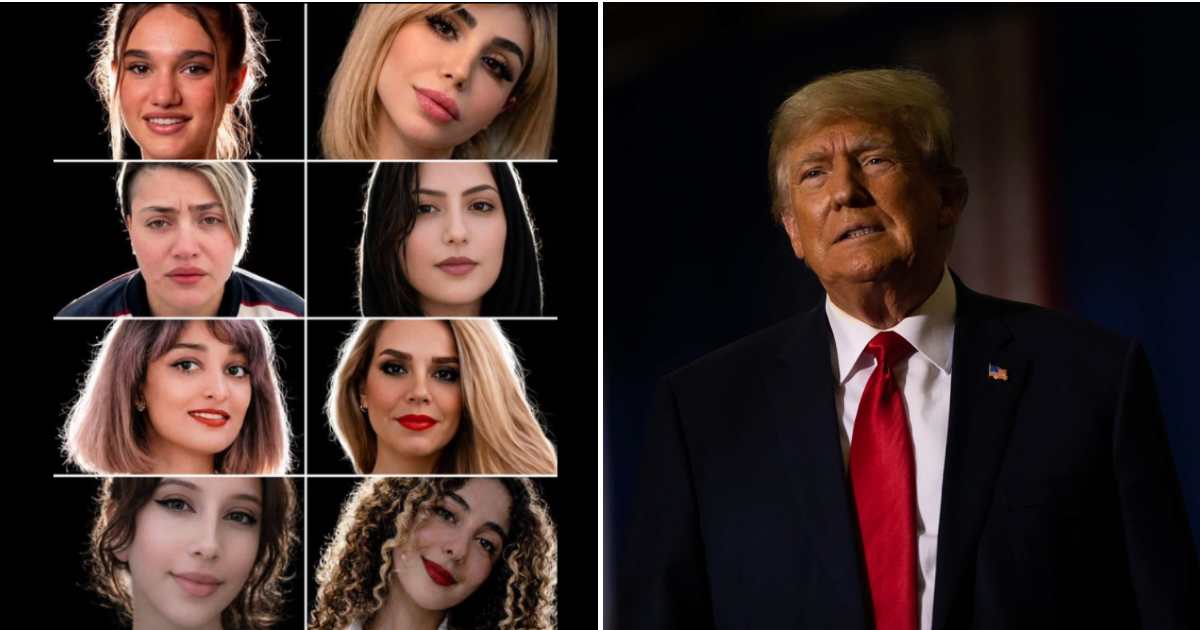
Iran’s judiciary rejected Trump’s claims, stating that no executions of the women had been scheduled.
Officials said that “Trump was misled once again by fake news.” They maintained that while some individuals had been released, others were facing charges that could result in imprisonment rather than capital punishment.
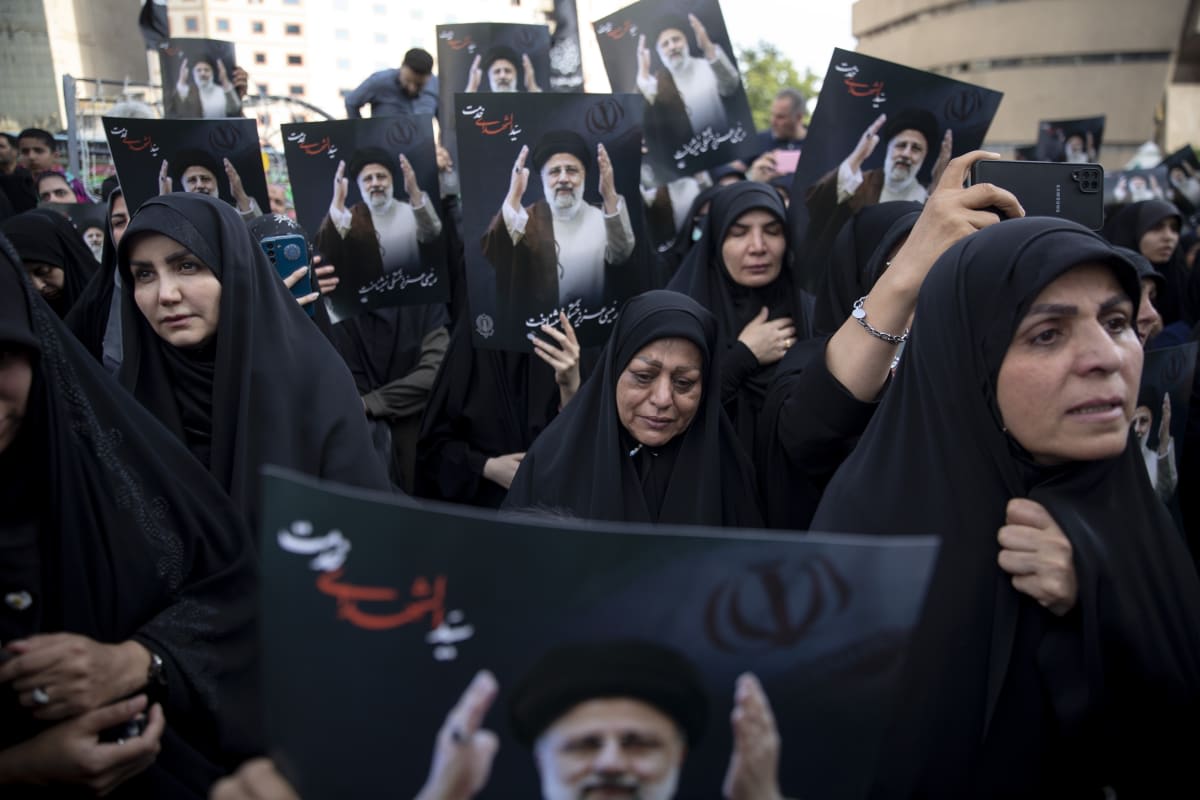
Human rights groups have previously raised concerns about transparency in Iran’s judicial system, where information is often limited and difficult to verify independently.
One of the women mentioned in reports, Bita Hemmati, had been sentenced to death for allegedly throwing concrete blocks at security forces during protests, according to rights organizations, though details remain contested.
Ongoing executions and ceasefire disputes
The dispute comes alongside continued reports of executions in Iran tied to espionage allegations. Iranian authorities said a man identified as Mehdi Farid had been executed after being convicted of spying for Israel’s intelligence service, Mossad.
According to the judiciary’s outlet, he had access to sensitive information through a civil defense role and shared intelligence with Israeli operatives.
This execution follows others in recent days involving individuals accused of cooperating with foreign intelligence and planning attacks.
Human rights activists have long criticized Iran’s legal process in such cases, citing concerns over closed-door trials and limited access to legal defense.
At the same time, tensions persist over the terms of the ceasefire between the United States and Iran.
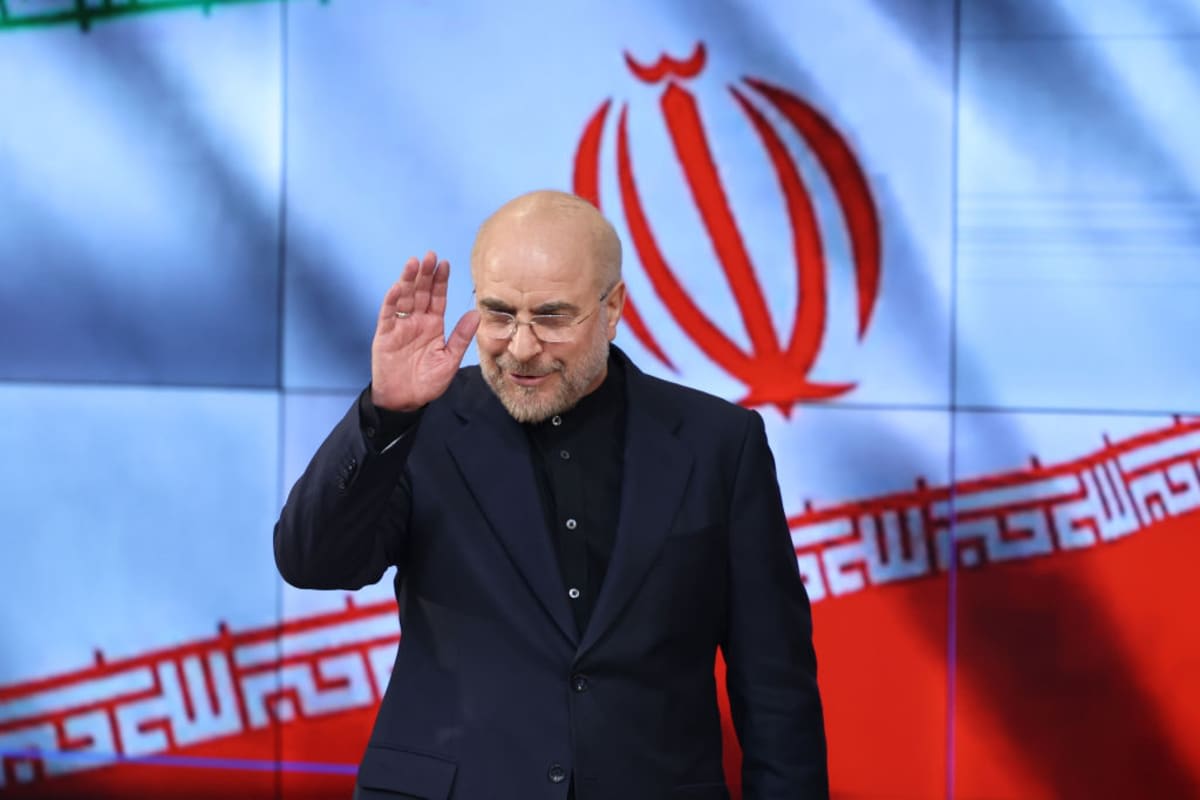
Iran’s parliamentary speaker, Mohammad-Bagher Ghalibaf, said a US blockade affecting the Strait of Hormuz violates the ceasefire agreement.
In a statement, he argued that “a full ceasefire only has meaning if it is not violated by a naval blockade and the holding hostage of the global economy.”
Iranian Parliament Speaker Mohammad Bagher Ghalibaf call bullshit on Trump — and tells him what needs to be done to have a complete ceasefire. 😳 pic.twitter.com/4Q7KkIC1zN
— Bill Madden (@maddenifico) April 22, 2026
He added that reopening the strategic waterway would not be possible under what he described as a breach of the ceasefire, and said that military and economic pressure would not achieve US objectives.
“They did not achieve their objectives through military aggression, and they will not achieve them through coercion either. The only path is to accept the rights of the Iranian nation,” he said.