Trump shrugs off stalled Iran talks, says they ‘got very boring’, ‘I really don’t care’
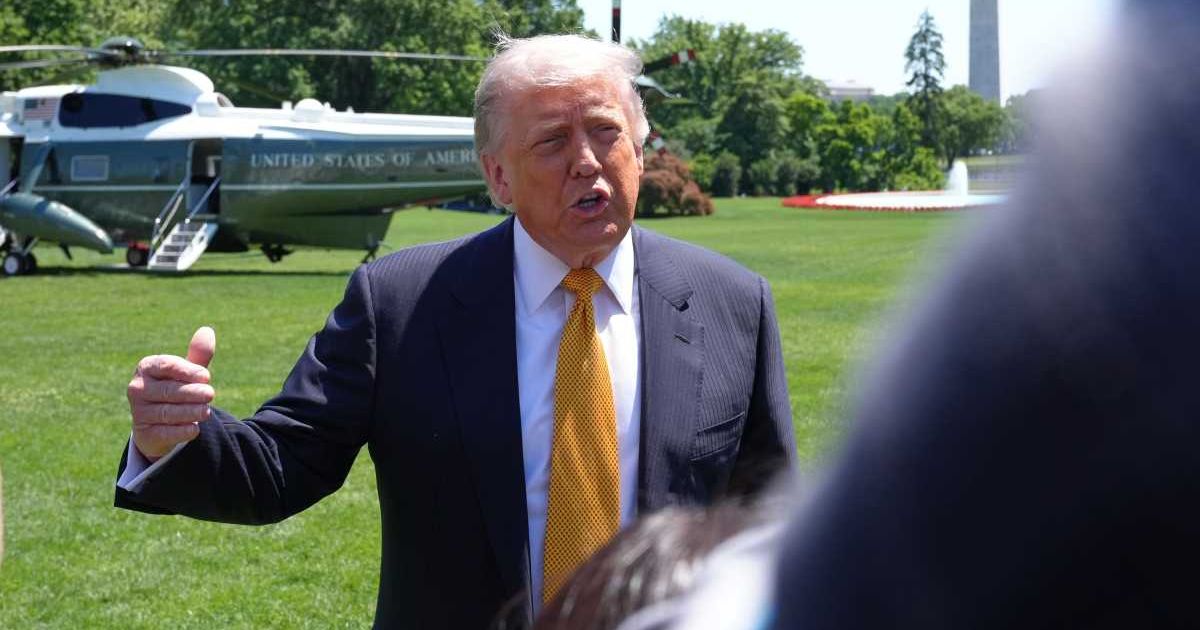
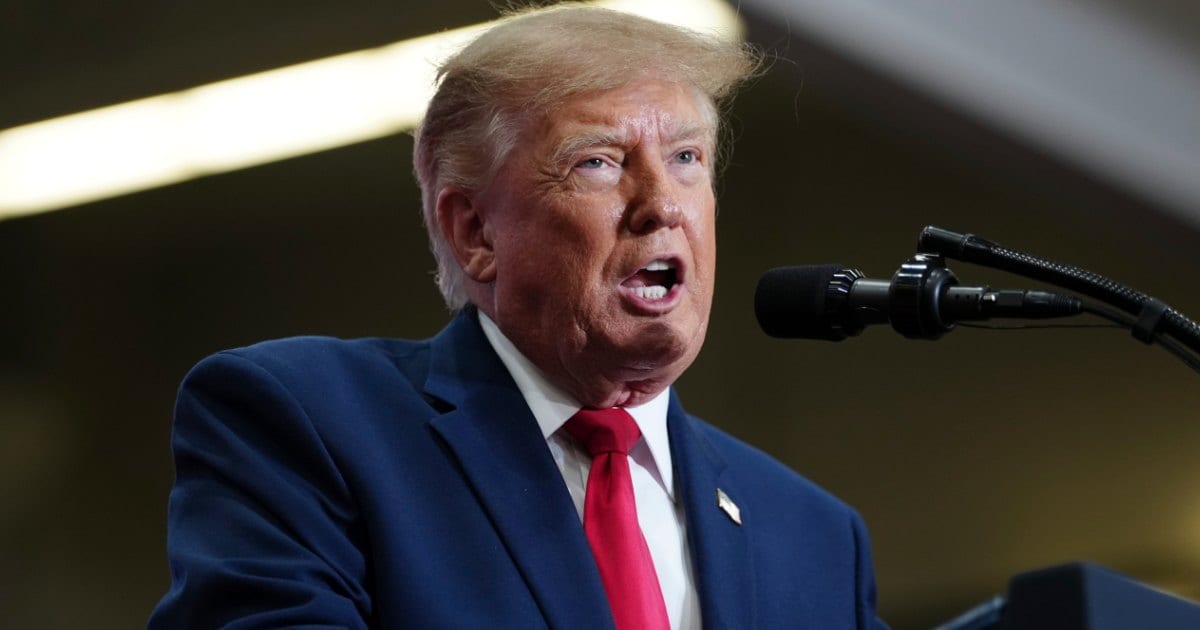
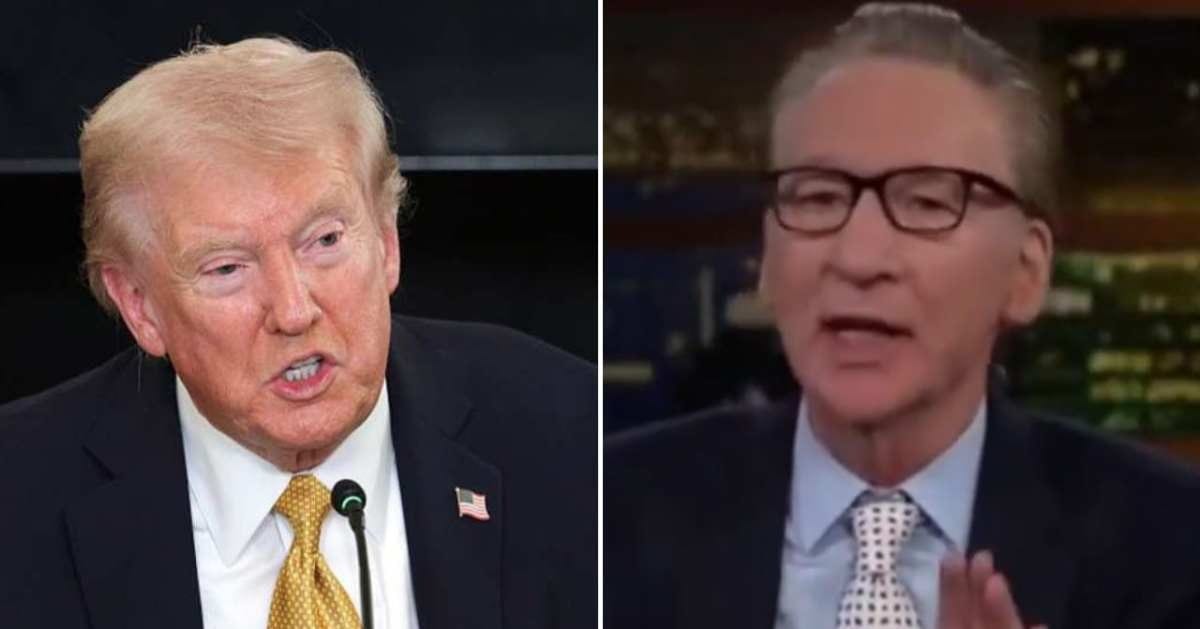
WASHINGTON, DC: President Donald Trump delivered a candid assessment of ongoing negotiations with Iran on Monday, June 1, saying he would not be concerned if the talks collapsed altogether because they had become increasingly uninteresting.
The president's comments came during an interview with CNBC, where he was asked about the status of discussions with Tehran amid growing tensions in the Middle East.
While Trump appeared dismissive of the negotiations at one point, he later maintained that talks were still continuing.
I spoke to President Trump on the phone last hour about the end of negotiations with the Iranians. He told me: “I don’t care if they’re over, honestly. I really don’t care. I couldn’t care less. If they’re over, they’re over. If they’re not, you know, I think they took too much…
— Eamon Javers (@EamonJavers) June 1, 2026
Donald Trump says he ‘really doesn’t care’ if Iran talks end
Speaking with CNBC’s Eamon Javers, Trump suggested he was no longer invested in whether the negotiations succeed or fail.
“I don’t care if they’re over, honestly. I really don’t care,” Trump said.
“I couldn’t care less. If they’re over, they’re over. If they’re not… I think [Iran] took too much time.”
The president went on to criticize how Iran handled the negotiations, arguing that the process had dragged on for too long without producing a final agreement.
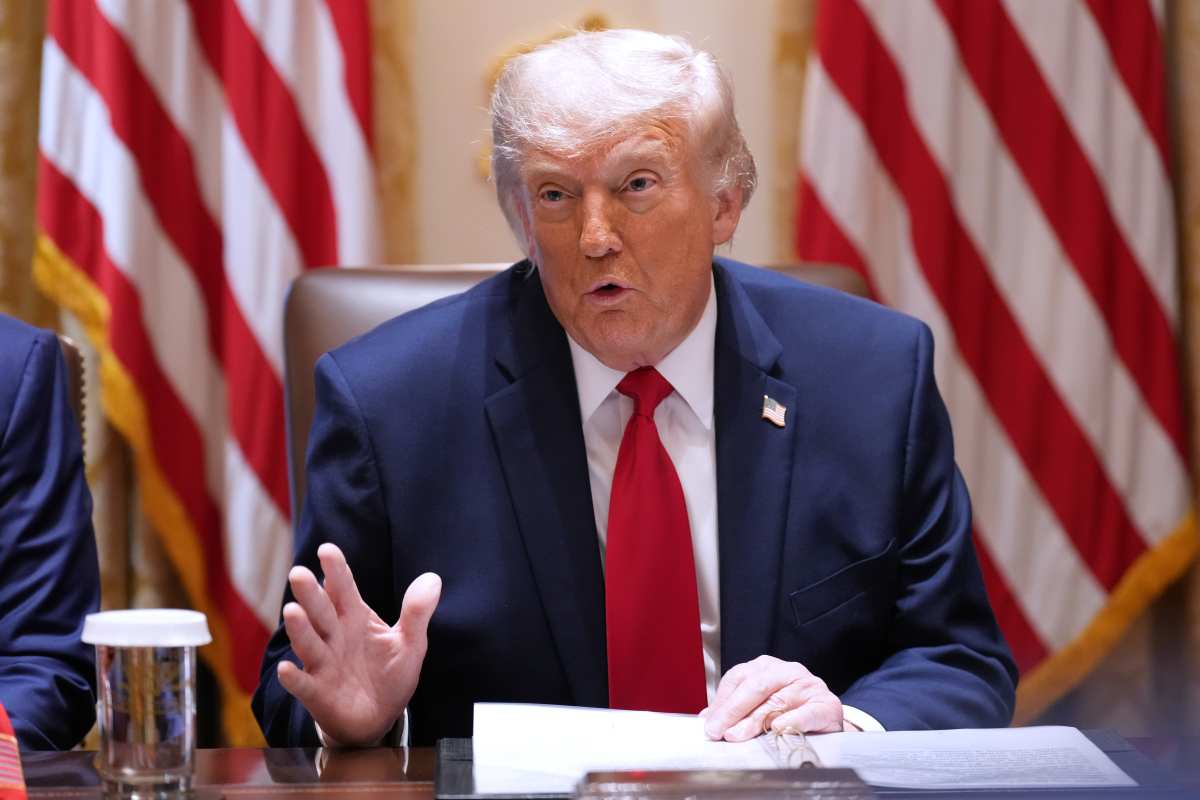
“Frankly, I thought they started to get very boring,” Trump added. “They were giving us what we needed, but I think… they handled the negotiations poorly. It took too long. I thought they were tapping us along, that’s all.”
His remarks came just days after he met with senior administration officials in the White House Situation Room to discuss extending the ceasefire, reopening the Strait of Hormuz, and laying the groundwork for future discussions surrounding Tehran’s nuclear program.
According to reports, Trump left that meeting without making a final decision on the next steps.
Tensions rise after Israeli strikes in Lebanon
The uncertainty surrounding the talks comes as tensions have escalated following military action in Lebanon.
Earlier Monday, Israeli Prime Minister Benjamin Netanyahu ordered strikes against Hezbollah targets in Beirut’s Dahiyeh district.
Iranian officials reacted sharply, arguing that the operation violated the ceasefire framework that had been agreed to earlier this year.
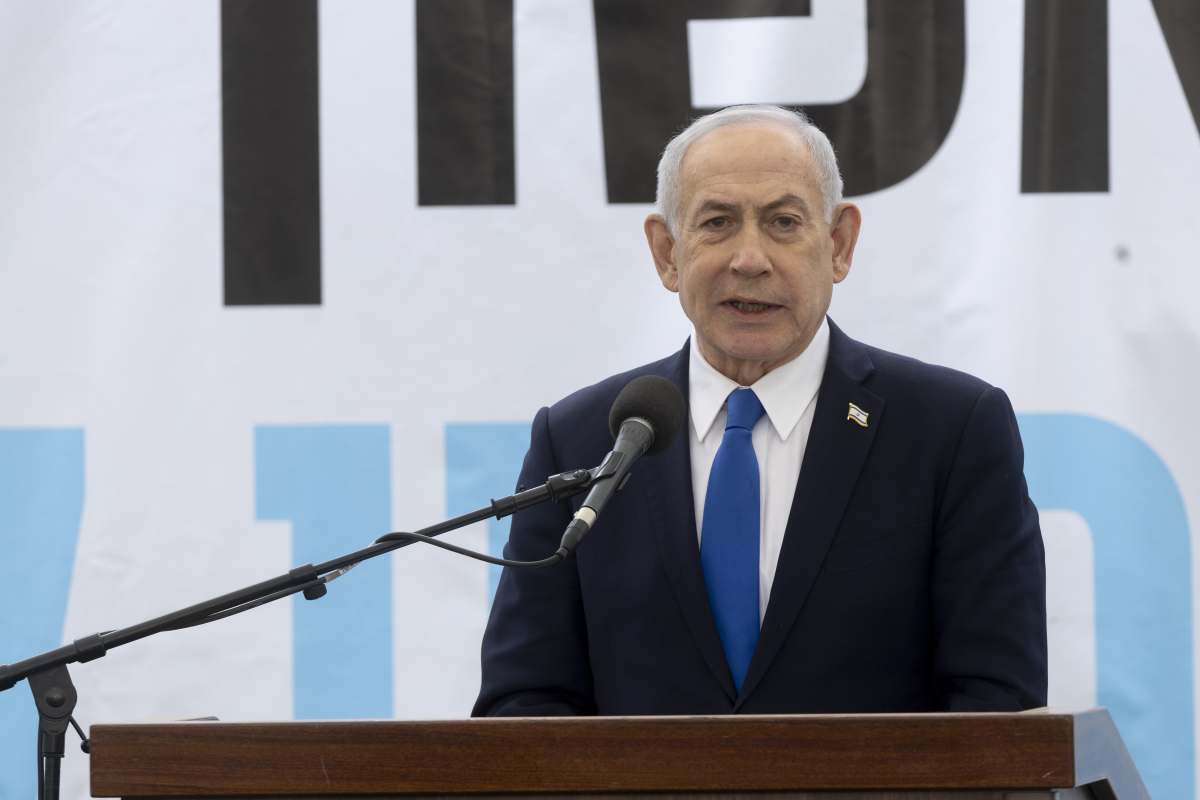
Iranian Foreign Minister Abbas Araghchi warned that any violation of the truce in one area would be viewed as a violation across all fronts.
“Any violation of this ceasefire on one front shall be considered a violation of it across all fronts,” Araghchi wrote on social media.
“The United States and Israel bear responsibility for the consequences of any breach of the truce.”
The developments added fresh uncertainty to already fragile diplomatic efforts and raised questions about whether negotiations between Washington and Tehran could continue under growing regional pressure.
Trump offers mixed messages on future of negotiations
Despite his dismissive comments during the CNBC interview, Trump later suggested that negotiations had not broken down.
Earlier Monday, he wrote on Truth Social that Iran still wanted an agreement with the United States.
The president said the Iranian regime “really wants to make a deal” and predicted that any eventual agreement would be beneficial for both the United States and its allies.
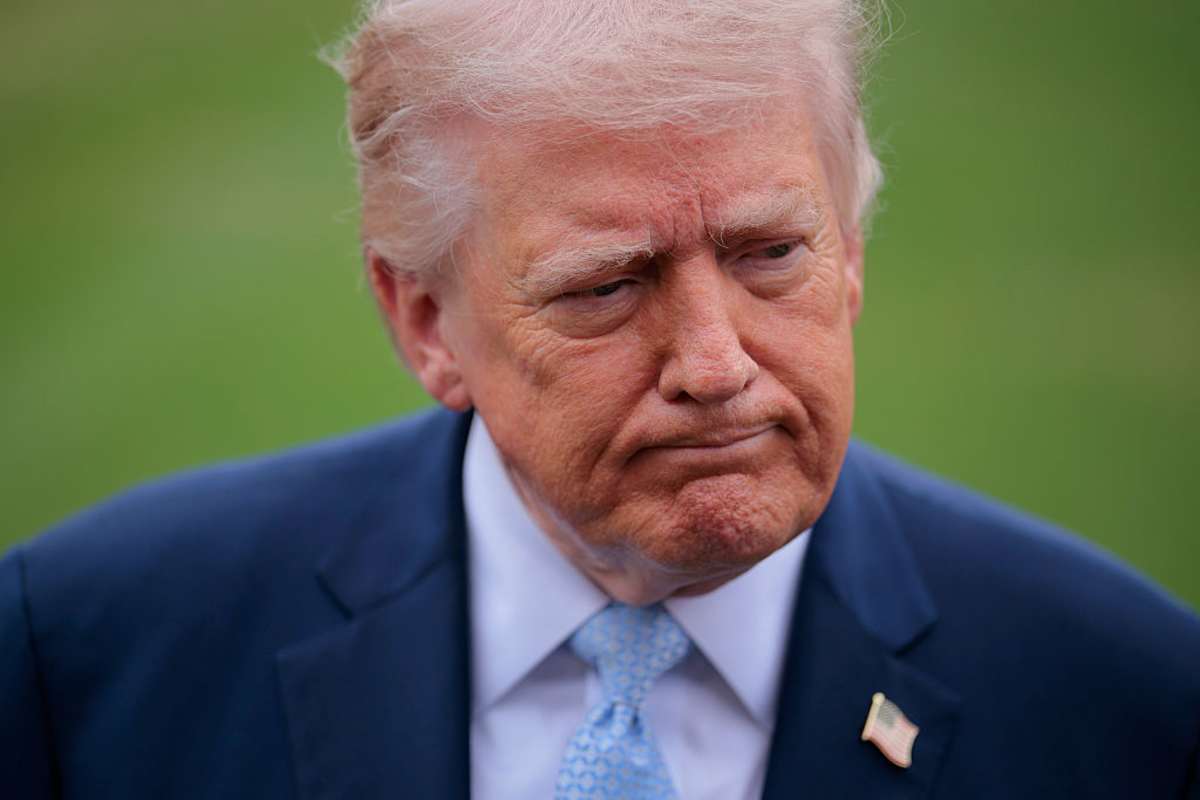
Later in the day, after speaking with CNBC, Trump again took to social media and insisted the diplomatic process remained active.
According to Trump, discussions with Iran are continuing “at a rapid pace.”
The contrast between his public comments created some confusion about where negotiations currently stand.
While he repeatedly downplayed the importance of the talks and said he would not mind if they ended, he simultaneously maintained that diplomatic efforts were still moving forward.
Trump says he spoke with Benjamin Netanyahu amid uncertainty
Trump also revealed that he had spoken with Netanyahu, as well as what he described as “highly placed Representatives” from Hezbollah.
Following those conversations, the president claimed Israel would not be sending troops into Beirut.
However, Netanyahu appeared to strike a firmer tone later in the day.
The Israeli leader stated that if Hezbollah continued attacking Israeli cities and civilians, Israel would continue targeting what he described as terror infrastructure in Beirut.
He also stressed that Israeli military operations in southern Lebanon would proceed as planned.