Trump signals no Iran ceasefire extension, warns bombing could resume
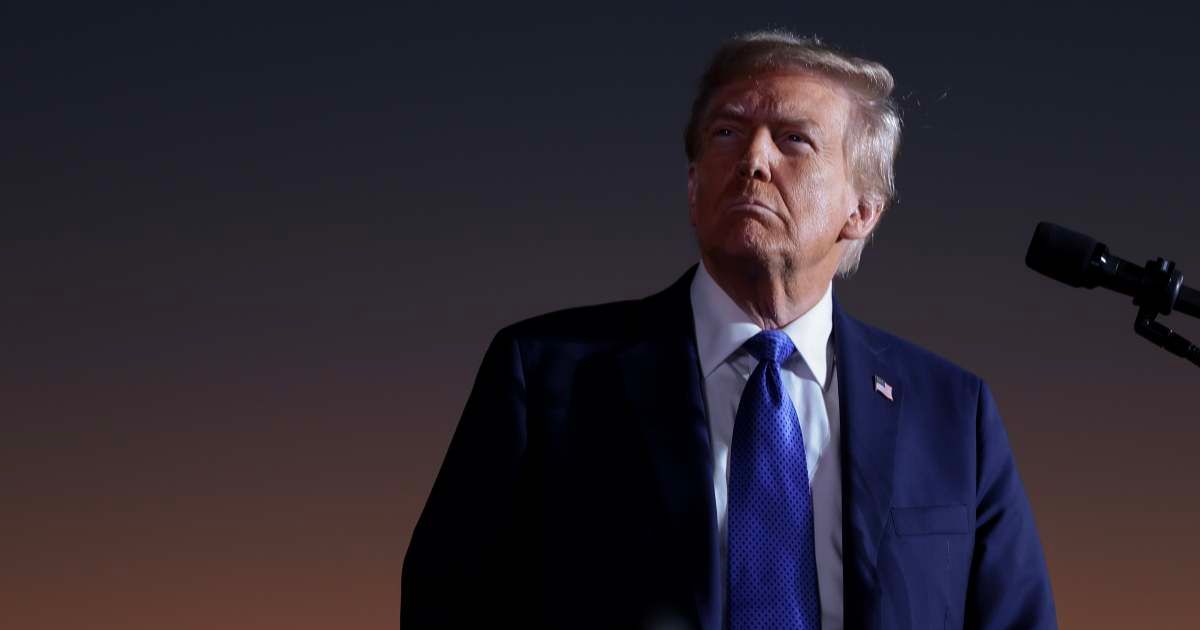
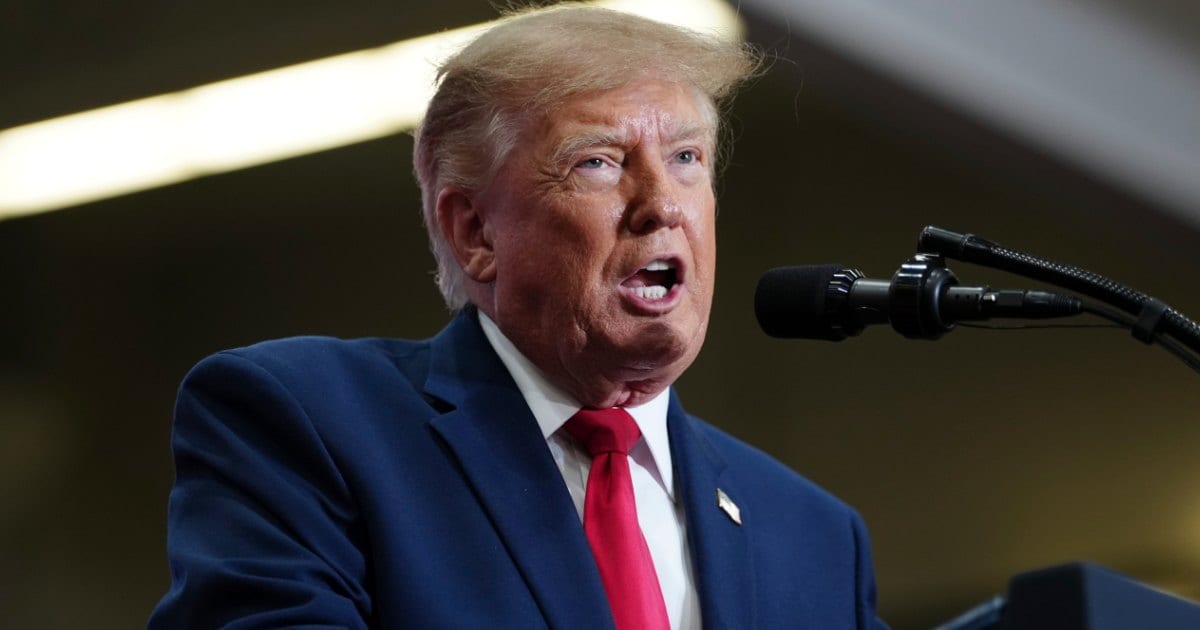
WASHINGTON, DC: US President Donald Trump on Tuesday, April 21, made clear he has little interest in extending the fragile ceasefire between the United States and Iran, warning that time is running out for diplomacy.
Speaking in a phone interview on CNBC’s ‘Squawk Box’, Trump said the looming Wednesday evening deadline leaves little room for delay.
“I don’t want to do that. We don’t have that much time,” he said, suggesting that prolonged negotiations would only slow an already inevitable process.
He added that both sides had effectively been “given the okay” to proceed with talks, even if reluctance remained.
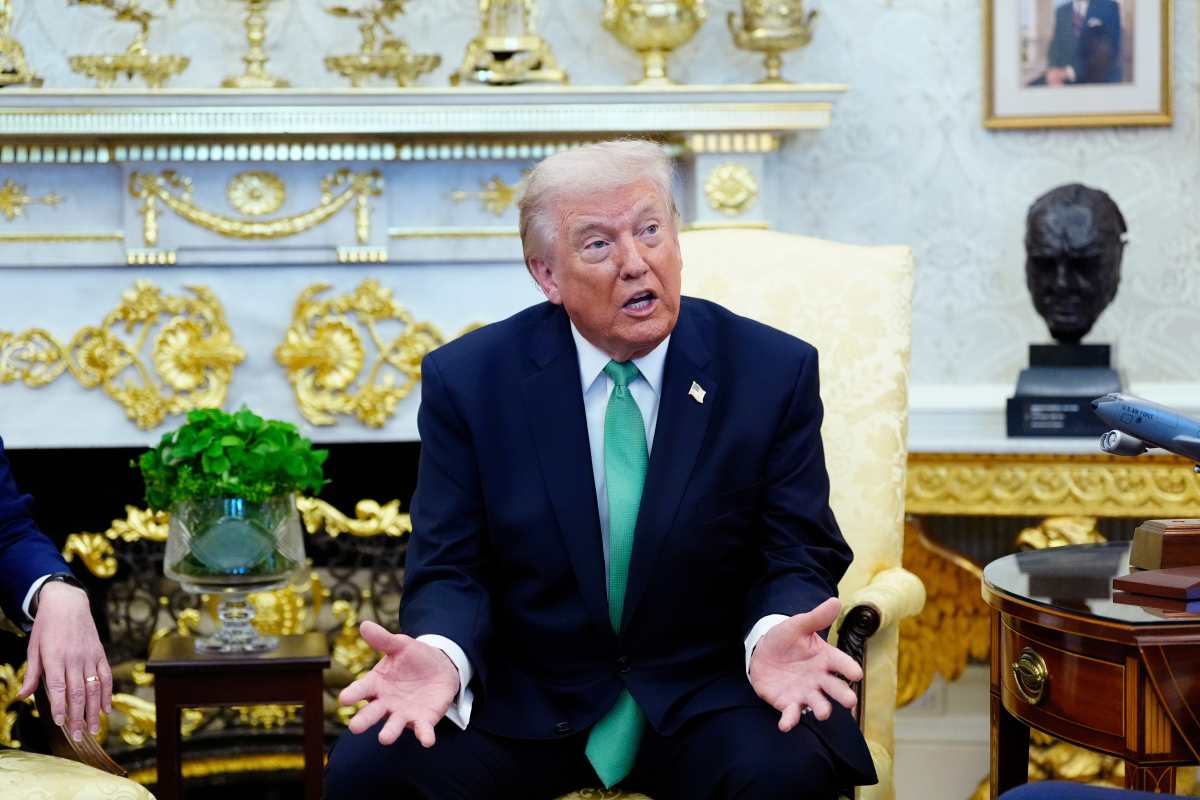
Trump says he expects to be ‘bombing’
Trump struck a combative tone when outlining his approach to negotiations, arguing that maintaining the threat of force strengthens the US position.
“I expect to be bombing because I think that’s a better attitude to go in with,” he said, indicating that military escalation remains a likely outcome if talks fail to produce results.
The president emphasized that US forces are fully prepared for action, describing the military as “raring to go” and “absolutely incredible,” while also highlighting his administration’s efforts to rebuild and strengthen American defense capabilities.
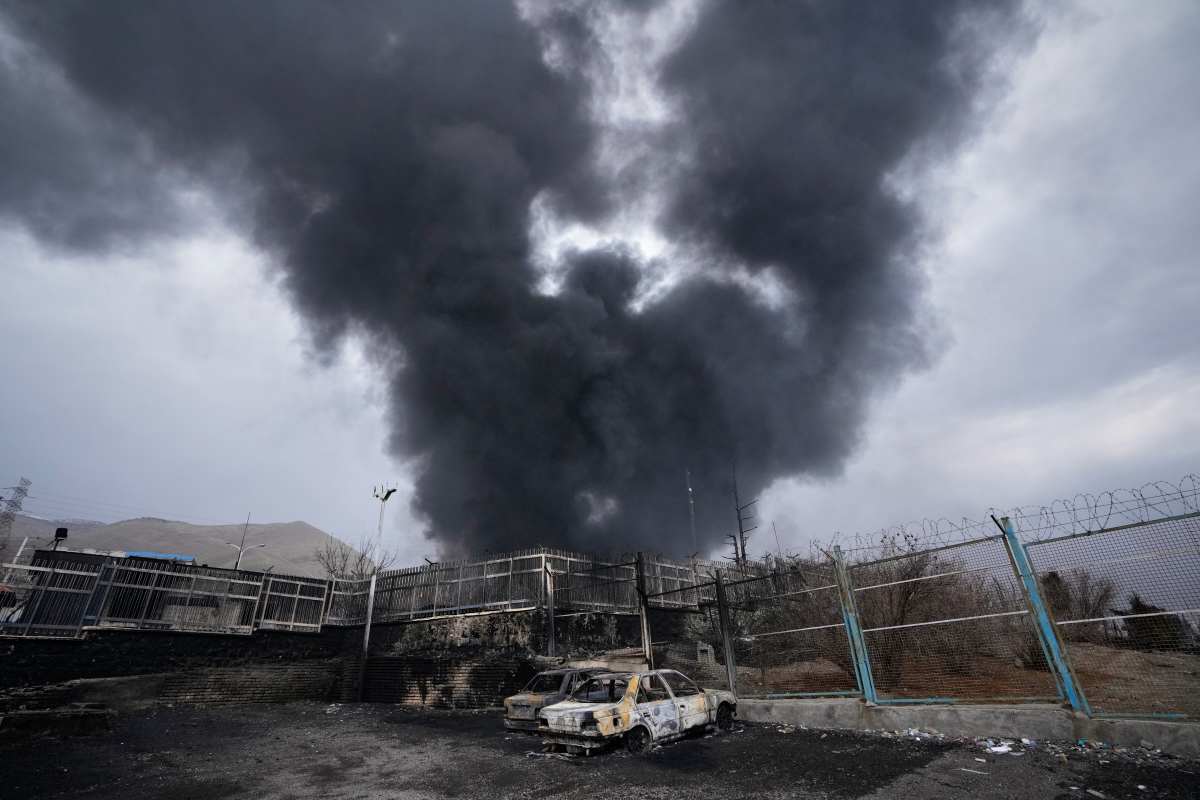
Strategic targets and military impact
Addressing concerns over his earlier threats to strike Iranian infrastructure, Trump defended the potential targeting of bridges and power plants, framing them as legitimate military objectives.
“It’s not my choice, but it will also hurt them militarily,” he said. “They use the bridges for their weapons, for their missile movements.”

Trump on ceasefire as a tactical pause
Trump also suggested that the current ceasefire has been used by both sides to regroup rather than resolve underlying tensions.
“They have used the ceasefire to restock,” he said, implying that the pause in hostilities may have only postponed further confrontation rather than creating conditions for lasting peace.
This assessment reflects skepticism within the administration about the truce's durability and casts doubt on whether negotiations can deliver a breakthrough in the limited time available.
Despite his hardline rhetoric, Trump offered a more nuanced view when discussing Iran as a nation. He praised the Iranian people as “incredible,” while sharply criticizing the country’s leadership as “bloodthirsty” and “tough.”
He argued that a successful agreement with Washington could transform Iran’s future.
“If they make a deal, they can make themselves into a strong nation again, a wonderful nation again,” Trump said, framing diplomacy as an opportunity for Tehran to re-enter the global fold under different leadership choices.
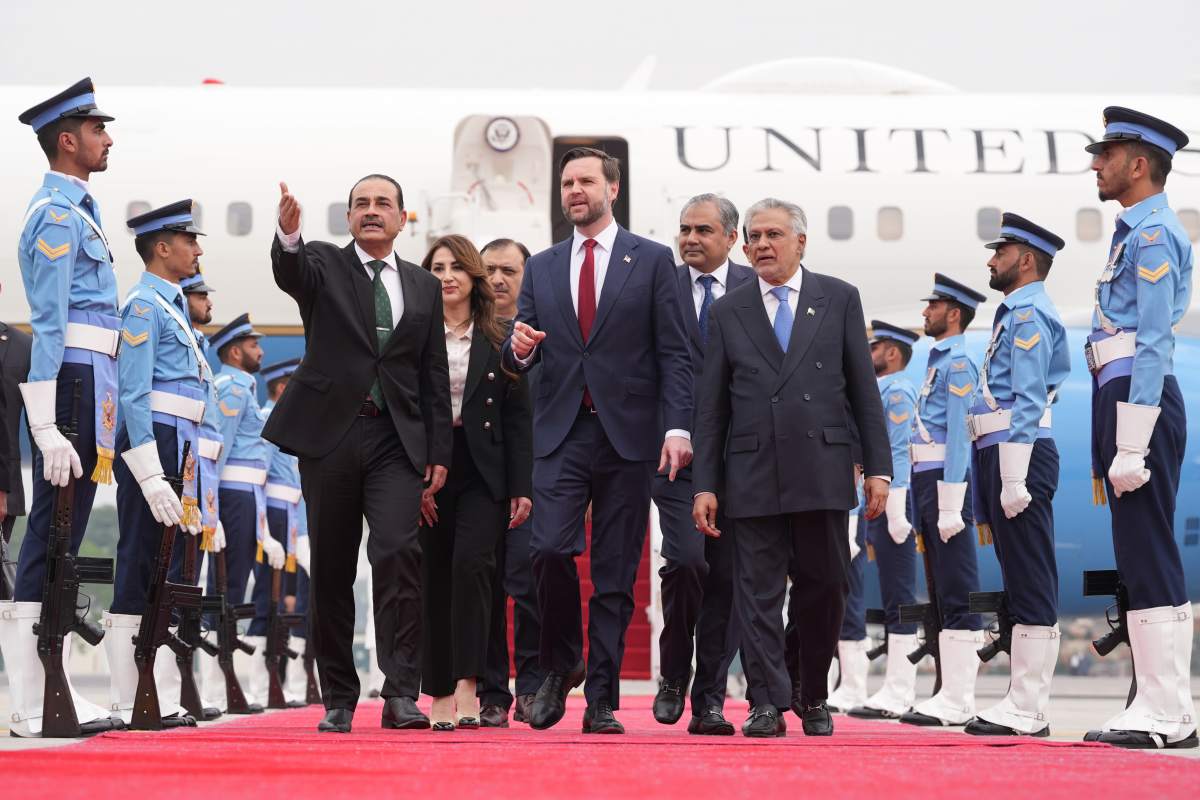
As the deadline approaches, diplomatic efforts are intensifying. Vice President JD Vance, along with other senior US officials, is expected to travel to Pakistan for a fresh round of negotiations with Iranian counterparts.
The talks are seen as critical in determining whether the ceasefire can be converted into a more durable agreement or whether hostilities will resume.