Trump signs historic Greenland deal on UNGA sidelines after takeover threats: What America gets
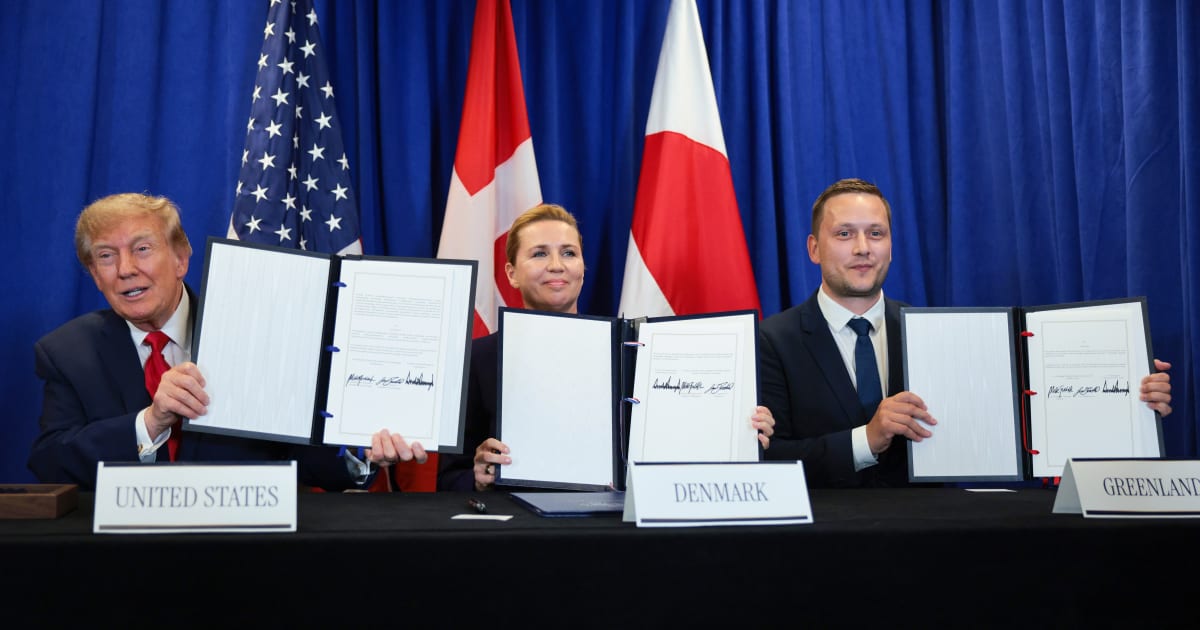
NEW YORK CITY, NEW YORK: President Donald Trump has signed a new security agreement with Denmark and Greenland that gives the United States a larger military role on the Arctic island without transferring Greenland to American control.
The pact expands Washington’s defense access, strengthens restrictions on rival powers and is designed to remain in force even if Greenland eventually becomes independent.
What exactly did Trump sign
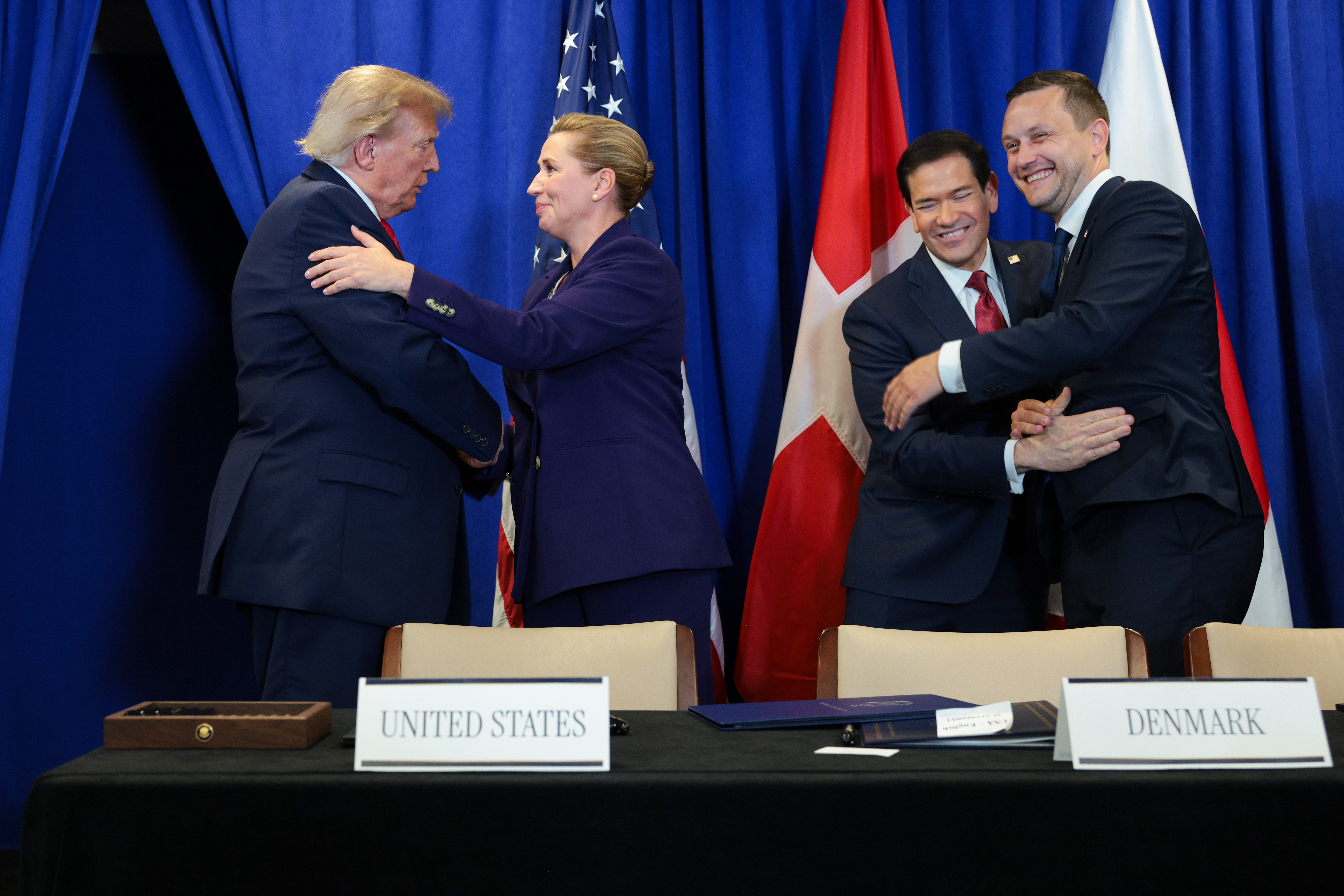
The agreement amends the existing US-Denmark defense framework for Greenland and creates a broader trilateral security arrangement involving Greenland’s government.
It reaffirms Danish sovereignty and Greenland’s right to self-determination while expanding the American military role.
Trump described the deal as giving Washington “permanent control” over Greenland’s security, while Denmark and Greenland have emphasized that their sovereignty remains intact.
Where can US forces operate
The pact allows Washington to expand military infrastructure and establish additional defense areas in Greenland.
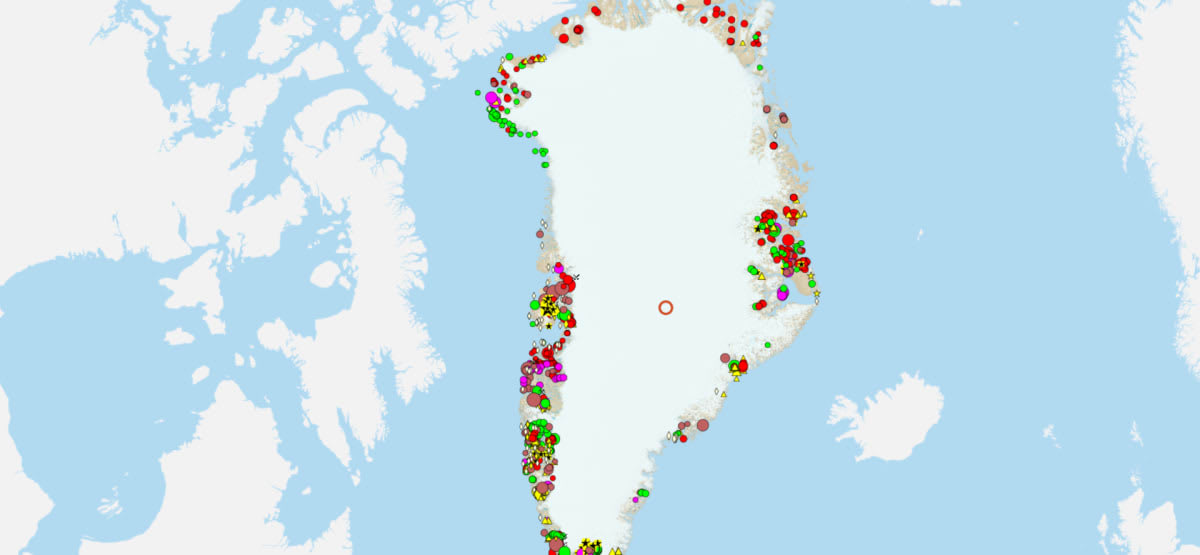
Reports state that Narsarsuaq and Mestersvig are among the locations involved.
That would expand an American presence that currently centers on Pituffik Space Base, while placing Arctic security within a wider NATO framework rather than creating an American-controlled territory.
What happens to Pituffik Space Base
Pituffik, formerly known as Thule Air Base, remains the centerpiece of America’s existing military presence in Greenland.
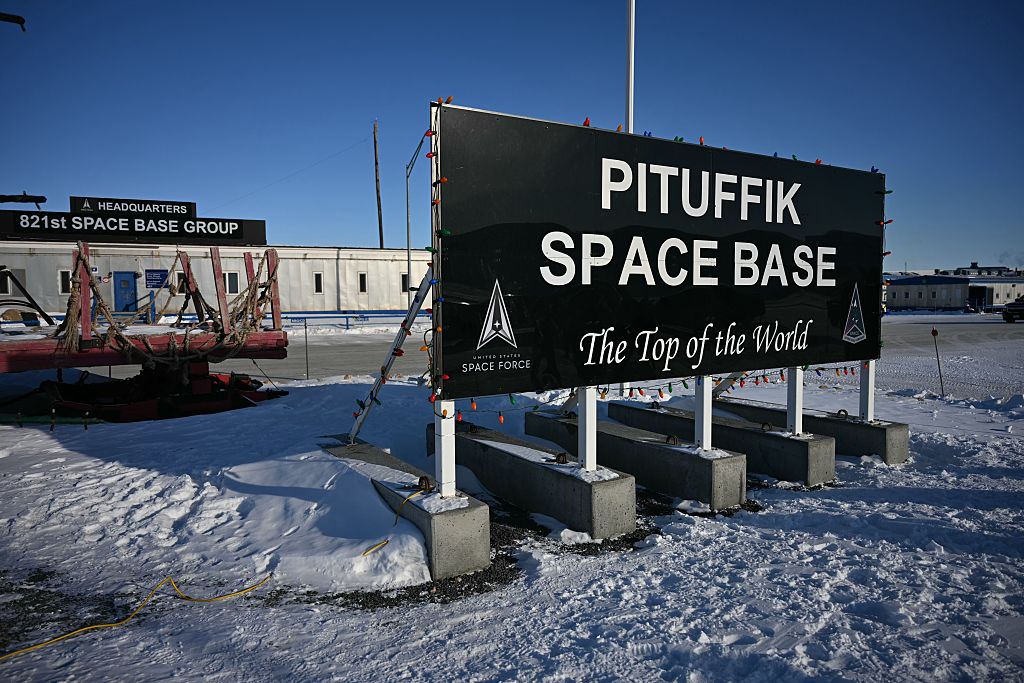
The installation supports missile warning and space-related missions and occupies a strategically important position between North America and Europe.
The new arrangement permits Washington to modernize and expand operations there, strengthening an installation that has served US defense interests for decades.
Can America build more bases
Yes, the agreement creates a framework for additional US defense sites rather than limiting Washington to Pituffik.
📍 The US is reportedly planning to establish two new military bases in Greenland as Washington seeks to expand its presence on the Arctic island
— Anadolu English (@anadoluagency) September 22, 2026
🔹 Narsarsuaq in southern Greenland, formerly a US military air base from 1941 to 1958
🔹 Mestersvig Outpost in eastern Greenland, a… pic.twitter.com/zIANNJd9Ug
That is a significant change from the island’s current footprint.
During the Cold War, the United States maintained 17 military installations and more than 10,000 personnel in Greenland.
Today, Pituffik is the only remaining permanent American base.
What does it block China and Russia
The arrangement seeks to prevent non-NATO adversaries from establishing military bases or maintaining a military presence in Greenland.
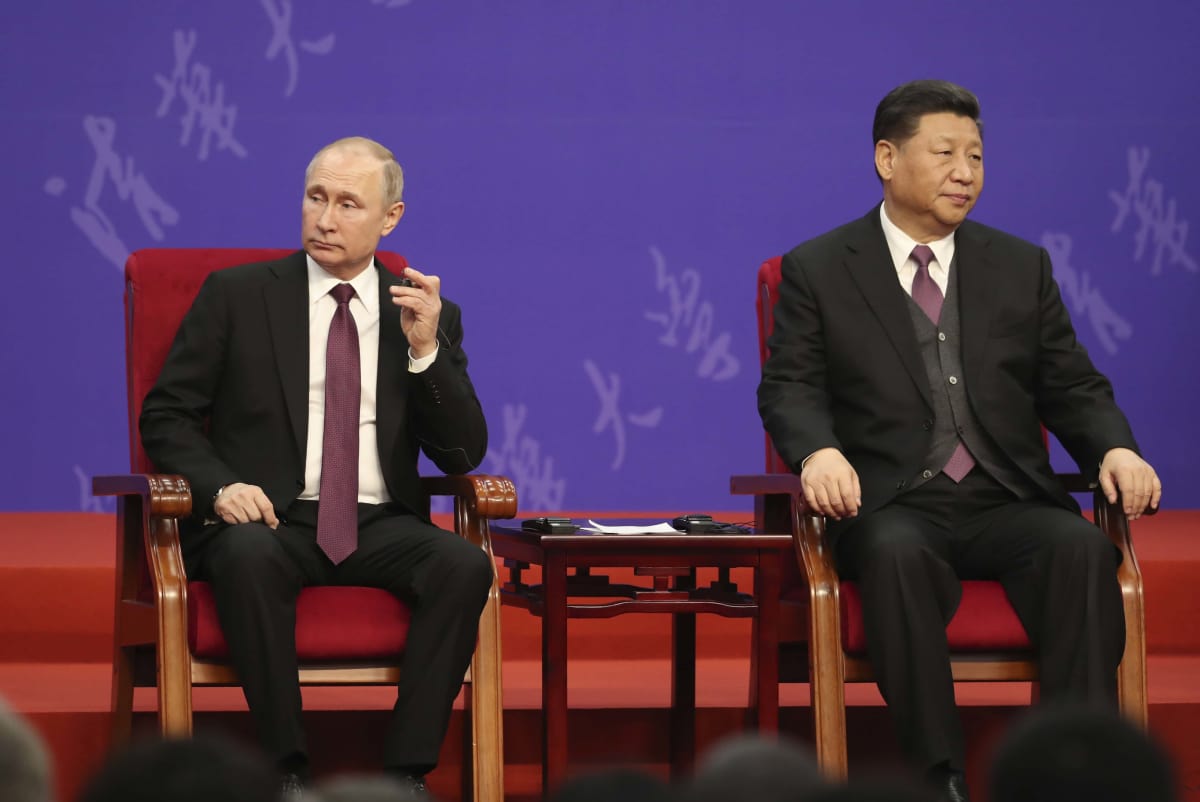
It also places restrictions on sensitive investment by outside powers.
That directly addresses Washington’s concerns about growing Russian and Chinese activity in the Arctic and gives the United States a larger role in determining the security environment around the island.
What if Greenland becomes independent
The agreement is designed to survive a future change in Greenland’s constitutional status.
Its provisions remain relevant even if Greenland becomes independent from Denmark.
It does not decide whether Greenland should become independent, nor does it transfer the island’s sovereignty to Washington.
Greenland’s government retains its right to self-determination under the arrangement.
How did Trump get from threats here
The agreement marks a major shift from Trump’s earlier demand to acquire Greenland.
I promise not to do this to Greenland! pic.twitter.com/03DdyVU6HA
— Donald J. Trump (@realDonaldTrump) August 20, 2019
He first proposed buying the island in 2019 and revived the idea during his second term, at times refusing to rule out military force.
Denmark and Greenland rejected a takeover while acknowledging growing Arctic security concerns.
The new deal instead expands American military access without changing sovereignty.
For Americans, that means a larger US defense footprint in the Arctic, stronger barriers against rival military activity and a long-term security arrangement with consequences for North American and NATO defense.
What changes after the deal
The biggest change is the scale and permanence of the US military role.
America already has access to Greenland through the existing defense framework, but the new agreement creates a broader structure for expanding facilities, establishing additional defense areas and restricting military activity by non-NATO countries.
Pituffik can be expanded, while Narsarsuaq and Mestersvig are set to become part of the expanded American defense footprint.

The agreement also strengthens scrutiny of sensitive foreign investment and bars non-NATO countries from establishing military bases or maintaining a military presence on the island.
What does not change is equally important: Greenland does not become US territory.
Danish sovereignty and Greenlandic self-determination remain intact, and the agreement is designed to continue even if Greenland later becomes independent.
For Americans, the practical change is a more substantial and potentially lasting US defense presence in the Arctic.
For Greenland and Denmark, the agreement preserves the existing constitutional relationship while bringing Washington deeper into the island’s security architecture.
The deal therefore changes America’s military position on Greenland, not who owns Greenland.