Trump touts ‘sophisticated beeper-type device' that saved a downed F-15E airman in Iran rescue
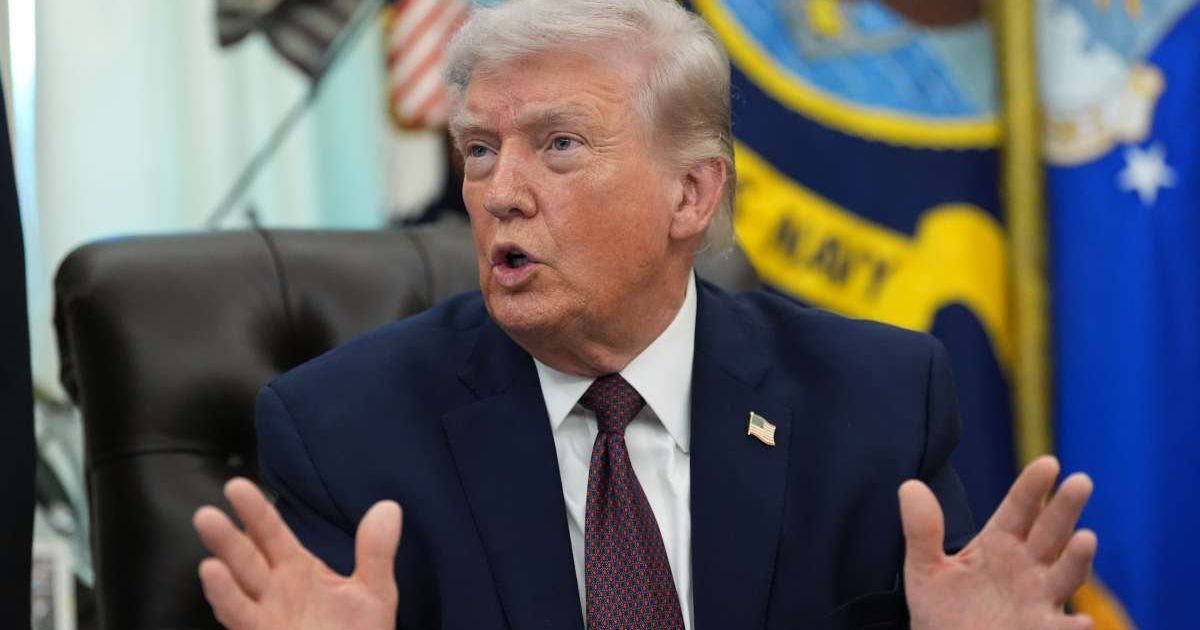
WASHINGTON, DC: A dramatic rescue mission involving a downed US airman in Iran has drawn attention after President Donald Trump revealed details about a “very sophisticated” device that played a key role in saving the crew member’s life.
Speaking at a White House press conference on Monday, April 6, Trump described how the injured airman survived nearly two days on the ground before being rescued.
The Air Force weapons systems officer reportedly evaded capture for almost 48 hours, all while dealing with injuries sustained during the incident.
INCREDIBLE: Trump reveals the rescued F15 pilot followed his training, started climbing nearby mountains to evade capture while bleeding, then treated his own wounds and contacted American forces to transmit his location pic.twitter.com/dCZS2ac24p
— TheBlaze (@theblaze) April 6, 2026
Airman survives 48 hours evading capture in Iran
According to Trump, the downed airman showed remarkable resilience while stranded in hostile territory. He described how the crew member navigated dangerous terrain despite being injured.
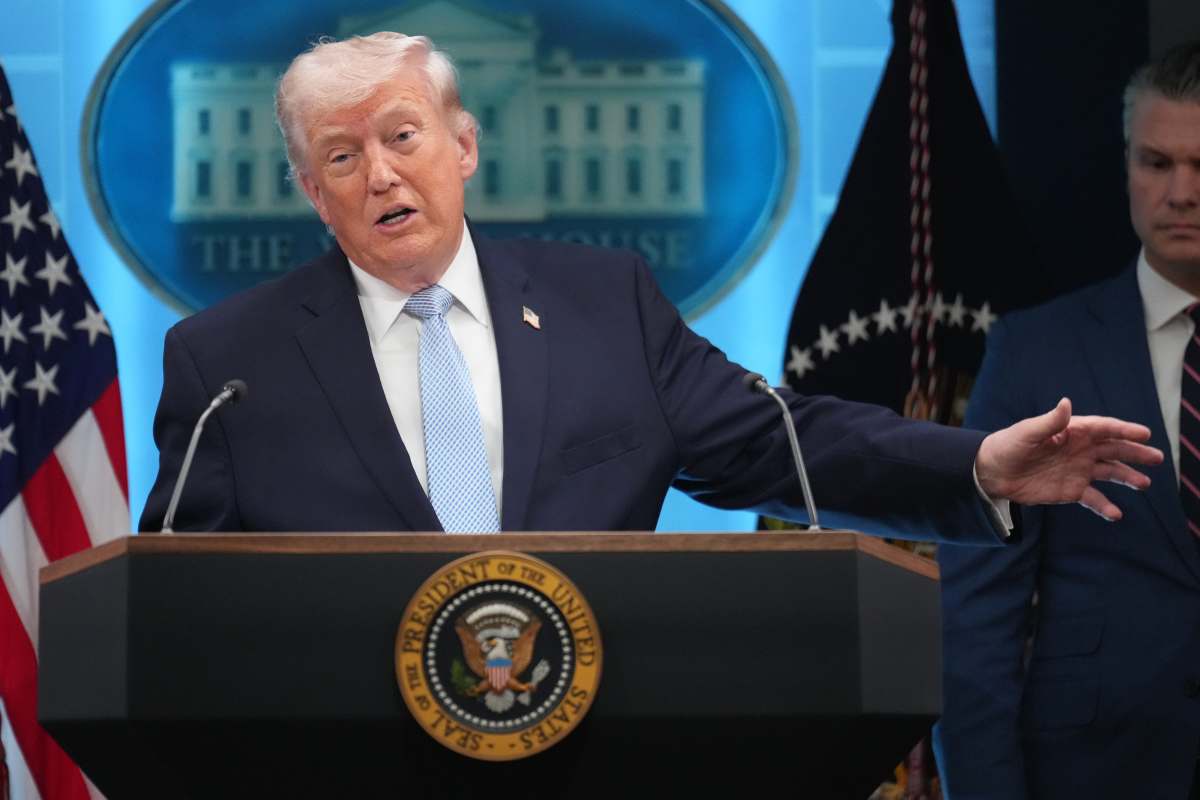
“He scaled cliff faces, bleeding rather profusely, treated his own wounds and contacted American forces to transmit his location,” Trump said, painting a vivid picture of the ordeal.
The airman’s ability to stay mobile and communicate with US forces proved critical. Even while injured, he managed to avoid capture and continue moving until help could reach him.
Beeper-like device helps locate downed US airman
At the center of the rescue was what Trump described as a “very sophisticated beeper-type apparatus.” The device, he said, is carried by airmen during missions and is designed to ensure they can be located in emergencies.
“They have a very sophisticated beeper-type apparatus that is on them at all times,” Trump explained. “When they go out on these missions, they make sure they have lots of battery space and they’re in good shape.”
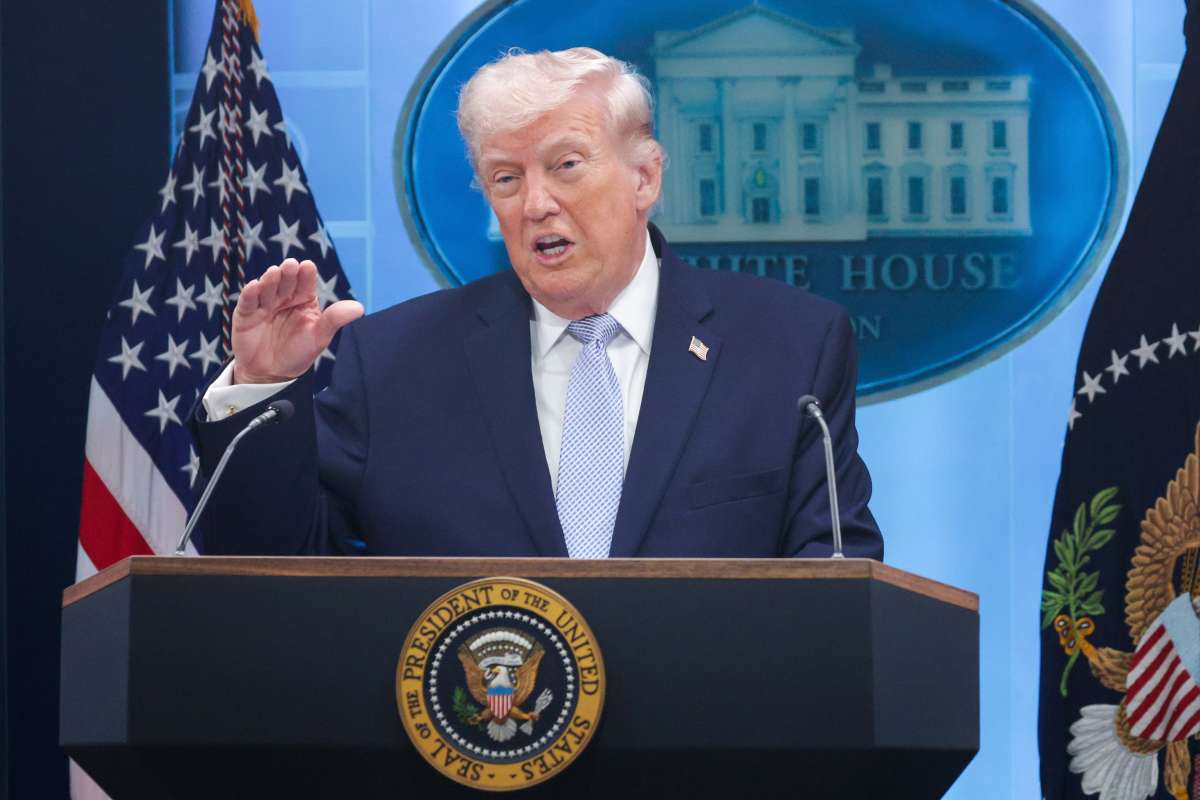
According to Trump, the device performed exactly as intended. “The downed airman’s beeper worked really well … amazingly” and ultimately “saved his life,” he said.
An Air Force official later identified the equipment as Combat Survivor Evader Locators (CSEL), which are carried by fighter pilots. These beacons are designed to emit signals that help rescuers track down personnel in distress.
Tracking beacon transmits signals to locate downed airman
The CSEL system works by transmitting encrypted distress signals that can be picked up by aircraft and satellites. Once activated, often automatically during an ejection, it allows rescuers to pinpoint the individual’s location.
The devices, which resemble walkie-talkies, can continuously send encrypted coordinates through military satellites. They also function as radios when rescue teams come within range, allowing direct communication.
Such technology has been used in past rescue missions as well, including an operation in Libya in 2011, where similar beacons helped locate and extract downed personnel.
In this case, the beacon allowed US forces to track the injured airman as he moved through difficult terrain, making it possible to plan a precise and timely rescue.
Massive US rescue mission backed by CIA deception
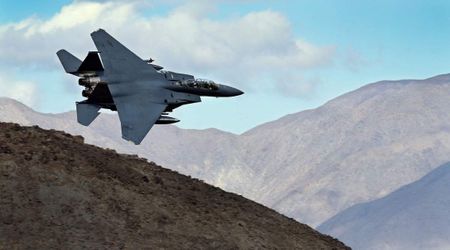
The operation to bring the airman home safely was anything but small. The US military deployed 155 aircraft, including four bombers, 64 fighter jets, 48 refueling tankers, and 13 rescue aircraft, as part of the mission.
At the same time, intelligence efforts were underway to ensure the operation’s success.
BREAKING: President Trump confirms the United States has just carried out one of the “most daring Search and Rescue Operations in U.S. History.”
— Collin Rugg (@CollinRugg) April 5, 2026
The statement comes as it was revealed that the 2nd crew member of the downed F15E fighter in Iran was rescued.
Amazing news. pic.twitter.com/4R2YDiQkx6
CIA Director John Ratcliffe revealed that the agency carried out a “deception campaign” aimed at confusing Iranian forces and buying time for both the airman and the rescue teams.
Iranian forces reportedly used sniffer dogs in an attempt to locate the downed crew member. However, those efforts were unsuccessful.
“Our intelligence reflects that the Iranians were embarrassed and ultimately humiliated by the success of this audacious rescue mission,” Ratcliffe claimed.