Trump warns Canada of 100% tariffs if it serves as China’s trade gateway
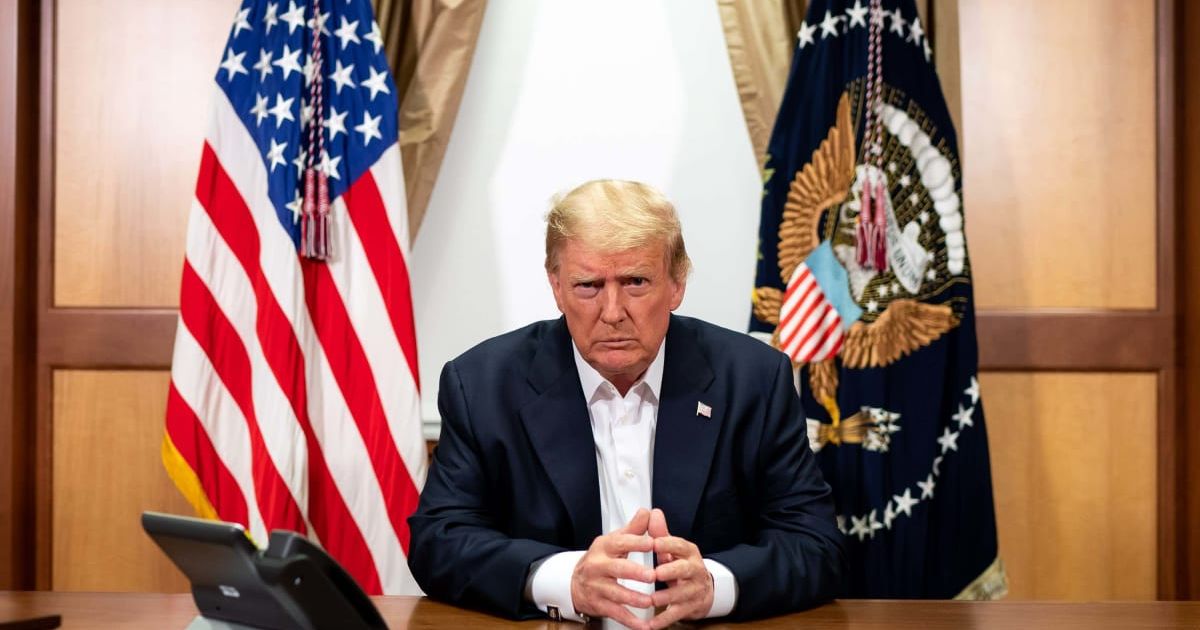
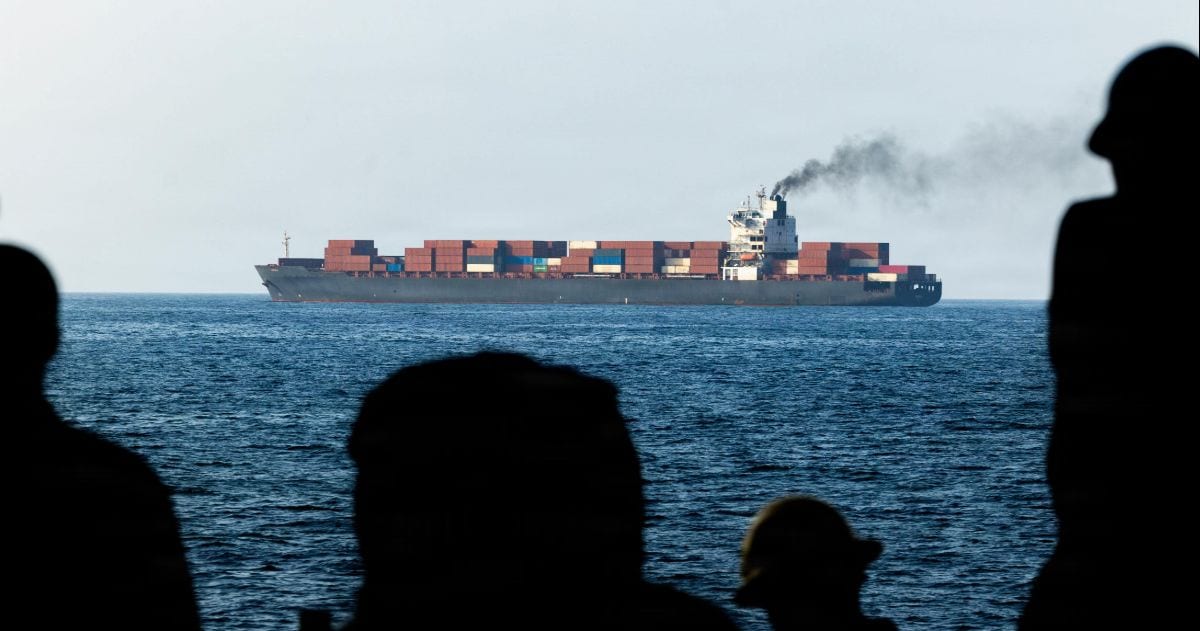
WASHINGTON, DC: President Donald Trump issued a sharp warning to Canada on Saturday, January 24, threatening to impose 100% tariffs on all Canadian imports if Ottawa moved ahead with plans to serve as a “drop off port” for Chinese goods bound for the United States.
In a post on Truth Social, Trump referred to Canadian Prime Minister Mark Carney as “Governor Carney,” accusing him of aligning with Beijing and warning that such a move would trigger sweeping economic retaliation.
“If Governor Carney thinks he is going to make Canada a ‘Drop Off Port’ for China to send goods and products into the United States, he is sorely mistaken,” Trump wrote. He warned that China would “eat Canada alive,” predicting damage to Canadian businesses, social stability, and its “general way of life.”
Trump warns of economic destruction
Trump said that any arrangement that channeled Chinese goods through Canada into the US would be met with “a 100% Tariff against all Canadian goods and products coming into the USA.”
The president’s remarks followed reports that Carney had recently negotiated a new “strategic partnership” with Beijing. Trump framed the issue as more than a trade dispute, casting it as a direct threat to US economic security and signaling that he was prepared to use access to the American market as leverage to block the plan.
Mark Carney pivots to Beijing partnership
"If great powers abandon even the pretense of rules and values for the unhindered pursuit of their power and interest, the gains from transactionalism will become harder to replicate," says PM Mark Carney as he addresses the World Economic Forum in Davos, Switzerland.
— CPAC (@CPAC_TV) January 20, 2026
#cdnpoli pic.twitter.com/e547meVfU9
The dispute traces back to Carney’s recent diplomatic outreach to China, which he described as a recalibration for a changing global landscape. Speaking in Davos this week, Carney said that the “rules-based order” was fading and urged “middle powers” to cooperate in a new era.
That message came after a visit to Beijing, where Carney committed to expanding trade, investment, and cooperation on what his office described as “global governance.”
The effort was seen as an attempt to diversify Canada’s economic ties away from its southern neighbor. Trump’s response underscored the potential cost of that shift.
Carney argued that “if we’re not at the table, we’re on the menu,” while Trump’s warning suggests that Canada could face steep consequences for the pivot.
Critics say Mark Carney ignores Beijing's rights record
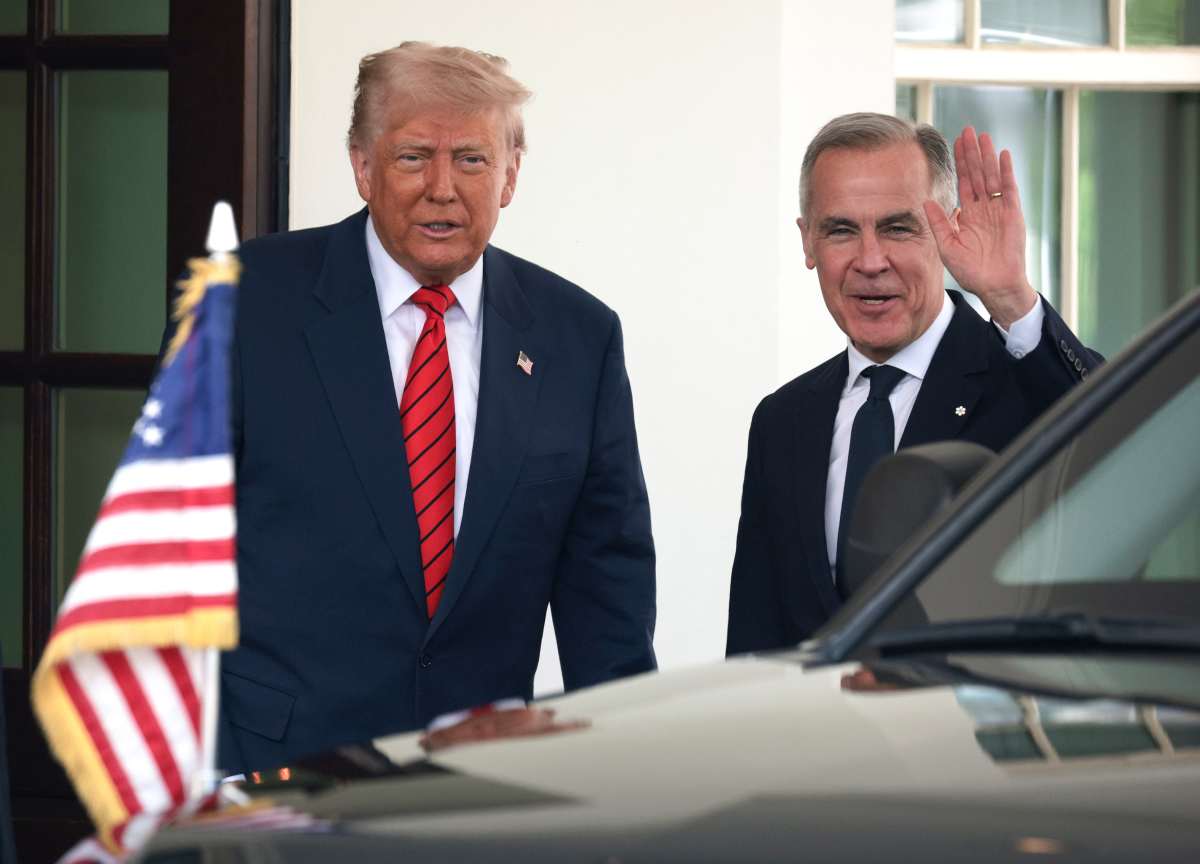
Critics contended that Carney’s approach overlooked Beijing’s record. Brent Sadler, a senior research fellow at the Heritage Foundation, said the move conflicted with Canada’s stated principles.
“The reality is he went to a country of an authoritarian communist regime that doesn't acknowledge or respect religious freedoms,” Sadler told Just the News.
He cited United Nations findings that China committed “serious human rights violations” against Uyghurs, abuses the US State Department labeled as genocide. Sadler argued that deepening ties with Beijing undercut the values Carney said he was defending.
Howard Lutnick dismisses Mark Carney's trade proposal
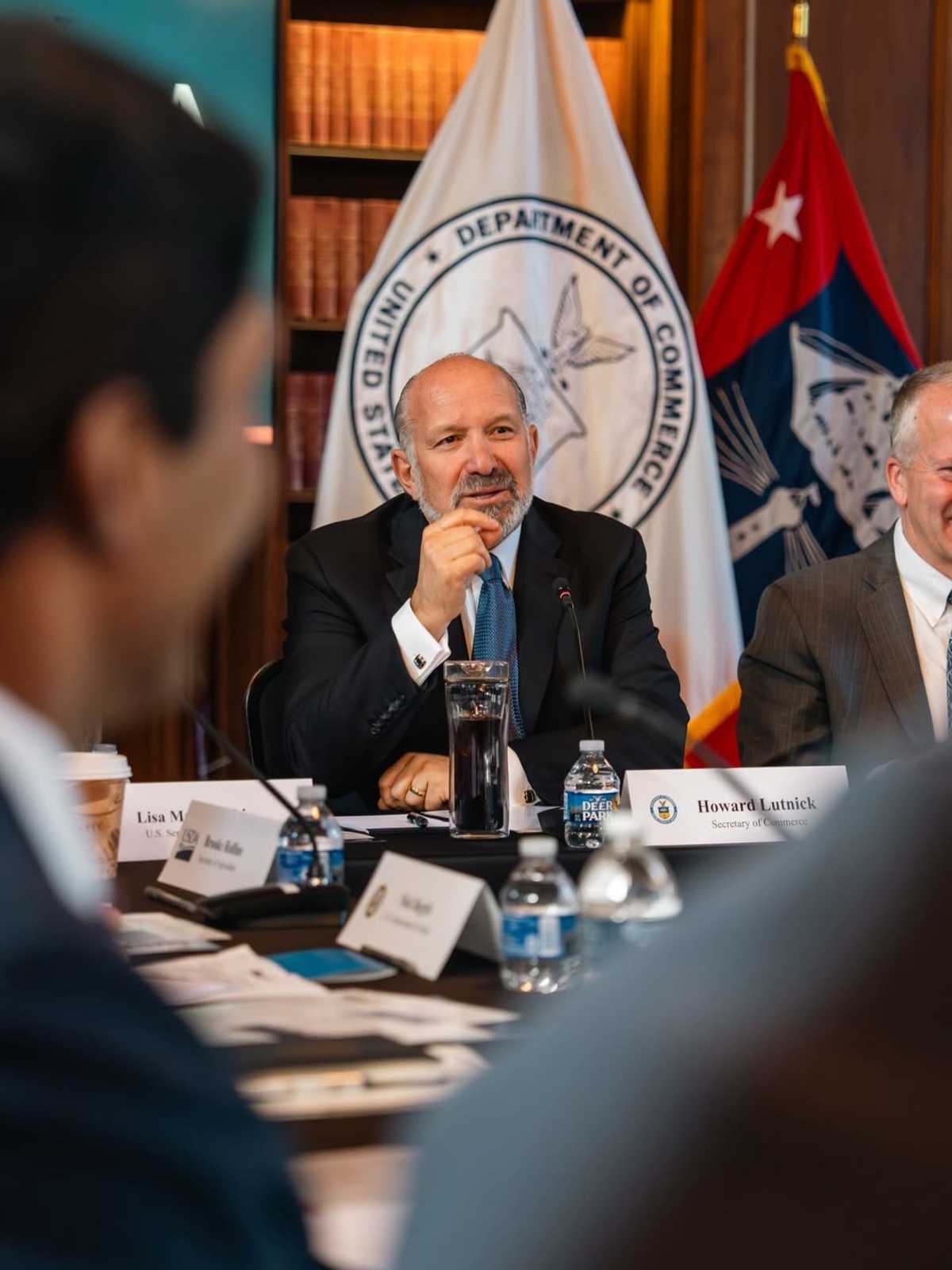
The economic stakes are significant. Commerce Secretary Howard Lutnick dismissed Carney’s proposal as “the silliest thing I’ve ever seen,” noting that more than 75% of Canadian exports go to the United States, compared with about 10.5% destined for the Indo-Pacific.
Lutnick said that Canada is “playing with a set of rules that they haven’t really thought through.”
With the USMCA trade agreement approaching review, Sadler predicted that the strategy would “fall apart fairly quickly,” arguing that domestic pressure on Canada could force Carney back to the negotiating table with Trump.