Commerce Secretary Howard Lutnick rebukes globalization in Davos address: 'It's a failed policy'
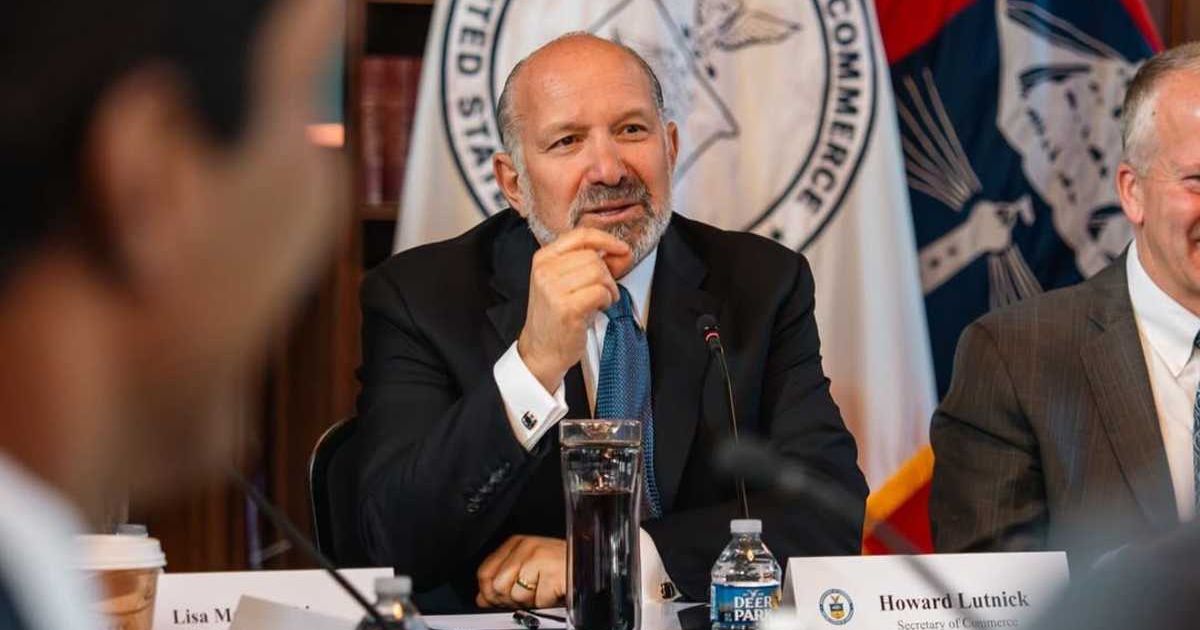
DAVOS, SWITZERLAND: Commerce Secretary Howard Lutnick delivered a direct rebuke to the global economic establishment this week, telling leaders gathered at the World Economic Forum that the system they built had failed. Speaking in Davos, Lutnick said that the Trump administration had come with a clear message: The era of unchecked globalization is over.
“Globalization has failed the West and the United States of America. It’s a failed policy,” Lutnick said. He argued that the model long promoted by the WEF - centered on offshoring production and chasing the lowest labor costs - has hollowed out American industry and left US workers behind.
Howard Lutnick says globalization failed the West and America
Globalization has FAILED.
— U.S. Commerce Dept. (@CommerceGov) January 20, 2026
Secretary Lutnick at the World Economic Forum:
“The Trump Administration and I are here to make a very clear point—globalization has failed the West and the United States of America. It’s a failed policy… and it has left America behind.”
America is… pic.twitter.com/Urxl7pZwSe
Lutnick directly linked the forum’s philosophy to the economic dislocation reportedly felt across the United States. “It is what the WEF has stood for, which is export, offshore, far shore, find the cheapest labor in the world, and the world is a better place for it,” he said.
He rejected that premise, saying that the outcome has been industrial decline at home. “The fact is, it has left America behind. It has left the American workers behind,” Lutnick added, framing the administration’s presence in Switzerland as a signal that Washington was no longer willing to export its production base.
Howard Lutnick claims 'America First' prioritizes domestic workers

Lutnick described 'America First' as a governing framework rather than a slogan. He said that the approach centered on putting domestic workers at the front of economic policy and urged other nations to consider similar models.
“America First is a different model, one that we encourage other countries to consider, which is that our workers come first,” he said. He tied economic policy to state authority, adding, “Sovereignty is your borders. You’re entitled to have borders.”
Sovereignty means ending industrial offshoring

The secretary laid out a doctrine focused on domestic control of critical industries. “You shouldn’t offshore your medicine. You shouldn’t offshore your semiconductors,” Lutnick said.
He argued that nations cannot allow their “entire industrial base” to erode, warning against dependence on foreign supply chains for essential goods. “If you’re going to be dependent on someone, it darn well better be your best allies,” he said, contrasting that view with what he described as the WEF’s traditional outlook.
Howard Lutnick claims Europe risks subservience to China
Lutnick also challenged European climate policy, questioning the feasibility of net-zero targets without domestic manufacturing capacity. “Why would Europe agree to be net zero in 2030 when they don’t make a battery?” he asked.
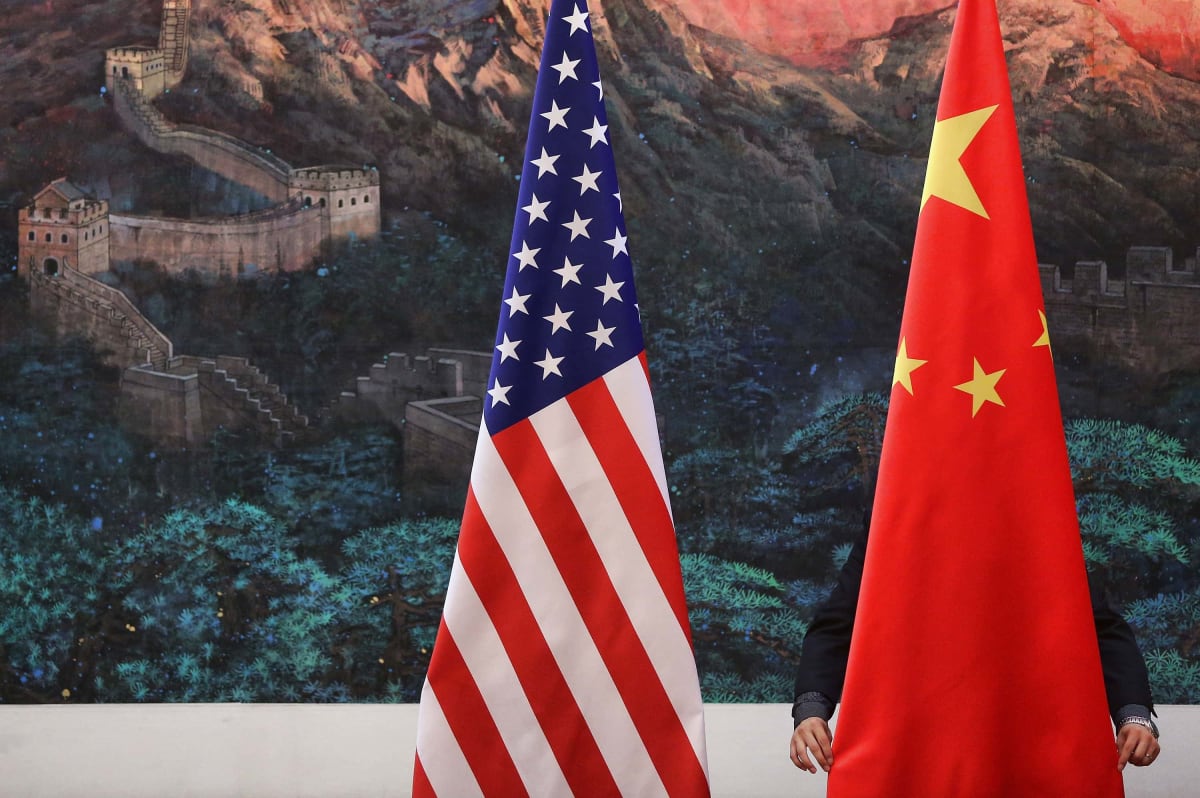
He warned that pursuing those goals without building industry at home created strategic dependence. “If they go 2030, they are deciding to be subservient to China, who makes the batteries,” Lutnick said, casting the administration’s message as a call for economic independence in an era of intensifying global competition.