Trump weighs axing Tulsi Gabbard as intelligence chief after Iran testimony: Report
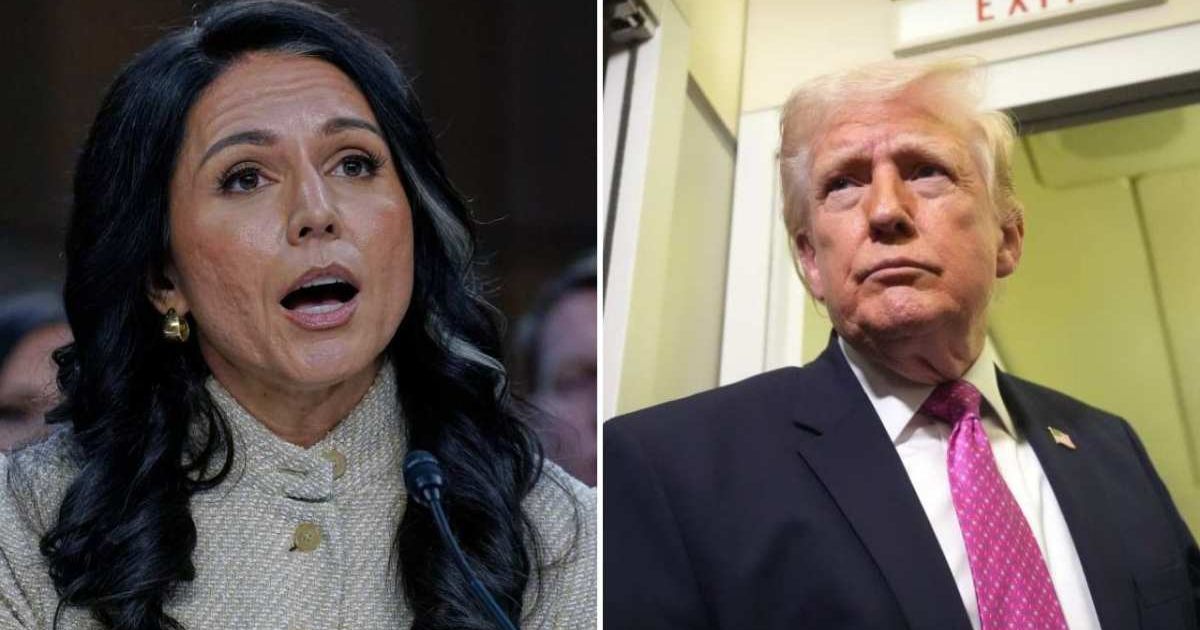
WASHINGTON, DC: President Donald Trump has privately sounded out cabinet officials in recent weeks on whether to replace Director of National Intelligence Tulsi Gabbard, reflecting mounting frustration over her handling of sensitive national security issues.
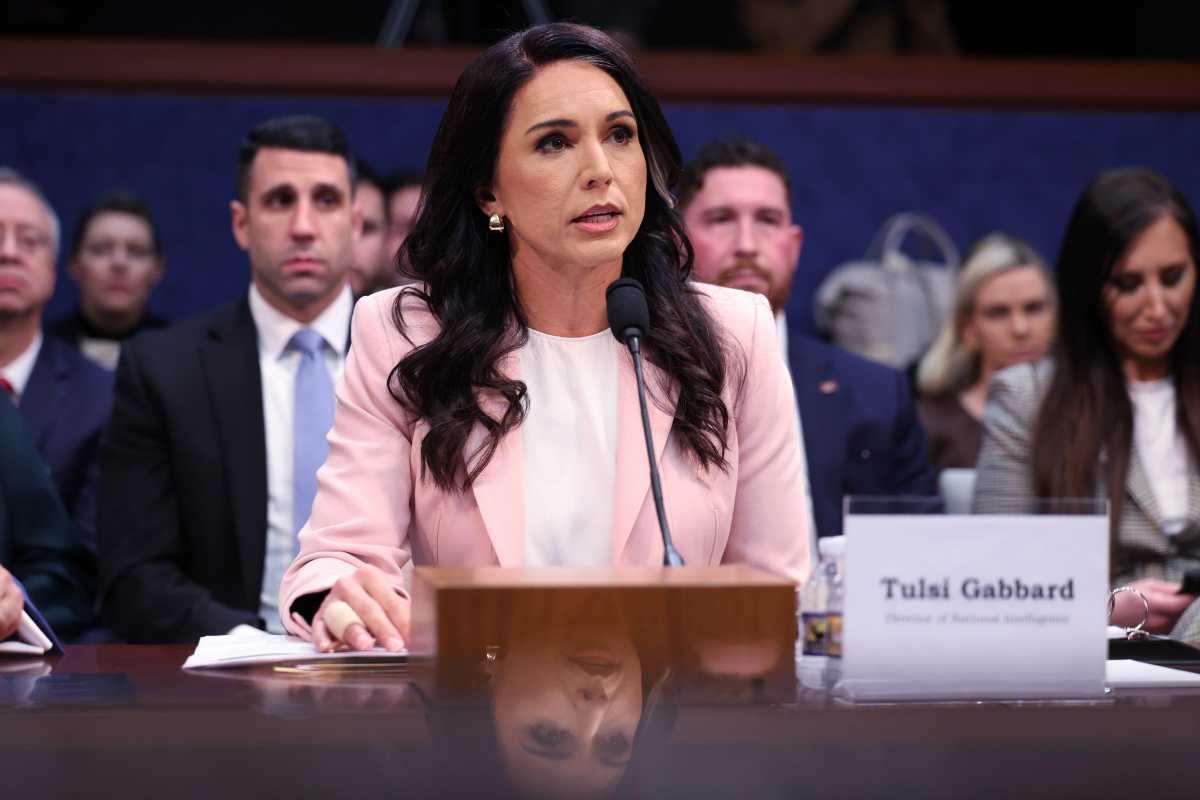
According to a report from The Guardian, the immediate trigger appears to have been her testimony before Congress at a worldwide threats hearing, where she declined to criticise former Deputy Joe Kent, who had questioned the urgency of the threat posed by Iran.
Kent’s remarks had already angered Trump, but sources said the president was particularly dissatisfied with Gabbard’s perceived defence of him and her reluctance to forcefully back the administration’s justification for military action.
The episode has intensified scrutiny of her role at a time when the administration is seeking to maintain a unified front on the Iran conflict.
No clear successor and mixed signals from Trump
Despite the growing tensions, it remains unclear whether Trump will ultimately move to remove Gabbard.
Advisers have warned against creating a high-profile vacancy without a ready replacement, cautioning that such a move could trigger political distractions and complicate intelligence coordination during an ongoing conflict.
Trump’s approach to personnel decisions in his second term has also leaned toward reassignment rather than outright dismissal, as seen in the recent reshuffling of senior officials.
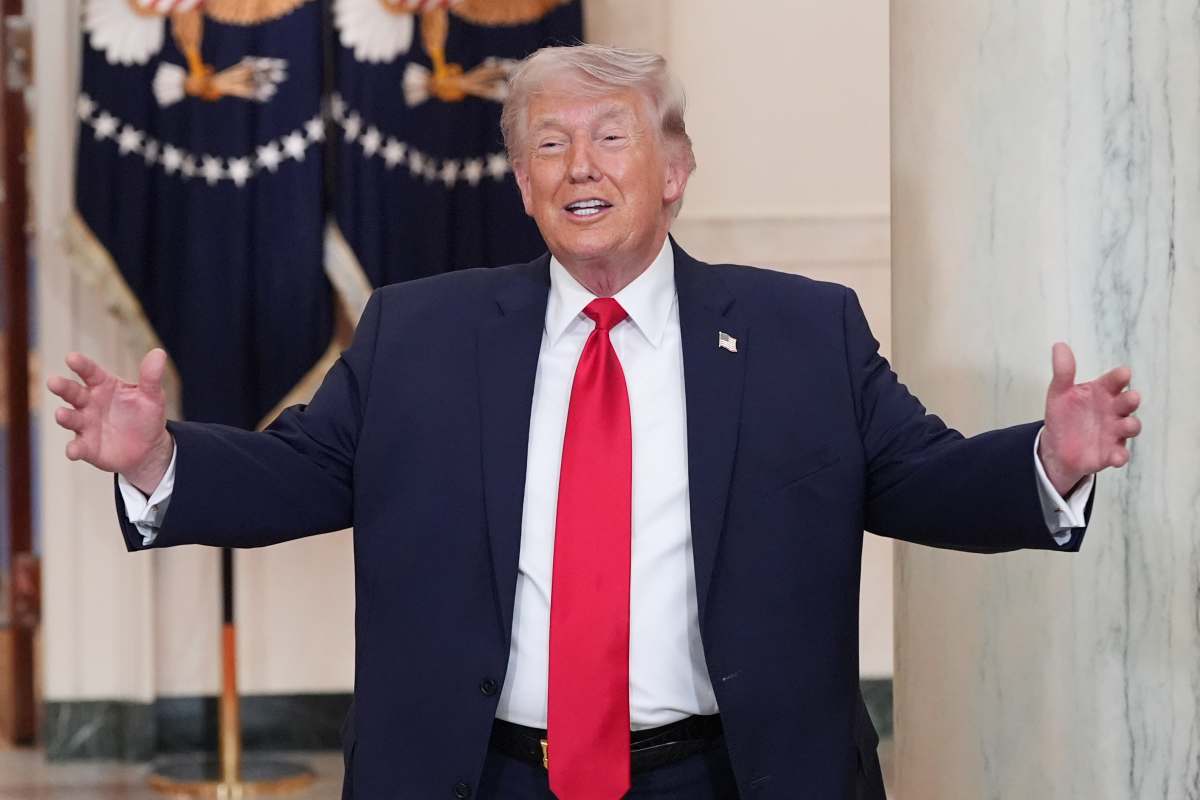
Publicly, he has offered a qualified endorsement of Gabbard, acknowledging differences in their perspectives while maintaining that she remains fit to serve. The White House has echoed that stance, emphasising her contributions and ongoing work.
Still, Trump’s habit of informally polling advisers before making major staffing decisions is seen by insiders as a strong indicator that Gabbard’s position is under serious review.
Pattern of friction and mounting controversies
Gabbard’s tenure has been marked by recurring friction with the president and other officials, often rooted in her long-standing scepticism of US military interventions.
Her congressional testimony aligned with earlier positions questioning pre-emptive strikes and warning against deeper entanglement in foreign conflicts, views that have at times clashed with Trump’s more aggressive posture.
Additional controversies have compounded the strain. Trump publicly contradicted her assessment that Iran had not decided to build a nuclear weapon, and he was reportedly irritated by a video she released highlighting the horrors of nuclear war.
Her decision to revoke dozens of security clearances without prior coordination also drew backlash within the administration, prompting internal disputes that required White House intervention.
At the same time, Gabbard has retained pockets of support, including for intelligence findings that aligned with Trump’s past claims on election interference.
Her allies argue she has been navigating a complex and often thankless role, balancing competing intelligence assessments while remaining engaged in high-level decision-making on Iran.