Trump White House walkway upgrade used nearly $700K in taxpayer funds: Report
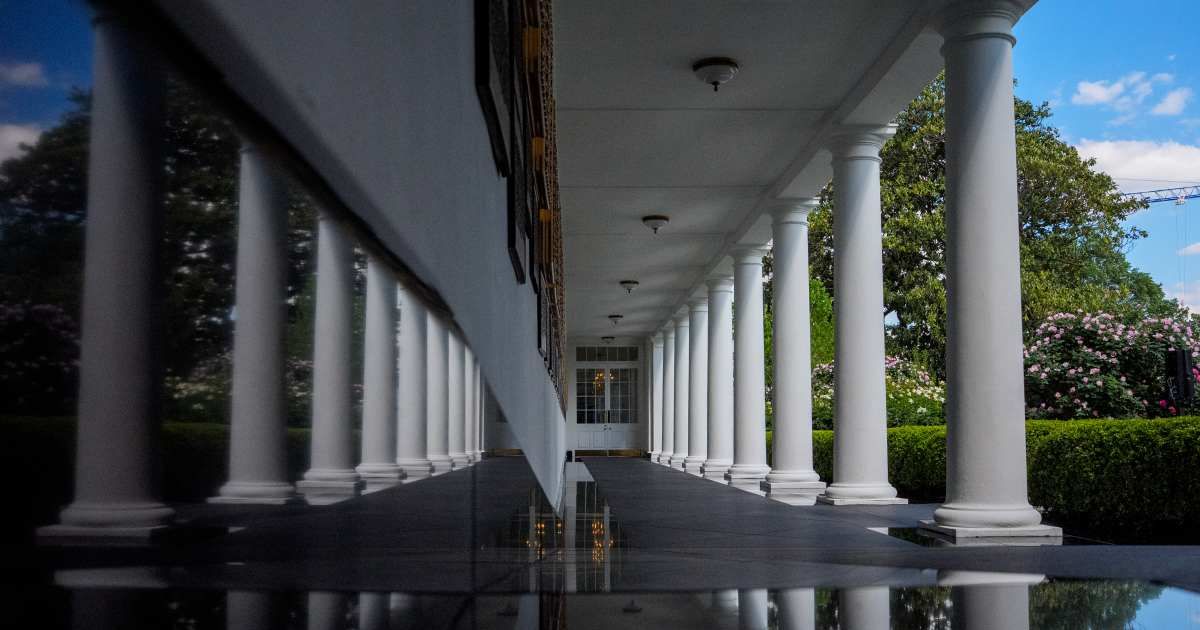
WASHINGTON, DC: Questions over funding for renovations at the White House resurfaced after a new report examined internal federal budget documents detailing the cost of a walkway project near the Oval Office.
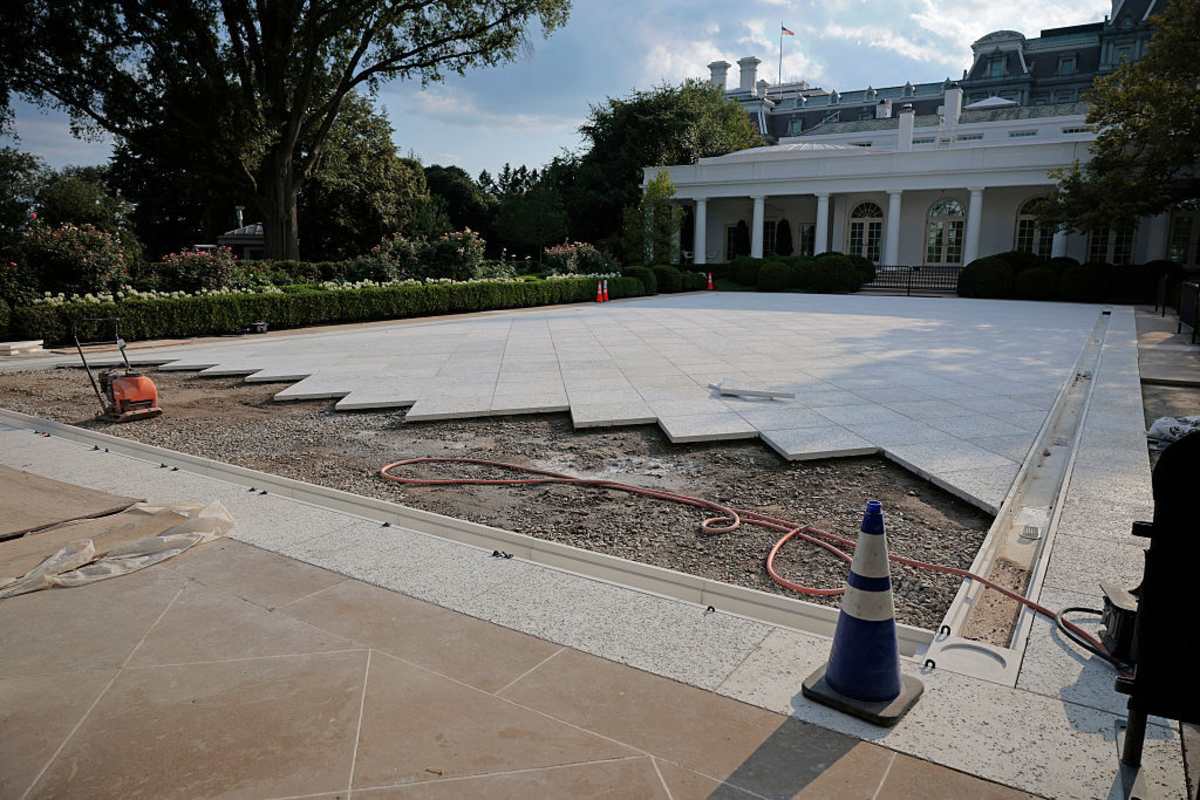
The report, published over the weekend, says the records show taxpayer funds were used for the renovation despite President Donald Trump's earlier statement that he personally paid for the work. According to the report, documents obtained by The Atlantic show that replacing the pathway connecting the executive residence to the Oval Office cost $689,232.
The renovation reportedly replaced historic Tennessee flagstone with polished, Italian-carved African granite featuring a flamed-finish stripe. The documents also indicate that the work was part of a $1.3 million project that included masonry repairs and new door hardware.
Budget records challenge Trump's funding claim
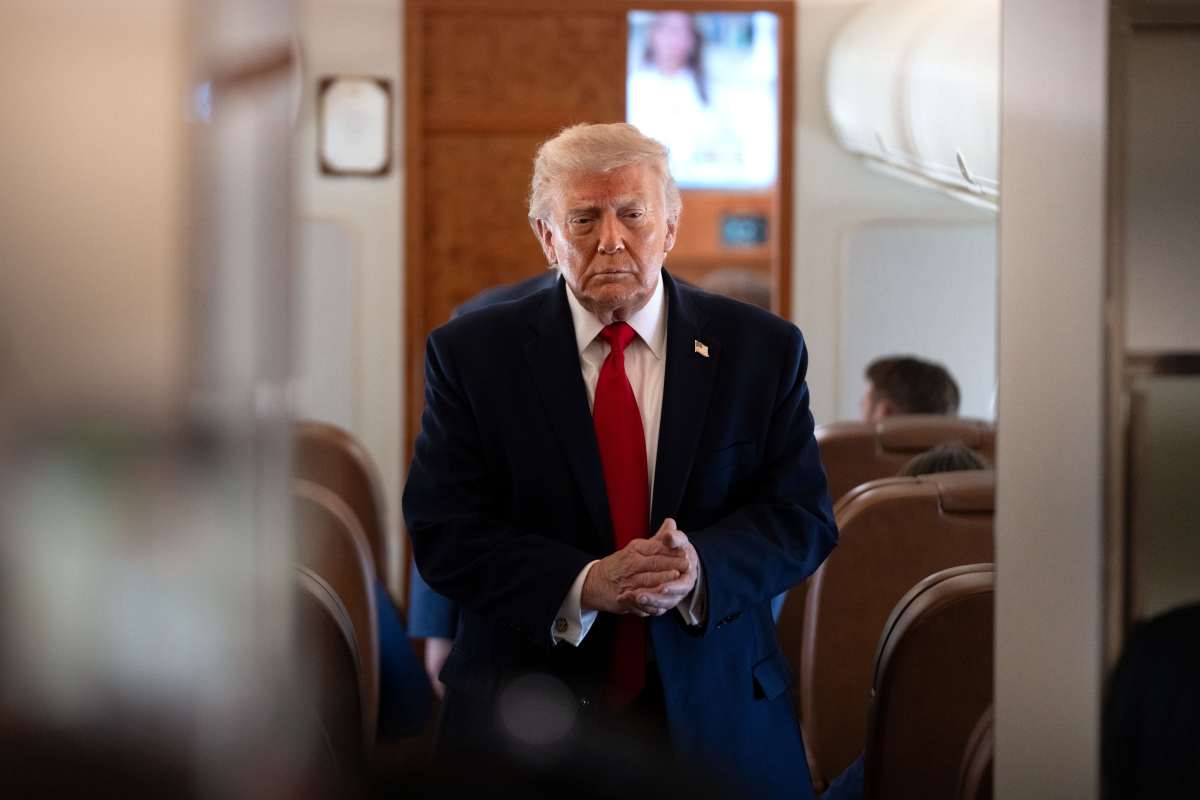
The report notes that when Trump was asked by reporters in March how the walkway project was funded, he replied that it was "paid for by me." However, the budget documents reviewed by The Atlantic reportedly attribute the funding to National Park Service resources rather than private payments.
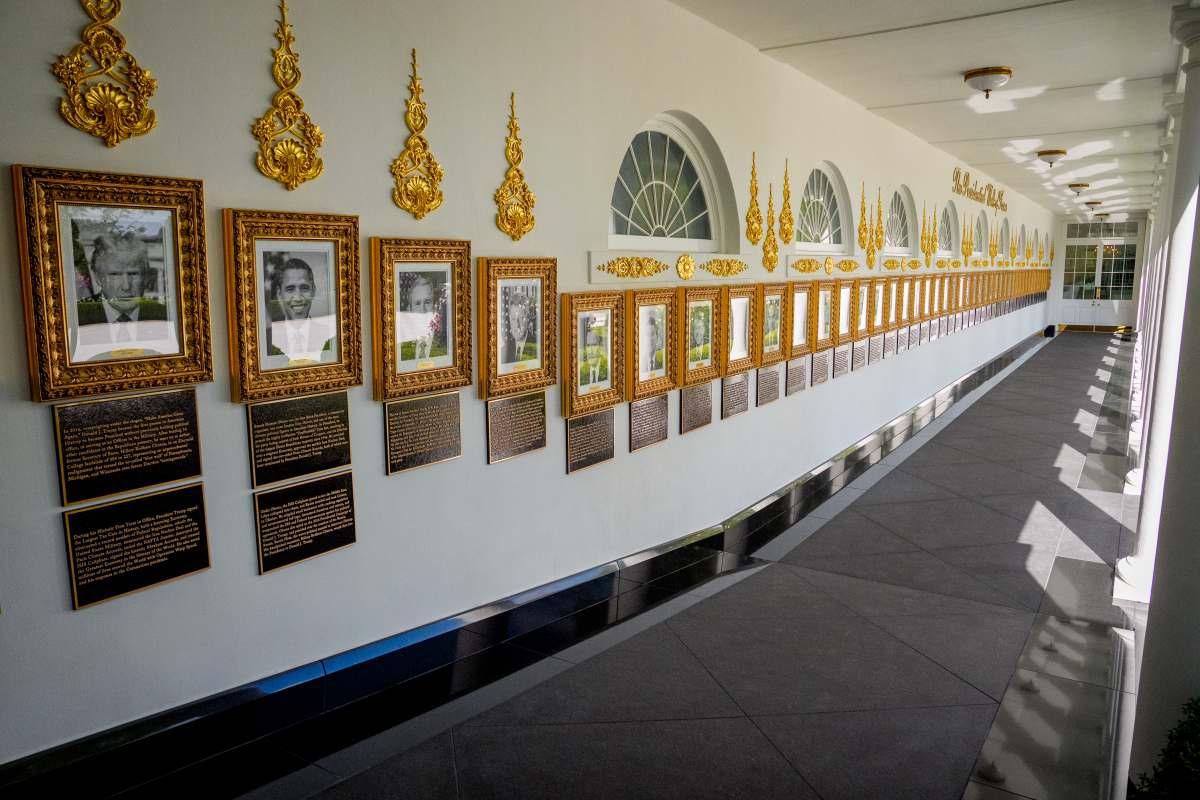
The publication also reported that a separate $347,503 "rush project" was approved a year earlier to replace stucco on the White House colonnade wall, allowing for the installation of gold frames and plaques criticizing previous administrations.
The report frames the walkway project as part of a broader series of White House improvement efforts carried out during Trump's second term.
Report details National Park Service funding shifts
According to the report, spending in the National Capital Region increased by 92 percent over the last year through maintenance accounts and more than $100 million collected in national park fees.
During the same period, spending on projects outside Washington reportedly fell by $854 million compared with the previous fiscal year.
The report says more than 900 planned maintenance projects across the National Park Service system lost expected funding.
Among the examples cited were a $1.5 million roof replacement at the Yellowstone Center for Resources, a $3 million transportation project at Acadia National Park, and a $424,000 guardrail replacement at Black Canyon in Colorado.
Emily Douce, a lobbyist with the National Parks Conservation Association, told The Atlantic, "The president is prioritizing DC at the expense of parks throughout the country."
"There is $24 billion of maintenance needs throughout the National Park Service system, and adding these new vanity projects just adds to the need," she added.
Report details Park Service workforce reductions
The report also says the National Park Service has lost nearly a quarter of its workforce since 2025 through terminations, retirements, and federal buyouts.
Trump's proposed 2027 budget reportedly calls for reducing staffing by another 3,967 full-time positions.
Internal memos cited by the publication reportedly instructed employees to adopt an "all-hands-on-deck approach" for the nation's upcoming 250th anniversary celebrations, with around 450 personnel from more than 200 parks reassigned to Washington.
An anonymous Park Service employee told The Atlantic that some parks had as much as 70 percent of their anticipated project funding withdrawn, adding that "signage and exhibits won't be improved, youth programs can't be offered, that a trail is not improved."
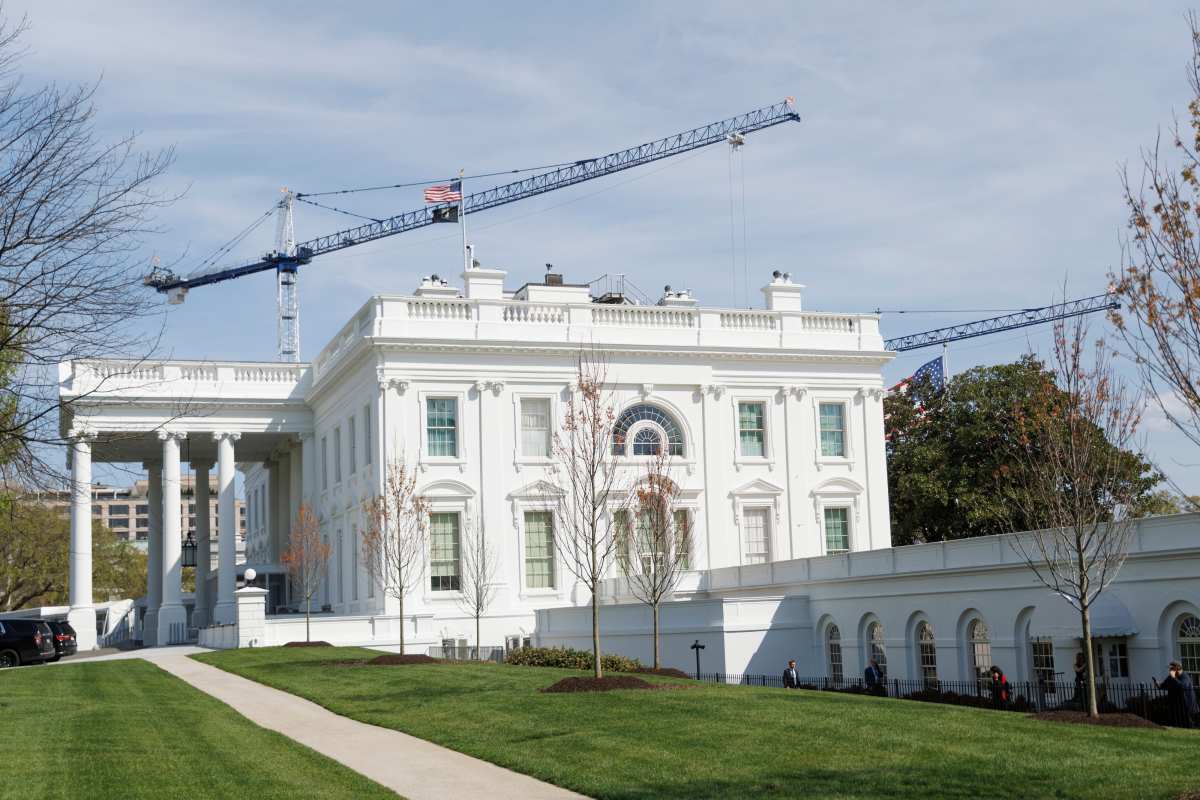
The report says the administration's renovation plans extend beyond the walkway. It notes that $32,095 was approved to maintain statues placed in the Rose Garden, while larger projects include plans for a new East Wing ballroom.
According to the report, White House spokesperson Davis Ingle said the East Wing project was "inextricably tied to the security of the President" and confirmed that Trump and his allies would contribute roughly $400 million toward the effort.
The report also says future plans include a new South Lawn landing pad for Marine One helicopters, with budget documents indicating that the estimated $5 million project would be funded through a donation from defense contractor Lockheed Martin.