US pilot survives friendly fire shootdown before Iran downing weeks later
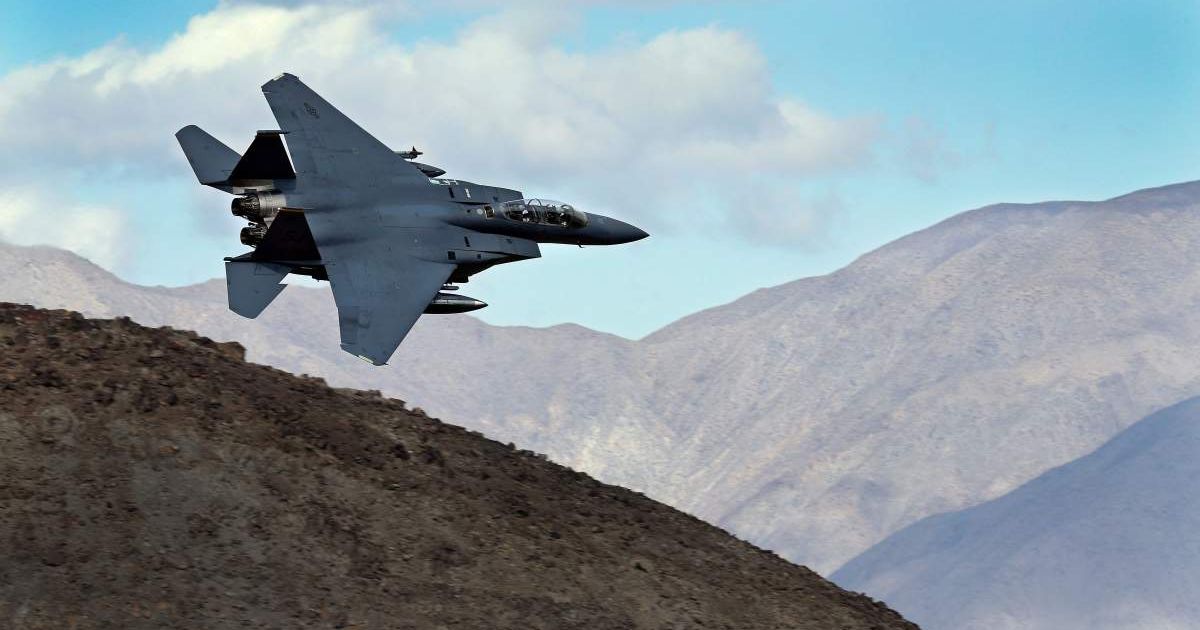
WASHINGTON, DC: A US Air Force F-15E Strike Eagle pilot was shot down over Iran in April after having survived a separate friendly fire incident just weeks earlier in Kuwait, according to multiple reports. The unusual sequence of events has drawn attention due to the rare instance of the same pilot surviving two separate shootdowns within a short span.
The pilot was among six crew members who ejected safely on March 2 after Kuwaiti air defenses mistakenly downed US F-15E Strike Eagles during the early phase of heightened regional conflict. The incident occurred amid ongoing Iranian missile, drone, and aircraft activity across the region.
Pilot returned to duty after Kuwait friendly fire incident
US Central Command described the March incident as an “apparent friendly fire incident,” as Kuwaiti forces responded to aerial threats in the region. Kuwait later acknowledged responsibility and opened investigations alongside US authorities.
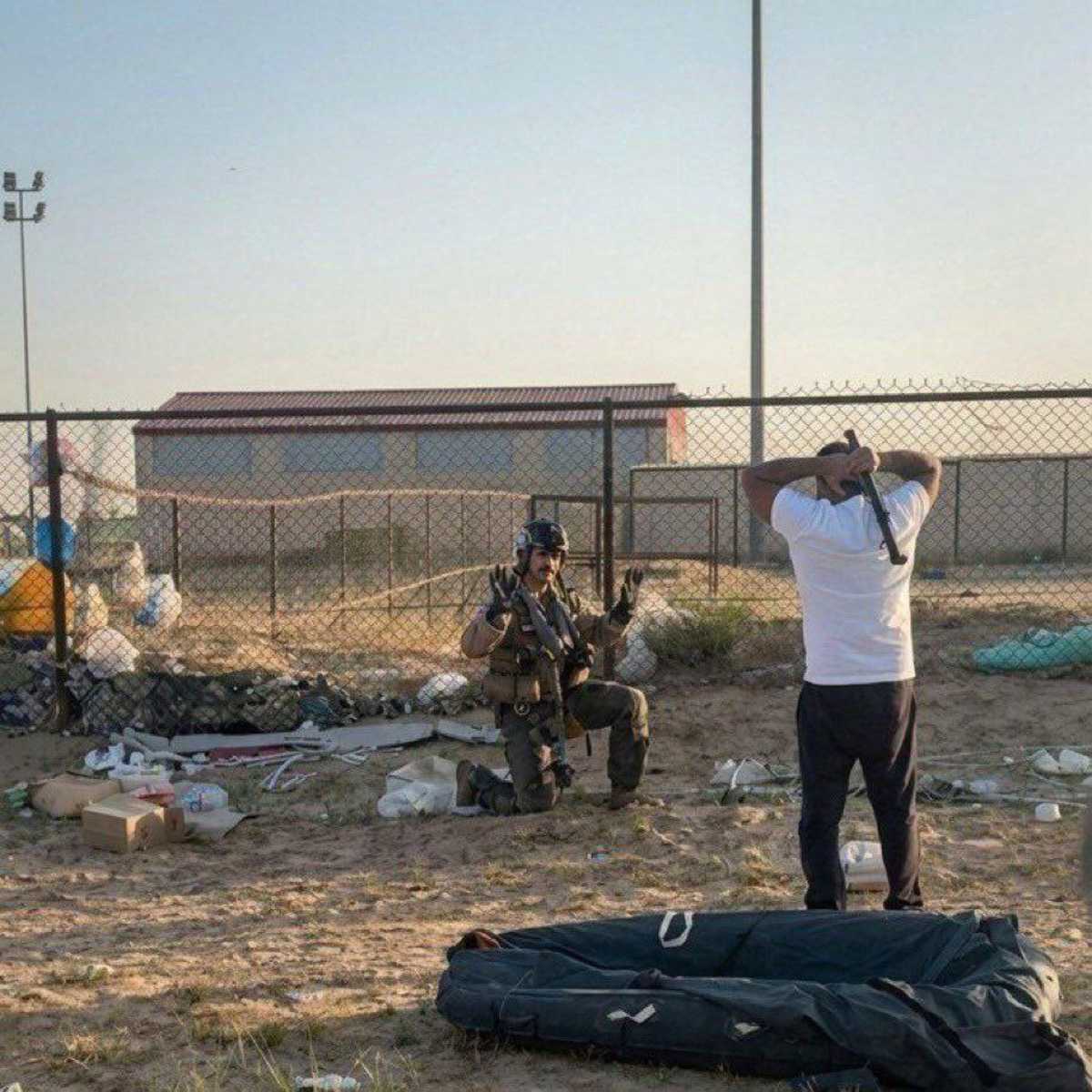
The pilot survived the ejection and returned to active flying duties after the March incident, resuming combat operations within weeks despite the earlier loss of aircraft.
F-15E Strike Eagle downed over Iran during combat sortie
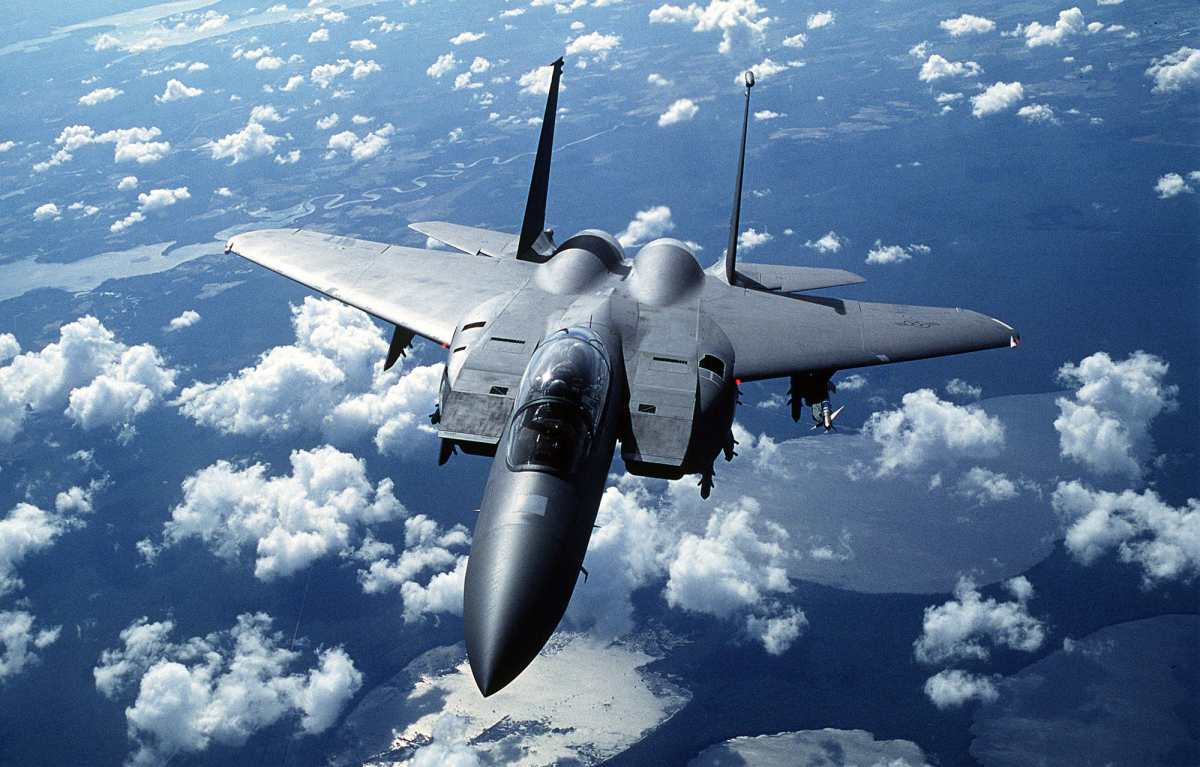
The same pilot was later shot down on April 3 while flying another F-15E Strike Eagle over southwestern Iran near the Iraq border. The aircraft, identified by callsign DUDE44, was hit during a combat mission in contested airspace.
Reports differ on the source of the strike, with some accounts pointing to allied fire during active engagements and others attributing it to Iranian forces using shoulder-fired missiles. Both crew members ejected safely, with one rescued within hours and the other recovered after an extensive search and rescue operation.
Large scale rescue mission inside Iranian airspace
The April recovery operation was described as one of the largest combat search and rescue missions of the conflict, involving around 155 aircraft including fighters, bombers, tankers, and rescue platforms.
Two MC-130 Commando II aircraft were deployed to support extraction efforts and later landed on rough terrain to assist helicopter operations. The aircraft and helicopters were subsequently destroyed to prevent sensitive equipment from being captured.
Military officials praise survival and recovery effort
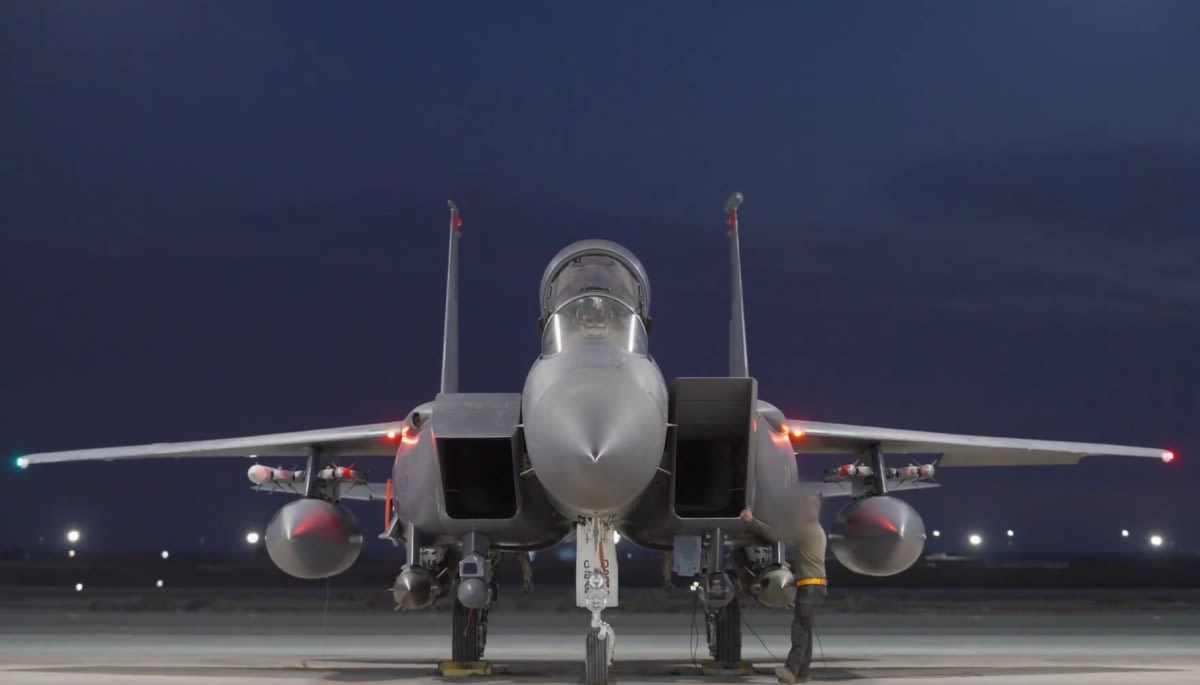
Joint Chiefs Chairman Gen. Dan Caine praised the aircrew following the rescue, highlighting their training and resilience while operating under combat conditions.
“The courage demonstrated by both the pilot and the weapons system officer while isolated and evading the enemy cannot be overstated,” he said. “Their grit and warfighting tenacity is a direct result of the absolute trust they have in our rescue forces, their training and their will to survive and return.”
The US Air Force and US Central Command have not released additional details regarding the pilot’s identity or further clarification on the two incidents.