Trump’s $1.5T military surge cuts domestic programs for 2027 defense boost
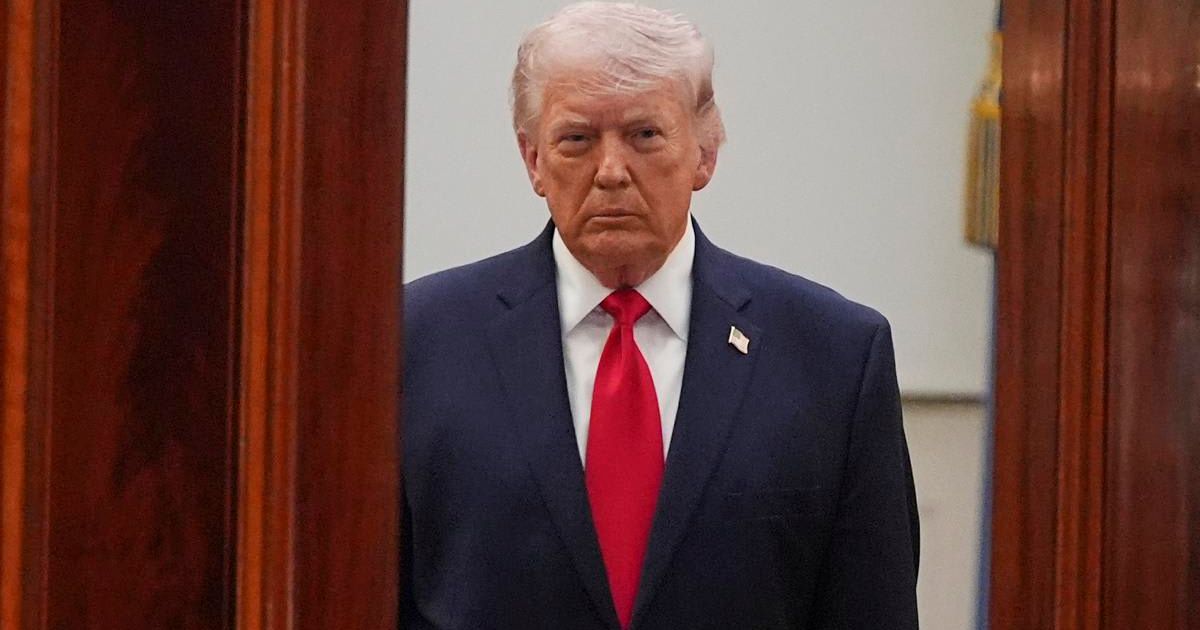
WASHINGTON, DC: President Donald Trump on Friday, April 3, proposed a $1.5 trillion defense budget for fiscal year 2027, marking the largest military funding request in US history.
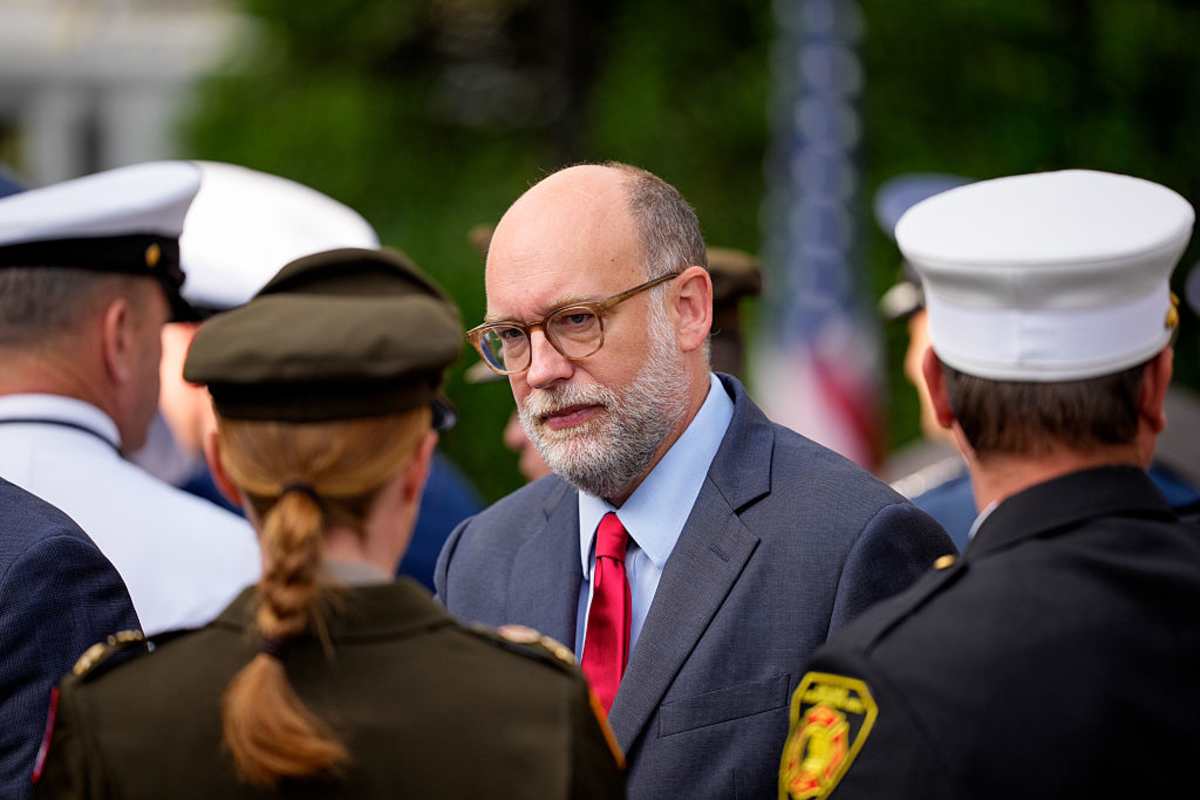
The proposal, outlined by Budget Director Russ Vought, comes as the administration continues to prioritize defense spending amid ongoing global conflicts and rising geopolitical tensions.
The plan arrives against the backdrop of a $39 trillion national debt and annual deficits nearing $2 trillion.
To offset the proposed increase in military spending, the administration has outlined a 10% reduction in non-defense discretionary spending, shifting greater responsibility for certain programs to state and local governments.
‘War first’ doctrine sidelines social programs
President Trump said he told White House budget director Russell Vought, "'Don't send any money for day care,' because the United States can't take care of day care."
— CBS News (@CBSNews) April 2, 2026
"We’re fighting wars. We can’t take care of day care," Trump said Wednesday while speaking at a White House… pic.twitter.com/4aDm2i9QKQ
During a White House event, Trump acknowledged the trade-offs associated with the proposal.
He stated that current priorities are centered on national security and ongoing military operations. He also suggested that certain domestic programs, including healthcare spending, could be managed at the state level.
The $1.5 trillion request is separate from an additional $200 billion defense proposal previously discussed for operations linked to the Iran conflict and replenishment of military resources.
The proposal is expected to intensify ongoing negotiations in Congress, particularly as lawmakers continue to address funding gaps tied to the Department of Homeland Security.
DOGE influence drives domestic spending retreat

The budget framework reflects continued efforts by the administration to reduce federal spending outside of defense.
Officials have pointed to recommendations from the Department of Government Efficiency (DOGE), led by Elon Musk, which has advocated for scaling back certain federal programs.
The administration has previously attempted to reduce domestic spending levels, though Congress has often maintained or adjusted funding for programs targeted for cuts. The new proposal signals a renewed push to reallocate federal resources.
Congress braces for massive budget battle
While the President’s budget proposal outlines administration priorities, it requires congressional approval to take effect.
Lawmakers from both parties are expected to scrutinize the plan, particularly proposed reductions in domestic programs.
Democratic lawmakers have previously emphasized the need to maintain funding levels for key social programs, while some Republicans have also signaled caution over broad spending cuts.
Separately, discussions over current-year funding, including for DHS, remain unresolved, adding to the broader fiscal debate.
Tax breaks fuel immigration and defense

The administration has also pointed to previously passed legislation, including a major tax package, as a funding base for defense and immigration-related initiatives.
That law allocated significant resources toward military spending and border enforcement over multiple years.
The 2027 proposal builds on those allocations, with a focus on modernization and preparedness for emerging threats.
However, with a large portion of federal spending tied to mandatory programs such as Social Security and healthcare, the scope for cuts in discretionary spending remains a key point of contention.
As the proposal moves to Capitol Hill, it sets the stage for an extended budget debate over federal priorities and spending levels.