Trump's media ban faces court showdown as judge flags 'no semblance of due process'
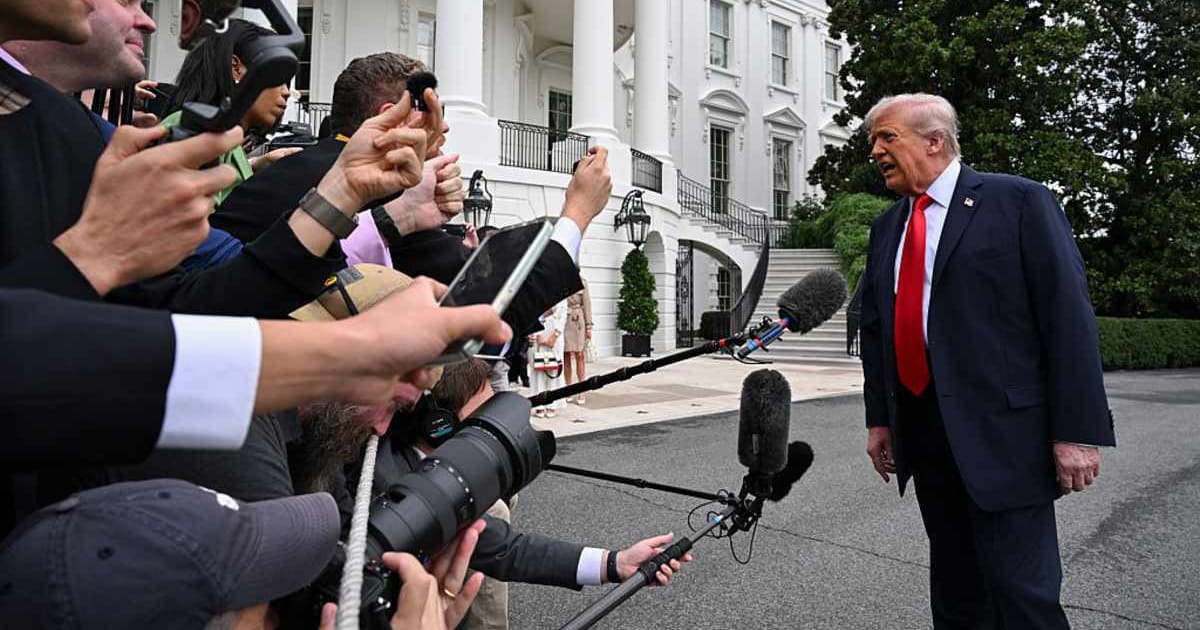
WASHINGTON, DC: A federal judge heard arguments on Wednesday, September 23, over President Donald Trump’s ban on CNN, MS NOW, and Politico from the White House, focusing on whether the administration followed required procedures before removing their press credentials.
US District Judge Timothy Kelly did not immediately rule and said he would decide “as soon as I can.”
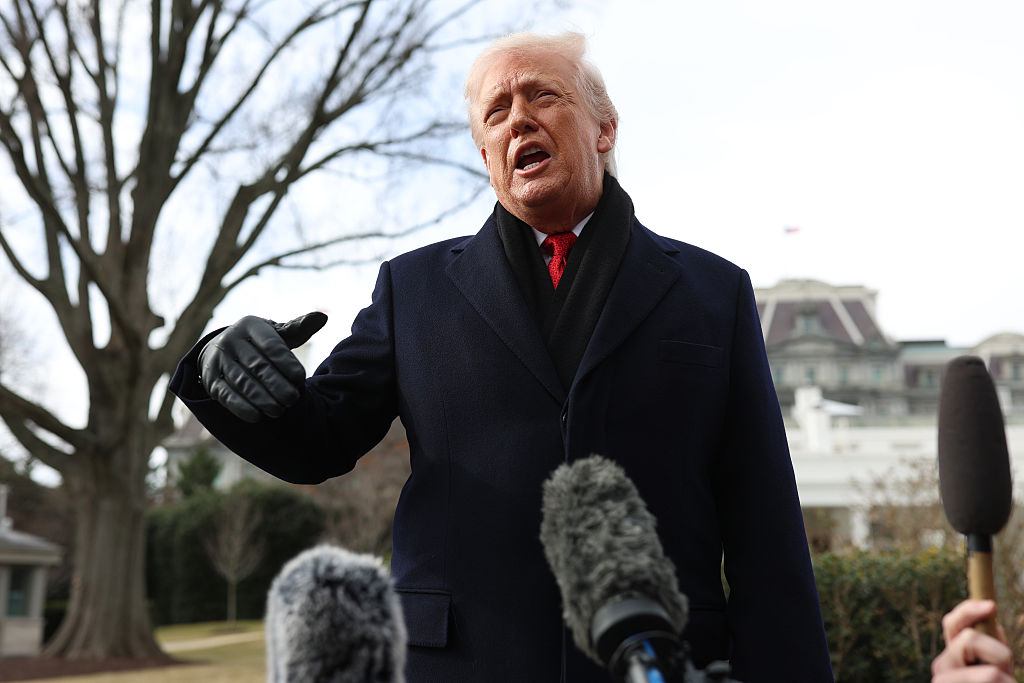
The outlets have asked Kelly for a temporary restraining order, which would restore their White House access while the broader lawsuit continues.
They argue the restrictions violate the First Amendment and Fifth Amendment because Trump targeted them over their coverage and removed their credentials without advance notice.
Judge questions process behind ban
Kelly pointed to a 1977 ruling requiring due process before the government revokes White House press credentials.
He said the required pre-deprivation process did not appear to have been followed.
The outlets had not been warned that their hard passes were at risk before Trump announced the restrictions.
Their lawyer, Theodore Boutrous Jr, told the court there had been “no semblance of due process.”
The dispute also has a connection to Kelly’s 2018 ruling involving CNN correspondent Jim Acosta.
At the time, Kelly ordered the White House to restore Acosta’s press pass after the administration revoked it.
DOJ defends presidential access power
Justice Department lawyer Michael Velchik argued that “access to the White House is a privilege, not a right.”
He said the president should be able to take immediate action to protect national security.
The administration’s filing argued that the outlets failed to meet standards expected of journalists with White House access and cited concerns about sensitive or classified information.
DOJ has also challenged the 1977 precedent cited by the outlets.
The government sent letters to CNN, MS NOW, and Politico outlining reasons for their initial exclusion and gave them until Friday to respond. The administration has described the restrictions as an initial determination rather than a final ban.
Trump's coverage comments face scrutiny
The outlets’ lawyer pointed to Trump’s public statements as evidence that their reporting was central to the decision.
Trump said the organizations produced “purposely negative” coverage and described the action as the result of cumulative reporting over two years.
When announcing the restrictions on September 18, Trump accused the three organizations of reporting “FAKE NEWS” and “FICTION and LIES.”
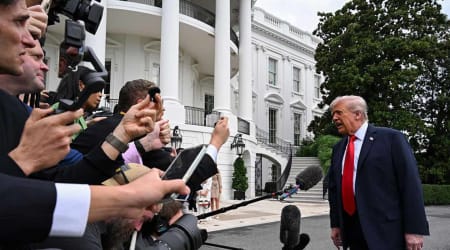
Their reporters were denied entry when they arrived at the White House the following day.
The dispute has also affected the presidential television pool.
Other major networks suspended pooled coverage after CNN, one of the participating outlets, was excluded, disrupting the system used to distribute shared footage of presidential events.
Ruling could reshape White House press access
Kelly’s immediate decision is whether to grant the temporary restraining order and restore the outlets’ access during the litigation.
It would not by itself resolve whether Trump’s restrictions ultimately violate the Constitution.
The broader case presents competing positions over the rules governing White House credentials.
The outlets say their exclusion was retaliation for their reporting and violated their constitutional rights.
The administration argues that presidential authority, national-security concerns and conditions attached to White House access support the restrictions.
The case could therefore address how existing due-process requirements apply when press credentials are withdrawn and how much authority the executive branch has over access to the White House.