Tucker Carlson says Trump is 'enslaved by greater powers'
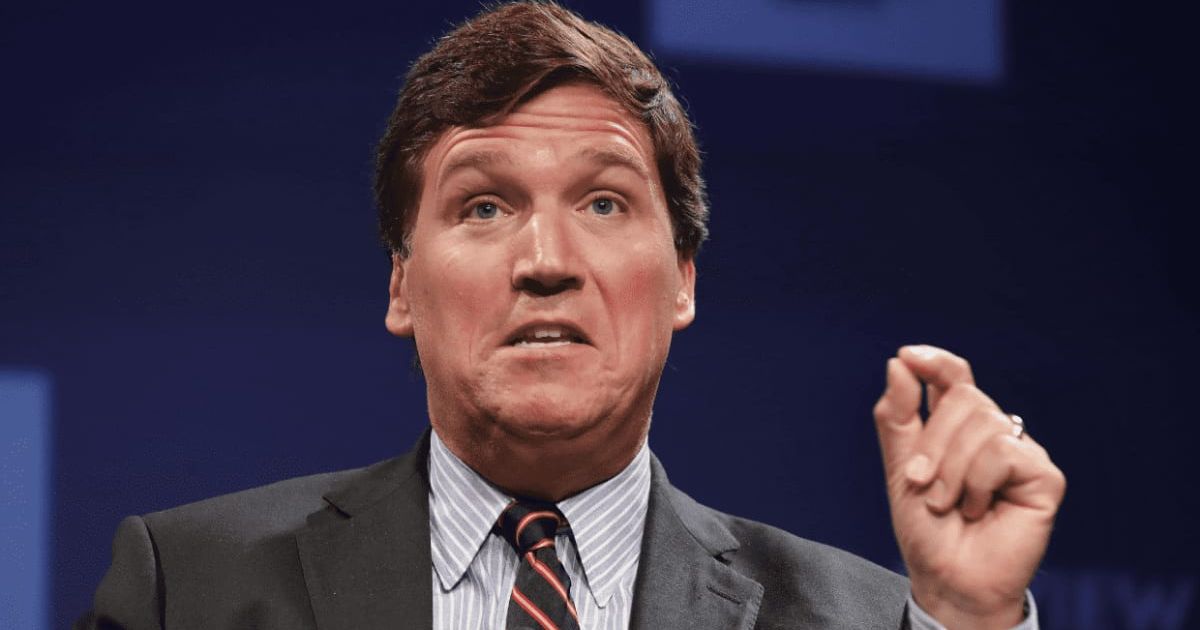
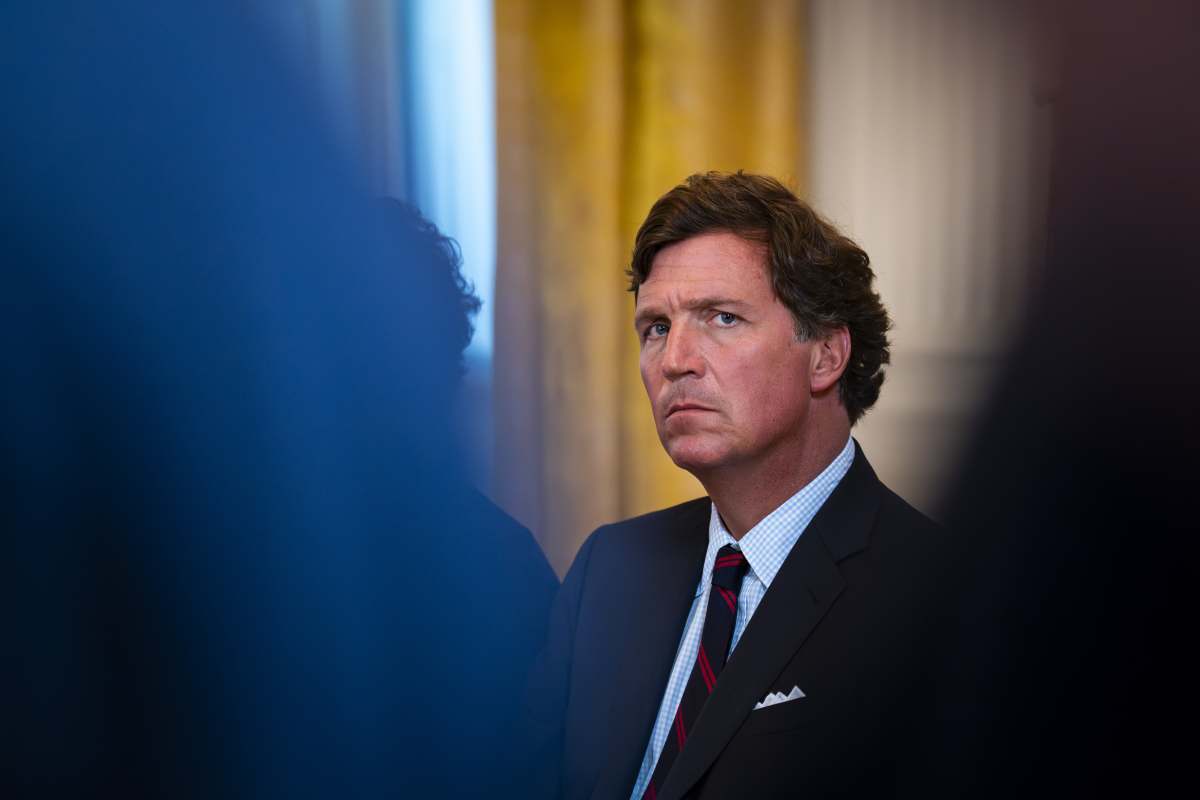
WASHINGTON, DC: Tucker Carlson did not hold back while discussing President Donald Trump during a recent podcast appearance, saying he feels sorry for the president because he is not truly free to make his own decisions.
The former Fox News host made the remarks during a lengthy conversation this week on the Canadian podcast 'Can't Be Censored' with hosts Travis Dhanraj and Karman Wong.
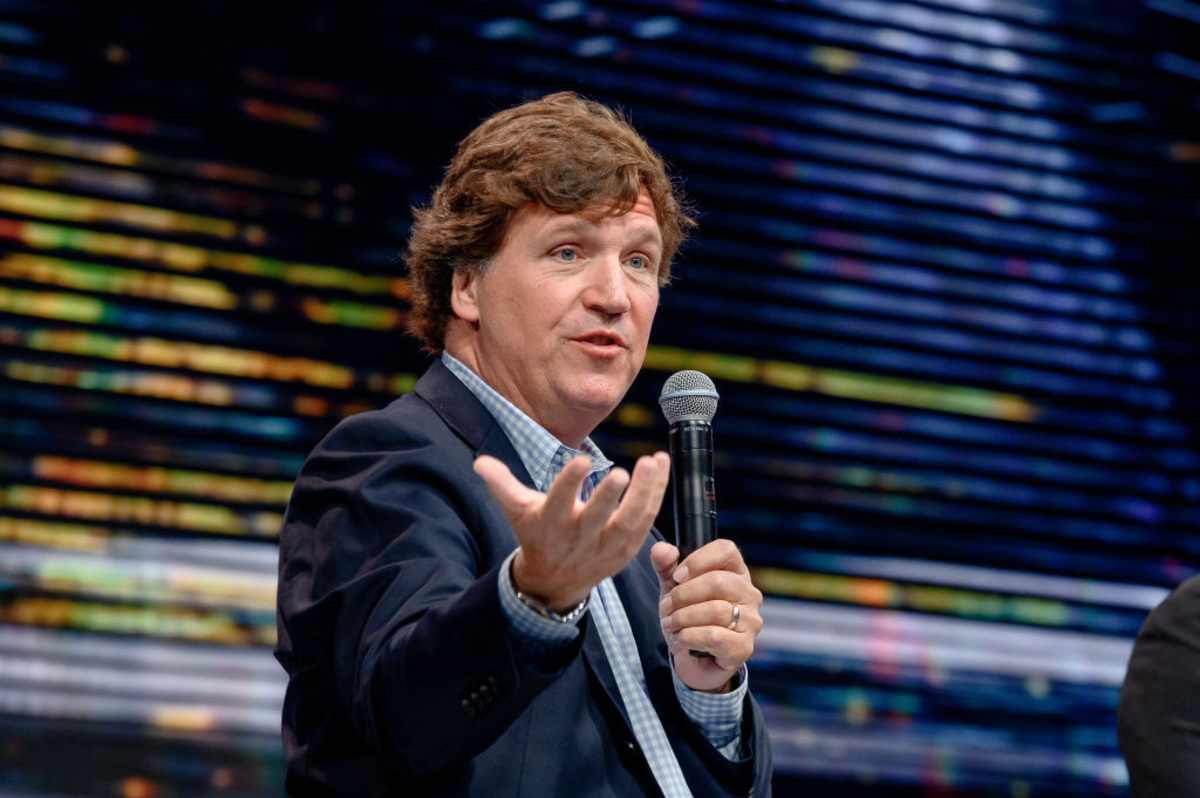
Tucker Carlson says Trump is not free to make his own decisions
During the interview, Carlson reflected on his long relationship with Trump and made it clear that his criticism was coming from a place of disappointment rather than personal dislike.
"I mean, I've always liked Trump. He's charming. I've known him for so long, most of my life, really, at this point. And I feel sorry for him," Carlson said.
He then offered a striking assessment of the president's position.
"He is enslaved by greater powers. He's not free to make whatever decision he wants to make. So I feel sorry for him in that way," Carlson added.
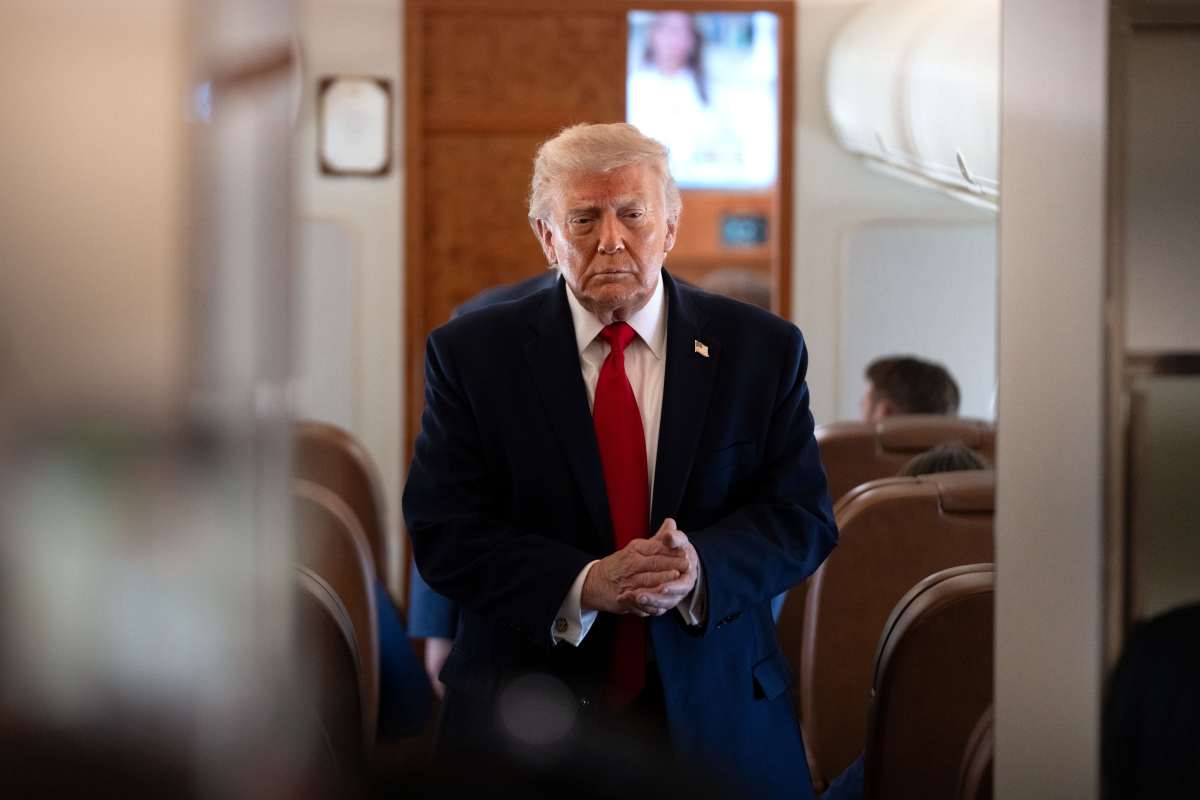
The comments came as the hosts pressed him about influence, power, and whether forces behind the scenes play a role in shaping major political decisions.
At one point, Dhanraj asked whether evidence of such influence would ever become public and whether Americans would ever learn what kind of leverage exists within the political system.
Carlson did not provide specific examples but continued to suggest that powerful forces affect political leaders in ways the public may not fully understand.
Tucker Carlson uses Graham Platner to make a broader point about politics
Later in the conversation, Carlson was asked whether there was anyone capable of coming to power and fundamentally changing the system he had been describing.
"No, honestly. I know a lot of good people, but I don't know. I mean, who would want that? Who would want to be a politician? It's just so ugly," he answered.
Carlson argued that modern politics has become increasingly hostile and personal, making it difficult for many people to seek public office.
As an example, he pointed to Graham Platner, the Democratic Senate nominee from Maine.
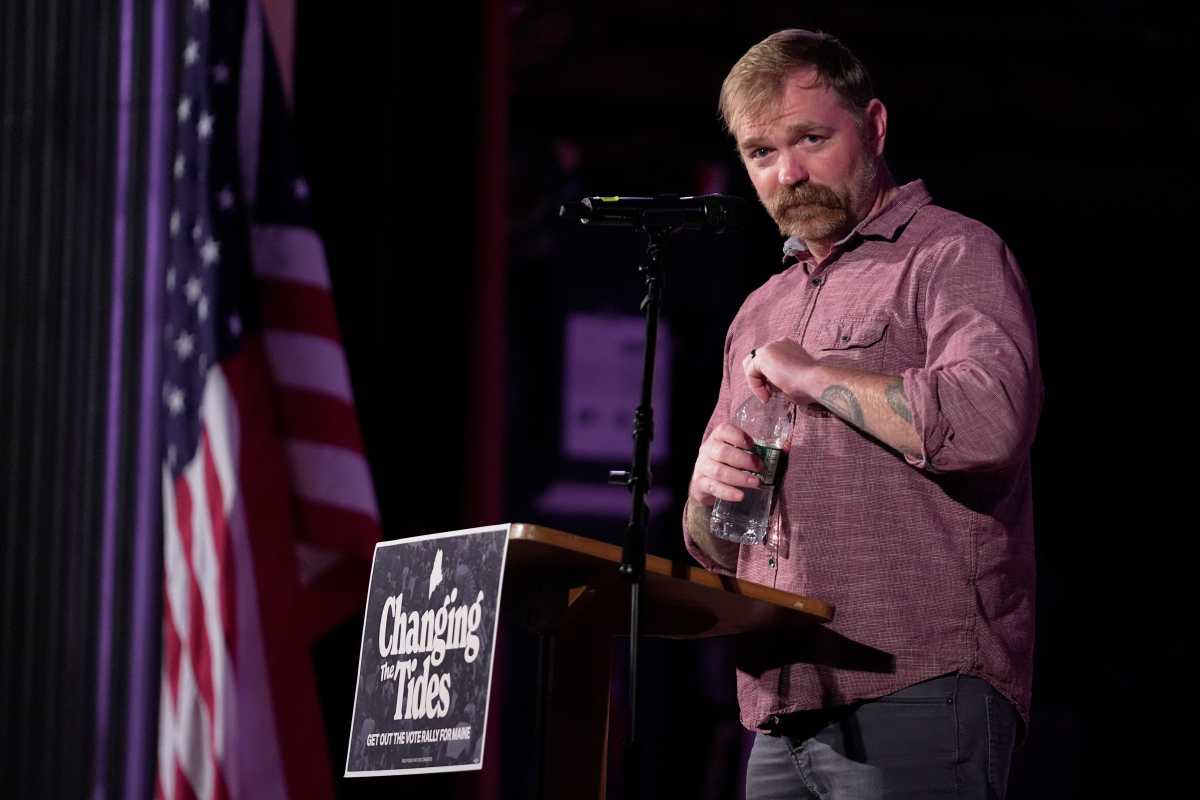
"Look at Graham Platner, this guy who's running in the state of Maine, where I live. He's a Democrat, he's liberal. I don't have strong feelings about it," Carlson said.
He went on to argue that political opponents often focus on personal matters instead of debating policy positions.
"But they've attacked the guy in his personal life," the former Fox News host said, suggesting that political discourse has become less focused on issues and more centered on individuals.
According to Carlson, this environment discourages many qualified people from entering politics in the first place.
Tucker Carlson reflects on public criticism and losing his television show
The conversation also gave Carlson an opportunity to discuss his own experiences with public criticism.
Despite being one of the most recognizable figures in conservative media, Carlson said he has never viewed backlash as something worth complaining about.
"Well, you're never going to hear me whine about threats, ever. To me, because I got in this voluntarily," he said.
Carlson noted that public life comes with consequences and argued that anyone entering politics or media should understand that reality from the beginning.
The former television host also revisited his departure from cable news.
"I got fired after 15 years - the highest-rated show in American cable television, and I got fired for my opinion. And I'm not whining at all. I'm so grateful that I got fired," Carlson said.
Tucker Carlson shares a controversial theory about the killing of Charlie Kirk
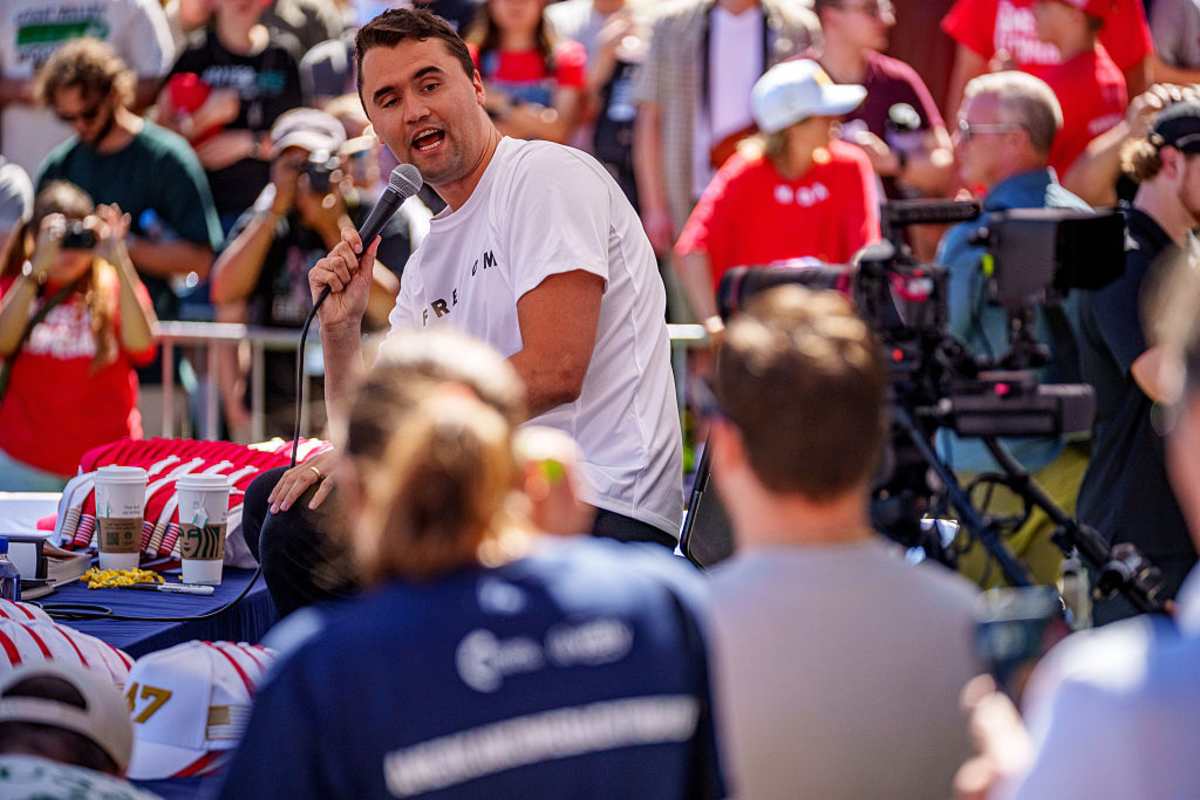
Toward the end of the interview, Carlson turned his attention to Charlie Kirk and offered his own view on the circumstances surrounding his death.
"Charlie Kirk was murdered. Yeah. And he was not murdered for his opinions on transgenderism, obviously," Carlson said.
He then suggested another explanation: "He was, I believe, and most people who knew him well, as I did and was friends with him as I was, believe he was most likely murdered for his evolving views on Israel."
Carlson acknowledged that he could be mistaken but insisted that he was expressing what he genuinely believes.
"I have a duty to say what I think is true. I'm often wrong. And I always say that because it's a fact. I have been wrong a lot and I may be wrong now, but I am sincere," the journalist said. "I'm saying what I believe is true and I'm going to continue doing that no matter what."