US at risk of running out of key missiles as Iran war drains reserves, Pentagon insiders warn
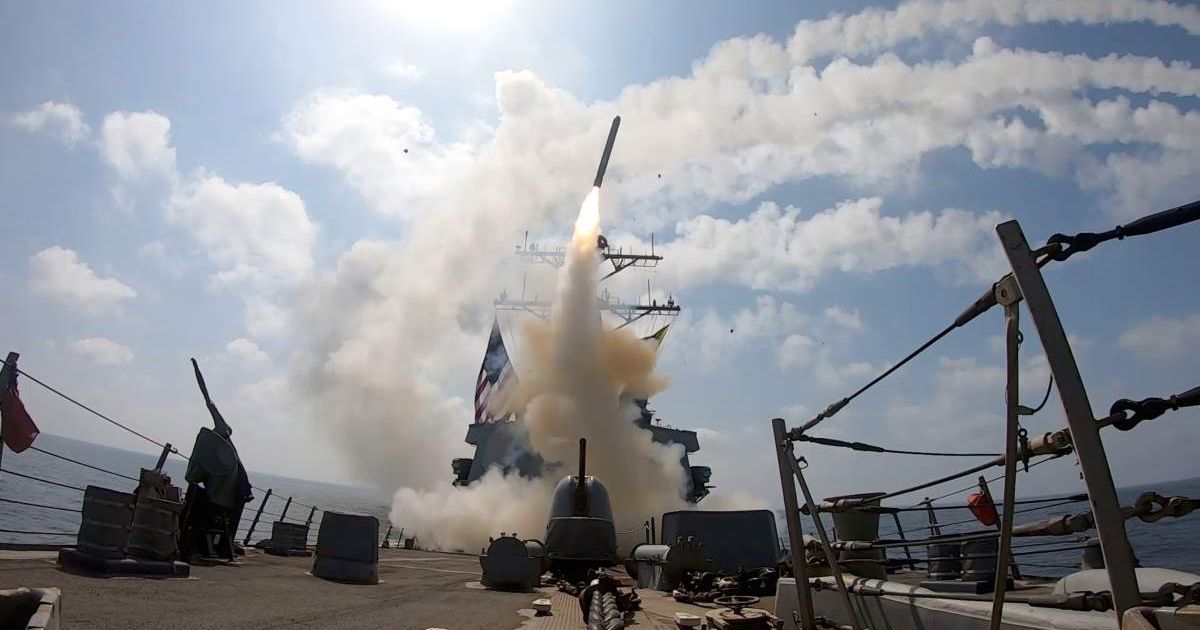
WASHINGTON, DC: The US military has burned through a significant share of its key missile inventory during the recent war with Iran, raising concerns about its readiness for another major conflict in the near future, according to experts and officials familiar with internal Pentagon assessments.
Over roughly seven weeks of fighting, the US expended large portions of its most critical munitions, according to a new analysis by the Center for Strategic and International Studies.
The report found that at least 45 per cent of Precision Strike Missiles were used, along with at least half of the THAAD missile inventory (systems specifically designed to intercept ballistic threats), and nearly 50 per cent of Patriot air defense interceptor missiles.
Sources familiar with classified Pentagon data told CNN those figures closely match internal stockpile assessments.
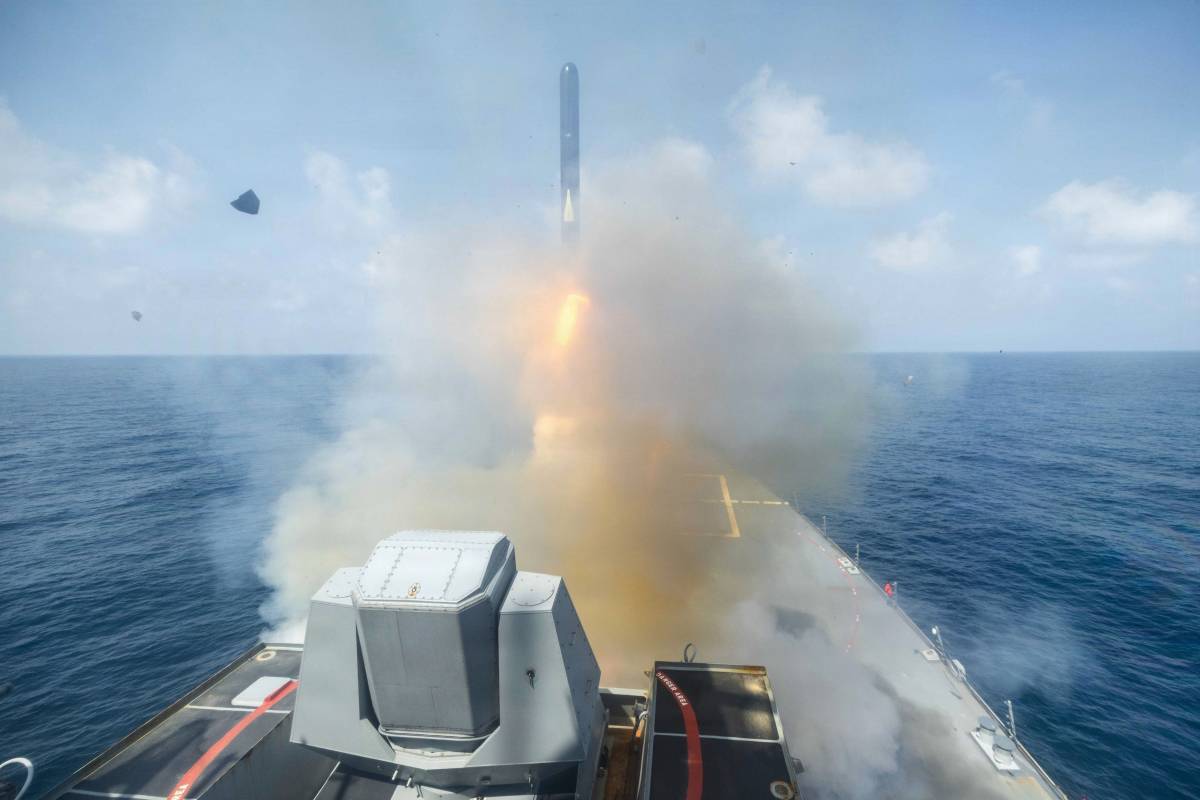
The drawdown wasn’t limited to those systems. The US also used approximately 30 per cent of its Tomahawk missiles, more than 20 per cent of its long-range Joint Air-to-Surface Standoff Missiles, and around 20 per cent of its SM-3 and SM-6 missile inventories, according to the analysis and sources. Replacing those systems could take roughly four to five years.
While the Pentagon moved earlier this year to boost missile production through a series of contracts, experts say the timeline for replenishment remains between three and five years even with expanded capacity.
Near-term readiness intact, long-term risks emerge
In the immediate term, analysts say the US likely retains enough munitions to sustain operations against Iran if the fragile ceasefire collapses. But the concern lies beyond that scenario.
According to the CSIS analysis, current stockpile levels are no longer sufficient to confidently handle a large-scale conflict with a near-peer adversary such as China. Restoring inventories to pre-war levels could take years.
“The high munitions expenditures have created a window of increased vulnerability in the western Pacific,” said Mark Cancian, a retired Marine Corps colonel and co-author of the report. “It will take one to four years to replenish these inventories and several years after that to expand them to where they need to be.”
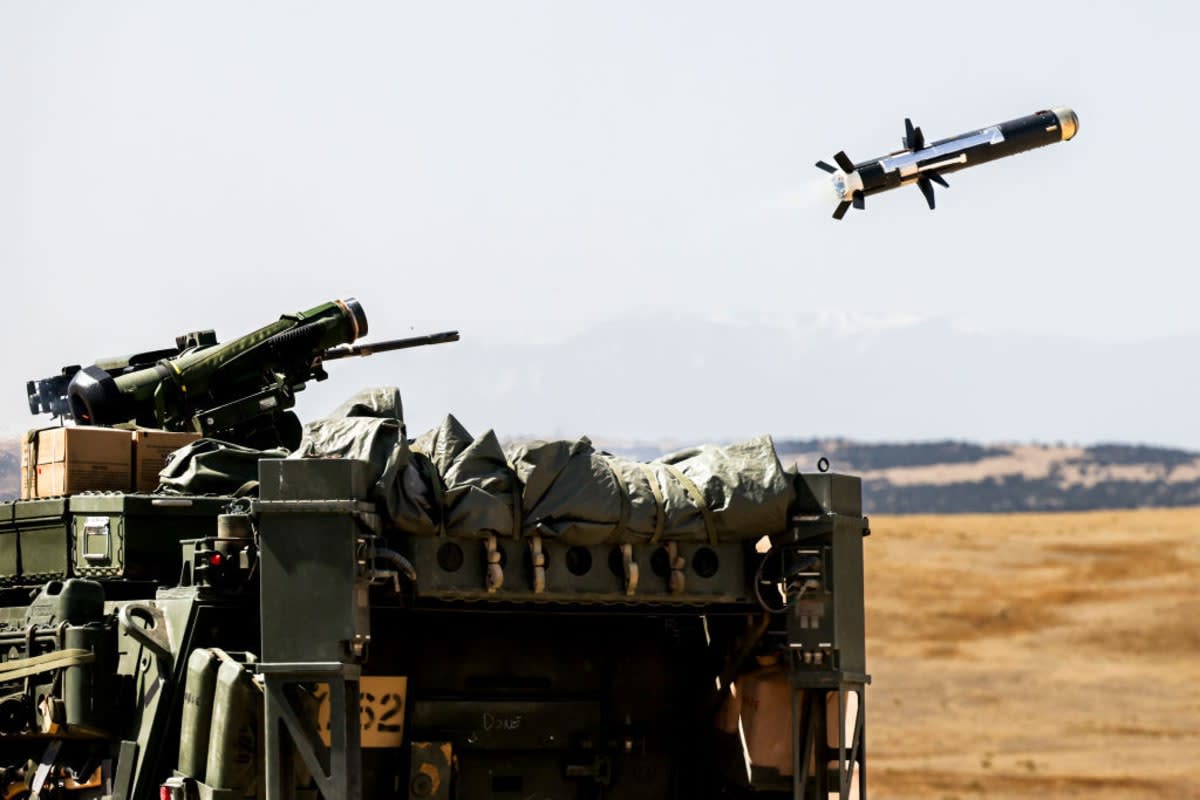
Despite those warnings, Pentagon officials were rather confident. Chief spokesman Sean Parnell said the military “has everything it needs to execute at the time and place of the President’s choosing.”
“Since President Trump took office, we have executed multiple successful operations across combatant commands while ensuring the U.S. military possesses a deep arsenal of capabilities to protect our people and our interests,” he added.
Funding push and political concerns
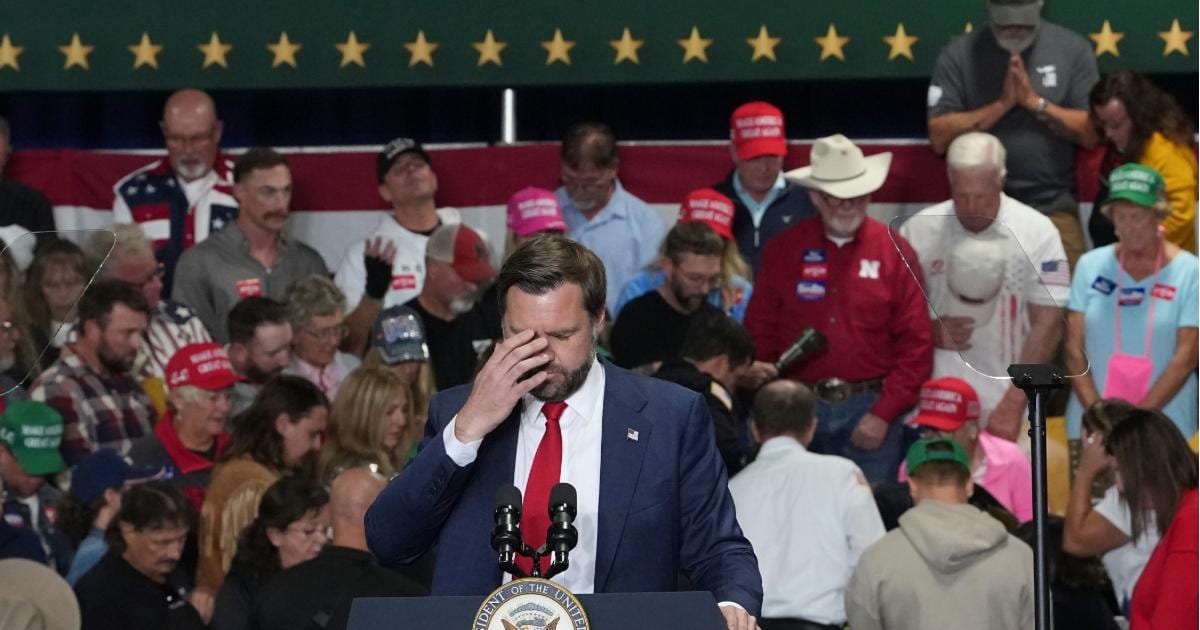
The depletion figures stand in contrast to recent remarks from President Donald Trump, who has downplayed concerns about shortages even while seeking additional funding tied to the Iran conflict.
“We’re asking for a lot of reasons, beyond even what we’re talking about in Iran,” Trump said last month. “Munitions in particular, at the high end, we have a lot, but we’re preserving it.”
“It’s a small price to pay to make sure that we stay tippy top,” he added.
The administration’s recent agreements with private defense companies are expected to increase production, but the CSIS report notes that near-term output will remain limited due to historically smaller orders.
Warnings about the strain on stockpiles were raised even before the conflict escalated. Joint Chiefs Chairman Gen. Dan Caine and other military leaders had cautioned that a prolonged campaign could affect reserves, especially those also supporting allies like Israel and Ukraine.
On Capitol Hill, Democrats have also expressed concern over the pace of munitions use and its implications for overall US defense posture.
“The Iranians do have the ability to make a lot of Shahed drones, ballistic missiles, medium range, short range, and they’ve got a huge stockpile,” Arizona Sen. Mark Kelly said last month. “So at some point … this becomes a math problem, and how can we resupply air defense munitions. Where are they going to come from?”