US may require tourists to share 5 years of social media activity under new Trump proposal
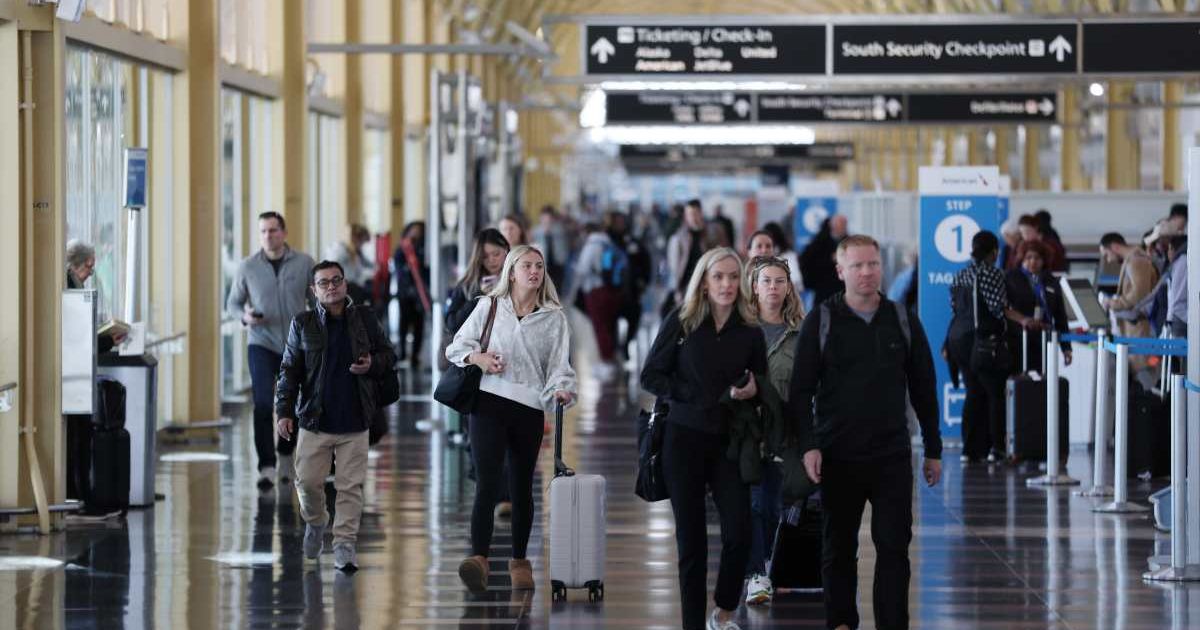
WASHINGTON, DC: The United States is considering a new requirement that would compel foreign tourists from visa-waiver countries to submit a five-year history of their social media activity before entering the country.
The proposal, filed by Customs and Border Protection and the Department of Homeland Security, would apply to travelers using the Electronic System for Travel Authorization (ESTA).
The change reflects the Trump administration's continued efforts to tighten US border controls, citing national-security concerns. The plan arrives as the US prepares for increased tourism tied to the 2026 men's soccer World Cup and the 2028 Los Angeles Olympics.

Proposal would expand data collected through ESTA program
The newly filed proposal states that "the data element will require ESTA applicants to provide their social media from the last 5 years," though it does not specify which platforms or types of posts would be examined.
ESTA currently requires limited background information and a $40 fee, allowing citizens of roughly 40 countries, including the UK, France, Australia, Ireland and Japan to visit the US multiple times within a two-year period.
In addition to social media history, the proposed changes call for collecting applicants' telephone numbers used over the past decade, and expanded information about family members.
The proposal cites President Donald Trump's January executive order, "protecting the United States From Foreign T*****ists and Other National Security and Public Safety Threats."
The Trump administration has previously required foreign nationals seeking student or skilled-worker visas to provide social media identifiers.
A senior State Department official defended that policy at the time saying, "It is an expectation from American citizens that their government will make every effort to make our country safer, and that is exactly what the Trump Administration is doing every single day."
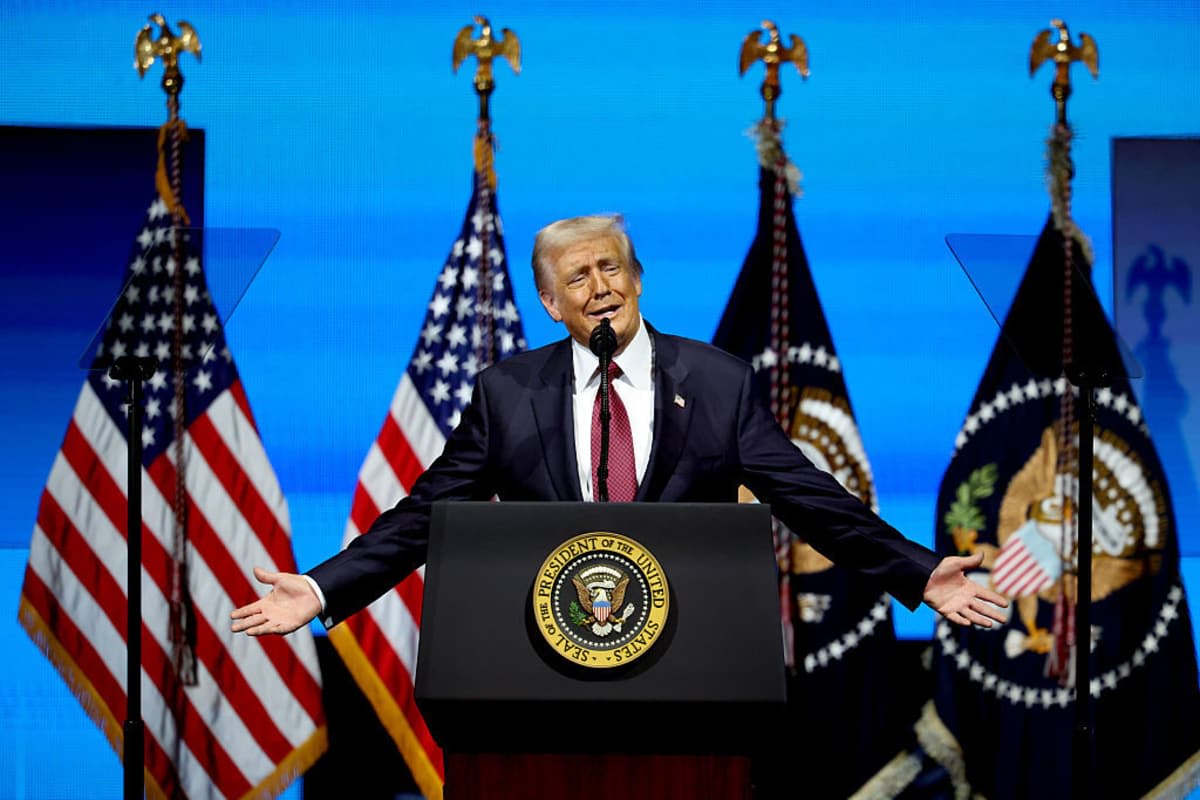
The new ESTA proposal has been published in the Federal Register and will be open for public comments for 60 days.
Digital rights concerns and potential tourism impact
Early reactions suggest that the policy could create both logistical and civil-liberties challenges. Immigration law firm Fragomen said that the expanded requirements may extend ESTA processing times for applicants.
The initiative is part of broader tightening of US travel policies. Officials recently signaled that an existing travel ban affecting 19 countries in Africa, the Caribbean, and the Middle East could be expanded following a recent security incident in Washington DC.

The Trump administration has also reportedly instructed immigration officers to screen for individuals "who advocate for, aid, or support designated foreign t****rists and other threats to national security; or who perpetrate unlawful anti-S**itic harassment or violence."
The Department of Homeland Security has not yet provided further details on how the new social-media screening would be implemented and what data would be reviewed as part of the process.