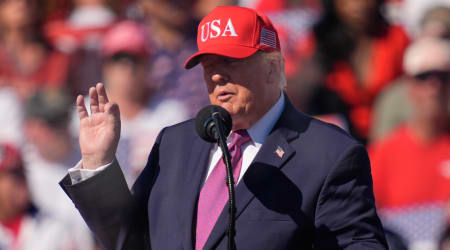
Trump admits knowing oil prices would spike before Iran strike: 'I thought it would be worse'
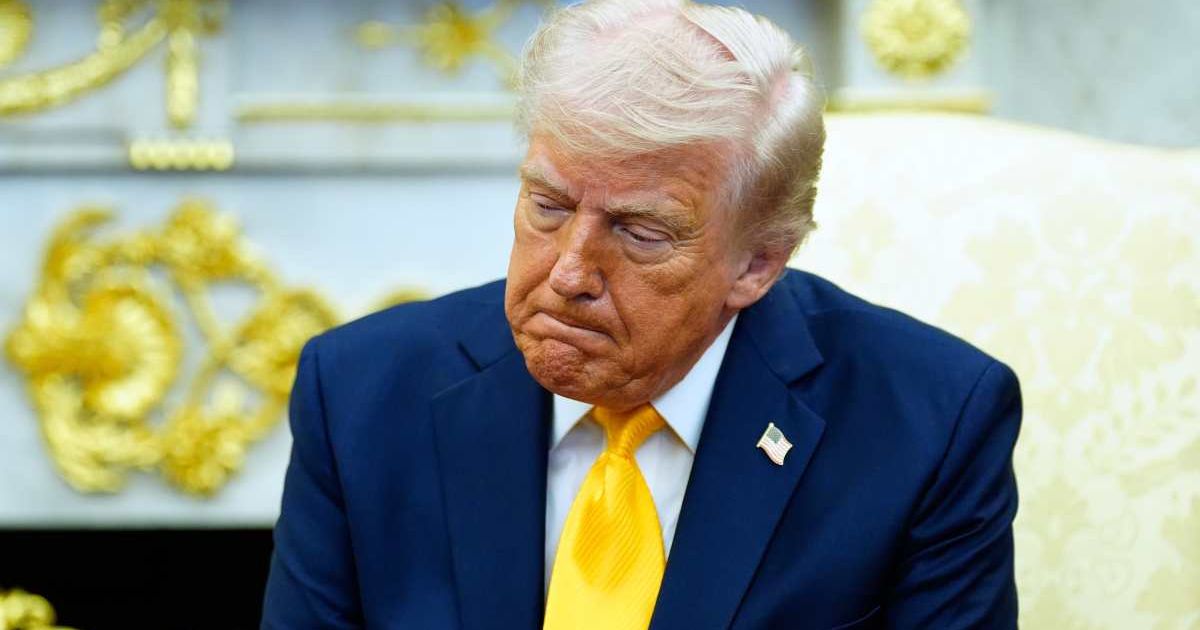
WASHINGTON, DC: President Donald Trump said that he expected a more severe spike in oil prices and economic disruption before authorizing military action against Iran, as global energy markets reacted to the escalating conflict.
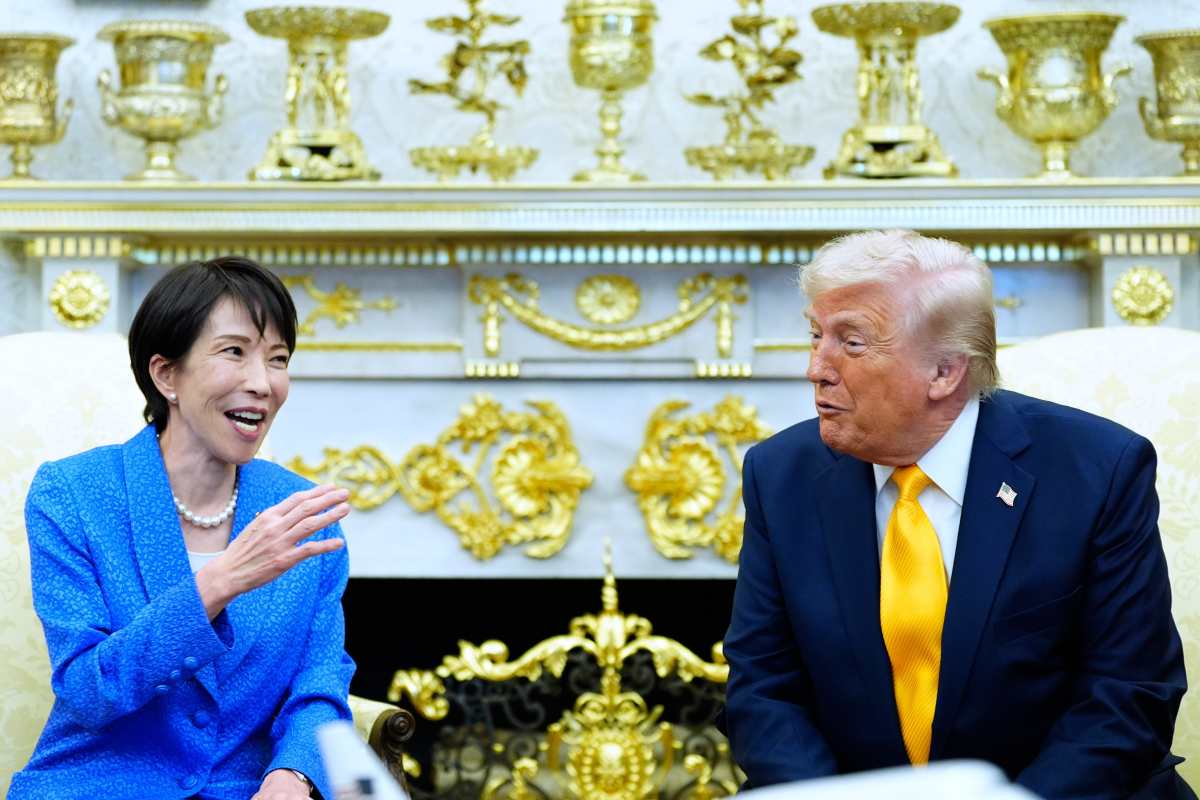
Speaking alongside Japanese Prime Minister Sanae Takaichi at the White House on Thursday, March 19, Trump acknowledged that prices had risen but not to the extent he had anticipated.
His remarks came amid sharp increases in US gasoline prices and volatility in global oil and gas markets. The ongoing conflict has also raised broader concerns about inflation and economic stability worldwide.
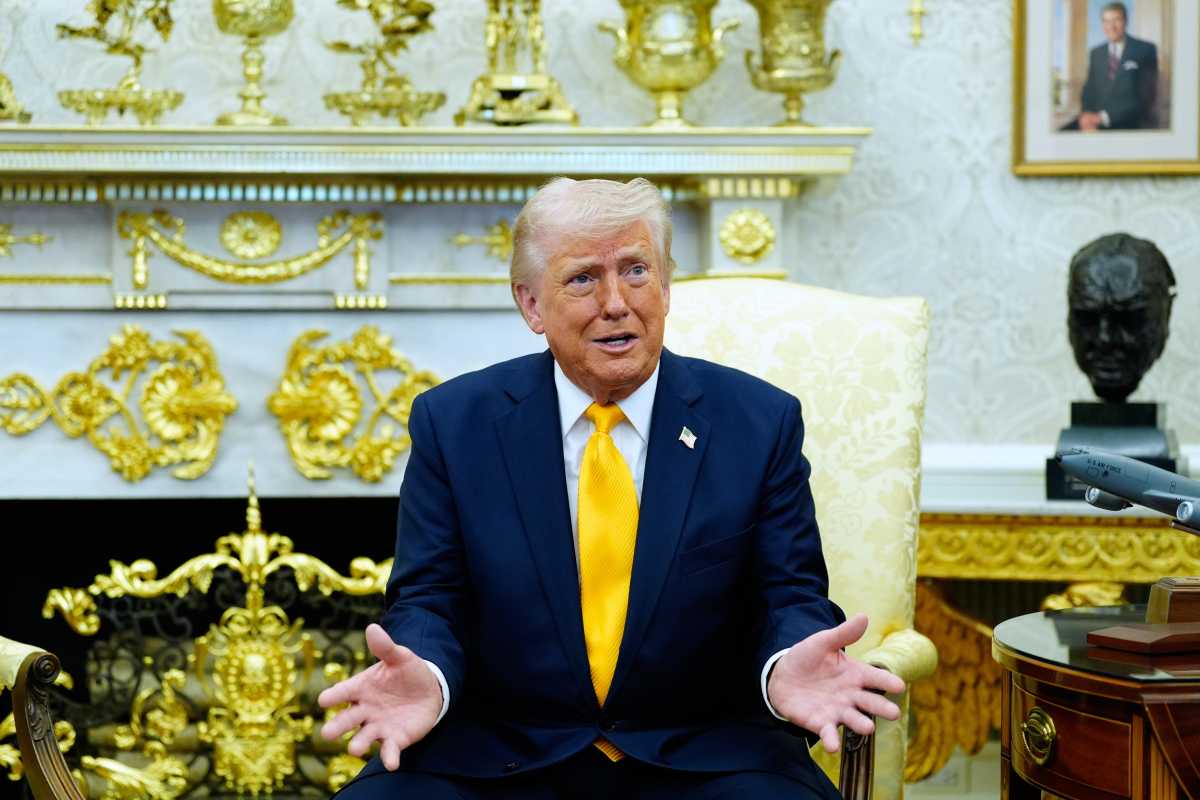
Trump says economic impact less severe than initially feared
During remarks in the Oval Office, Trump said he had weighed the economic risks before deciding to move forward with military action.
He noted that prior to the escalation, the US economy had been stable, with declining fuel costs.
“Everything was going great, the economy was great, oil prices were very low, gasoline was dropping too, I mean, we had $1.99, $1.85... And I saw what was happening in Iran and I said, ‘I hate to make this excursion, but we have to do it’, and I actually thought the numbers would be worse,” Trump said.
"I thought it would be worse" -- Trump's new line on his Iran "excursion" is that he actually thought it would hurt the economy more than it has pic.twitter.com/bgegvxLtYG
— Aaron Rupar (@atrupar) March 19, 2026
He added that he had anticipated both rising oil prices and a potential slowdown in economic activity. “Oil prices will go up, the economy will go down a little bit,” he said, describing his expectations at the time of the decision.
Despite the increases that followed, Trump indicated that the outcome had been less severe than he initially feared.
“I thought it would be worse, much worse actually,” he said, before adding, “It’s not bad, and it’s going to be over with pretty soon.”
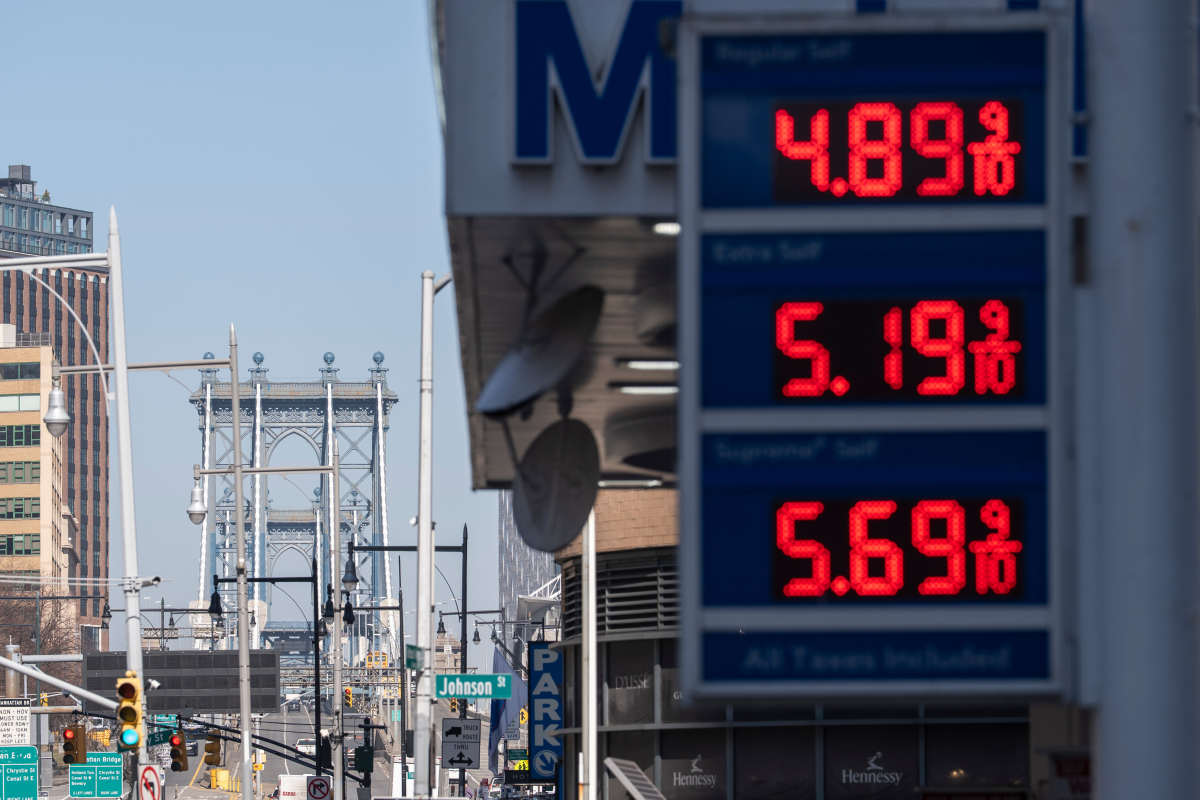
Since the conflict began, US gas prices have climbed sharply. The national average has risen from just under $3 per gallon in late February to approximately $3.89 as of Thursday.
Many states have recorded increases exceeding 70 cents per gallon, with some surpassing $1. Prices have risen across all regions, reflecting broader disruptions in global energy supply.
Global oil and gas markets surge as conflict disrupts supply chains
The escalation in hostilities has had a significant impact on global energy markets, particularly following attacks on critical infrastructure in the Gulf region.

Strikes targeting facilities in Qatar and Kuwait, along with disruptions in the Strait of Hormuz, have contributed to supply uncertainty.
Brent crude, the international oil benchmark, surged to over $116 per barrel, compared to under $73 before the conflict began.
US benchmark crude also climbed, reaching around $96 per barrel, while natural gas prices saw notable gains in both US and European markets. The European TTF benchmark rose by roughly 24% in early trading.
Financial markets have also responded to the instability.
Stock indices in Europe and Asia declined, with Germany’s DAX, France’s CAC 40, and the UK’s FTSE 100 all posting losses. Asian markets, including Japan and South Korea, also recorded declines, while US futures edged lower.