Trump told Netanyahu 'don't do that' over Iran energy strikes despite claiming he 'knew nothing'
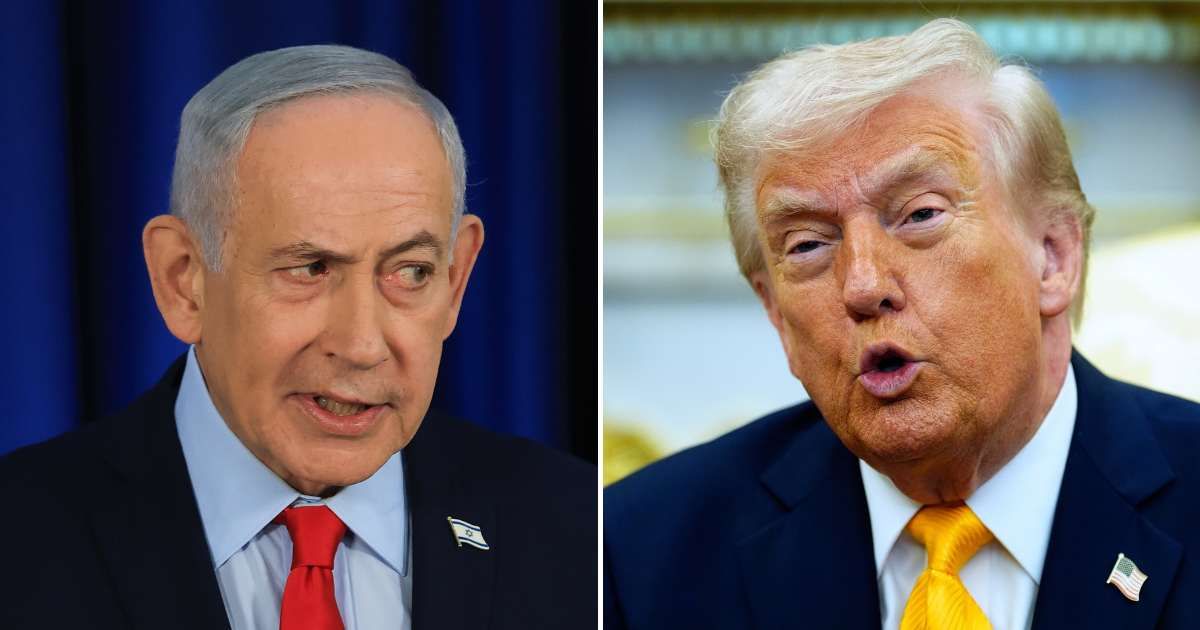
🚨 BREAKING: President Trump has ordered PM Netanyahu to cease strikes on Iran's energy fields
— Eric Daugherty (@EricLDaugh) March 19, 2026
"I did. I told him, don't do that. And he won't do that."
"On occasion, he'll do something, and if I don't like it, we don't do it anymore."pic.twitter.com/CGYtffKtuW
WASHINGTON, DC: President Donald Trump on Thursday, March 19, said that he had instructed Israeli Prime Minister Benjamin Netanyahu to halt attacks on Iran’s energy infrastructure, including oil and gas facilities, amid escalating regional tensions.
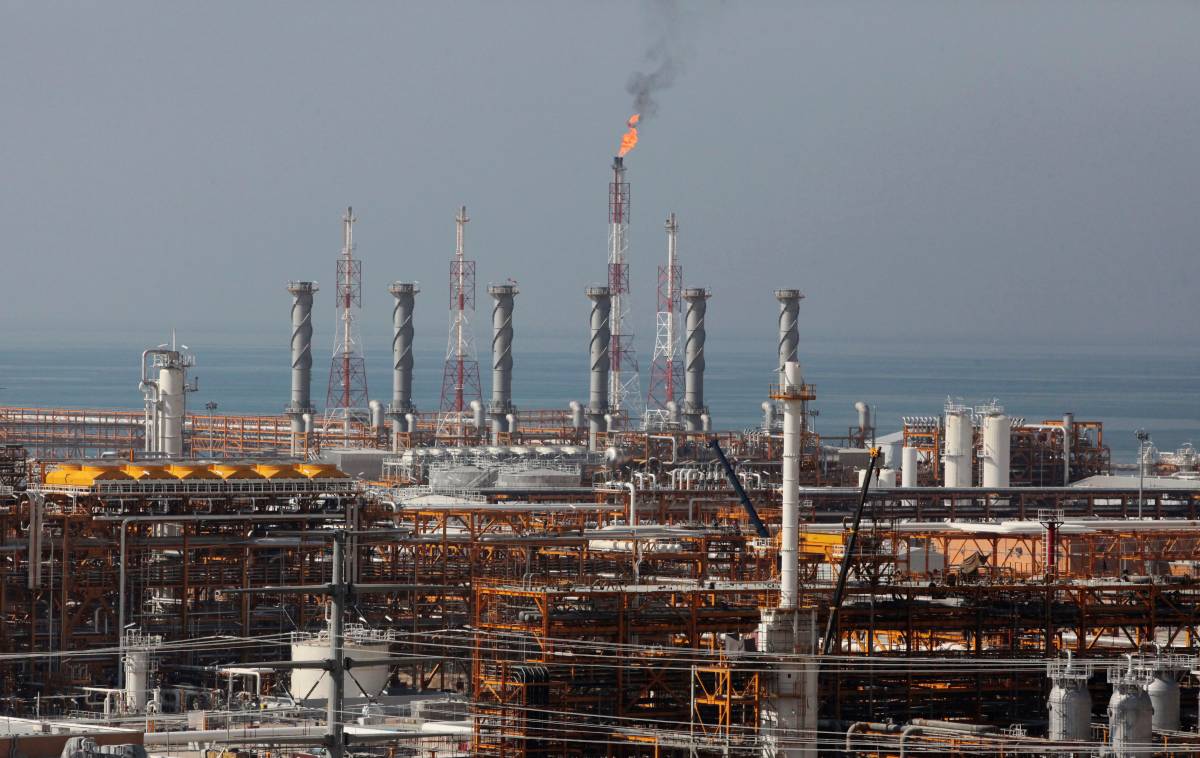
His remarks followed Israeli strikes on Iran’s South Pars gas field, a key global energy reserve.
While Trump maintained the United States was not involved, reports citing US and Israeli sources suggested Washington had prior knowledge of the operation.
The developments came as the conflict entered its third week, raising concerns about broader impacts on global energy markets.
Trump says he warned Netanyahu amid conflicting reports on US role
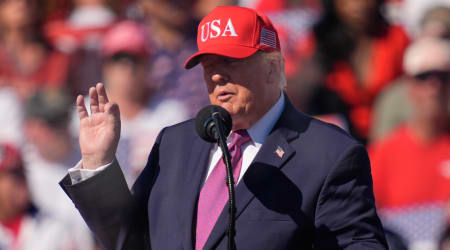
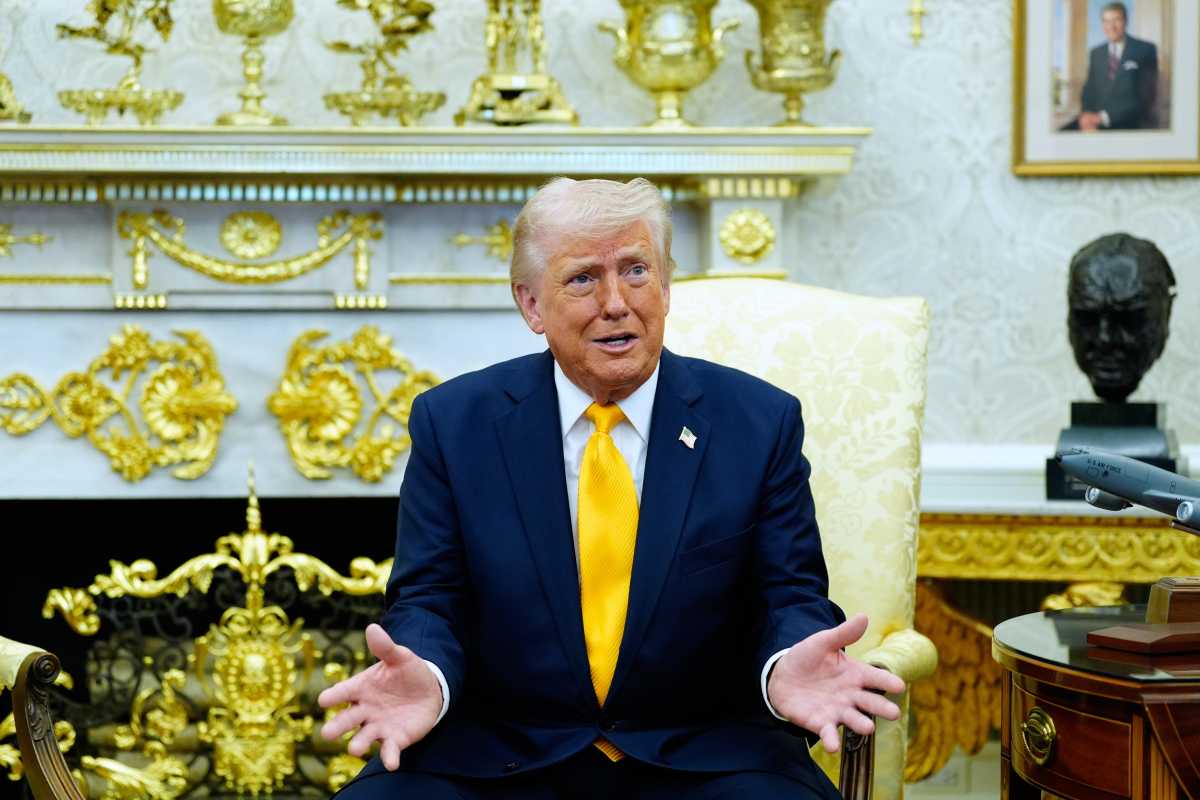
Speaking during a meeting in the Oval Office, Trump said he had directly addressed the issue with Netanyahu following the strikes. “I told him, don’t do that,” Trump said. “And he won’t do that.”
He added that while the United States and Israel were “independent,” their actions were often coordinated.
“It’s coordinated. But on occasion he’ll do something, and if I don’t like it, and so we’re not doing that anymore,” Trump stated, indicating his opposition to further attacks on Iranian energy sites.
However, his comments appeared to conflict with reports suggesting US awareness of the operation.
Trump had earlier insisted on social media that he “knew nothing” about the Israeli strike on the South Pars gas field.
In contrast, a source familiar with the matter said Israel carried out the attack in coordination with the United States, while another US source indicated Washington was “aware” of the strike, though it did not participate.
Trump reiterated that the US was refraining from targeting Iran’s energy sector directly, noting concerns about rising oil prices.
The conflict has already caused volatility in global markets, with fears that further escalation could disrupt supply chains.
At the same time, Trump warned that the US could respond forcefully if Iran continued retaliatory strikes on regional energy infrastructure.
Escalation risks grow as allies diverge on strategy and objectives
The Israeli strike on South Pars, the world’s largest natural gas reserve, triggered a series of retaliatory attacks, including Iranian strikes on energy facilities in Qatar and Saudi Arabia.
The escalation has raised alarm among US allies in the Gulf, as critical infrastructure tied to global liquefied natural gas supplies has come under threat.
Trump underscored that US military objectives differed from Israel’s approach.
While Washington was focused on limiting Iran’s nuclear and missile capabilities, Israel had pursued broader actions, including targeting leadership and infrastructure.
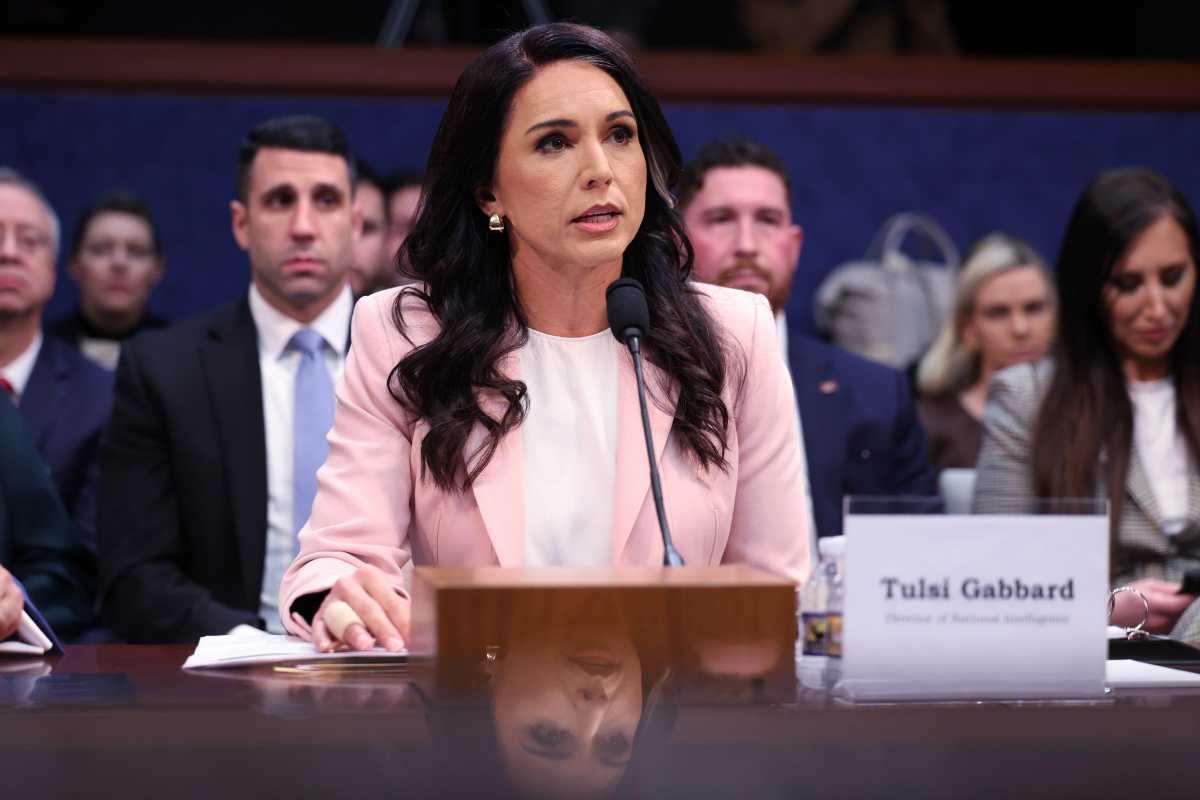
This divergence was also highlighted by Tulsi Gabbard, who told lawmakers, “The objectives that have been laid out by the president are different from the objectives that have been laid out by the Israeli government.”
Netanyahu rejects the idea that Israel pulled the United States into war with Iran:
— The American Conservative (@amconmag) March 19, 2026
"Does anyone really think that someone can tell President Trump what to do? Come on!" pic.twitter.com/iThQDTpWLM
Meanwhile, Netanyahu rejected suggestions that Israel had influenced US involvement in the conflict, stating: “Does anyone really think that someone can tell President Trump what to do?”