Vance accuses GOP filibuster defenders of 'handing your enemy a weapon' on SAVE Act
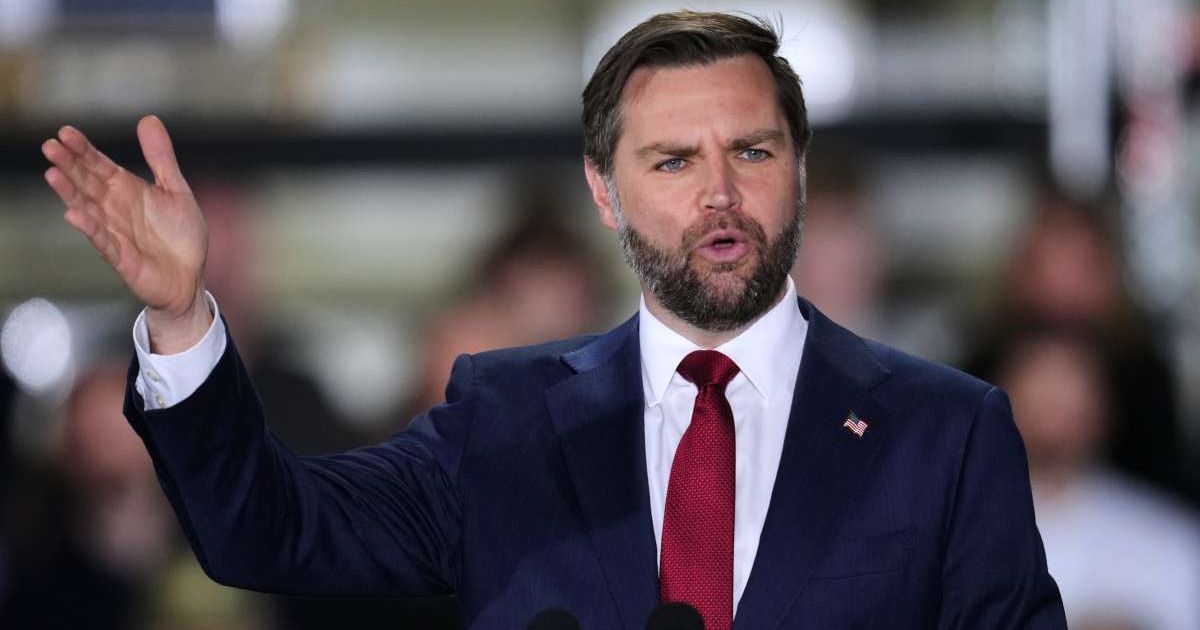
WASHINGTON, DC: Vice President JD Vance escalated pressure on Senate Republicans on Tuesday, June 30, by criticising GOP lawmakers for defending the filibuster while pushing President Donald Trump's SAVE America Act.
Speaking on Fox News, Vance argued that Republicans were protecting institutional traditions while Democrats have openly said they would eliminate the filibuster if they regained power. His remarks come as GOP remains divided over how to move the legislation through the Senate.
Vance says GOP defending filibuster is 'handing your enemy a weapon'
Vance said the Trump administration remains committed to passing the SAVE America Act and argued that most Senate Republicans support the legislation itself. According to the vice president, the primary obstacle is disagreement over Senate procedure rather than the bill's substance.
"The president has been laser-focused on getting the SAVE America Act passed," Vance said. "We actually have the majority of Senate Republicans who will support it."
"That legislation is so important," says @VP on the SAVE America Act.
— Rapid Response 47 (@RapidResponse47) June 30, 2026
"The problem that [some Senators] have, with all due respect, is that they're worshipping dying institutional norms, when the Democrats are, in fact, bragging that as soon as they get control, they're going to… pic.twitter.com/UcATFUDxYy
He contended that some Republicans are placing too much emphasis on preserving the Senate filibuster. "The problem... is that they're worshiping dying institutional norms when the Democrats are, in fact, bragging that as soon as they get control, they're going to throw that stuff aside," Vance said.
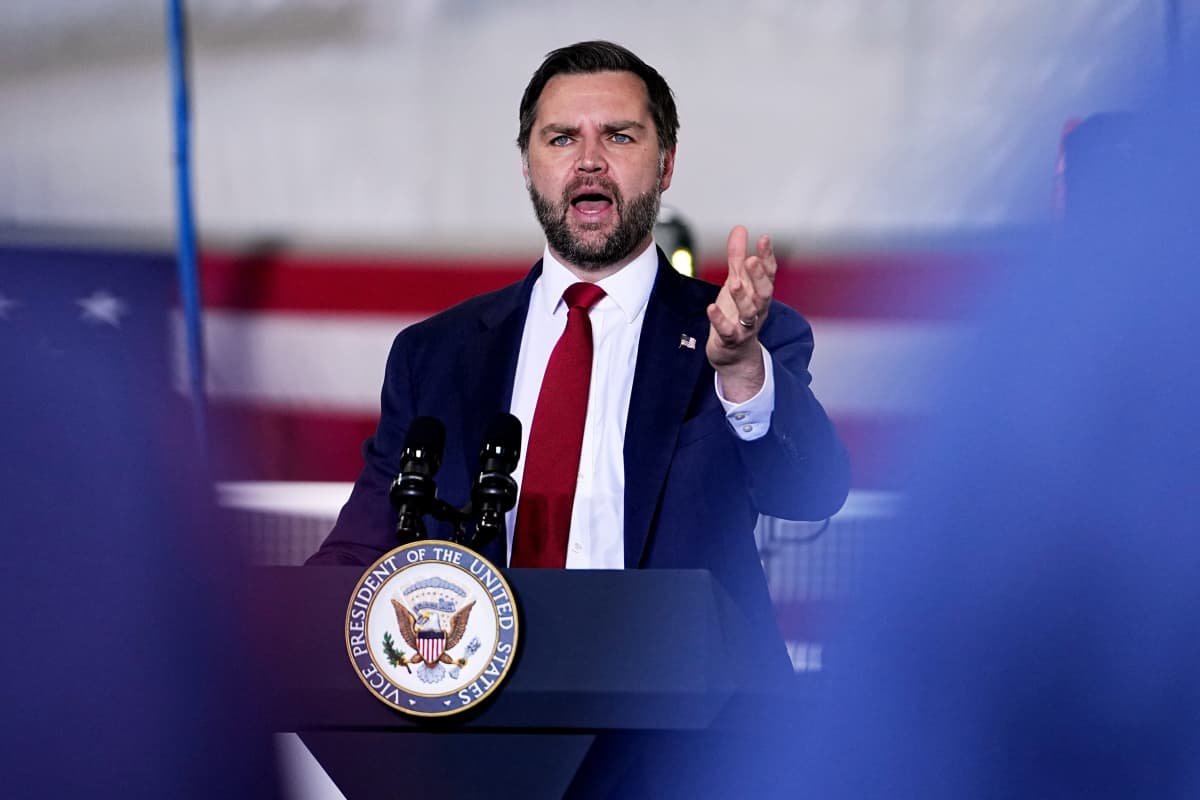
Vance accused some Republicans of clinging to what he called a "sacred Senate institutional norm that a few senators are obsessed with, including of course Mitch McConnell."
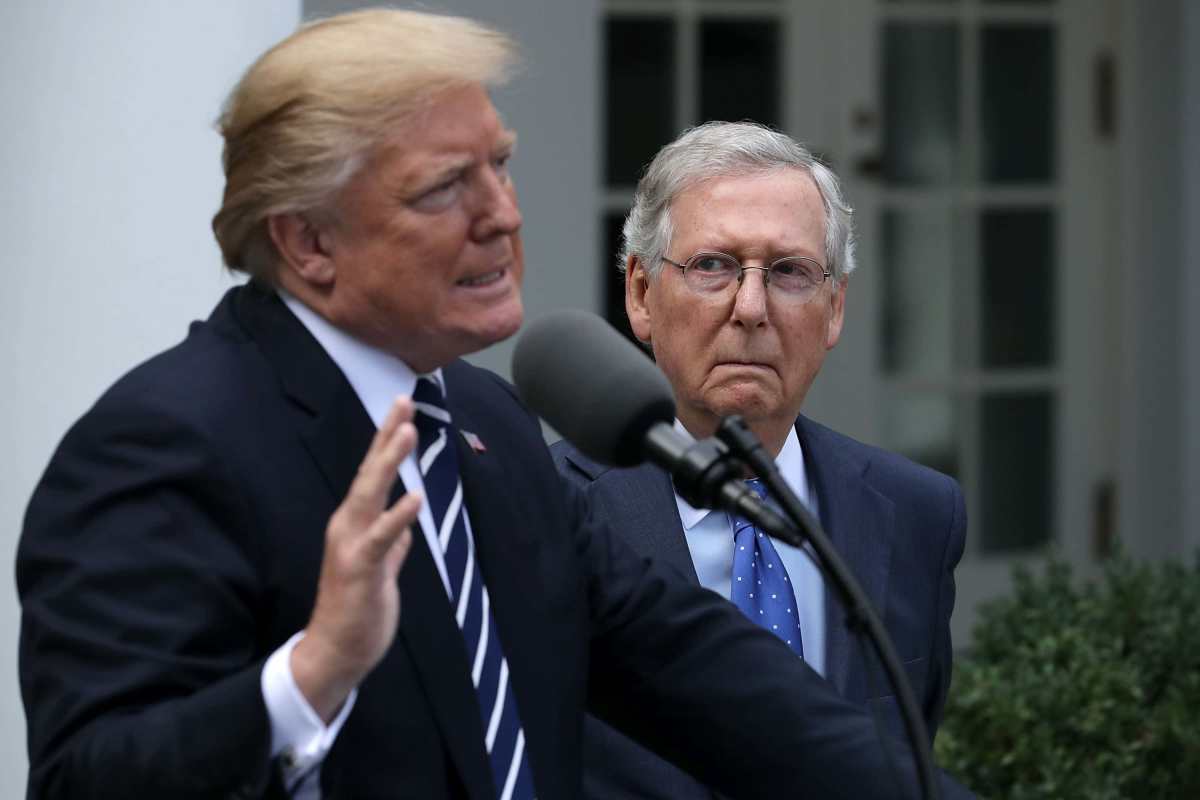
He argued Republicans were "worshiping dying institutional norms" while Democrats were "bragging" they would abolish the filibuster if they returned to power, adding that "submitting and surrendering" on the issue was "handing your enemy a weapon that they're going to use to strike you down."
Vance added that Republicans would ultimately need "better senators" to advance the president's legislative agenda.
SAVE Act debate exposes growing divide among Senate Republicans
The vice president's remarks come as Senate Republicans publicly disagree over whether using a "talking filibuster" could allow Trump's preferred version of the SAVE America Act to pass.
Supporters, including Senator Mike Lee (R-Utah), argue Republicans should use every available procedural tool to force action on the legislation. Opponents, led by Senator John Cornyn (R-Texas), contend such a strategy would consume valuable Senate floor time, expose Republicans to politically difficult amendment votes and still fail to secure passage before the upcoming election.
There is not single instance in the history of the United States Senate where a “talking filibuster“ has resulted in a favorable outcome for the proponent. Furthermore, here are some very important priorities we would be precluded from from considering => pic.twitter.com/ZJE7NgrMSn
— Senator John Cornyn (@JohnCornyn) June 25, 2026
The disagreement has played out publicly on social media. Cornyn argued there was "not (a) single instance" in Senate history where a talking filibuster produced the desired outcome for its supporters, while Lee responded that Republicans were choosing to "surrender" rather than use the chamber's rules to their advantage.
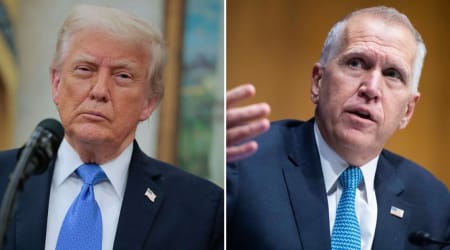
Trump has also increased pressure on Senate Republicans following the Supreme Court's recent voting rights decision, calling the SAVE America Act "more important than ever." The president urged GOP senators, Lisa Murkowski, Susan Collins, Thom Tillis, Bill Cassidy and Mitch McConnell, to support the measure, declaring there could be "no more excuses."
Senate Majority Leader John Thune has repeatedly said the votes are not there, while Senator Thom Tillis (R-NC) argued implementation before the election would be impractical.