Vance says Iran seeks nuclear deal, but US is unsure where Tehran stands

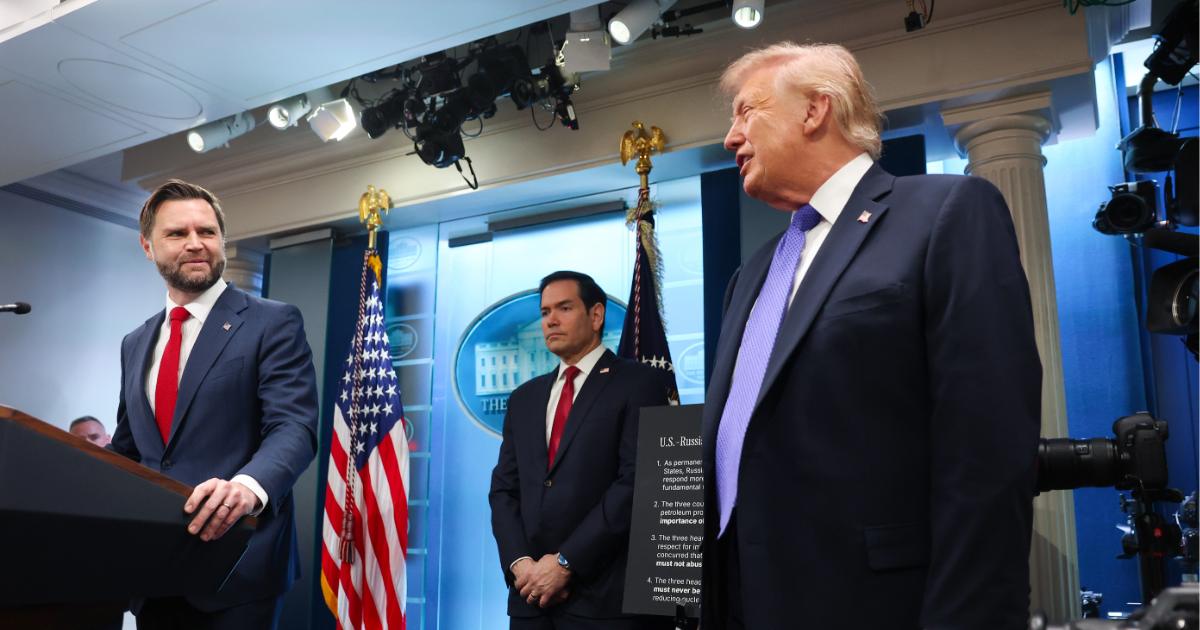
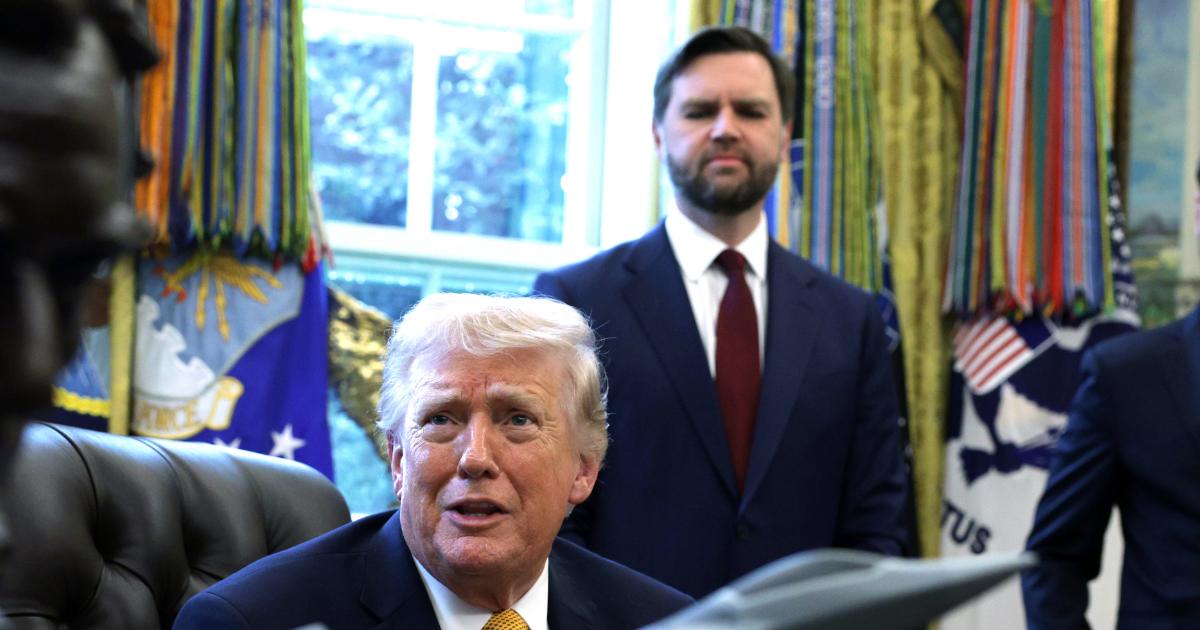
WASHINGTON, DC: Vice President JD Vance said on Tuesday, May 19, that he believes Iran is interested in reaching a deal with the United States, though he acknowledged that the Trump administration still lacks clarity on Tehran’s exact negotiating position during ongoing talks over its nuclear program.
Speaking at a White House briefing, Vance suggested that communication issues may partly explain the uncertainty surrounding the Iranian side’s objectives in the negotiations.

Vance says Tehran’s goals remain difficult to read
Vance told reporters that while the administration believes Iran wants an agreement, American officials are still trying to determine precisely what Tehran hopes to achieve through the negotiations.
“I don’t know if that’s sometimes bad communication,” Vance said. “It’s sometimes hard to figure out exactly what it is that the Iranians want to accomplish out of the negotiation.”
The vice president emphasized that the United States has attempted to remain consistent and transparent about its expectations throughout the diplomatic process.
“What we’ve done is tried to be as clear as possible. What are our red lines?” Vance said.
His remarks reflect continued uncertainty surrounding high-stakes diplomatic efforts aimed at limiting Iran’s nuclear capabilities while avoiding a broader regional confrontation.
US insists Iran cannot obtain nuclear weapon
Vance reiterated that the Trump administration’s primary condition for any agreement remains preventing Iran from acquiring a nuclear weapon.
He said the administration believes Iranian officials understand that the issue represents a non-negotiable boundary for Washington.
“What I think is that the Iranians recognize that a nuclear weapon is the red line for the United States of America,” Vance said. “They’ve internalized that.”
Still, Vance cautioned that it remains unclear whether both sides are ultimately aligned on the terms of a final agreement. “We’re not going to know until we’re actually putting pen to paper on signing a deal,” he added.
The comments come amid renewed diplomatic engagement between Washington and Tehran as concerns continue to grow over Iran’s nuclear activities and uranium enrichment capabilities.
Successive US administrations have sought to prevent Iran from developing a nuclear weapon while balancing pressure campaigns, sanctions and diplomatic outreach.
Trump has previously criticized earlier agreements with Iran as weak and insufficient to curb Tehran’s long-term nuclear ambitions.
Vance’s remarks suggest the administration sees potential for a breakthrough but remains cautious about the direction and seriousness of the Iranian negotiating team.
The vice president did not provide details about the timeline of the talks or whether a formal agreement may be close, but his comments signaled that the administration believes diplomacy remains active despite lingering uncertainty.