What Americans are asking online about voting as the 2026 midterms approach
WASHINGTON, DC. With the 2026 midterm elections approaching, voters across the US are looking for answers to basic questions about registration, voter ID, early voting, mail ballots, and polling places.
The answers, however, are not the same everywhere, with states setting different deadlines and procedures for how voters register and cast their ballots.
For voters preparing for the November election, checking registration status, confirming a polling location, and understanding state-specific voting deadlines can help avoid last-minute problems.
Here are some of the key questions Americans are asking about voting in 2026 and what voters need to know before casting a ballot.

Am I registered to vote?
Checking voter registration is one of the first steps voters can take before the 2026 midterm elections, particularly if they have moved, changed their name, or have not voted recently.
Vote.gov allows voters to select their state or territory to check their registration status, update their name or address, and find information about registering to vote. The federal site notes that registration deadlines vary by state and territory, meaning voters should check the rules that apply where they currently live.
The US Election Assistance Commission (EAC) also provides a state-by-state directory connecting voters with official election offices. It includes information on registering, updating voter registration, checking registration status, and options for casting a ballot. The EAC says its information is based on state websites and should be verified through the relevant state or local election authority.
The information in the embed below has not been independently confirmed and is based on a report.
🚨 IT'S OFFICIAL: Federal court REINSTATES Missouri's 2026 Congressional map that will add +1 US House seat for Republicans
— Eric Daugherty (@EricLDaugh) September 22, 2026
This REVERSES prior court orders that would've forced the previous map to be used
Under the new lines, Missouri is 7R-1D 🔥
This ruling could be APPEALED… pic.twitter.com/0HLvOrzb3G
The EAC recommends checking registration information if a voter has moved, changed their name, or has not voted in the past four years. Voters can usually check their information online or contact their local election office.
Do I need an ID to vote in the 2026 midterms?
Whether voters need identification at the polls depends on the state.
The National Conference of State Legislatures says 36 states have laws requesting or requiring voters to show some form of identification at the polls. The remaining states and Washington, DC, use other methods to verify voters' identities. Identification requirements also differ in terms of which documents are accepted and what happens when a voter does not have the required ID.
Several states have made changes to voting identification rules in 2026.
In Iowa, legislation removed the option for a voter without acceptable identification to have another voter attest to their identity instead of presenting an ID. New Hampshire enacted legislation removing student ID cards as a valid form of identification for voting. Alabama also enacted legislation specifying that digital driver's licenses and digital nondriver identification cards cannot be used as valid voter photo identification.
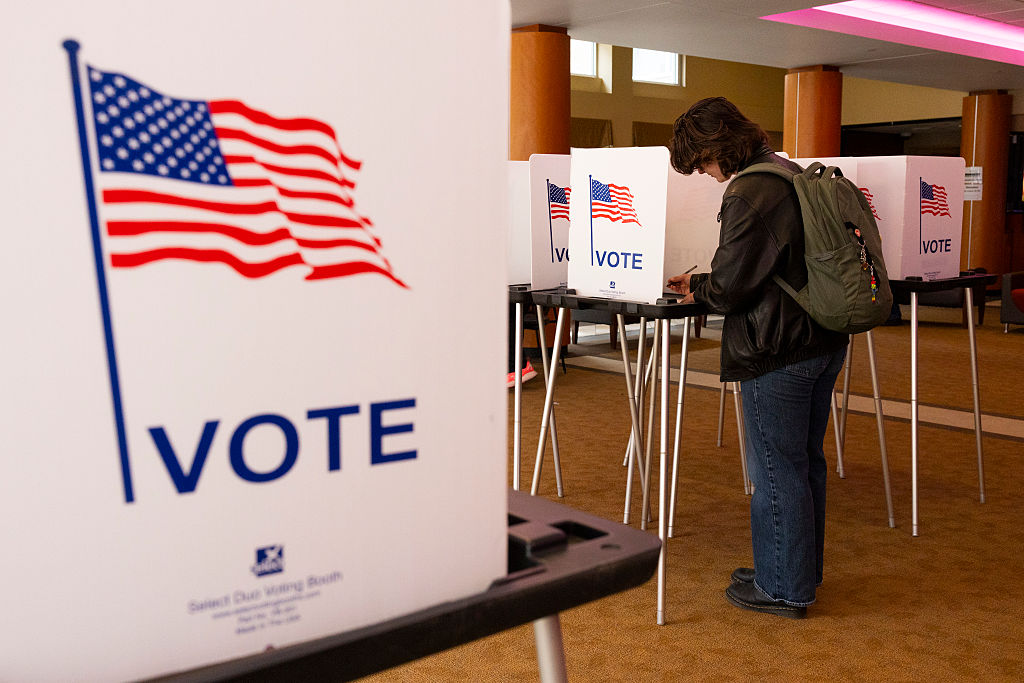
Other states have also made changes or proposed constitutional amendments involving voter identification during the 2026 election cycle. Arizona, Ohio, and Oklahoma have measures involving voter identification on their 2026 ballots.
Because the requirements vary by state, voters should check their state or local election office to determine which forms of identification are accepted and what options are available if they do not have the required ID.
Can I vote by mail in the 2026 midterms?
Mail voting is available to voters across the country, but the rules for requesting and returning a ballot differ by state.
Some states allow any eligible voter to request a mail ballot, while others require voters to provide a reason or meet specific eligibility requirements. The EAC advises voters to check their state election office for information about eligibility, requesting a ballot, and returning it.
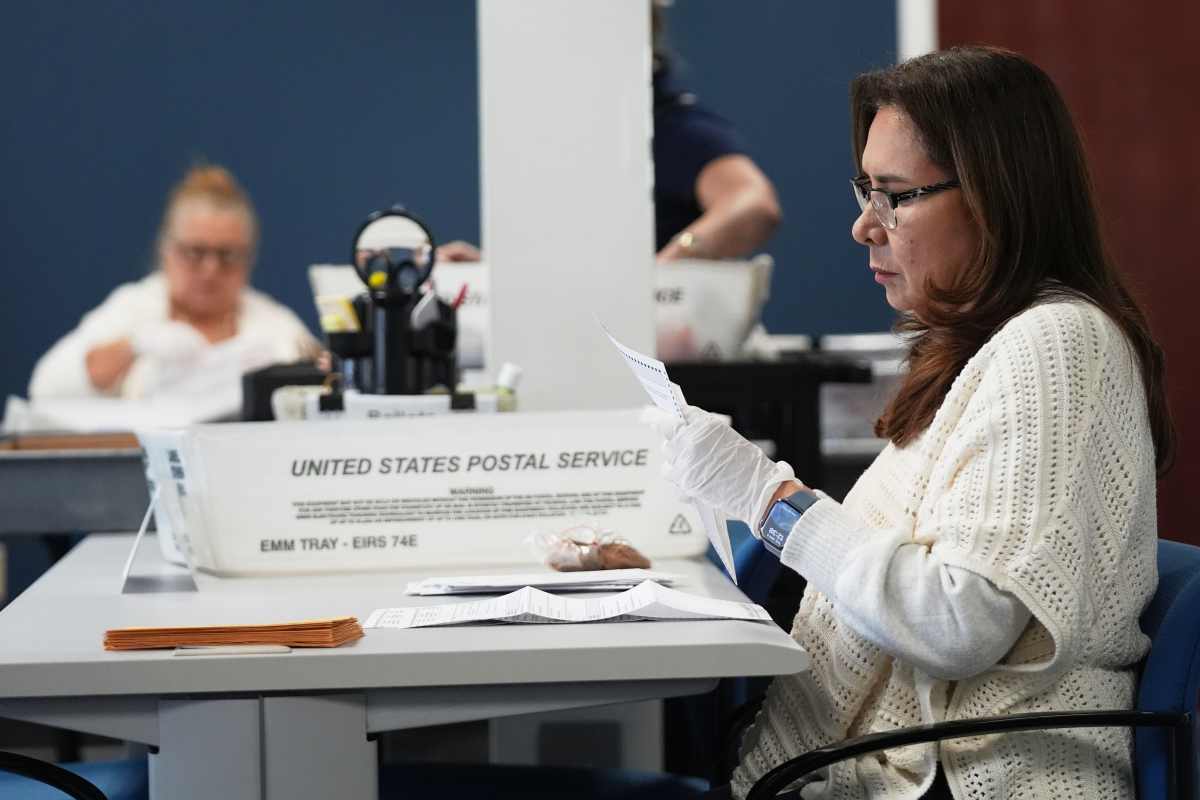
The deadlines can also differ. A voter may have one deadline for requesting a mail ballot and another for returning the completed ballot. States can also have different requirements concerning whether a ballot must be postmarked by Election Day or received by election officials by a particular date.
The 2026 election cycle has also brought changes to mail voting rules in several states. The National Conference of State Legislatures is tracking new laws involving absentee and mail voting, including changes to ballot procedures and deadlines.
For voters using a mail ballot, the instructions provided by their state or local election office are particularly important. A voter who mailed a ballot in a previous election should not automatically assume the same deadline or procedure applies in 2026.
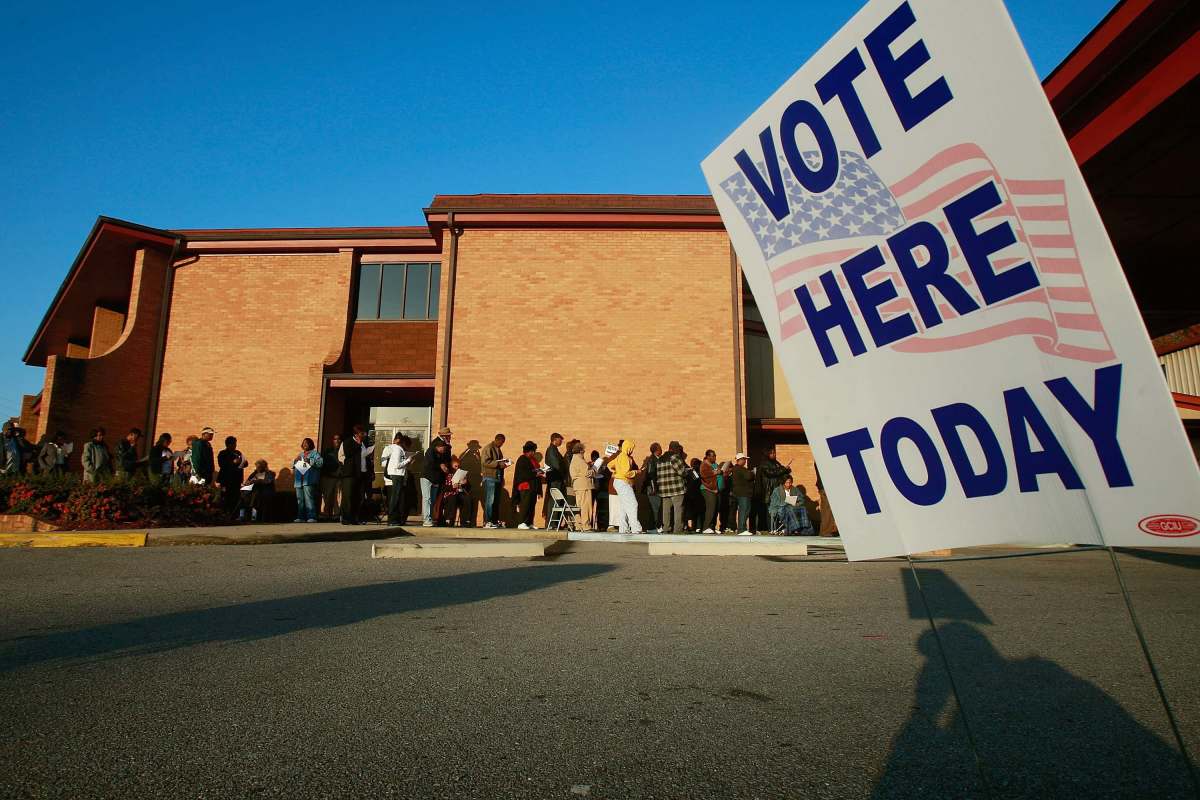
Where do I vote in the 2026 midterm elections?
Finding the correct polling place is another step voters should take before Election Day.
Polling locations can vary depending on where a voter lives, and the location used for early voting may be different from the polling place assigned for Election Day. Some jurisdictions also use vote centers, allowing eligible voters to cast their ballot at participating locations rather than one assigned polling place.
The EAC directs voters to their state and local election offices for information about polling locations, voting hours, and other requirements. The agency notes that elections are highly decentralized, with more than 10,000 election jurisdictions across the country.

That means voters should verify their polling location for the 2026 election rather than relying on information from an earlier election. Local election offices are responsible for providing the most current information about where and when voters can cast their ballots.
Voters should also check whether their state offers early voting and whether early-voting locations differ from Election Day locations.
When is early voting in 2026?
There is no single nationwide early-voting schedule for the 2026 midterms.
States set their own early-voting periods, while local election authorities can determine the locations and hours available to voters. As a result, the answer to a search such as “when is early voting?” depends on the state and, in some cases, the county or local election jurisdiction.
The EAC provides links to state election websites where voters can find information about early voting and other ways to cast a ballot.
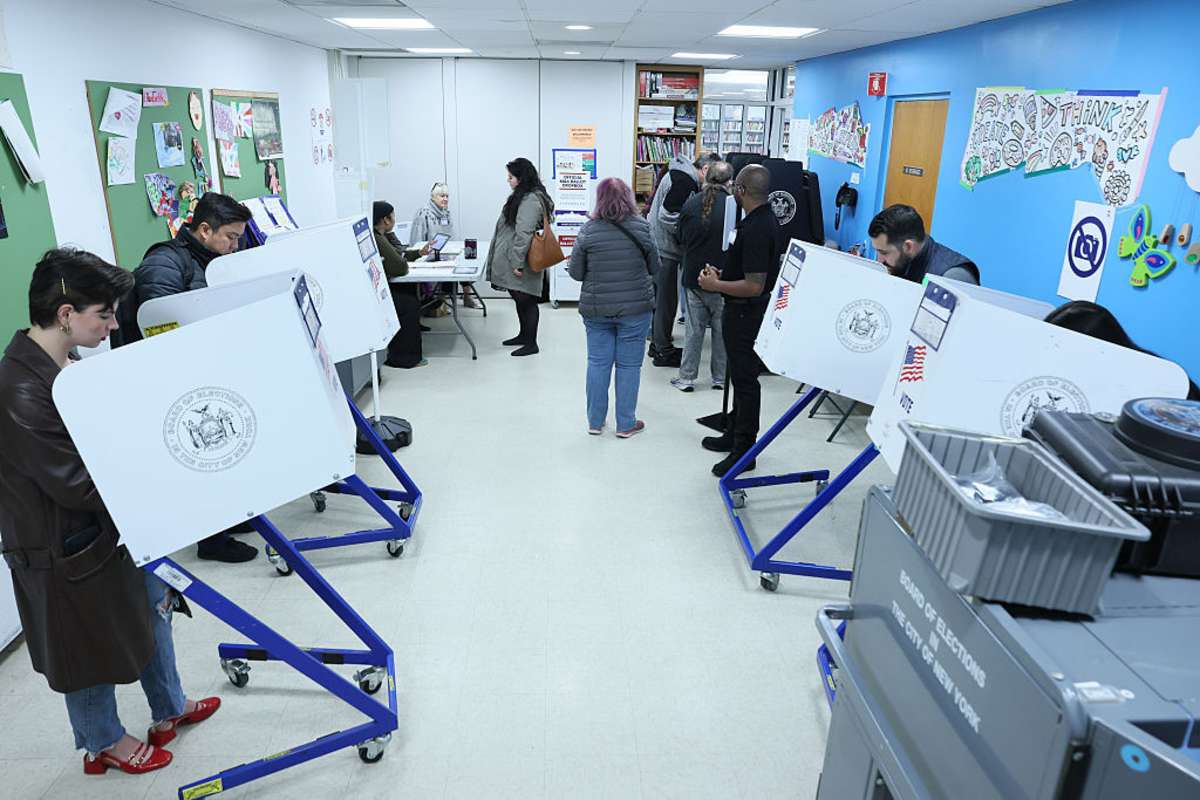
Voters planning to cast their ballot before Election Day should check the official schedule for their jurisdiction, including the opening and closing dates, voting hours, and locations.
This is particularly important for voters who have relied on an early-voting schedule from a previous election. Dates and locations can change from one election cycle to another.
What is the voter registration deadline for the 2026 midterms?
There is no single national voter registration deadline for the 2026 midterm elections.
Vote.gov says registration deadlines are set by individual states and territories. In some states, voters must register as much as 30 days before an election, while other states allow eligible voters to register on Election Day.
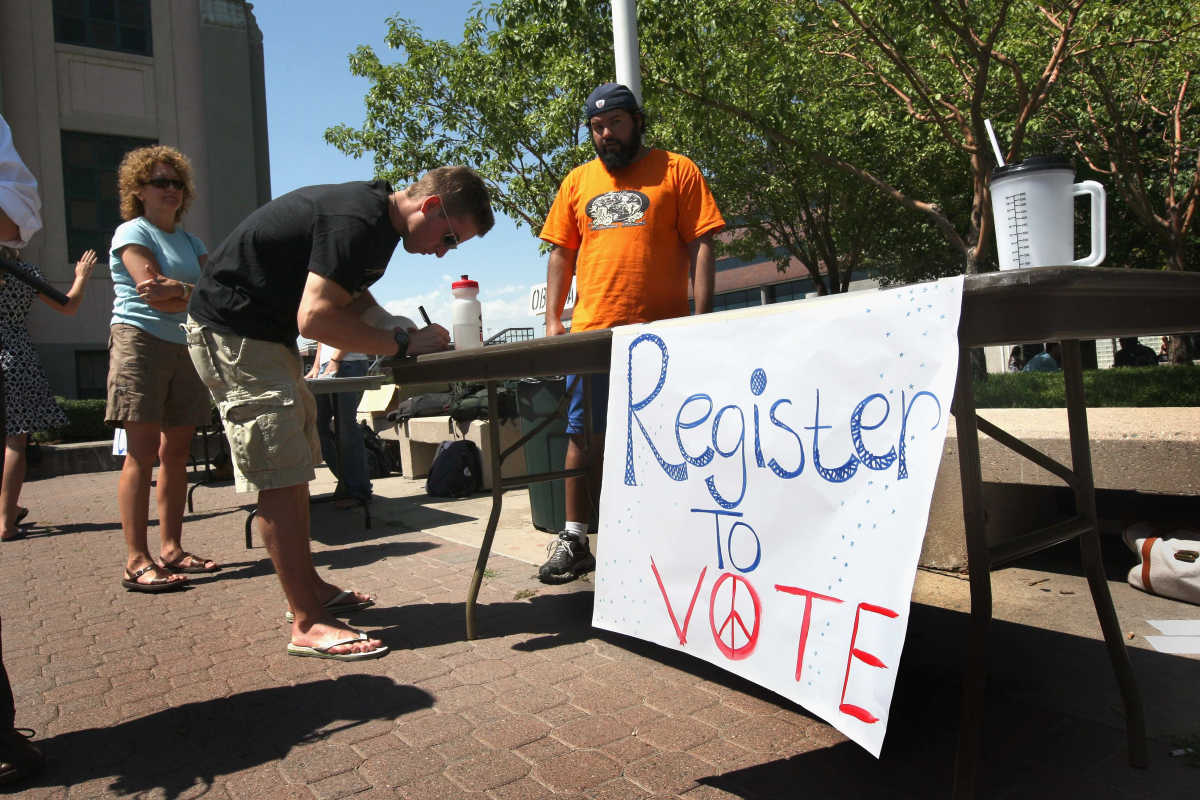
The EAC similarly says several states permit Election Day registration, while other states have registration deadlines that can fall weeks before the election.
Voters should therefore check the deadline in their own state rather than relying on a nationwide date. Vote.gov allows users to select their state or territory to find registration information and update their voter details.
The registration deadline is especially important for people registering for the first time or those who have moved to a new state. Voters who need to update their information should check the requirements and deadline before submitting a registration change.
What if I recently moved or changed my name?
Moving to a new address or changing a legal name can require voters to update their registration information. Vote.gov allows voters to select their state or territory to update their name or address if they are already registered. The EAC also recommends updating voter registration after a move or name change and checking that the information on file is accurate.
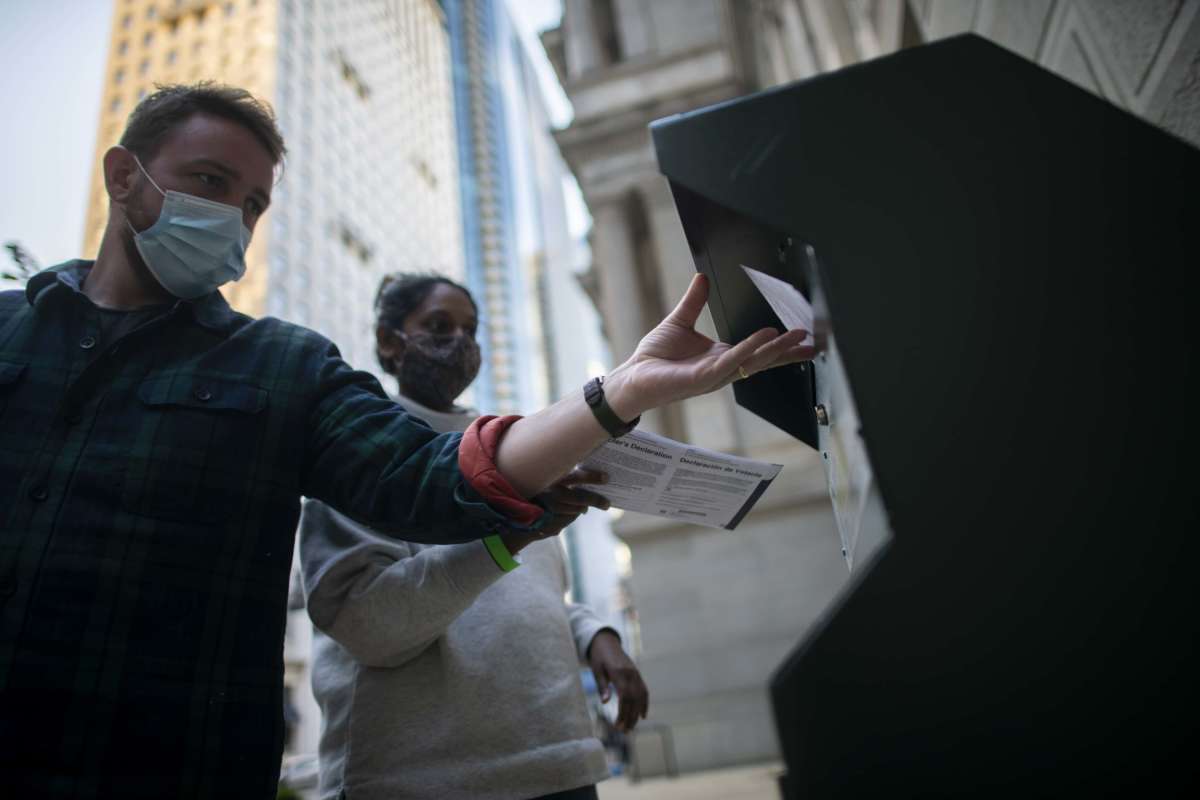
The process can differ depending on whether a voter has moved within the same state or moved to another state. Voters should therefore check the rules in their current jurisdiction instead of assuming their previous registration will automatically transfer.
The National Mail Voter Registration Form can be used to register or update information because of a name or address change in most states. The EAC says voters must follow the state-specific instructions included with the form and submit it to the appropriate state or local election office.
What changed for voters in 2026?
Election rules have changed in several states during the 2026 election cycle, making it important for voters to check current information rather than rely solely on guidance from previous elections.
The National Conference of State Legislatures is tracking election-related laws enacted or adopted during 2026, including changes involving absentee and mail voting, voter registration, voter ID, and election administration. As of August 31, NCSL had identified 275 enacted or adopted election-related measures during the year.
The changes vary significantly from state to state.
President Trump tells Iran their efforts to weaponize the 2026 midterms against him WON'T WORK, he's not taking ANY elections into account when it comes to Iran policy
— Trumpusa1 (@Trumpusa1A1) September 24, 2026
"I don't think about the election AT ALL when I think about ending the nuclear threat from Iran. I just think… pic.twitter.com/opEHiFWHd3
Colorado, for example, changed the period during which counties must mail ballots to voters and when ballot drop boxes must accept ballots. Iowa changed aspects of its voter ID and registration procedures. New Hampshire changed its list of acceptable voter identification documents, including removing student ID cards as an acceptable form of identification. Alabama also changed rules concerning digital identification and voting.
Some changes will also affect elections beyond 2026. Louisiana enacted a voter ID change that takes effect in 2027, requiring voters without acceptable identification to cast a provisional ballot and later provide identification for the ballot to count.
The result is that a voter who last participated in the 2024 election should not automatically assume that the same registration, identification, mail-ballot, or early-voting rules apply in 2026.
Where to get reliable information
For questions about voting in the 2026 midterms, official election sources should be the starting point.
Vote.gov: Register to vote allows voters to check registration, update their name or address, and find state-specific registration information.
US Election Assistance Commission: Voters can find voter FAQs, state election links, and information about registration, early voting, mail voting, and polling places.
The EAC Register and Vote in Your State tool links voters directly to state and local election offices. The EAC says voters should verify its summary information through those official sources to ensure deadlines and procedures are current.
For military voters and Americans living overseas, the Federal Voting Assistance Program provides information on registration and absentee voting. Vote.gov directs military and overseas voters to the program for assistance.