White House fires back after CBS labels Trump's mail-in voting claim 'false'

WASHINGTON, DC: A fresh battle over election security erupted on Friday, July 17, after CBS News rated one of President Donald Trump's claims about mail-in voting as "False," prompting an immediate rebuttal from the White House.
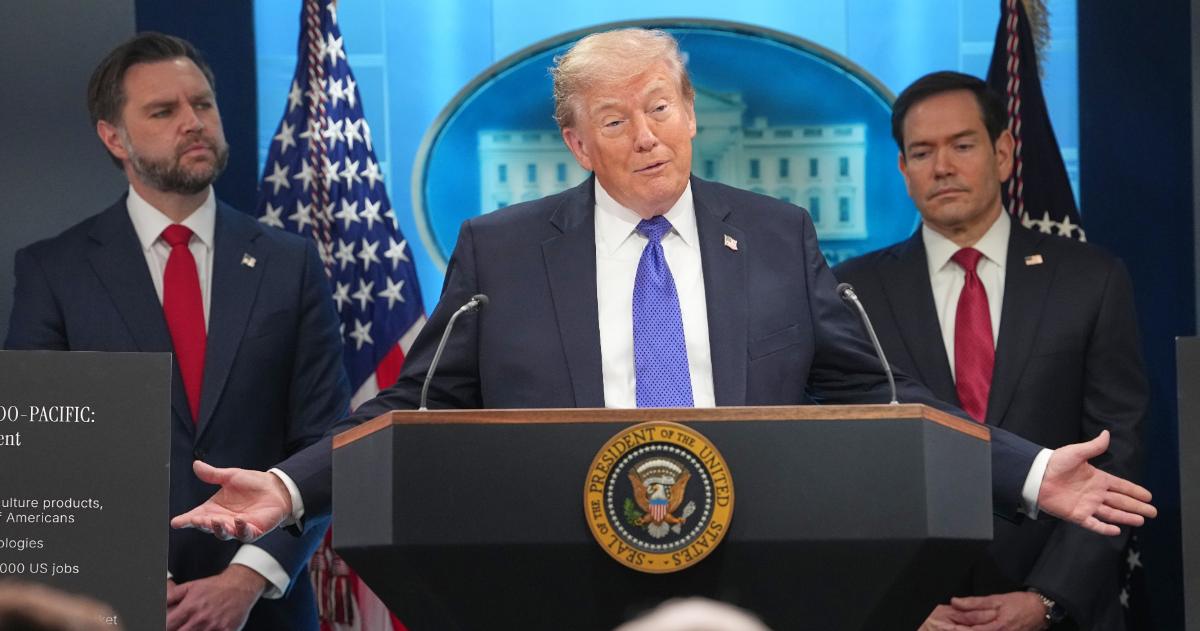
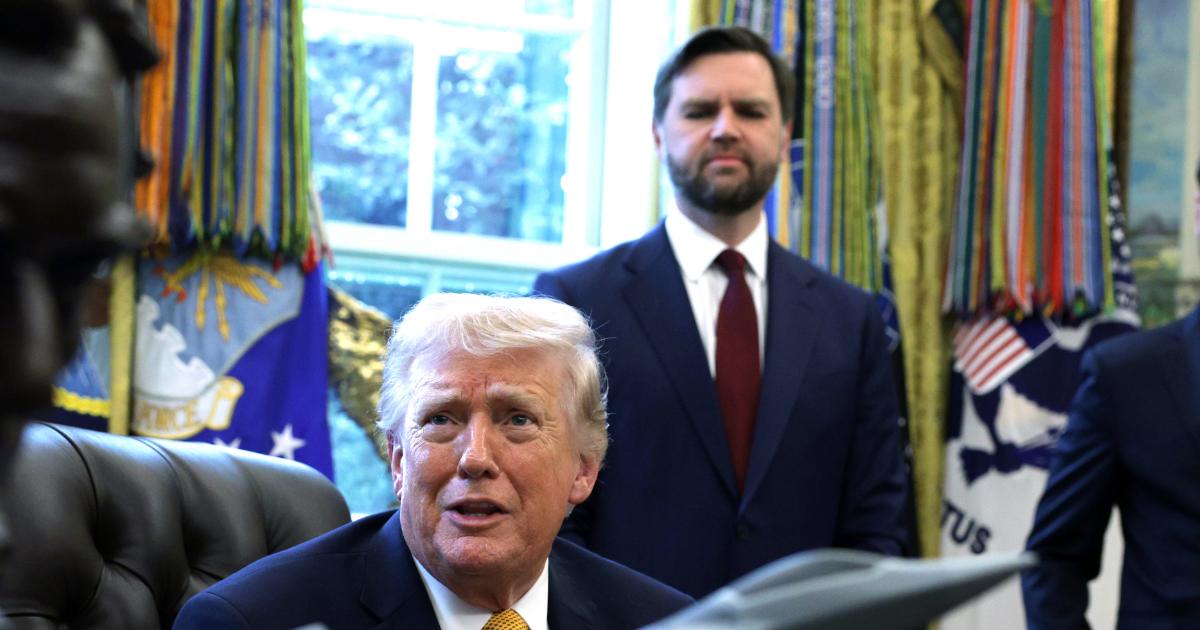
During Trump's nationally televised address promoting the SAVE America Act, the president argued that "mail-in ballots are inherently corrupt."
CBS disputed the claim, citing studies finding no evidence of widespread mail-in ballot fraud. Within hours, the White House Rapid Response team fired back on social media, accusing the network of ignoring research and legal findings that, while not proving widespread fraud, argue mail-in voting carries greater risks than in-person voting.
CBS rejects Trump's claim
President Trump claimed "mail-In ballots are inherently corrupt," while advocating for his SAVE America Act, which would ban mail-in voting, except in certain cases.
— CBS News (@CBSNews) July 17, 2026
FACT CHECK RATING: False.
There is no evidence of widespread mail-in ballot fraud or corruption in states where… pic.twitter.com/eExtt5QMPI
CBS News said there is no evidence of widespread mail-in ballot fraud in states that broadly allow voting by mail, citing research from the Brookings Institution that found an average fraud rate of roughly four cases per 10 million mail-in votes cast across the 2016, 2018, 2020 and 2022 general elections.
Based on those findings, the network rated Trump's assertion that "mail-in ballots are inherently corrupt" as false, arguing available evidence does not support the claim that the voting method is broadly fraudulent.
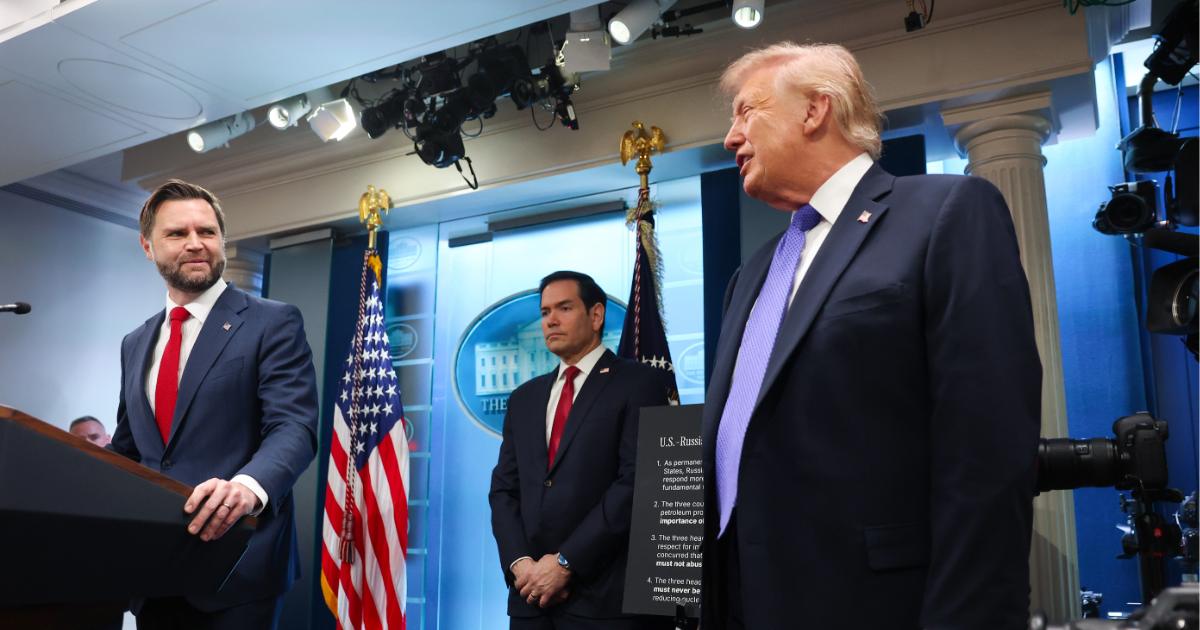
The fact check came shortly after Trump used his White House address to renew calls for the SAVE America Act, which would tighten voter registration requirements and significantly restrict mail-in voting.
White House launches detailed rebuttal
FACT: Voting by mail increases the risk of fraud.
— Rapid Response 47 (@RapidResponse47) July 17, 2026
FACT: The bipartisan Commission on Federal Election Reform warned that voting by mail is “likely to increase the risks of fraud and of contested elections,” that “absentee ballots remain the largest source of potential voter… https://t.co/4m5j5R8jFt
The administration responded through its Rapid Response account, arguing CBS framed the issue too narrowly by focusing only on evidence of widespread fraud.
Instead, the White House cited a range of reports and studies, including findings from the bipartisan Commission on Federal Election Reform, a House Republican Policy Committee report, MIT Election Data and Science Lab research, court rulings, and prior reporting by The New York Times, to argue that absentee voting presents greater risks of fraud, coercion, administrative errors and contested elections than in-person voting.
The administration also pointed to a 2020 Heritage Foundation report and a Heartland Institute/Rasmussen survey as additional evidence supporting stronger election safeguards.
Election debate intensifies again

While CBS's fact check addressed whether there is evidence of widespread fraud associated with mail-in voting, the White House's response focused on a different argument: that the voting method is more vulnerable to fraud, error and abuse than traditional in-person voting.
The clash came as the Trump administration continues making election security a central policy priority, with the president and senior officials pushing Congress to advance the SAVE America Act while expanding federal election enforcement ahead of the 2026 midterm elections.