White House weighs Democratic plan to reopen Homeland Security as shutdown drags on
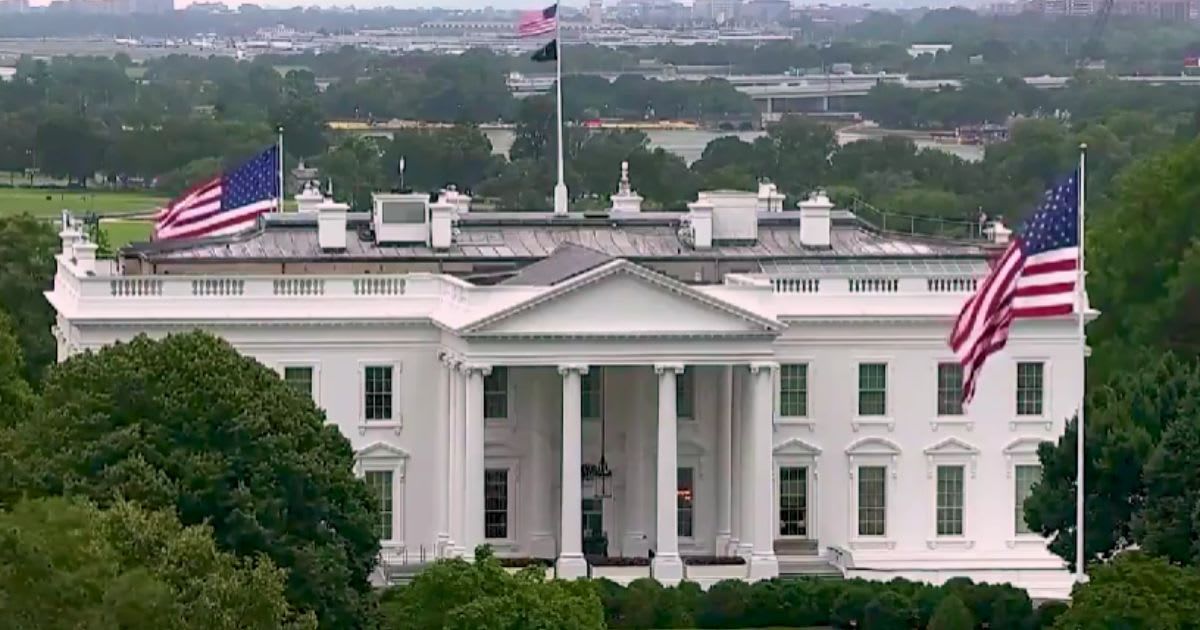
WASHINGTON, DC: The White House is reviewing a Democratic proposal to fund and reopen the Department of Homeland Security, as negotiations between the two sides continue to move slowly.
A White House official confirmed that Democrats submitted their counteroffer late on Monday, more than two weeks after the administration presented its last proposal.
The delay has drawn criticism from Republicans, who say it signals a lack of urgency.
Republicans question democratic intent
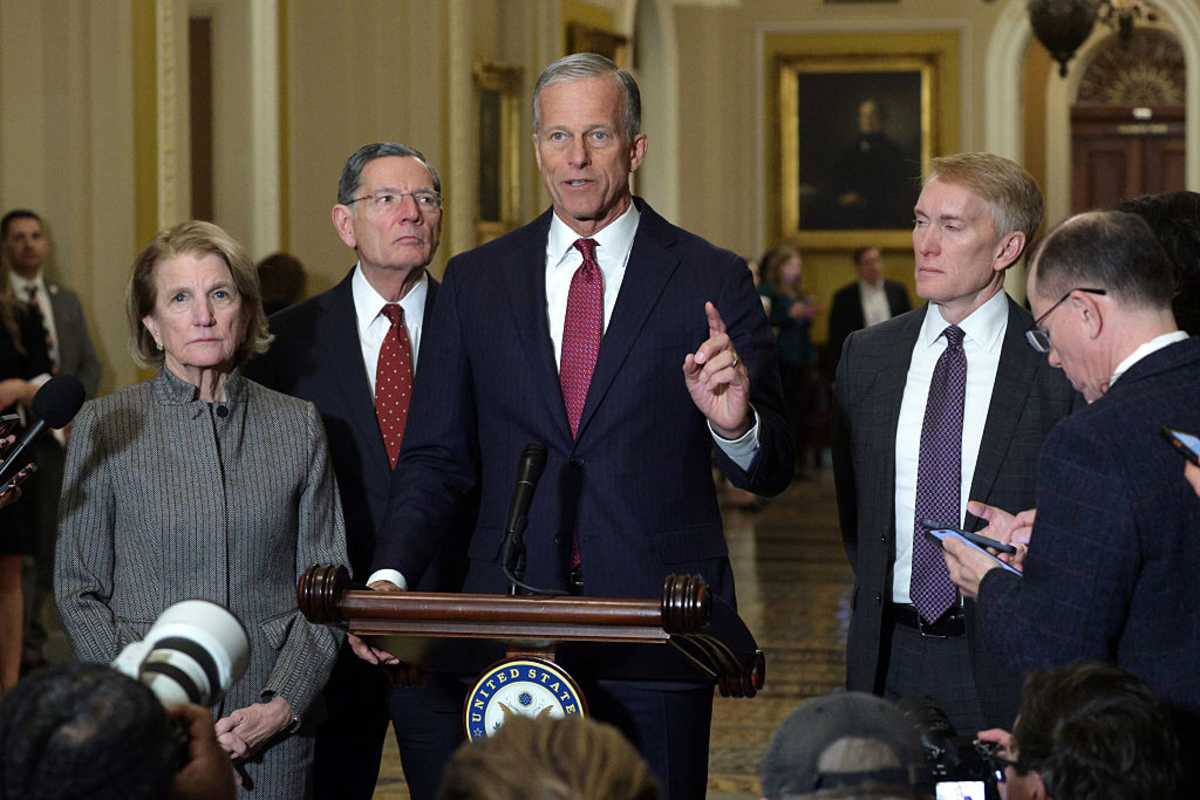
John Thune, the Senate Majority Leader, said Democrats are not serious about reaching a swift agreement.
He noted that it took 18 days for Democrats to respond to the White House’s previous offer, accusing them of dragging out the issue for political reasons.
“But the Democrats seem intent on dragging out this political issue,” Thune said, urging more direct engagement to resolve the impasse.

White House offers ‘significant concessions’
Thune said the administration has made substantial concessions in an effort to break the deadlock and restore operations at Homeland Security, including resuming pay for key personnel such as Transportation Security Administration staff.
Among the proposals, the White House has agreed to increase funding for body cameras for federal immigration enforcement officials from $20 million to $100 million.
It has also suggested enhanced oversight measures, including audits by the inspector general to identify “noncompliance” within enforcement agencies.
Dispute over immigration enforcement funding
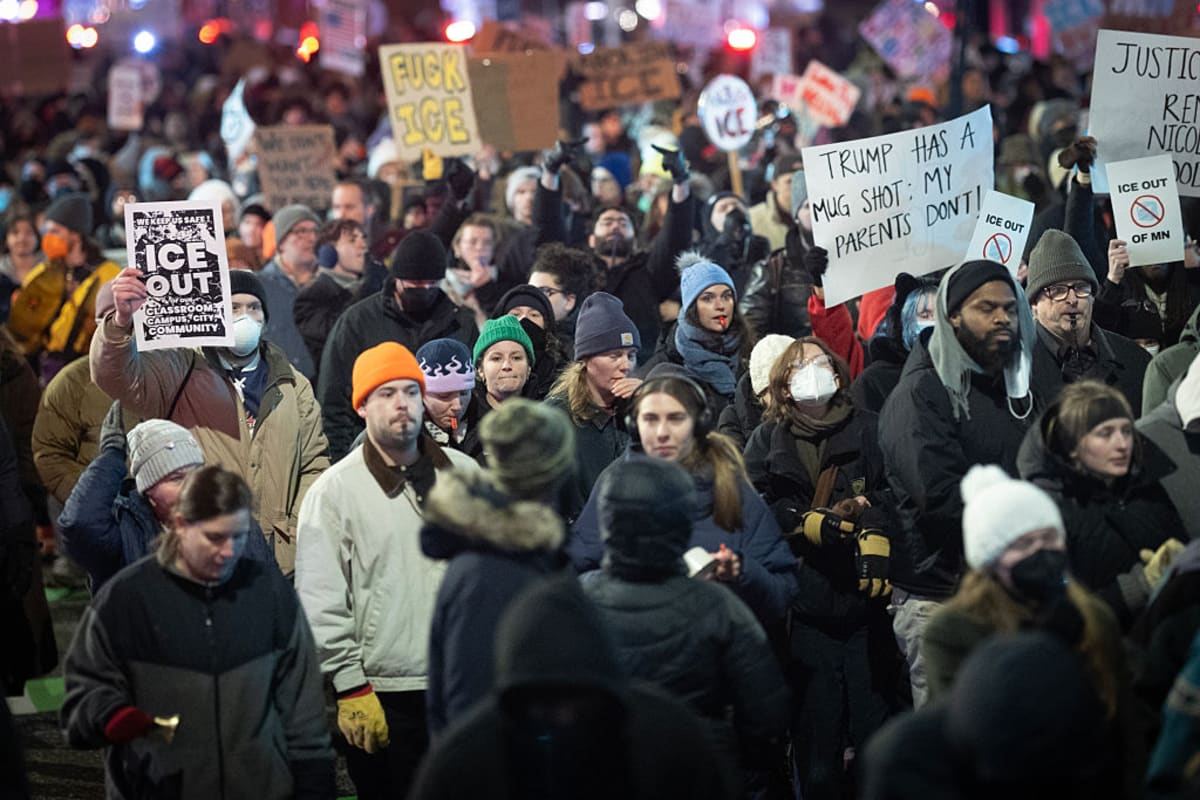
The standoff largely centers on funding for immigration enforcement agencies such as Immigration and Customs Enforcement (ICE) and Customs and Border Protection (CBP).
Thune accused Democrats of seeking to weaken these agencies, claiming they aim to “defund law enforcement” tied to border security operations.
Thune emphasized the need for both sides to return to the negotiating table to reach a meaningful compromise.
“We’ve got to have a meaningful conversation where we sit down at the table and actually work these issues out,” he said, warning that progress would remain stalled without direct talks.