$100B later, Americans are still paying for Trump's Iran war and the bill is climbing
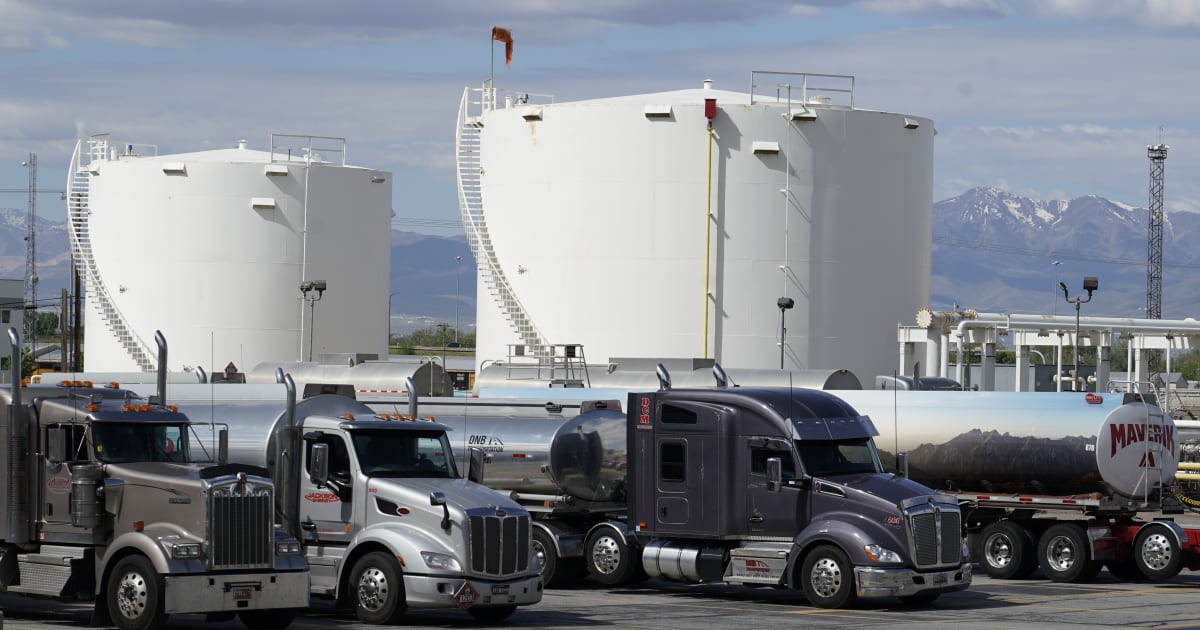
WASHINGTON, DC: Americans have now paid an estimated $100 billion in extra gasoline and diesel costs since the war in Iran began on February 28, according to a real-time tracker called 'Iran War Energy Cost Tracker' developed by researchers at Brown University.
The average US household has spent more than $760 extra on fuel during the conflict, according to the estimate reported on Monday, September 7.
The cost is rising as fuel prices remain elevated, with diesel reaching a new national record.
Trump: For you to pay a TINY little bit more for your gasoline, you're doing it so that a very evil country cannot have a nuclear weapon. Remember that when you’re paying $4. I’ll never apologize. pic.twitter.com/SRdBzE3g4h
— Acyn (@Acyn) August 14, 2026
The figures put a dollar amount on a cost President Donald Trump has previously acknowledged.
Speaking about rising gas prices, Trump said Americans might have to pay “a tiny little bit more” to prevent Iran from obtaining a nuclear weapon.
But six months into the conflict, the additional cost is now being felt by households across the country.
Households have paid over $760
Brown University's 'Iran War Energy Cost Tracker' measures the additional amount Americans have paid for gasoline and diesel compared with researchers' estimates of what prices would have been without the conflict.
According to the latest estimate, the average household has paid more than $760 in additional fuel costs since the war began.
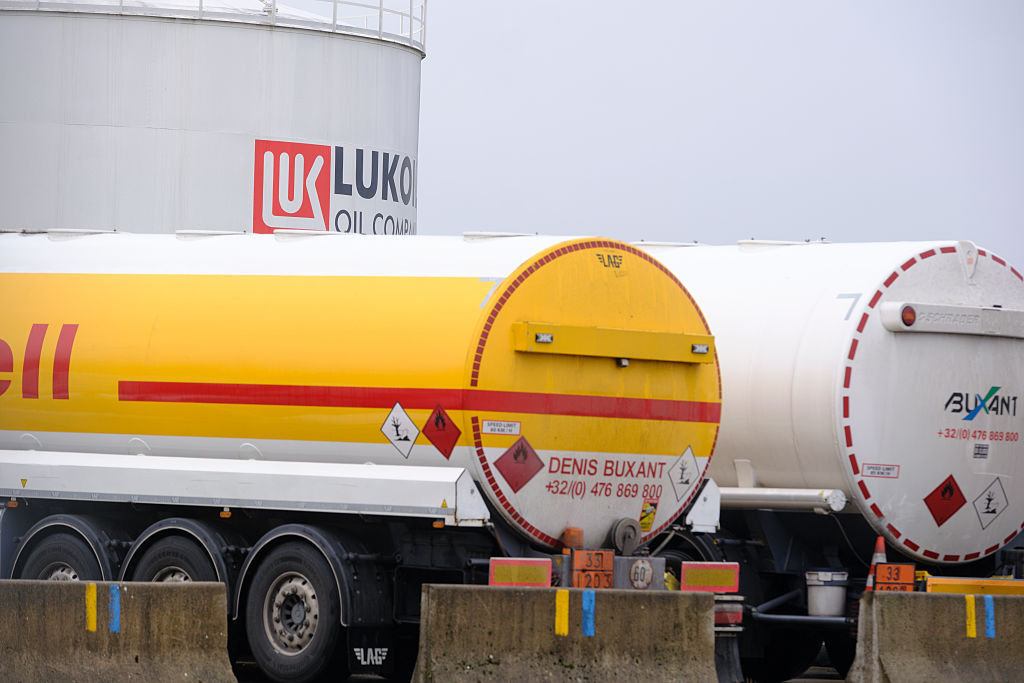
Texas has carried the largest total burden, with consumers paying about $11 billion in extra gasoline and diesel costs.
California follows at roughly $8 billion, while Florida consumers have paid around $5 billion more, according to the tracker.
The estimate is based on fuel prices, consumption data, and household figures and is updated as prices change.
Brown researchers launched the tracker in April to measure how the conflict's energy impact was reaching American consumers directly at gas stations and through diesel costs.
Diesel prices hit record highs
Diesel has become a growing concern because of its role across the US economy.
The national average reached about $5.90 a gallon on Monday, according to AAA data reported by multiple outlets, marking a new record.
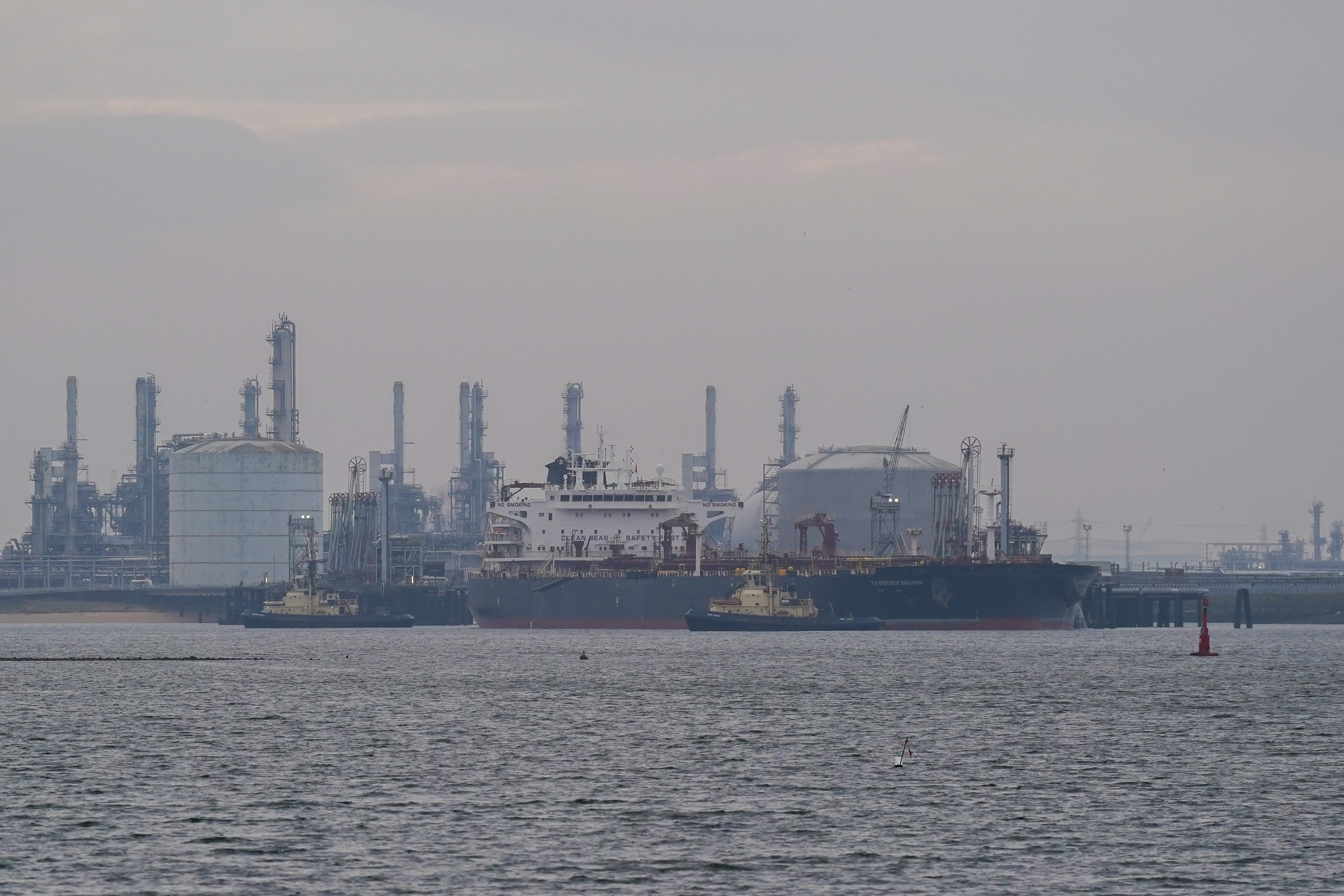
The price was around 60% higher than a year earlier.
Diesel powers the trucks that move food and consumer goods, as well as equipment used in farming, construction and other industries.
Higher prices can increase transportation and operating costs for businesses, which may eventually be reflected in the prices consumers pay.
Gasoline prices have also remained above $4 a gallon nationally, with the Labor Day average reaching a record for the holiday.
The price surge has been linked to disruptions affecting oil and fuel supplies during the Iran conflict and problems involving refineries.
What Americans could pay next
The future cost will depend heavily on how long disruptions to energy supplies continue and whether fuel markets stabilize.
Energy Secretary Chris Wright said on Sunday that gasoline futures suggested that prices could move lower in the coming months, while acknowledging that Americans are currently paying more at the pump.
For families, however, the impact goes beyond filling a car.
Rising diesel costs could affect freight, groceries, travel, and other everyday expenses if businesses face higher transportation bills.
With the midterm elections less than two months away, fuel prices are also becoming part of the wider debate over affordability and how much longer Americans may be asked to absorb the cost of the Iran conflict.