Trump's Energy chief reveals the part of the Iran plan that could last generations
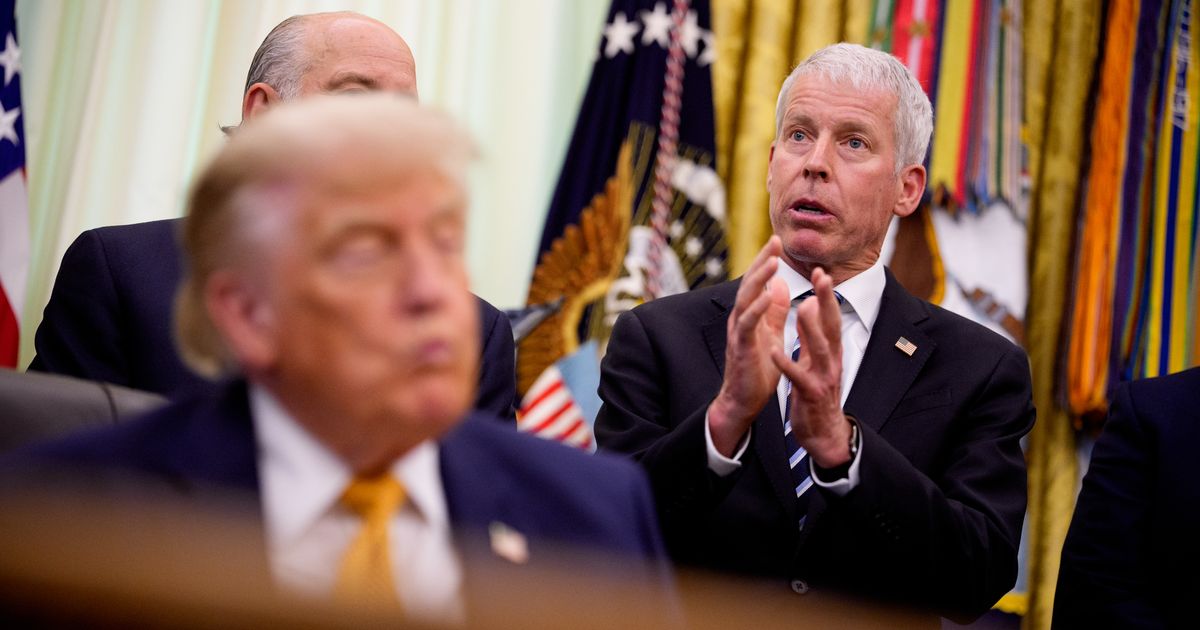
WASHINGTON, DC: President Donald Trump's Energy Secretary Chris Wright said on Sunday, September 6, that the US may not reach a nuclear agreement with Iran and could instead continue destroying its ability to develop nuclear weapons and missiles.
Speaking on ABC's 'This Week', Wright said the US remained “in a conflict” with Iran.
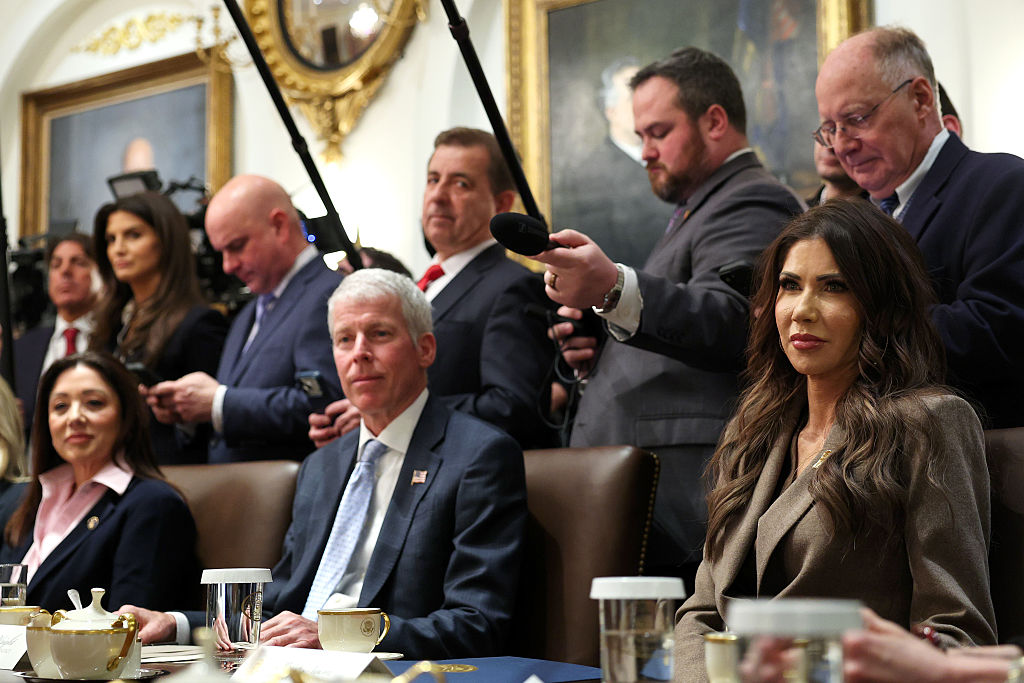
He also said the US Navy was working to prevent Iranian oil and other exports from leaving the country as part of an effort to pressure Tehran.
Asked how the US could stop Iran from rebuilding its capabilities, Wright described the challenge as a “47-year-long effort.”
Nuclear deal may never happen
ABC's Martha Raddatz asked Wright why there was still no sign of a nuclear agreement after months of conflict.
“There may not be a nuclear agreement,” Wright said.
Energy Secretary Chris Wright says “there may not be a nuclear agreement” during the Trump administration.
— This Week (@ThisWeekABC) September 6, 2026
“An agreement may await the next administration in Iran. We simply don't know that.”https://t.co/FM0lal4JT0 pic.twitter.com/SOg9coaKDH
He said an agreement could instead wait for a future administration in Iran.
“We simply don't know that,” Wright added.
Wright said the administration's focus was on destroying Iran's ability to develop nuclear weapons rather than relying only on an agreement.
He said a nuclear-armed Iran would pose a threat to the region and the world economy.
Chris Wright confirms conflict is continuing
Raddatz asked Wright whether the US was still at war with Iran after reports that Iranian forces had launched ballistic missiles.
“We're still in a conflict, for sure,” Wright said.
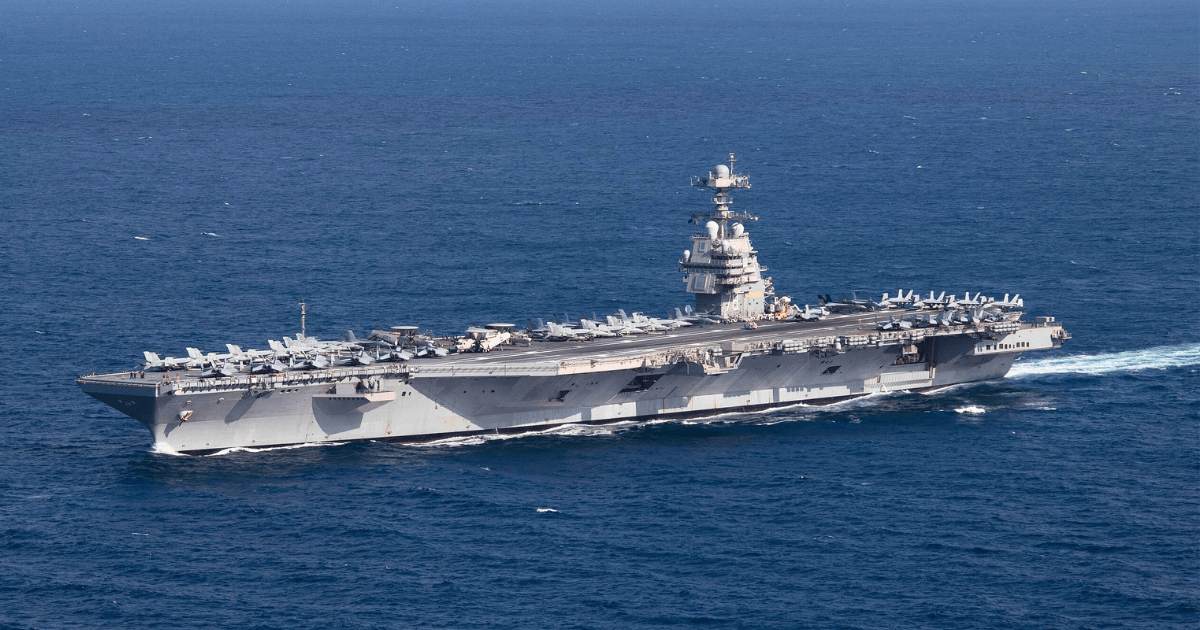
He said the US Navy remained in the region to reduce Iran's ability to disrupt activity around the Strait of Hormuz.
“We're in a conflict zone,” he added.
Wright said Iran was continuing to cause problems despite US operations against its military capabilities.
His comments followed Trump's description of the fighting as a “military conflict” and “small potatoes.”
Navy blocks Iran's exports
Wright said the US military's mission in the region was not limited to helping ships move through the Strait of Hormuz.
“The critical mission that our Navy is doing is not just to escort the ships out, but it's to prevent any Iranian oil or any other export products from coming out,” he said.

He said blocking those exports was intended to increase economic pressure on Iran.
“That'll either change their regime, or it'll change their regime's policies,” Wright said.
He also said the US was working to increase the amount of oil moving through the Strait and bypass pipelines in Saudi Arabia and the United Arab Emirates.
Chris Wright says 'it is a 47-year-long effort'
Raddatz then asked Wright whether the US would have to keep bombing Iran whenever it rebuilt its nuclear infrastructure.
“You have to destroy their capabilities to do it,” Wright replied.
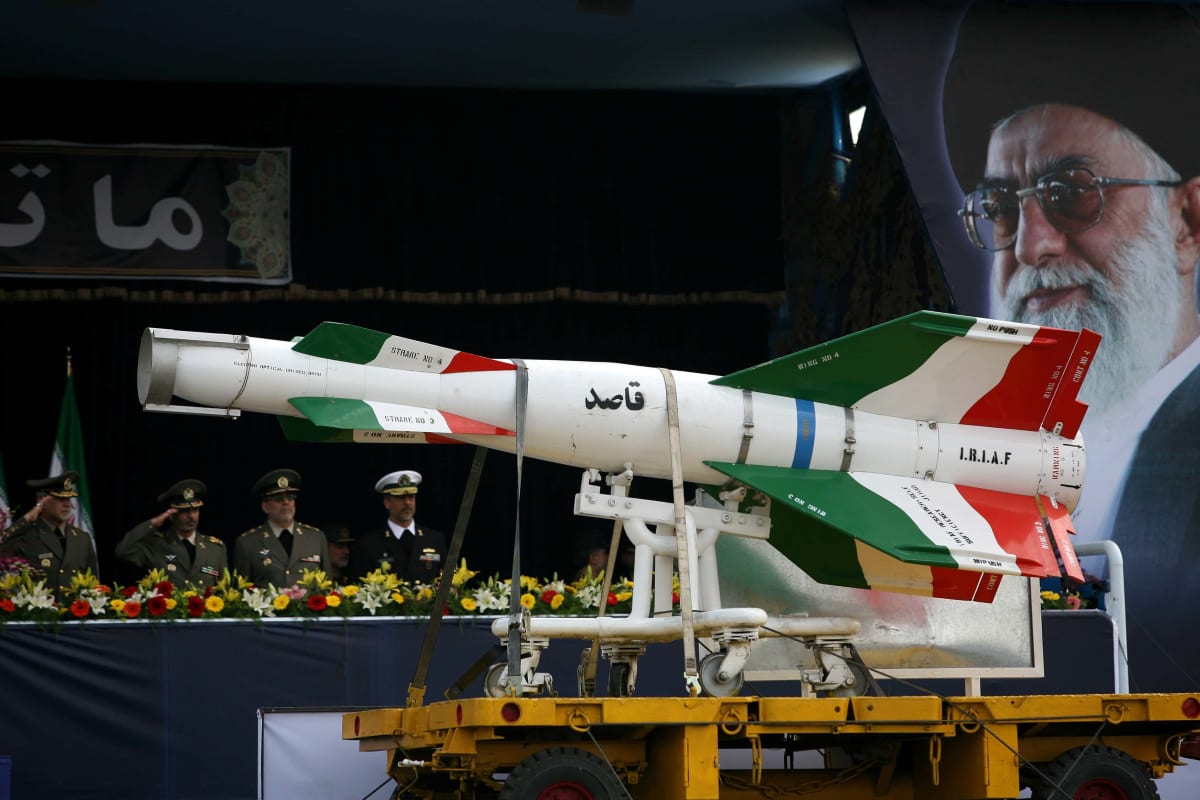
He said the US had degraded Iran's capacity to develop nuclear weapons and produce missiles.
“It is a 47-year-long effort. This is not trivial,” Wright said.
He said the US would continue working with allies in the region and expected other countries to join the effort.
What this means for Americans
Raddatz also questioned Wright about rising gasoline prices, noting that the national average had reached $4.10 a gallon.
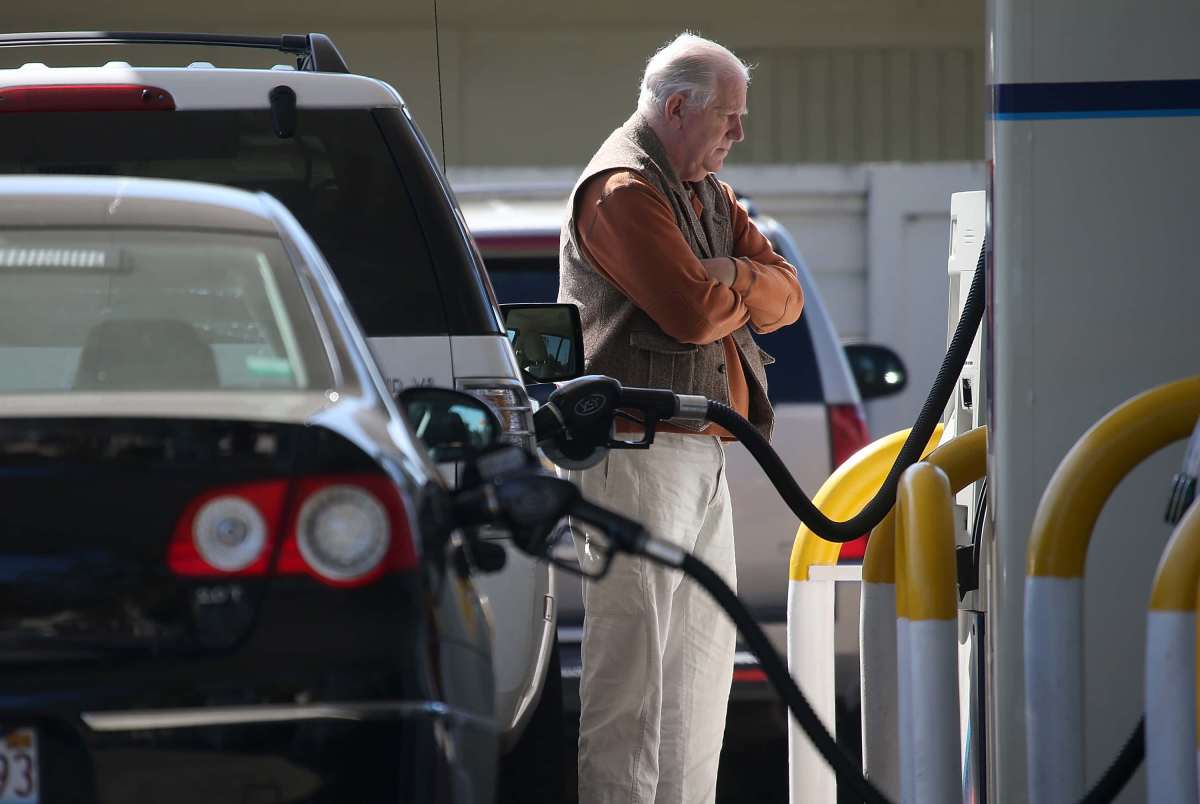
Wright said gasoline futures suggested prices could be about 35 cents lower in November than current levels.
He said the administration was working to increase fuel production and pointed to lower demand after the summer driving season.
When asked if gas prices will go down before the midterm elections, Energy Secretary Chris Wright said “the marketplace thinks gasoline prices are going to move meaningfully lower.”
— This Week (@ThisWeekABC) September 6, 2026
“We're doing everything we can to grow the production of gasoline. As we pass Labor Day tomorrow,… pic.twitter.com/ntJB3RCh3t
For Americans, the conflict's impact could continue to include fuel prices and US military operations in the Middle East.