Gas prices climb above $4 again as Trump's Iran strikes reignite oil fears
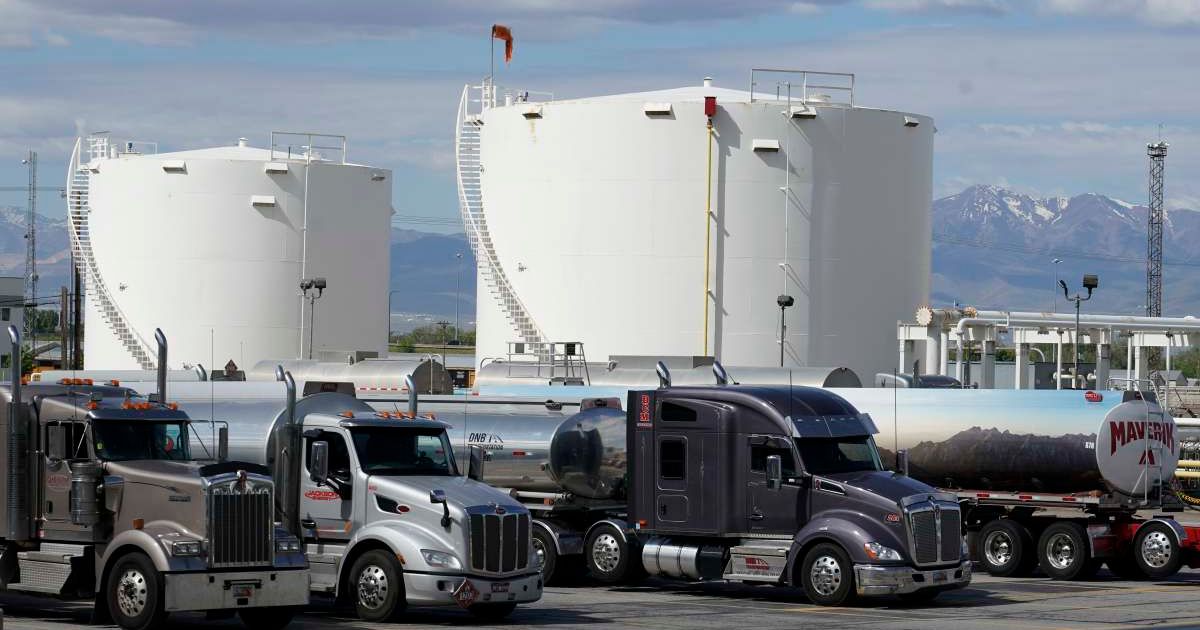
WASHINGTON, DC: Americans are once again paying more than $4 a gallon for gasoline after renewed fighting between the United States and Iran reignited fears of another global oil supply shock.
According to AAA, the national average gas price climbed to $4.003 per gallon on Monday, July 20, rising 13 cents over the past week as military tensions intensified across the Middle East.
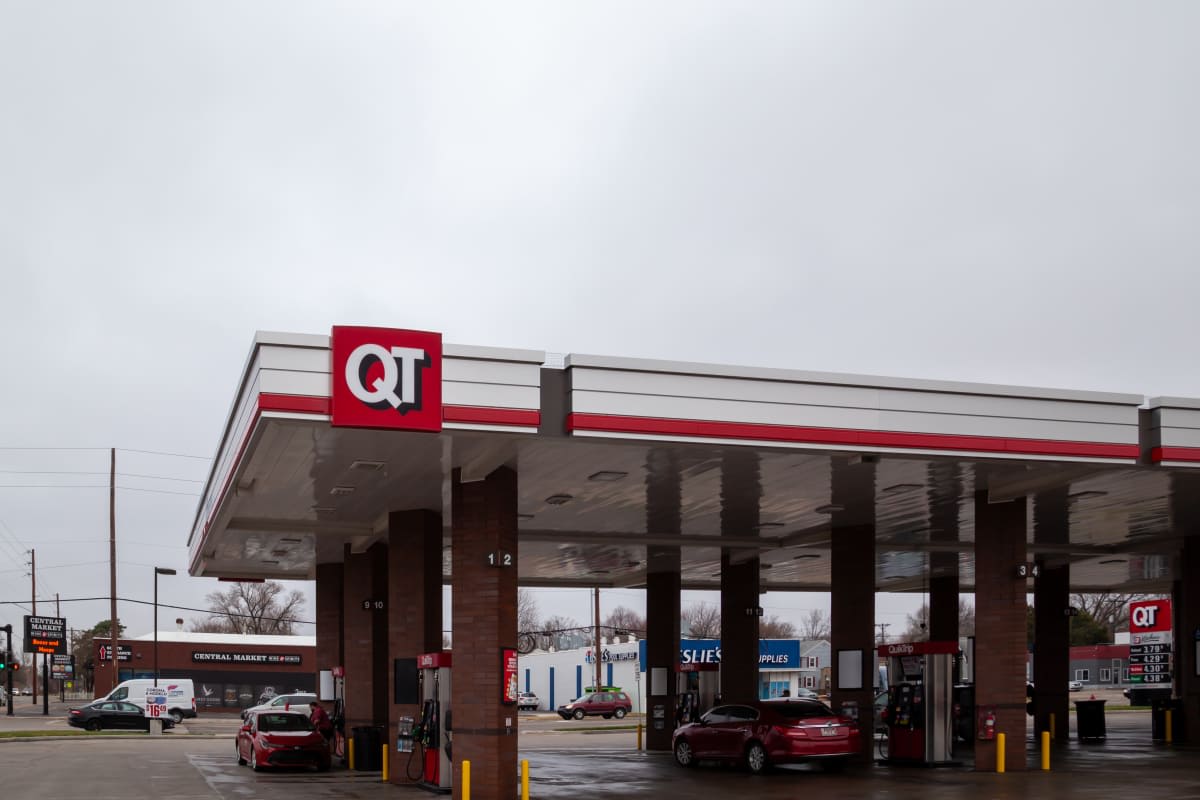
The latest increase follows fresh US strikes on Iran, deadly attacks on American troops, and renewed uncertainty over the Strait of Hormuz, a strategic shipping lane that carries roughly one-fifth of the world's oil supply.
The reversal ends weeks of falling fuel prices and raises concerns that another prolonged energy spike could hit consumers and the broader economy.
War drives fuel prices higher
The latest jump comes after the recent collapse of efforts to stabilize the conflict.
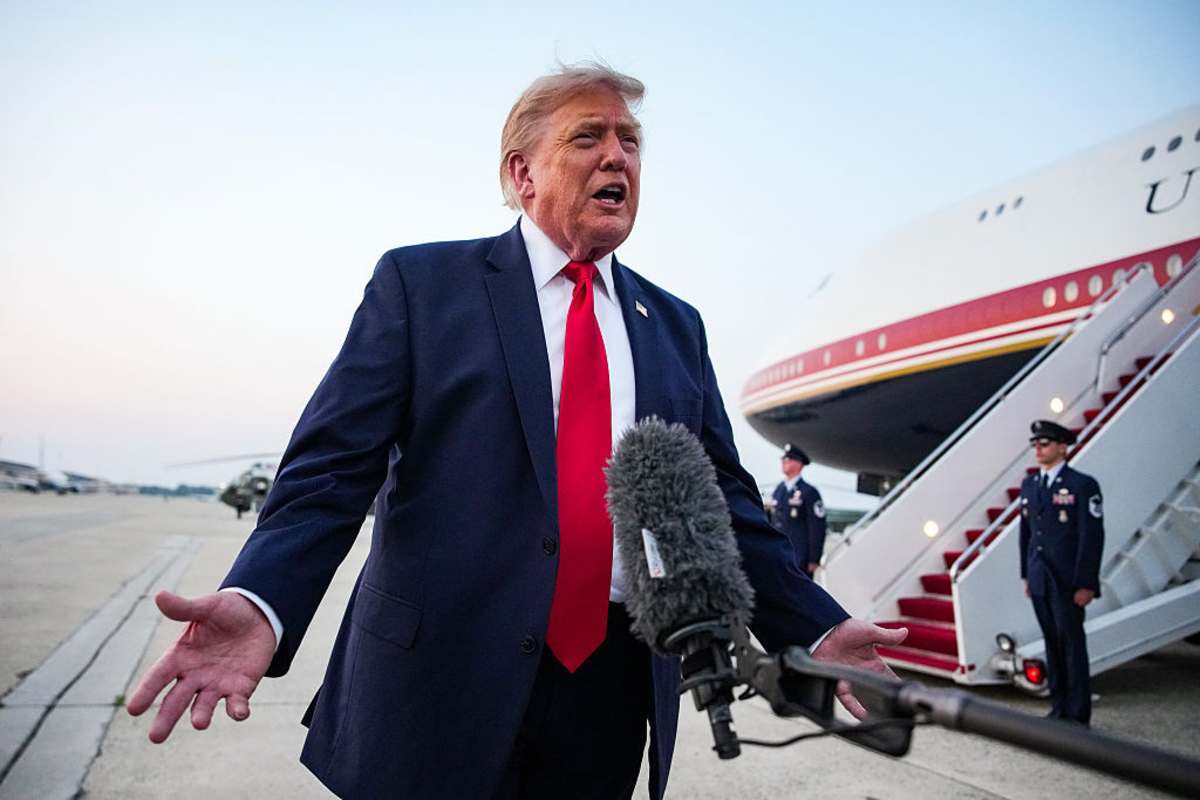
President Donald Trump said on Sunday that the United States struck Iran "hard" following deadly attacks that killed American service members, while US Central Command confirmed additional military casualties in Jordan and Iraq.
The renewed exchange of strikes has fueled investor concerns that hostilities could further disrupt global crude supplies, pushing oil prices, and ultimately gasoline prices, higher.
Markets remain especially focused on the Strait of Hormuz, where shipping disruptions have repeatedly sent energy prices soaring during periods of conflict.
Hormuz fears shake markets
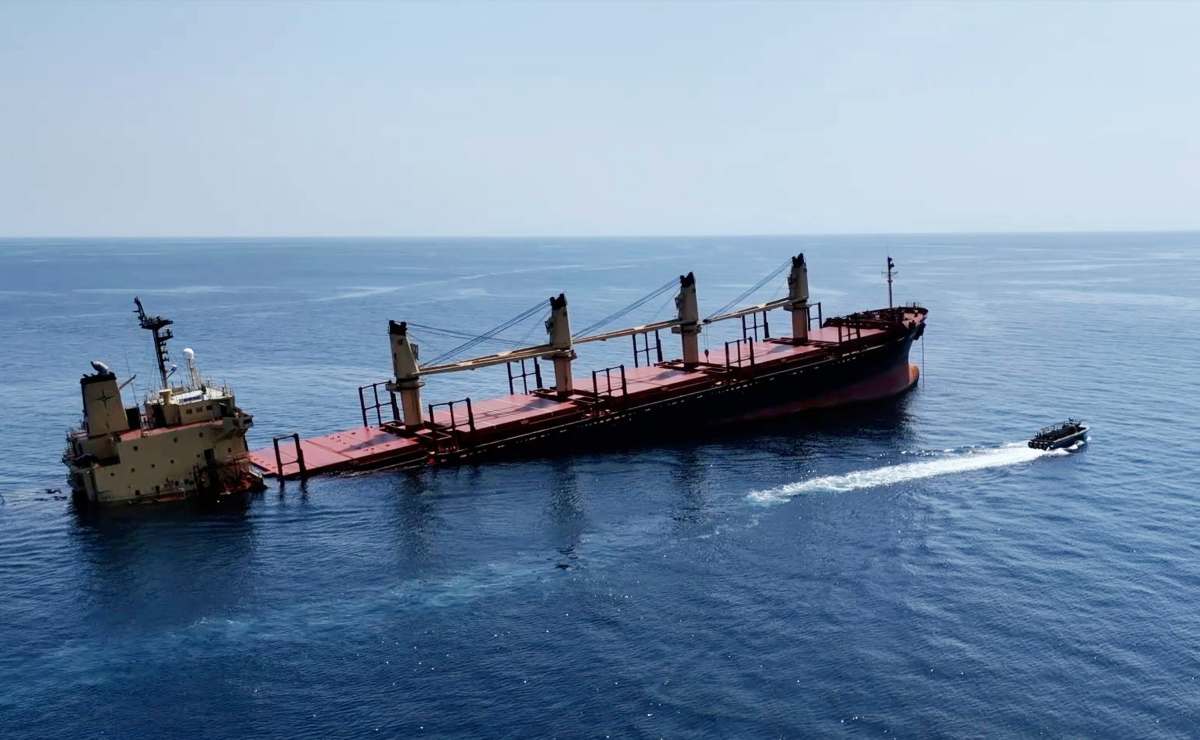
The Middle East conflict has once again placed one of the world's most important energy chokepoints at the center of global markets.
Earlier this year, fears surrounding the Strait of Hormuz helped drive the national average gasoline price to as high as $4.56 per gallon before easing after Washington and Tehran reached a temporary agreement. That relief proved short-lived.
Following the latest escalation, the United States resumed naval operations around the Strait after Iran targeted commercial oil tankers, renewing concerns over the uninterrupted flow of crude exports through the region.
Consumers face fresh pressure
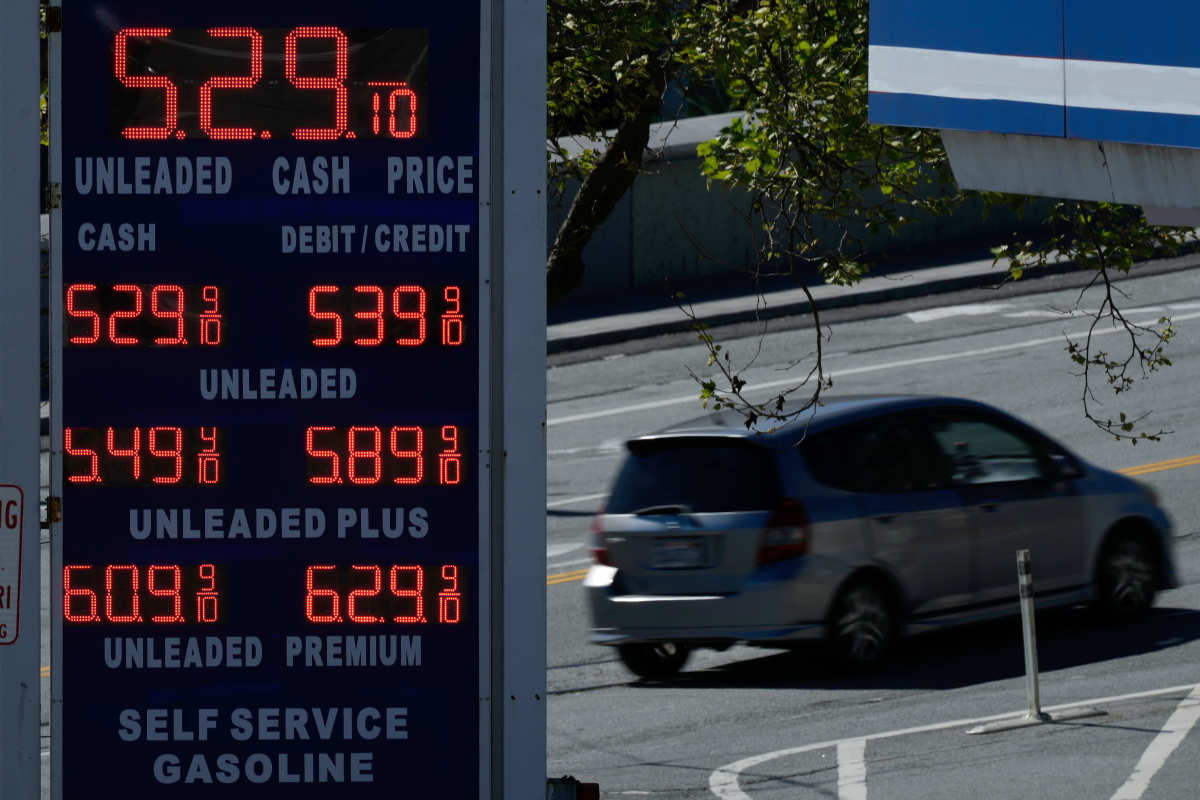
The return of $4 gasoline is likely to be felt well beyond the fuel pump.
Higher transportation and shipping costs often feed into broader inflation by increasing the price of consumer goods, groceries, and travel.
Recent declines in fuel prices had helped cool inflation after months of elevated costs, but the latest surge threatens to reverse some of that progress if oil prices remain elevated.
While analysts say future prices will depend on whether fighting escalates further or diplomatic efforts resume, American households are once again confronting the economic consequences of instability in the Middle East.
With the conflict showing few signs of easing, drivers could face even higher fuel bills in the weeks ahead if oil markets continue pricing in geopolitical risk.