US inflation posts biggest monthly drop since 2020, here’s what drove it
WASHINGTON,DC: Inflation just posted its biggest monthly drop in years, even as many Americans continue to complain about the rising cost of groceries, gas and everyday essentials.
Fresh Consumer Price Index data released by Bureau of Labor Statistics Tuesday, July 14, showed prices dropped 0.4% in June from the previous month, the steepest decline since April 2020.
On a yearly basis, inflation slowed to 3.5%, down from 4.2% in May, signaling easing price pressures as Federal Reserve Chair Kevin Warsh prepared for his first congressional testimony the same day.
🚨 BREAKING: US inflation just STUNNED the experts and FELL -0.4% month over month, the largest plummet in 6 YEARS — CNBC
— Eric Daugherty (@EricLDaugh) July 14, 2026
Gasoline and fuel nearly -9%
Year over year, inflation is 3.5%, lower than economists expected
KEEP IT GOING! 🇺🇸 pic.twitter.com/SVamBjJ88g
How can inflation fall if things still feel expensive?
The June inflation report may look like a win on paper, but it doesn’t mean Americans are suddenly paying less for groceries or rent.
That’s because inflation tracks how fast prices are rising, not whether they’re actually falling.
So when inflation drops from 4.2% to 3.5%, it simply means prices are still going up, just at a slower pace.
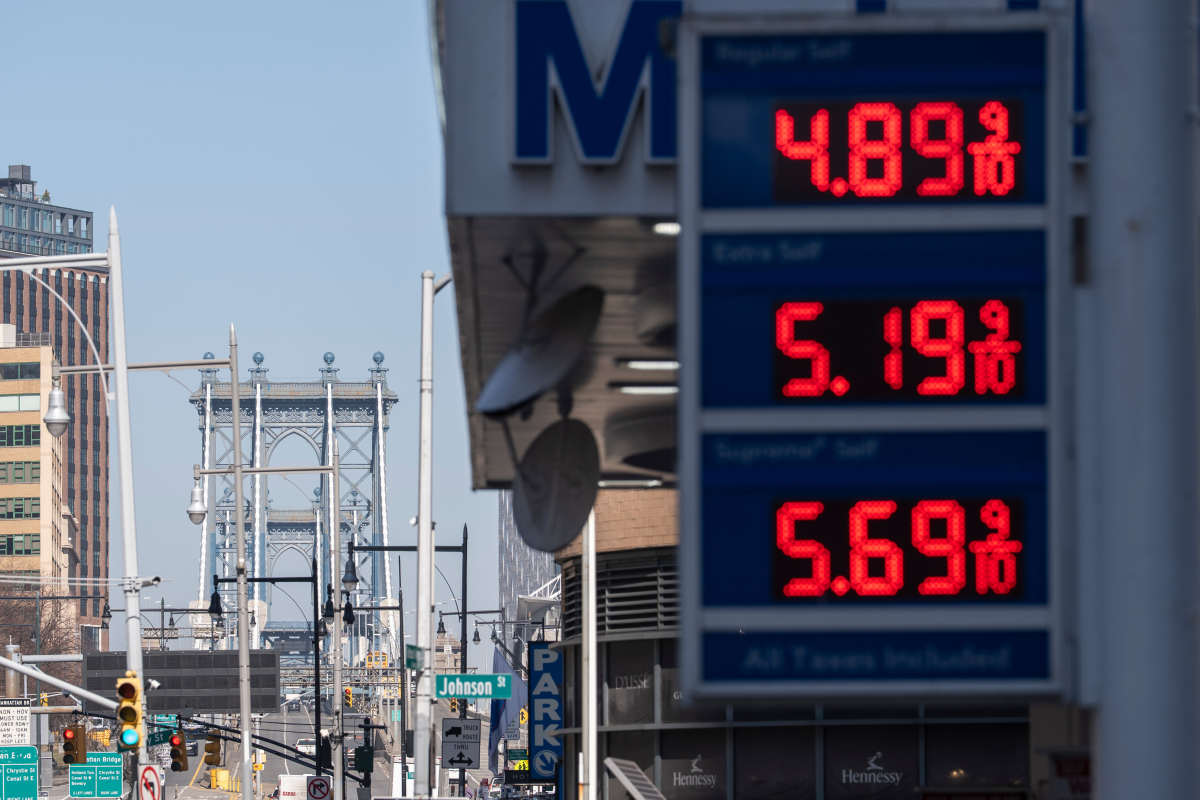
Another key reason the relief isn’t widely felt is that much of June’s decline came from lower gas and energy prices, not everyday essentials.
Since energy costs are volatile, they can drag overall inflation down even if most household expenses remain high.
At the same time, core inflation , which excludes food and energy only dipped to 2.6%, staying above the Federal Reserve’s 2% goal and signaling that underlying price pressures persist.
.@MariaBartiromo on the June CPI data: "This is an EXCELLENT number on the Consumer Price Index — down 0.4%." pic.twitter.com/fZLXNgpudn
— Rapid Response 47 (@RapidResponse47) July 14, 2026
What changed in June data?
The main shift in June’s inflation data came from energy.
Lower gasoline and fuel prices did much of the heavy lifting, driving the 0.4% monthly decline, the steepest drop since April 2020.
But beyond the headline improvement, the details tell a more uneven story.
While overall inflation cooled noticeably, core inflation showed only a slight dip, suggesting that most of the progress is tied to energy rather than easing in prices.
Items connected to transportation and fuel saw declines, but several service sectors continued to climb.
Will relief reach your wallet?
This inflation update matters for households because it directly impacts borrowing costs, wages and everyday expenses. Here’s what it means for you:
Could mortgage rates come down?
Not immediately but the outlook is improving. If inflation continues to cool, lenders may begin to price in lower rates over time, which could gradually ease borrowing costs.
Will the Fed cut interest rates?
This report moves things in that direction. One month isn’t enough for action, but consistent cooling like this increases the chances of rate cuts in the months ahead.
Will groceries become cheaper?
Prices may not fall immediately, but the pace of increases is slowing. That means grocery bills should rise more slowly, helping households manage expenses better.
Are gas prices likely to stay low?
They can fluctuate, but stable or lower energy prices can continue supporting overall inflation, which helps keep broader costs in check.

Will rent start easing?
Housing tends to adjust slowly, but there are early signs of moderation. Any cooling here could have a meaningful impact since rent is a major expense for many households.
Is this actually good news?
Yes. It signals steady progress on inflation, even if the improvements are gradual rather than dramatic.
Will everyday life feel more affordable soon?
Not overnight, but the pressure is starting to ease. Slower price increases mean household budgets may feel less strained over time.

Economists see cautious progress ahead
Economists are reportedly treating June’s inflation report as a constructive step, while still keeping expectations measured.
They point out that much of the cooling came from lower energy prices, while areas like housing and services are easing more gradually.
Because of this, the Federal Reserve is expected to take a balanced, data-driven approach before making any moves on interest rates.
Many analysts say the economy is now in the “last mile” of inflation where progress continues, but at a slower and more gradual pace as it moves closer to the Fed’s 2% target.
If upcoming data shows broader moderation across sectors, not just energy but also housing and services, it would reinforce confidence that inflation is steadily coming under control and could open the door for rate cuts later this year.