Trump rattles oil markets after declaring Iran truce effectively dead
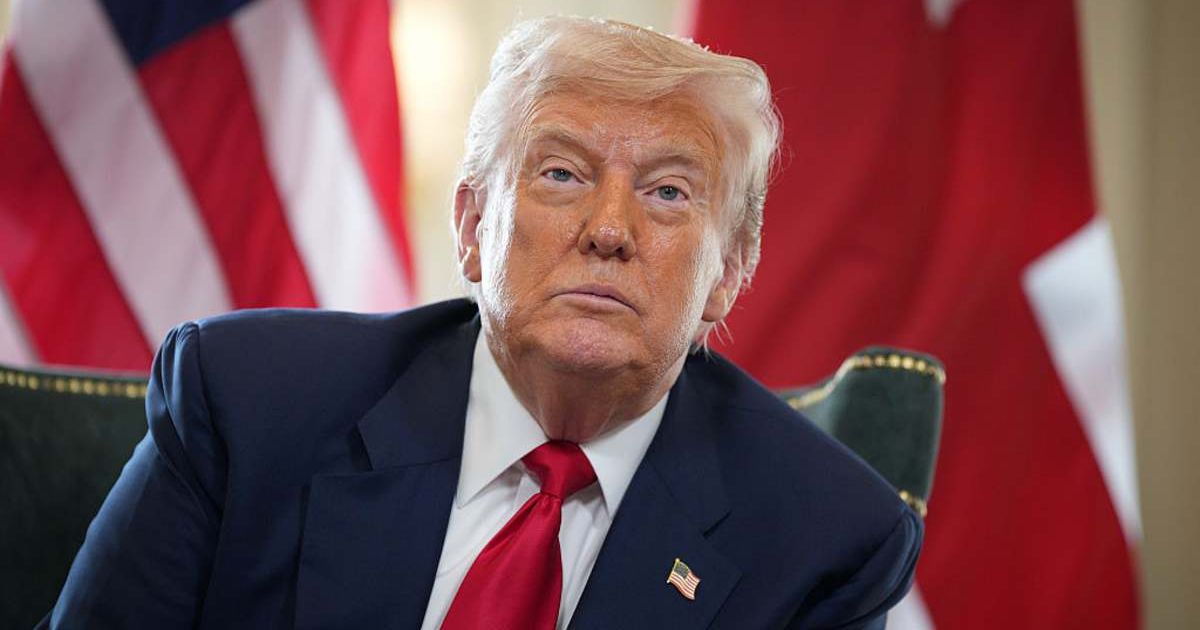
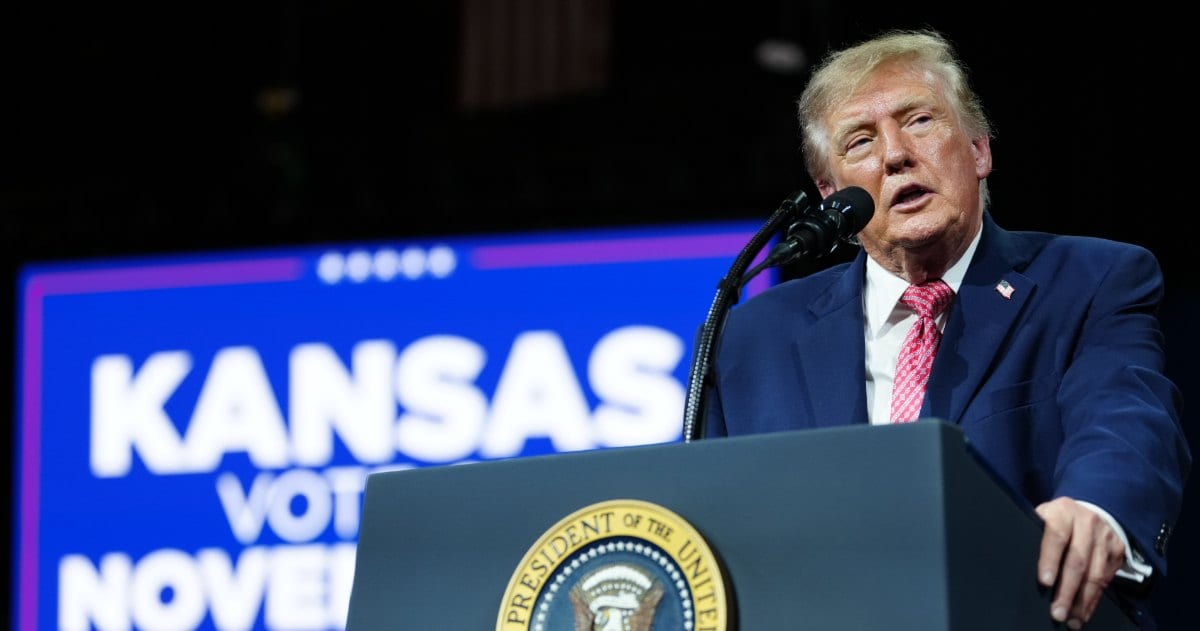
WASHINGTON, DC: Global oil prices climbed on Wednesday, July 8, after President Donald Trump declared that the Iran ceasefire was effectively "over," fueling renewed concerns about instability in the Middle East and the security of the Strait of Hormuz, one of the world's busiest oil shipping corridors.
Although traders stopped short of predicting a return to full-scale regional war, Trump's remarks added fresh uncertainty to energy markets already rattled by new military action and attacks on commercial vessels.
Brent crude rose to around $77.50 a barrel, extending gains from earlier in the week as investors weighed the possibility of prolonged tensions between Washington and Tehran.

Analysts said the market reaction reflected rising geopolitical risk rather than expectations of an immediate disruption to global oil supplies.
Markets react to Trump's remarks
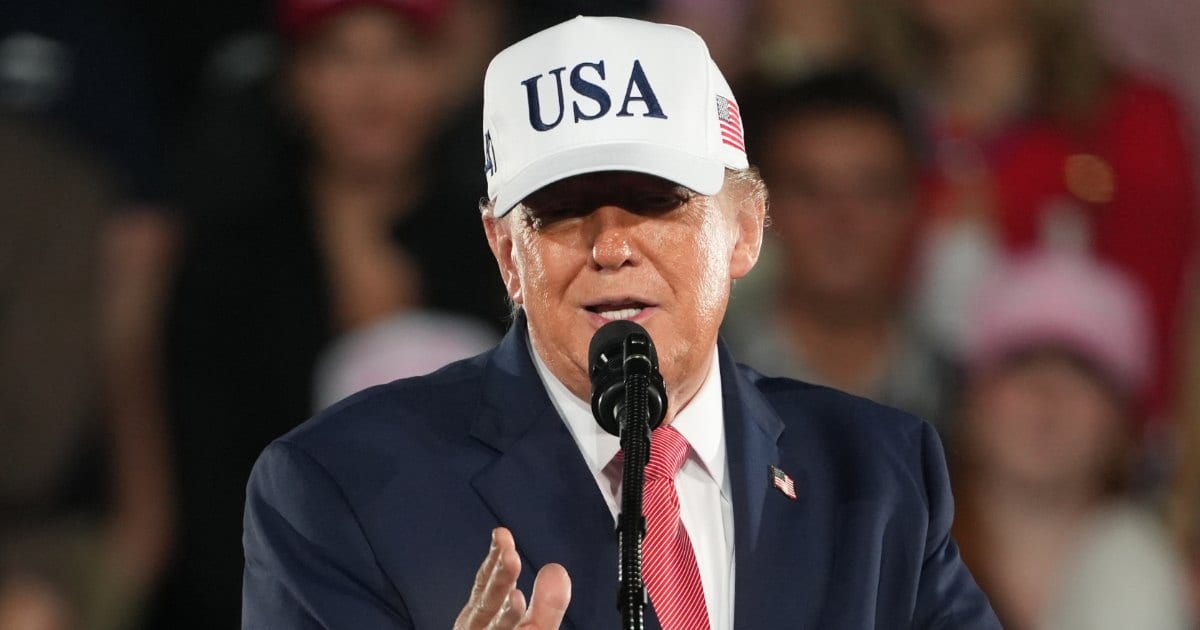
Oil prices accelerated after Trump dismissed further negotiations with Iran as "a waste of time" and indicated the ceasefire had effectively collapsed.
His comments followed a new round of US strikes on Iran and renewed Iranian attacks targeting commercial shipping in the Strait of Hormuz.
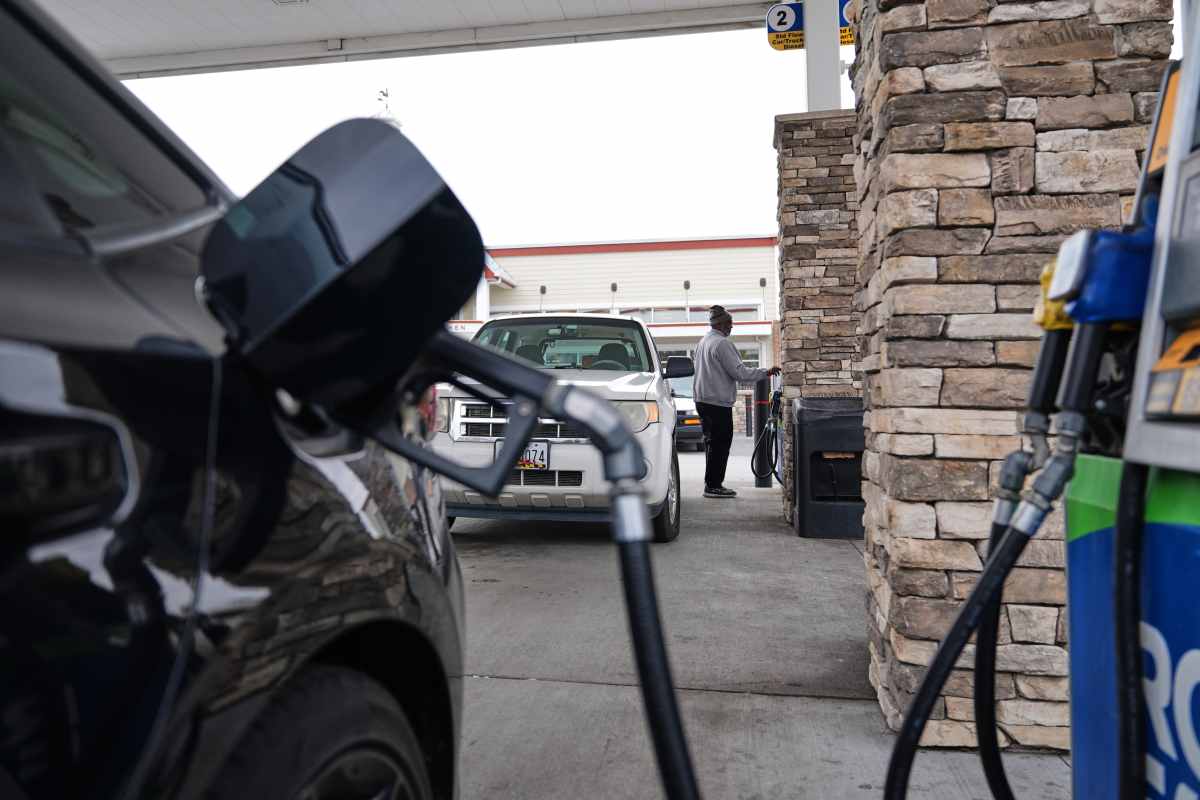
Despite the jump, analysts noted that crude remains well below the highs reached earlier this year, suggesting traders are not yet pricing in a prolonged regional conflict or a complete shutdown of the strategic waterway.
The Strait of Hormuz carries roughly one-fifth of the world's seaborne oil, making any disruption a major concern for global energy markets.
While tanker traffic has continued in recent weeks, investors remain cautious as military activity intensifies.
Gas prices could face pressure
Analysts say the biggest risk now lies in continued uncertainty rather than immediate supply shortages.
Energy consultancy Rystad Energy warned that even without sustained physical disruptions, concerns over vessel safety, higher insurance costs, shipping delays, and the possibility of further retaliation are likely to keep oil markets volatile in the coming weeks.
Meanwhile, the Treasury Department has revoked temporary waivers that previously allowed Iran to continue limited oil sales under a memorandum of understanding.
While market observers said the move does not dramatically alter global supply, it reinforces expectations that US-Iran relations are deteriorating.
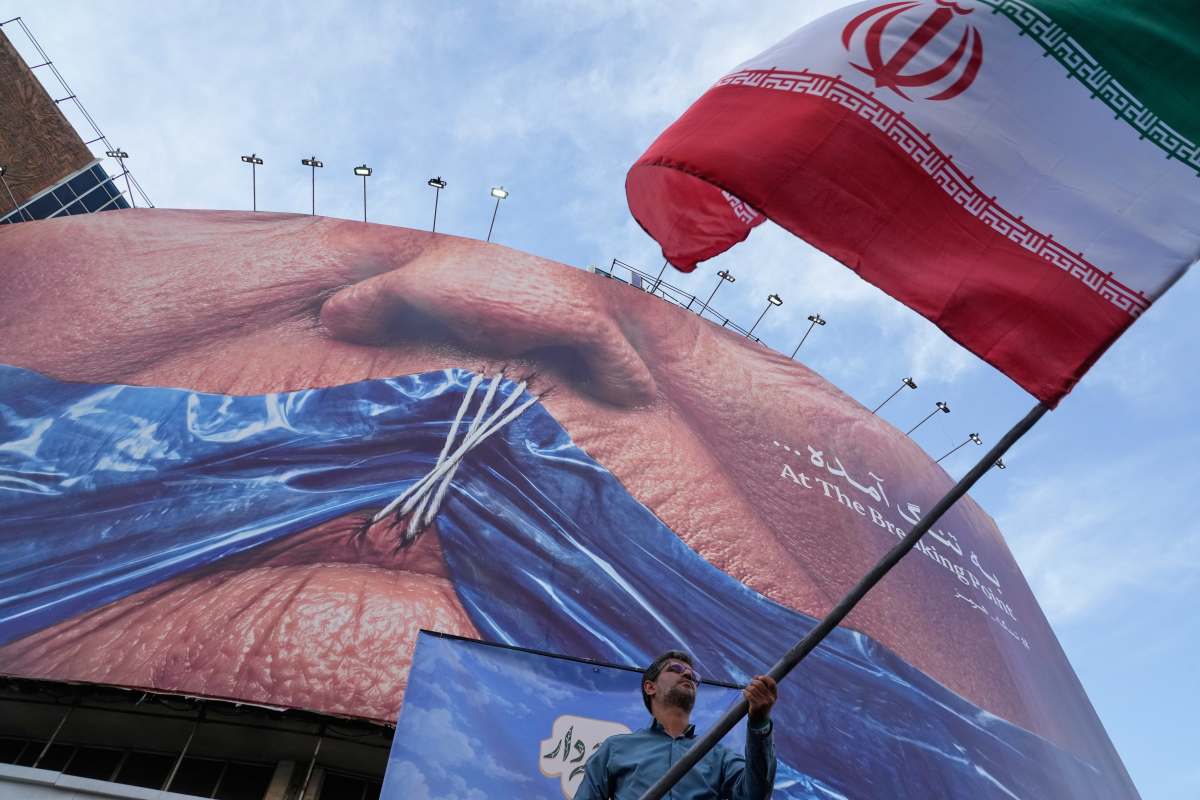
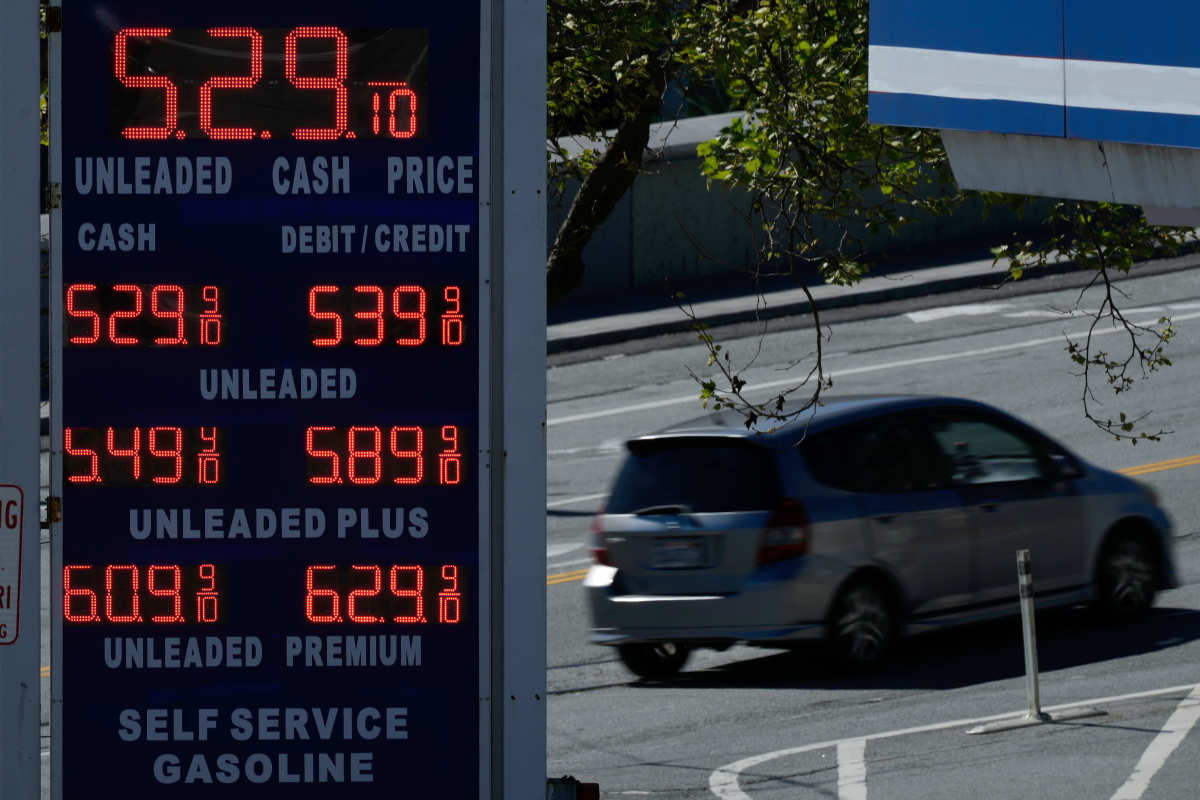
For American consumers, a prolonged increase in crude prices could eventually reverse weeks of declining gasoline prices.
Economists say retail fuel costs typically lag movements in global oil markets, meaning sustained geopolitical tensions could begin filtering through to drivers if crude continues climbing.
For now, investors appear to be betting on heightened uncertainty rather than a full regional war, but Trump's latest remarks have ensured that energy markets will remain closely focused on every development in the Middle East.