After Minneapolis shootings, Trump signals shift on immigration enforcement tone
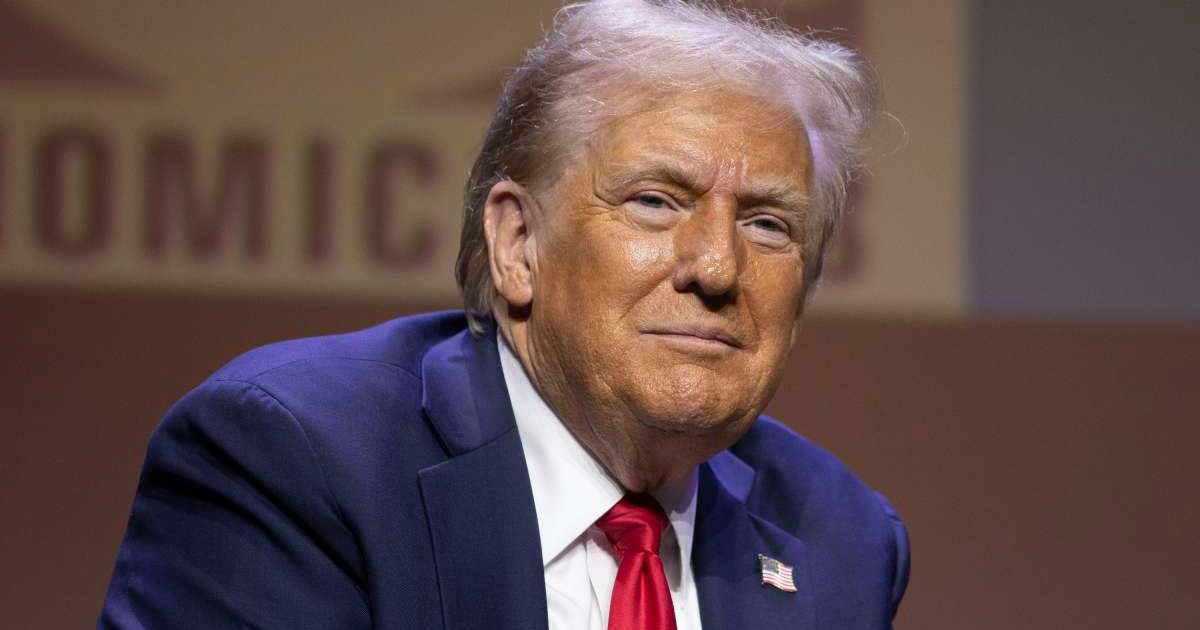
WASHINGTON, DC: Donald Trump said on Wednesday, February 4, that his administration could adopt “a softer touch” in immigration enforcement operations, following the fatal shootings of two US citizens by federal agents in Minneapolis last month.
Speaking in an Oval Office interview with NBC News’ Nightly News anchor Tom Llamas, Trump said the incident had prompted reflection, even as he defended the broader objectives of his immigration crackdown.
“I learned that maybe we could use a little bit of a softer touch. But you still have to be tough. We’re dealing with really hard criminals,” Trump said.
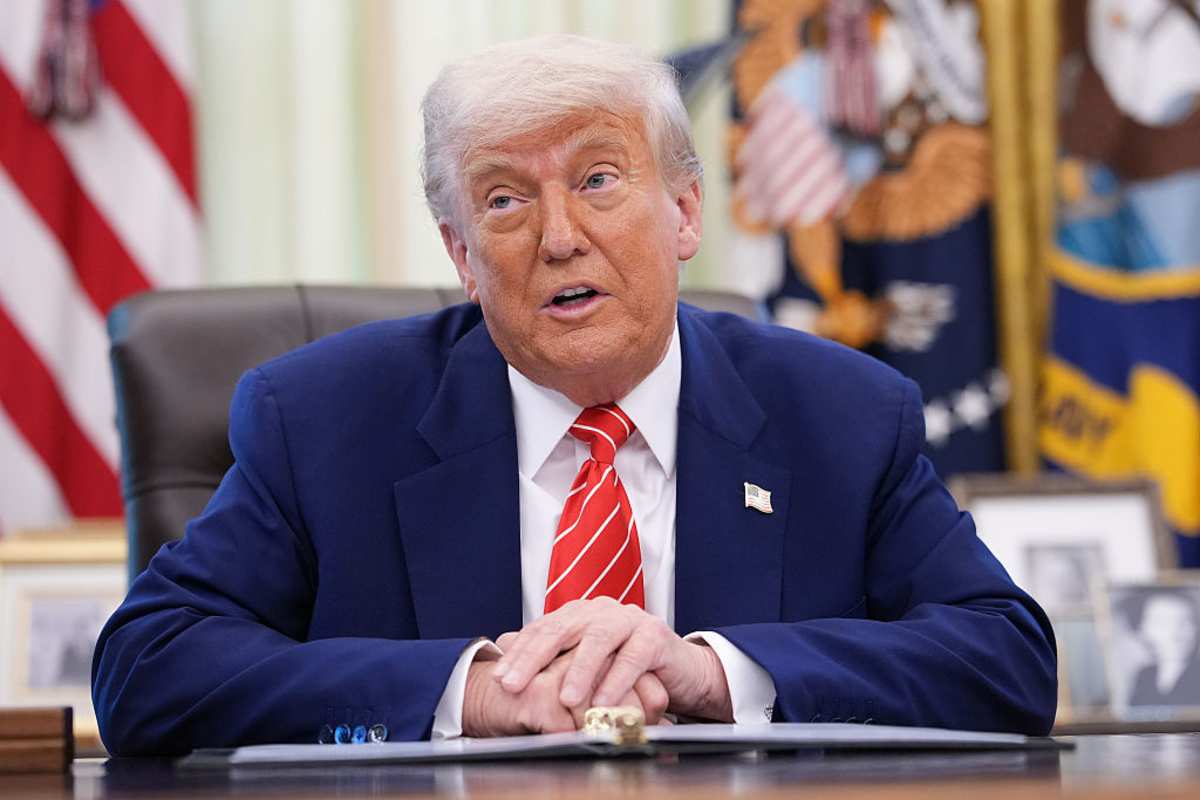
Trump says he spoke to Gov Tim Walz, Mayor Jacob Frey
The comments come amid mounting backlash over the deaths of Renee Good and Alex Pretti, both 37, who were shot and killed in separate incidents involving federal agents in Minneapolis in January. The shootings sparked protests and sharp criticism from local and state officials.
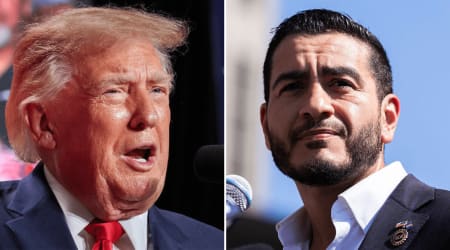
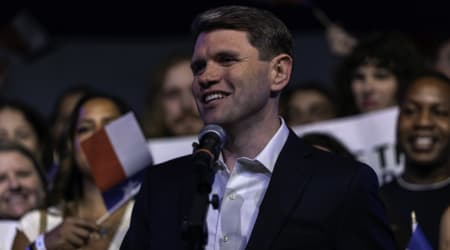
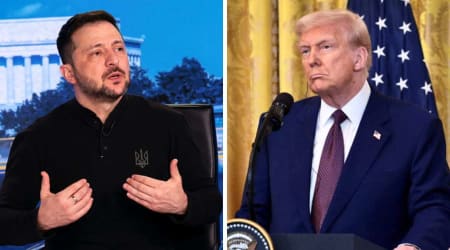
Trump has been locked in a weekslong feud with Minnesota Gov Tim Walz and Minneapolis Mayor Jacob Frey, both Democrats, who have condemned the enforcement actions and accused the administration of excessive force.
Trump said he had personally reached out to both leaders. “I’ve called the governor. I’ve called the mayor. Spoke to them. Had great conversations with them,” he said, adding that he was frustrated to later see them publicly criticizing his administration. “And then I see them ranting and raving out there. Literally as though a call wasn’t made.”
In the immediate aftermath of the shootings, Trump, Vice President JD Vance and other senior officials blamed Good and Pretti, at times characterizing them without evidence, as domestic terrorists. Subsequent video footage contradicted some early official claims about the circumstances of the killings.
Trump’s remarks on Wednesday reflect a continued softening in tone. At a Jan 20 White House briefing, he acknowledged that federal agents “make mistakes sometimes,” a notable departure from his initial hard-line response.
NBC: 700 officers leaving Minneapolis. Did that come from you?
— Breaking911 (@Breaking911) February 4, 2026
TRUMP: "Yes, it did, but it didn't come from me because I just wanted to do it. We are waiting for them to release prisoners, give us the murderers that they're holding, and all of the bad people." pic.twitter.com/KrwRMB4HCA
Trump says he took decision to withdraw federal immigration agents
Earlier Wednesday, White House border czar Tom Homan announced that 700 federal immigration agents would be withdrawn from Minnesota, part of a partial drawdown of a large deployment that had drawn intense public scrutiny.
“But it didn’t come from me because I just wanted to do it,” Trump said, suggesting the move was tied to cooperation from local authorities.
He said his administration is waiting for officials to release prisoners and turn over “the murderers” and other violent offenders they are holding.
He added that his administration is awaiting further actions from local officials, saying it was waiting for them to release prisoners and turn over “the murderers” and other violent offenders they are holding, comments that reflect ongoing tensions over enforcement policy in the wake of fatal shootings and protests.
 Former President Joe Biden in the Oval Office of the White House on September 30, 2024, in Washington, DC (Kent Nishimura/Getty Images)
Renewed attacks on Biden-era immigration policy
Trump used the interview to again criticize former President Joe Biden’s immigration policies, claiming the US allowed 25 million people to enter the country illegally over four years.
That figure is inaccurate. According to Customs and Border Protection data, about 7.4 million undocumented immigrants crossed the border outside legal ports of entry during the Biden administration.
“We allowed people to come into our country, people the likes of which no country would accept,” Trump said. “And we’re getting them out.”
Despite signaling a shift in tone, Trump made clear that his administration has no plans to ease enforcement overall, framing the change as one of approach rather than policy.