AOC defends Munich stumble as 'well received' by Europeans amid conservative criticism
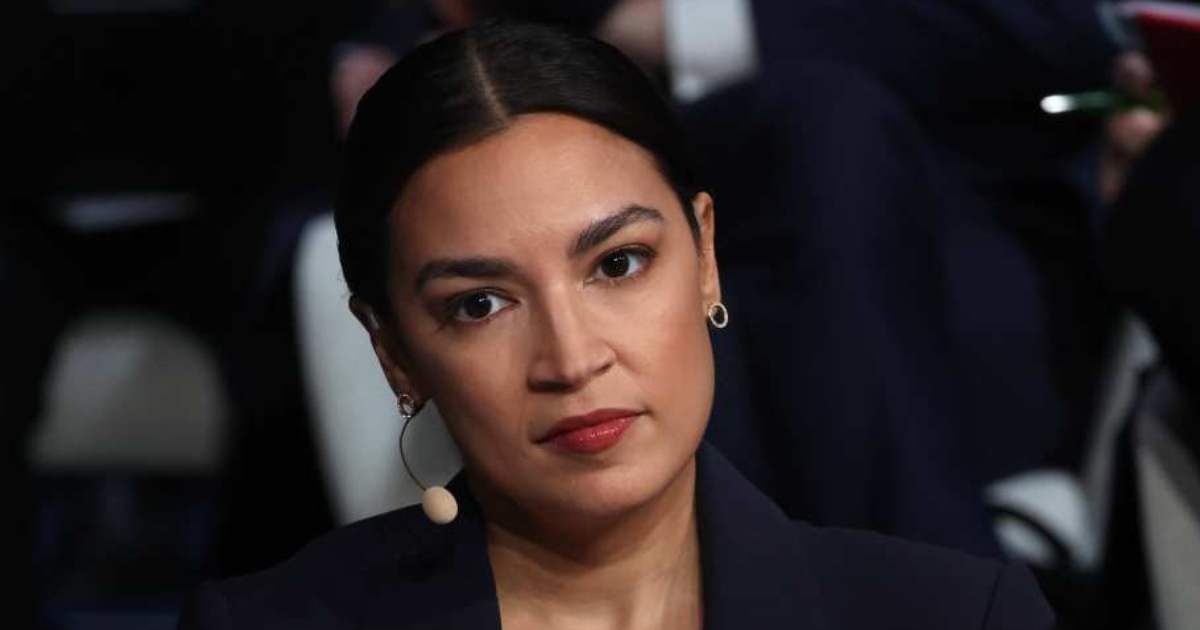
WASHINGTON, DC: Rep Alexandria Ocasio-Cortez defended her criticized appearance at the Munich Security Conference, saying European audiences responded favorably to her warnings about rising authoritarianism and that critics were deliberately trying to “distract from the substance” of her message.
Ocasio-Cortez claimed her remarks about global risks were well-received during panels, private meetings and a university address. Conservatives and media commentators, however, focused sharply on her verbal missteps.
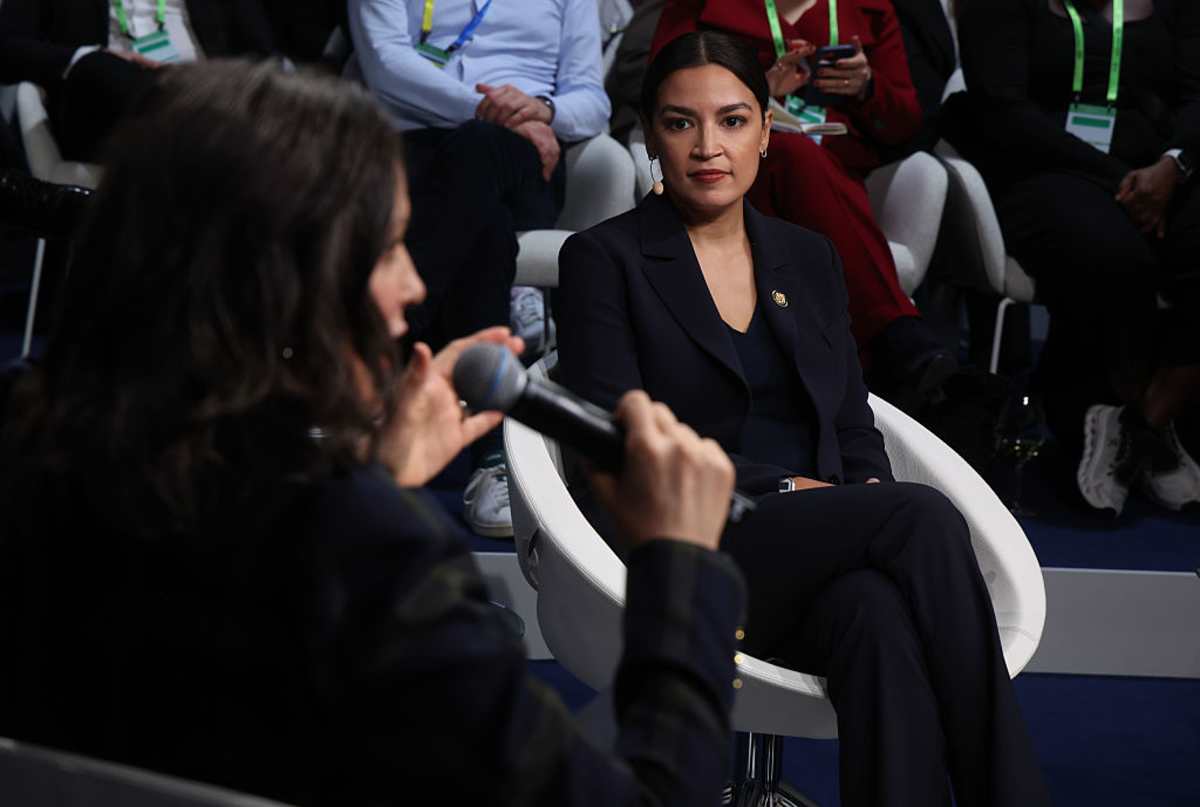
AOC’s defense of her Munich Security Conference remarks
Ocasio-Cortez strongly defended her much criticized appearance at the conference, telling The New York Times reporter Kellen Browning that European audiences “well-received” her message about the dangers of authoritarianism and inequality.
According to the interview, she argued that the focus on clips of her verbal flubs by critics was aimed at distracting from the substance of her deeper point, the risks global democracies face. Which she believes "resonated with Europeans during formal panels, private meetings with German leaders, and a packed university lecture in Berlin."
Ocasio-Cortez accused conservatives of seizing on “any five-to-10-second thing” and attempting to “distract from the substance of what I am saying,” in an effort to undercut her broader warnings.
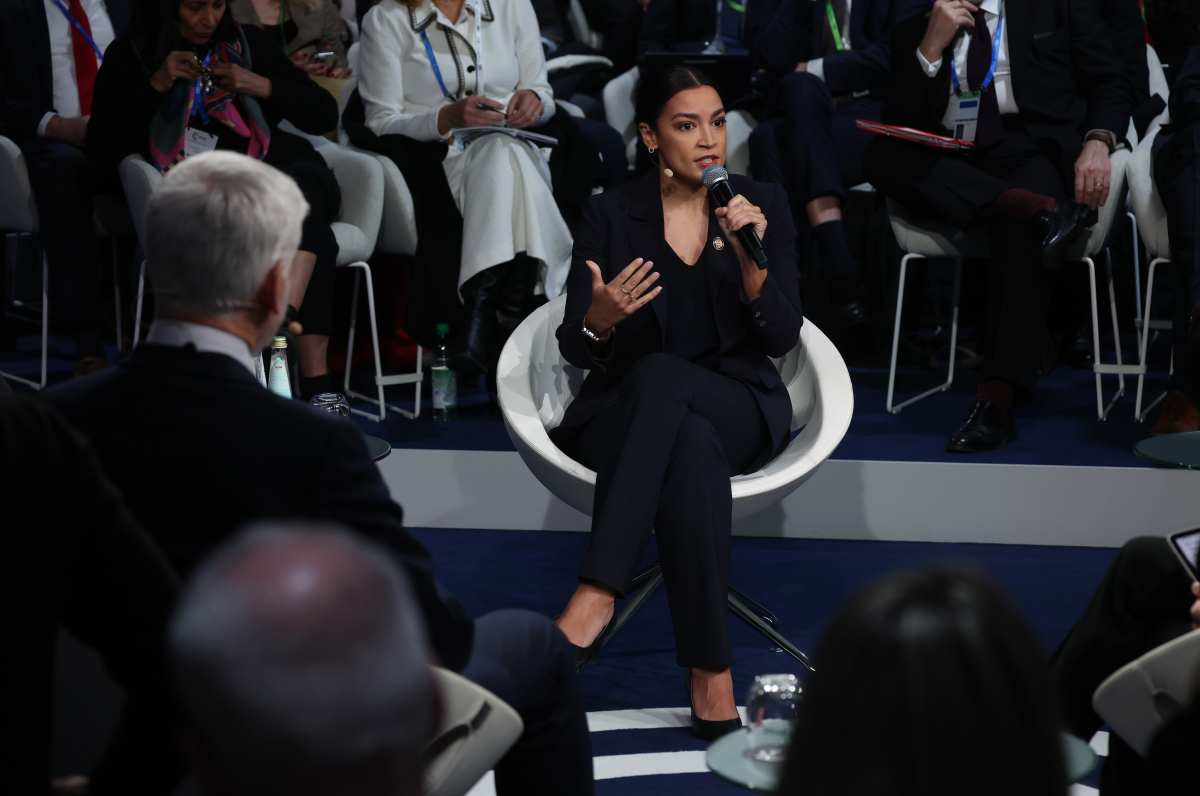
The Times interviewer acknowledged Ocasio-Cortez’s missteps were “striking,” noting that she is usually “quick on her feet” and regarded as “one of the best communicators in politics.” Despite that, Ocasio-Cortez maintained that the substance of her message had been lost in the coverage of her errors.
Conservative commentators and political figures didn’t accept Ocasio-Cortez’s explanations. National Review’s Charles CW Cooke wrote that one could examine her words for years “with the best of intentions” and still not find anything “coherent or useful.”
“This wasn’t the fault of ‘conservative social media’ or ‘rocketing’ or ‘speculation’; it was the fault of Ocasio-Cortez herself, who went to a security conference, was asked questions about security, and fell flat on her face at the first hurdle,” Cooke added.
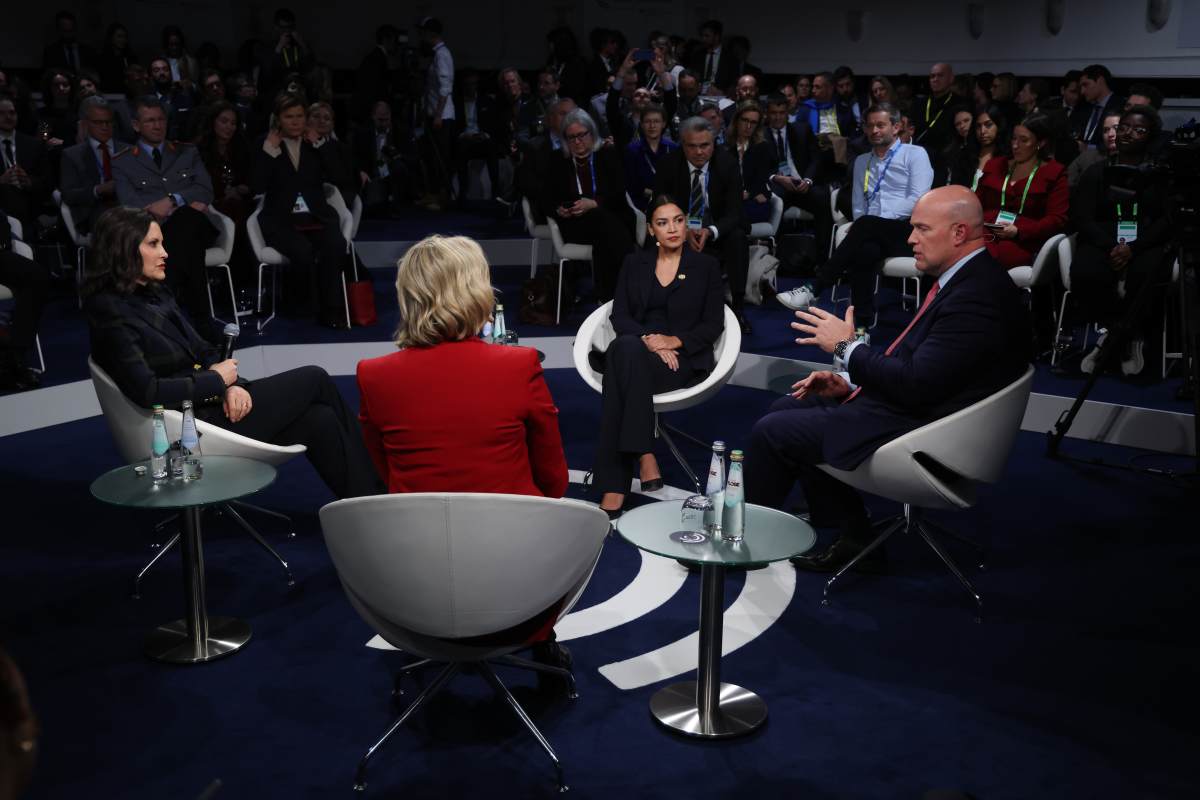
AOC faces backlash after Munich gaffes
One of the particularly awkward moment highlighted by critics came when she was asked whether she would commit to defending Taiwan in the event of a Chinese invasion.
Instead of delivering a clear policy position, she stumbled in her response, mulling over wording and trailing off for nearly 20 seconds. Vice President JD Vance called the exchange “embarrassing” on Fox News, suggesting Ocasio-Cortez lacked a firm grasp of key global affairs and advising her to “go read a book about China and Taiwan.”
JD Vance ends AOC’s political career on Live TV: “That was the most uncomfortable 20 seconds of television I’ve ever seen… Does anybody really believe that AOC has thoughtful ideas about the global world order?”🤣
— Benny Johnson (@bennyjohnson) February 17, 2026
pic.twitter.com/dxwgItkeSP
Other gaffes noted included her incorrect claim that Venezuela is “below the equator,” confusion over major foreign policy shifts under President Donald Trump, and a debate with Secretary of State Marco Rubio about whether the American cowboy archetype originated in Spain.
The Times itself was also attacked by some commentators, who accused the outlet of acting like a public relations firm by giving Ocasio-Cortez a platform to defend her performance. Trump administration official Richard Grenell mocked the coverage on social media, and Fox News analysts labeled her showing a “disastrous embarrassment.”
Ocasio-Cortez’s Munich trip was widely viewed as an effort to build her foreign policy credentials ahead of speculation about a possible 2028 presidential run. She strongly denied that was her motive, stressing her presence was driven by specific purpose rather than political ambition.