Appeals court keeps Trump's $400M 'militarily imperative' White House ballroom alive
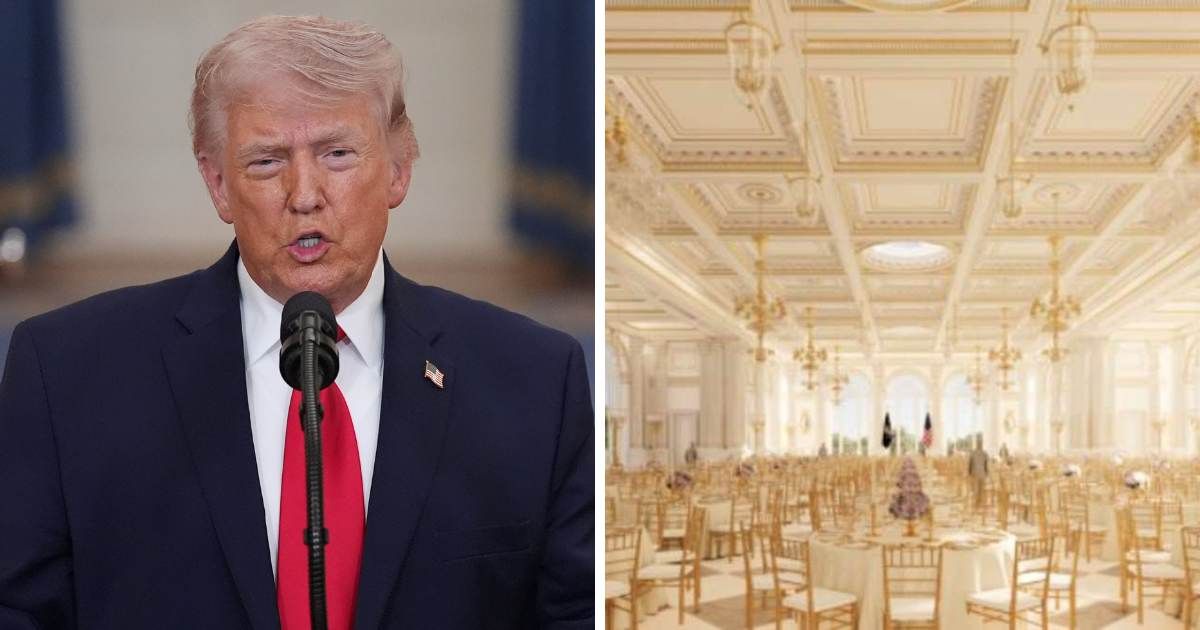
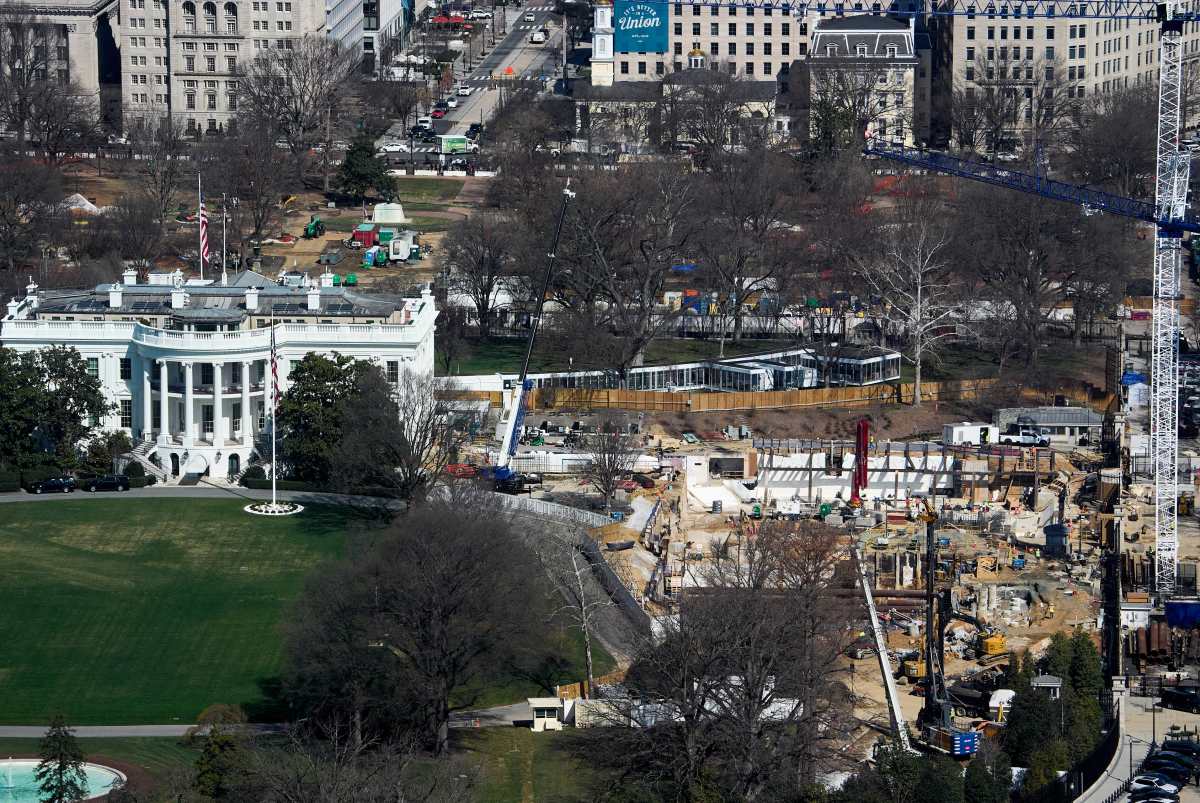
WASHINGTON, DC: A US appeals court on Saturday, April 18, allowed the Trump administration to continue construction of a $400 million ballroom at the White House, temporarily pausing a lower court order that had halted much of the project.
The ruling follows a legal challenge over whether the president had the authority to demolish the East Wing without congressional approval.
The decision enables construction to proceed at least until a scheduled hearing in early June. The case centers on constitutional authority, historic preservation, and national security considerations.
Appeals court grants temporary stay
A three-judge panel of the US Court of Appeals for the District of Columbia Circuit granted an administrative stay of a prior order that had blocked most above-ground construction of the proposed White House ballroom.
The move allows work on the project to continue while the court reviews an emergency motion filed by the Justice Department.
The appeals court stated that the stay was intended to give “the court sufficient opportunity to consider the emergency motion for a stay pending appeal,” adding that it “should not be construed in any way as a ruling on the merits of that motion.”
A hearing has been tentatively scheduled for June 5 to determine whether construction should remain ongoing during the appeals process.
The legal dispute began after US District Judge Richard Leon halted construction in March, citing concerns over the administration’s authority to proceed without approval from Congress.
The National Trust for Historic Preservation, which filed the lawsuit, argued that the demolition of the East Wing and plans for a new ballroom exceeded executive authority.
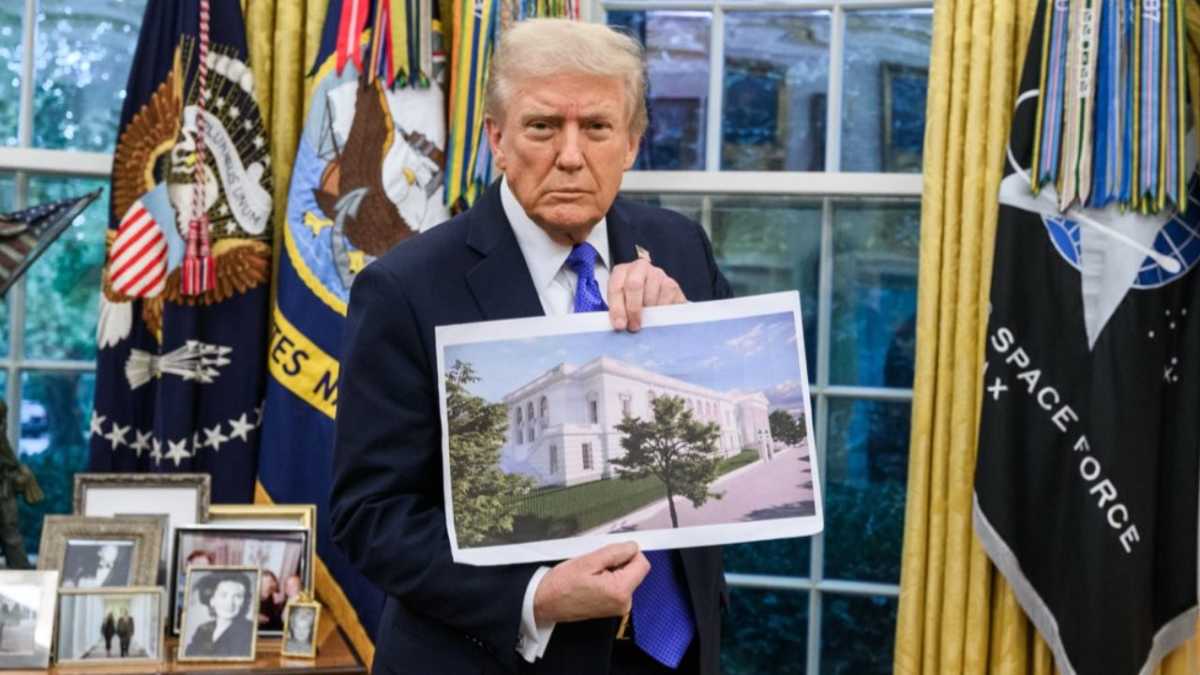
Leon later allowed limited work to continue, including underground construction tied to security infrastructure, but ruled that most above-ground development should stop.
The Justice Department appealed, warning that the halt could have broader implications. In its filing, the administration argued that the pause was “threatening grave national-security harms to the White House, the president and his family, and the president’s staff.”
Legal challenge and political responses continue
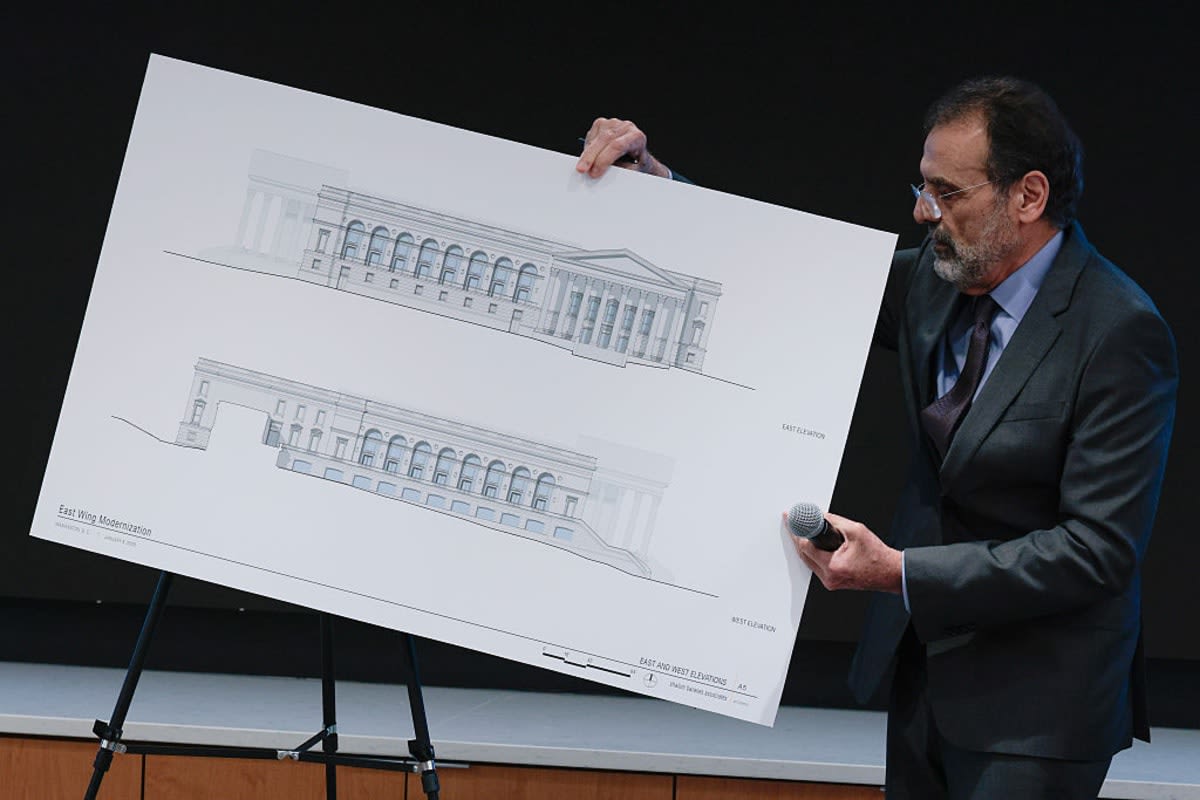
The project, which includes both a ballroom and an underground presidential bunker, has been a focal point of legal and political debate since its announcement.
The administration has maintained that the construction is necessary to modernize facilities and enhance security, while also noting that the ballroom is being funded privately.
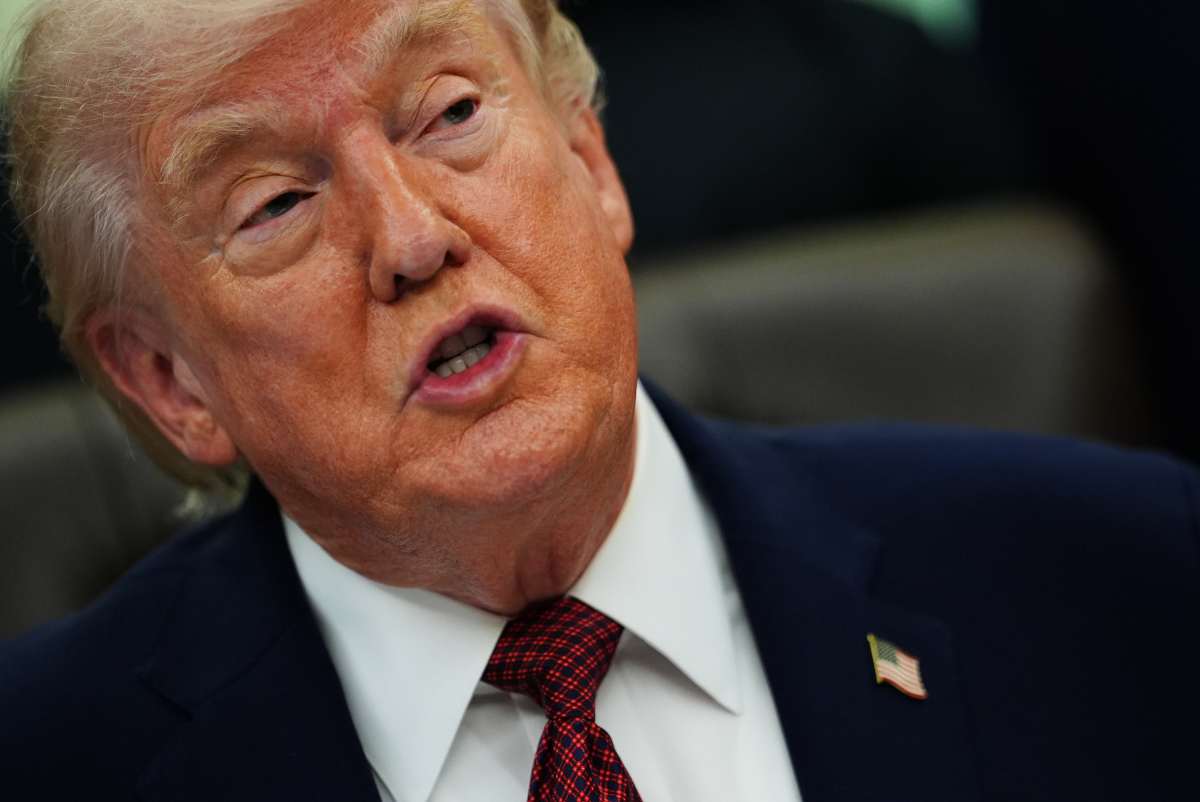
President Trump has publicly defended the project and criticized the lower court’s ruling. In a post, he described the ballroom as “deeply important to our National Security,” adding that “no Judge can be allowed to stop this Historic and Militarily Imperative Project.”
He also argued that “the underground doesn't work, isn't necessary, and would indeed be useless, without the above ground sections.”
🚨 @POTUS: "The Ballroom is deeply important to our National Security, and no Judge can be allowed to stop this Historic and Militarily Imperative Project. Thank you for your attention to this matter!" pic.twitter.com/He7HoPM4OF
— Real America's Voice (RAV) (@RealAmVoice) April 16, 2026
The National Trust for Historic Preservation filed its lawsuit after the East Wing was demolished, asserting that both the president and federal agencies lacked the authority to carry out the project without congressional approval.
The appeals court’s decision does not resolve those underlying issues but temporarily halts enforcement of the lower court’s restrictions. As a result, construction is expected to continue in the interim.