As Iran and the Arab world find common ground at BRICS, Trump floats a stunning Gulf endgame
Q: What do you make of the Gulf nations meeting with Iran?
— Aaron Rupar (@atrupar) September 13, 2026
TRUMP: I don't care. That's up to them. We'll ultimately get out. Unless we decide to stay and keep the oil! Like Venezuela pic.twitter.com/4BCc0GOMzG
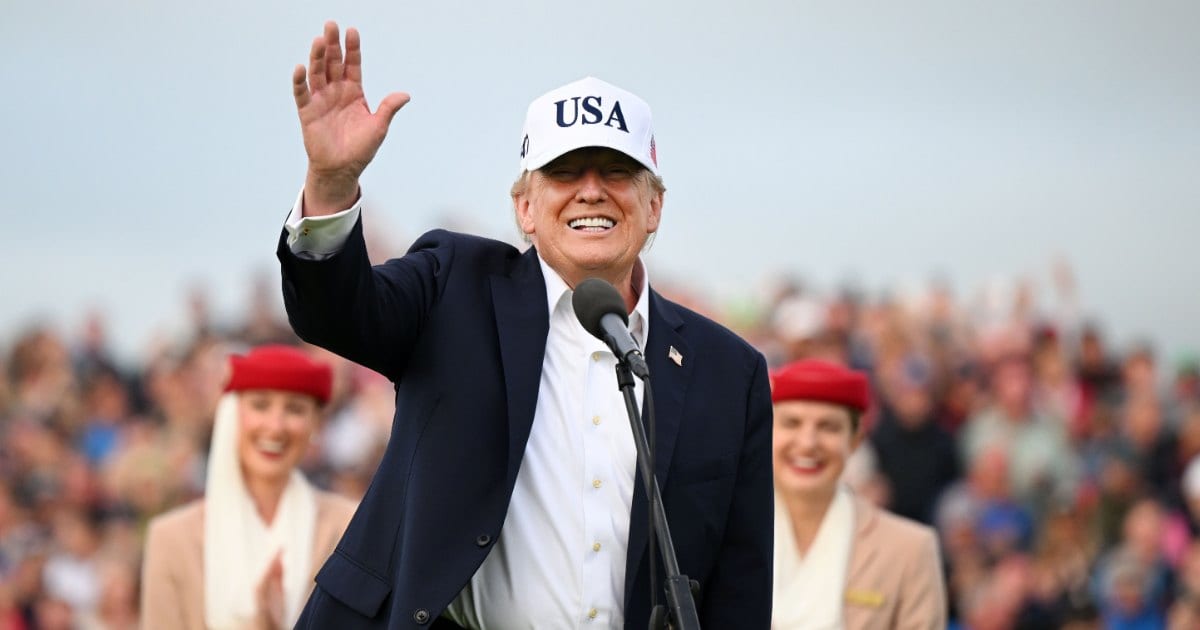
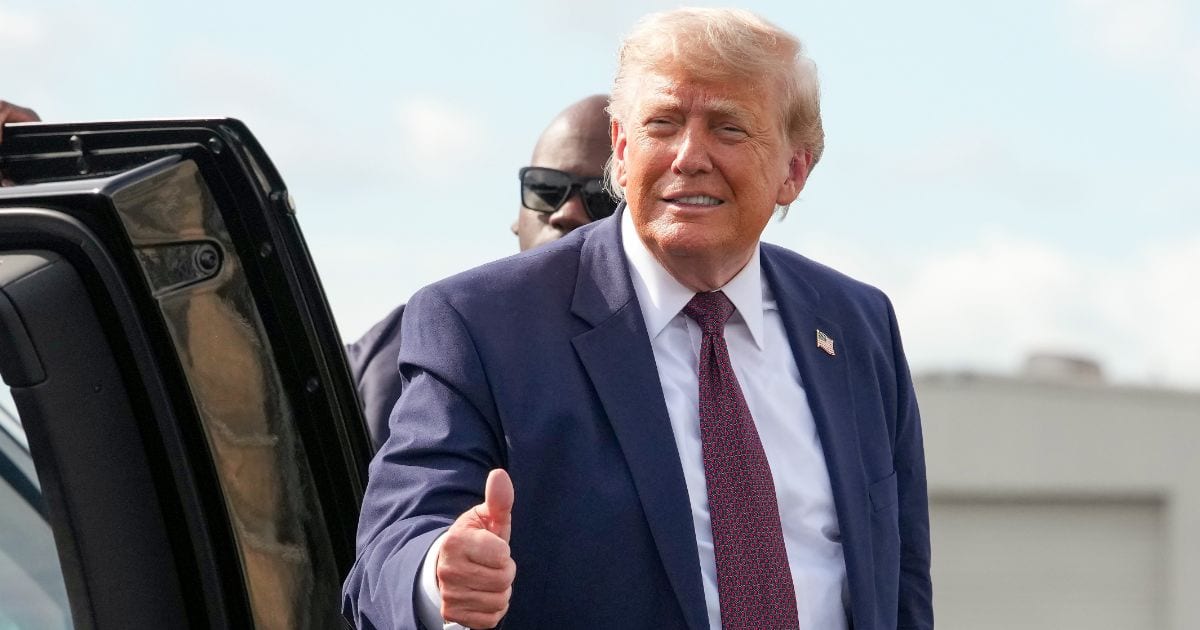
DUBLIN, IRELAND: President Donald Trump on Sunday, September 13, said Iran was "calling constantly" to make a deal while speaking to reporters in Ireland, but he also raised the possibility of the US remaining involved in the conflict and "keep[ing] the oil."
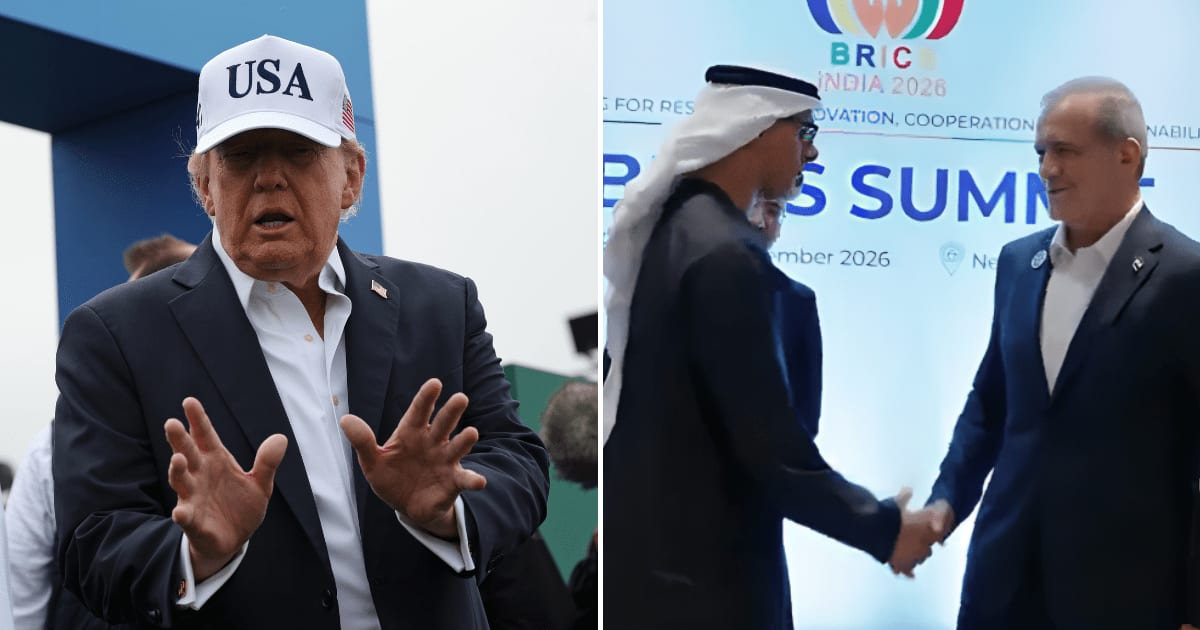
His remarks came as Iranian President Masoud Pezeshkian met regional leaders at the BRICS summit in New Delhi and the bloc adopted a joint declaration calling for restraint and diplomacy.
Trump says Iran wants a deal
Trump said the conflict could end before the midterm elections but predicted it would be over afterward.
"It could end before the midterm, but it will end after the midterm," Trump told reporters when asked whether talks were taking place.
Trump: "Look, it could end before the midterm. But it will end after the midterm. Iran wants to make a deal so badly. They are calling constantly." 🙃 pic.twitter.com/6VlWf6kw1z
— Aaron Rupar (@atrupar) September 13, 2026
"Iran, I will tell you this, Iran wants to make a deal so badly. They are calling constantly. They want to make a deal," he continued.
Trump said he would only accept an agreement that met US requirements.
"They've got to make the right deal. I'm not going to make a deal that's no good," he said.
The president also repeated his position that Iran cannot be allowed to obtain a nuclear weapon.
Gulf meetings draw Trump response
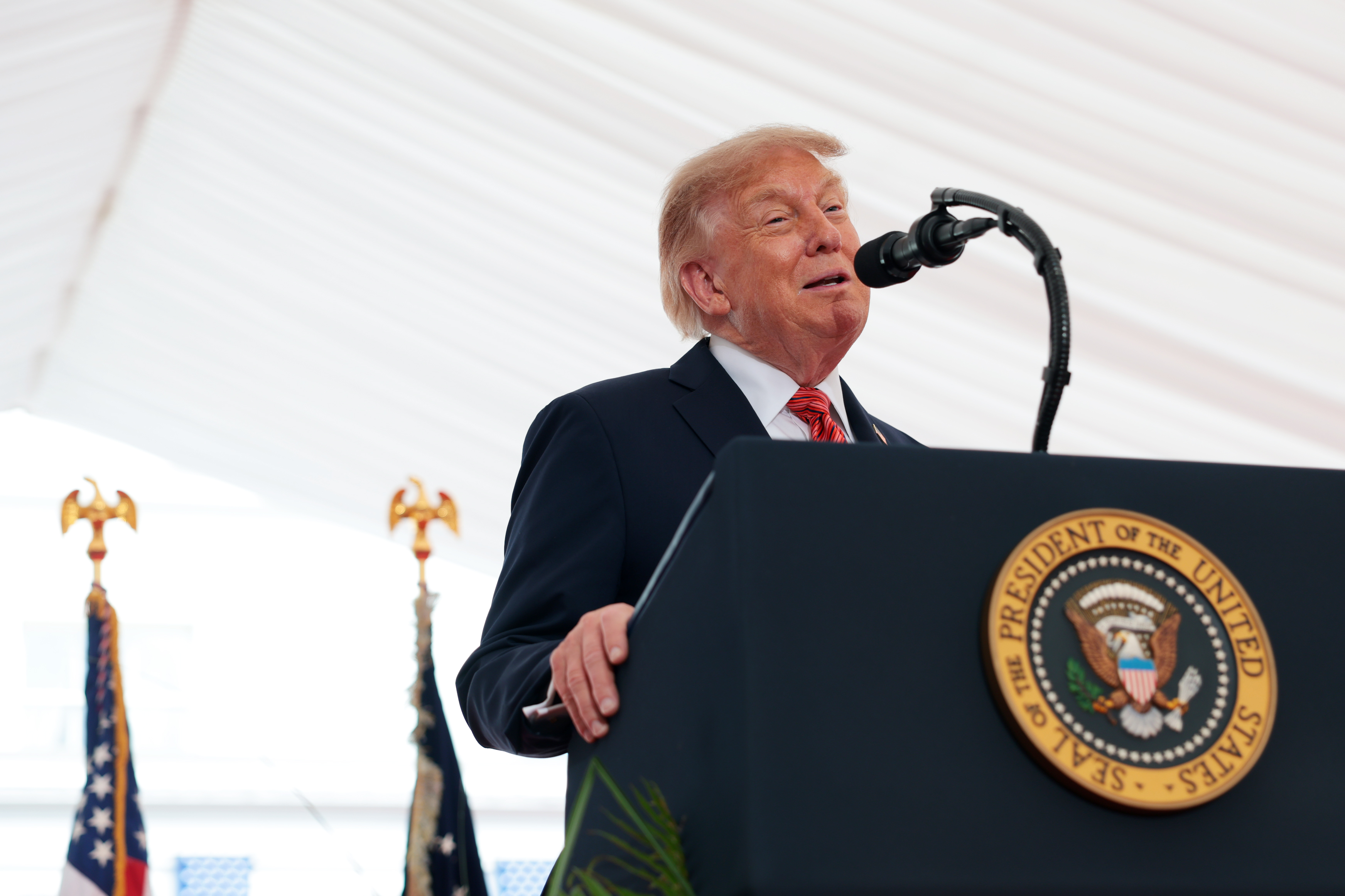
Trump was asked about Gulf nations holding meetings with Iranian officials during the conflict.
"I don't care. That's up to them. That's fine," he replied.
Trump said the countries involved were free to pursue their own diplomatic relationships.
His comments came as Pezeshkian held meetings with regional leaders on the sidelines of the BRICS summit in New Delhi.
Iranian President Masoud Pezeshkian met with UAE Crown Prince Khaled bin Mohamed bin Zayed Al Nahyan on the sidelines of the BRICS Summit. pic.twitter.com/keBkQ8VIvu
— Iran in India (@Iran_in_India) September 12, 2026
Among them was Abu Dhabi Crown Prince Sheikh Khaled bin Mohamed bin Zayed Al Nahyan, who represented the United Arab Emirates.
Iran and the UAE had previously differed over the regional conflict, with those disagreements contributing to difficulties in reaching a common BRICS position during earlier meetings.
BRICS members reach agreement
BRICS leaders adopted the New Delhi Declaration after discussions among member states with differing positions on the conflict.
The declaration expressed deep concern over escalating tensions in the Middle East and West Asia and called on all sides to exercise maximum restraint.
🇮🇷🇦🇪 Iran and UAE
— Megatron (@Megatron_ron) September 12, 2026
Iranian President Masoud Pezeshkian met and held talks with Sheikh Khaled bin Mohamed Al Nahyan, Crown Prince of Abu Dhabi, on the sidelines of the BRICS Summit in New Delhi. pic.twitter.com/XLesT6guo4
It also backed resolving disputes through dialogue, consultation, and diplomacy.
The document addressed unilateral coercive measures and sanctions not authorized by the UN Security Council, an issue of particular importance to Iran.
The agreement brought Iran and the UAE behind the same BRICS declaration despite their earlier differences.
The two countries' leaders also held a bilateral meeting during the summit, providing a separate channel for discussions between Tehran and Abu Dhabi.
Declaration outlines BRICS position
The New Delhi Declaration set out the bloc's position on the conflict without directly naming the United States.
In Paragraph 28, BRICS leaders called for steps to prevent further escalation in the Middle East and West Asia.
🇮🇳🪷BRICS New Delhi Declaration 🇮🇳🪷
— DD News (@DDNewslive) September 12, 2026
We reaffirm our commitment to the BRICS spirit of mutual respect and understanding, sovereign equality, solidarity, democracy, openness, inclusiveness, collaboration and consensus.
Building on two decades of BRICS, we further commit… pic.twitter.com/EIcdgTa2Ib
The document urged restraint and supported diplomatic efforts to address the crisis.
BRICS also reaffirmed its broader support for multilateralism and the peaceful settlement of international disputes.
The declaration was adopted by a bloc that includes Iran alongside Arab states and countries with different relationships with Washington.
For Tehran, the agreement came as Pezeshkian used the New Delhi summit to meet leaders from across the region and beyond.
Trump raises oil possibility
Trump's remarks shifted when he discussed what could happen after the conflict.
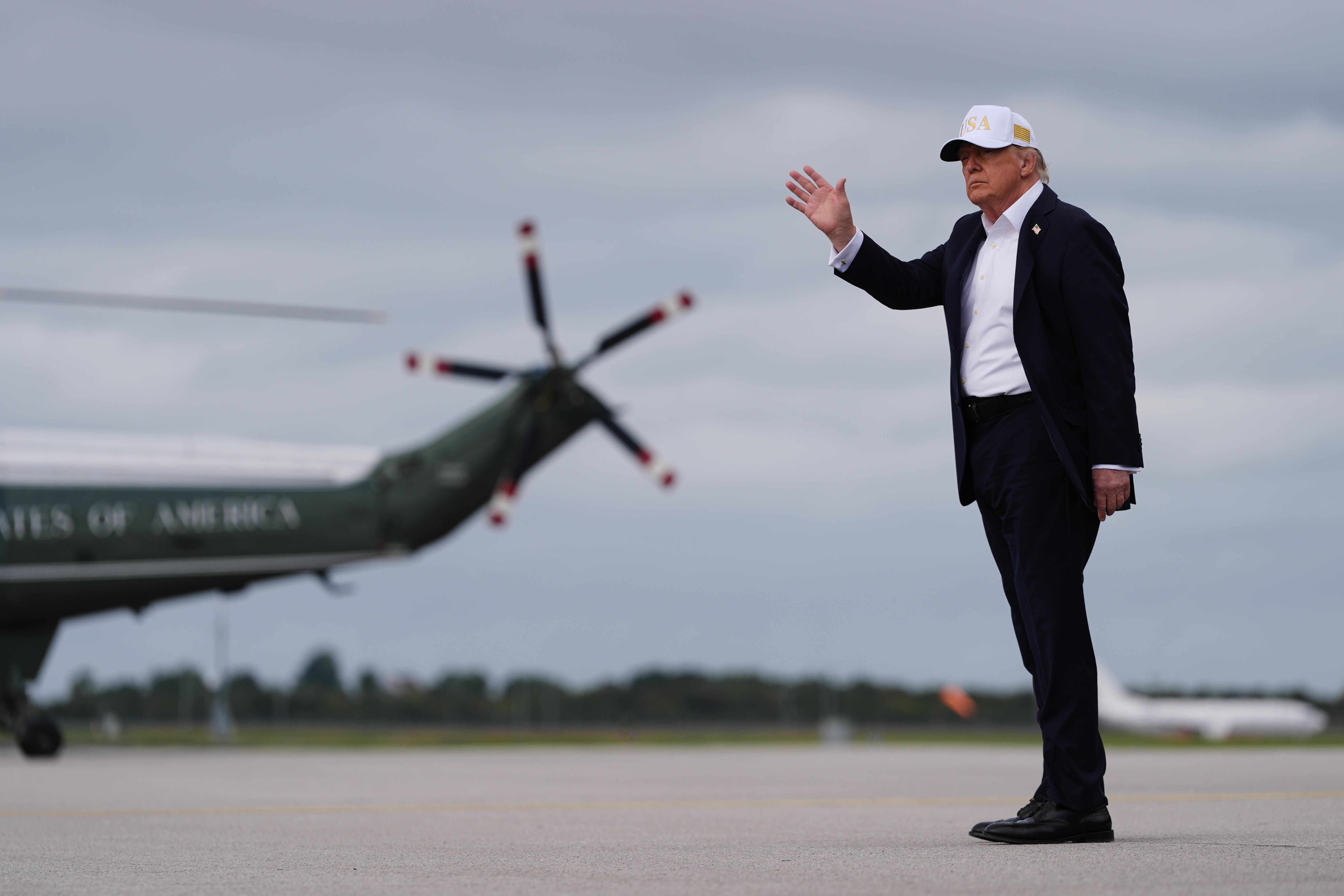
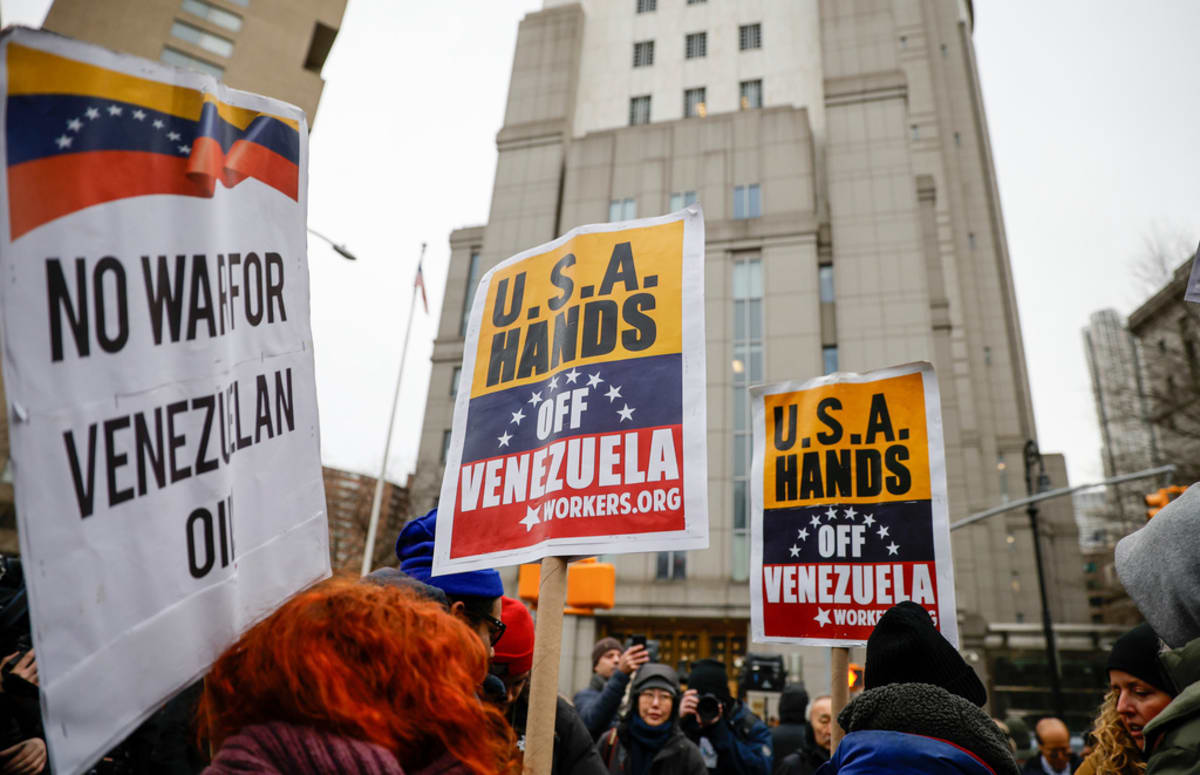
"We'll ultimately get out, unless we decide to stay and keep the oil, like Venezuela," he said.
Trump referred to Venezuela and said the US was taking in "billions and billions and billions of dollars."
"We've paid for the war many times, many, many times," he added. "So we'll see."
Trump did not provide details about what staying and keeping oil would involve or identify a specific policy proposal.
His comments followed his earlier statements that Iran wants an agreement and that the conflict could end.
The remarks came as diplomatic activity continued through separate channels, including Iran's meetings with regional leaders and the BRICS declaration adopted in New Delhi.