Biden drops legal fight to block release of memoir ghostwriter recordings after appeals court ruling
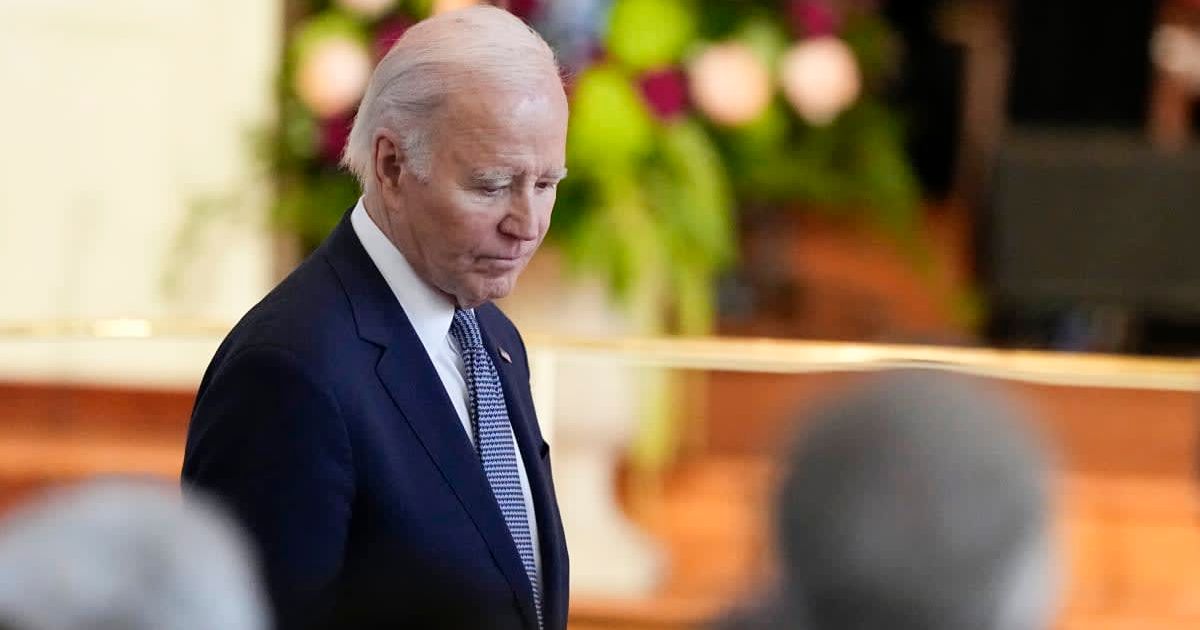
WASHINGTON, DC: Former President Joe Biden has dropped his lawsuit seeking to block the release of audio recordings and transcripts from interviews with the ghostwriter of his 2017 memoir, clearing the way for the material to be turned over to a Republican-led congressional committee.
The move came days after a federal appeals court ruled 2-1 that the public interest in releasing the recordings outweighed Biden's privacy concerns.
The interviews, conducted in 2016 and 2017 for 'Promise Me, Dad,' were later obtained during Special Counsel Robert Hur's classified documents investigation.
Joe Biden drops lawsuit over interview recordings
Biden's attorneys filed a notice of voluntary dismissal on Friday, July 24, ending a lawsuit that sought to prevent the Justice Department from releasing the recordings and transcripts to the Republican-led House Judiciary Committee and the conservative Heritage Foundation.
In the lawsuit, Biden's legal team argued that releasing the interviews would "constitute an unwarranted invasion of President Biden's privacy."
Joe Biden has BACKED DOWN, he ABANDONED his suit to block the damning ghostwriter tapes from being released, as they likely IMPLICATE Biden in mishandling classified information — POLITICO pic.twitter.com/Qtkihovlga
— D. Scott @eclipsethis2003 (@eclipsethis2003) July 25, 2026
"Every American, including a sitting or former vice president, has a right to privacy in the personal conversations he has within his own home," Biden's lawyers wrote.
"And when the US Department of Justice obtains that private information through a criminal investigation, the Department bears a particular responsibility to protect it from disclosure."
The interviews took place after Biden's tenure as vice president under Barack Obama and before he launched his successful 2020 presidential campaign.
However, a three-judge panel of the US Court of Appeals for the District of Columbia Circuit ruled 2-1 earlier this week that the public interest favored disclosure.
"We conclude that any remaining incursion on personal privacy from disclosure of the now-redacted materials likely does not outweigh the public interest in disclosure," the majority wrote.
Judge Florence Pan dissented, writing that Biden had demonstrated "a substantial privacy interest" because the conversations occurred in his home and were obtained during a criminal investigation that did not result in charges.
Robert Hur obtained recordings during Biden probe
The recordings were obtained by then-Special Counsel Robert Hur during his investigation into Biden's handling of classified documents from his years as a US senator and vice president.
In February 2024, Hur declined to bring criminal charges, concluding that the evidence did not establish guilt beyond a reasonable doubt.

His report nevertheless drew widespread attention after describing Biden as a "sympathetic, well-meaning, elderly man with a poor memory," a characterization that the former president strongly rejected at the time.
Following Hur's decision not to prosecute, Republicans in Congress sought access to the recordings, arguing they were relevant to congressional oversight.
Biden responded by filing suit in May to block their release, but a federal district judge later ruled that the public interest outweighed his privacy claims.
After the appeals court upheld that reasoning, Biden opted to voluntarily dismiss the case rather than continue the legal challenge.
The recordings and transcripts are now expected to be released to the House Judiciary Committee, ending months of litigation over material that became part of the Justice Department's classified documents investigation.