Bill Maher mocks Trump's Iran MOU as weak bargain: 'What happened to the art of deal?'
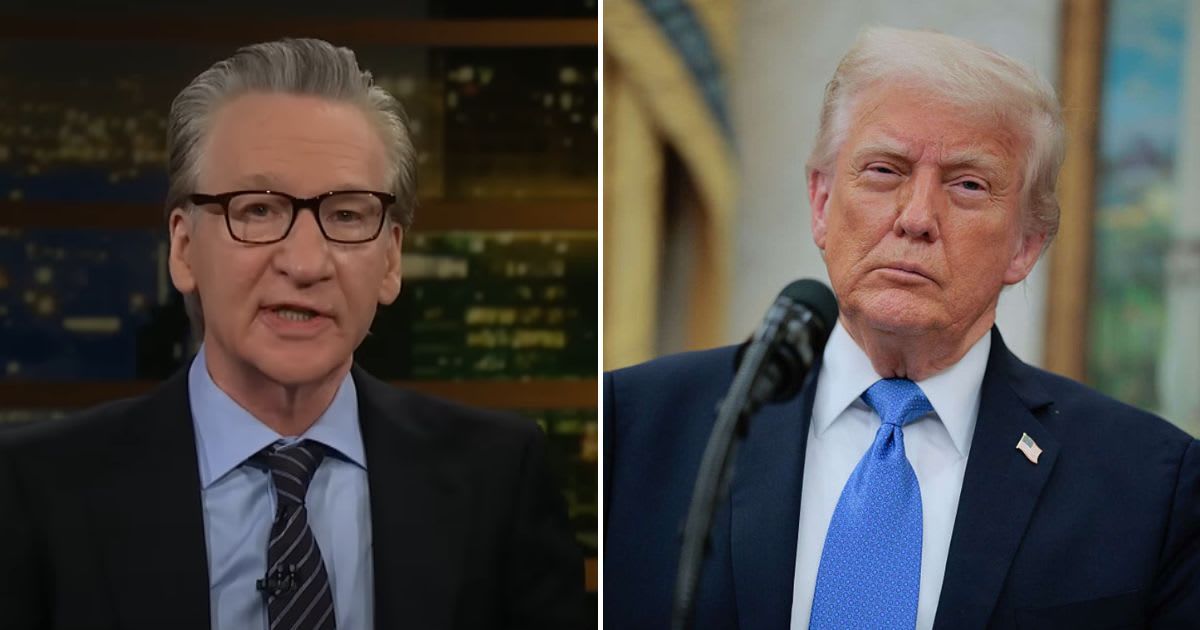
Bill Maher: “First of all, it’s not a deal [with Iran]. It’s a memorandum of understanding. It’s about as legally binding as the sign in the break room that says, ‘Please, clean microwave.’”
— RedWave Press (@RedWavePress) June 20, 2026
“It’s nothing... We started with unconditional surrender Operation Epic Fury and now… pic.twitter.com/cD7pl6TYMe
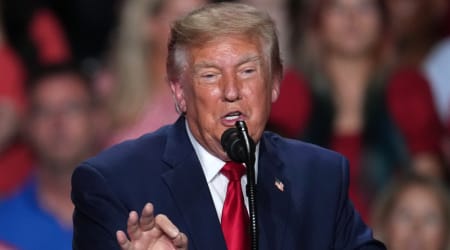
WASHINGTON, DC: Political commentator Bill Maher mocked President Donald Trump's Iran agreement, using the administration's shift from demanding "unconditional surrender" to announcing a memorandum of understanding to question the president's reputation as a dealmaker.
His remarks came as the White House celebrated the framework as a foreign policy victory. The contrast put Trump's negotiating image at the center of the debate.
Bill Maher questions Trump's dealmaker image
During HBO's ‘Real Time with Bill Maher,’ the comedian ridiculed the administration's presentation of the agreement.
"We got everything we wanted except for everything we asked for," Maher said.
He then turned to Trump's reputation for making deals.
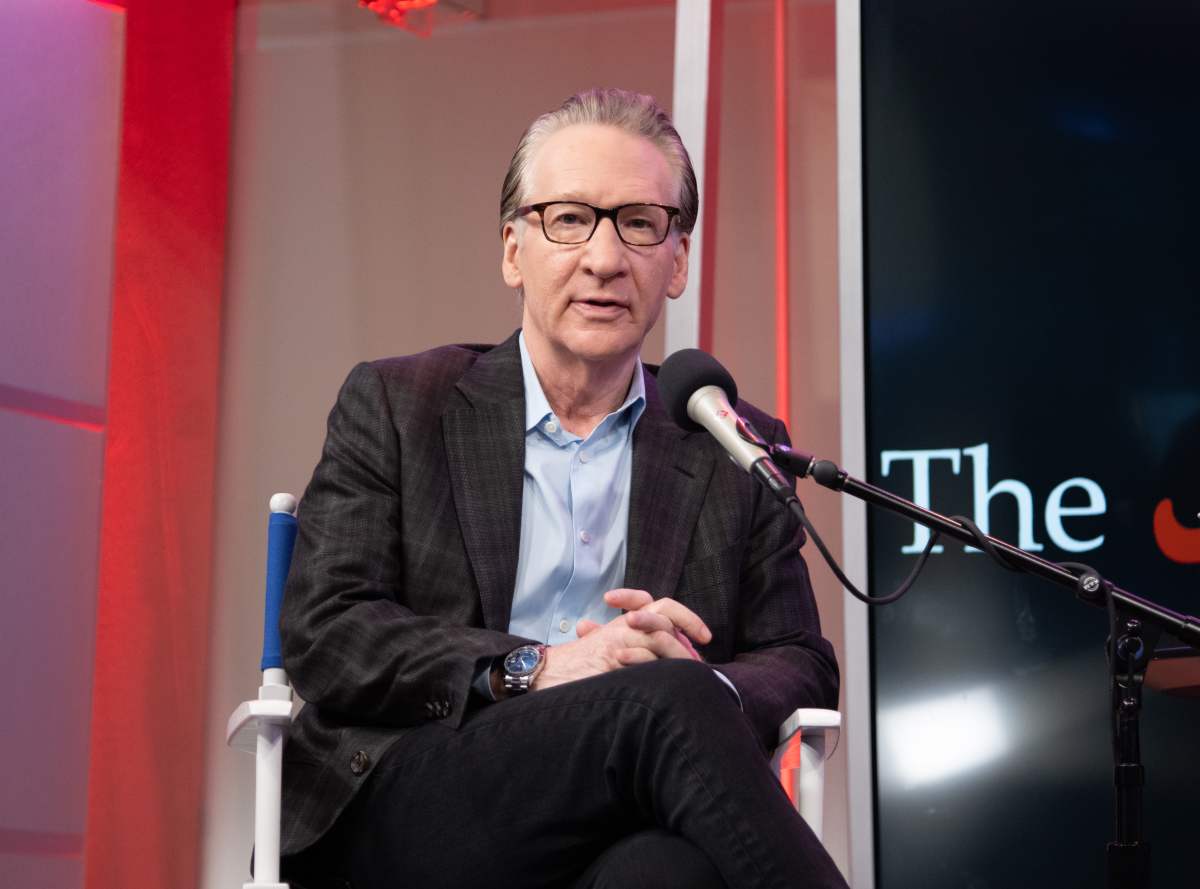
"Where's the big dealmaker? What happened to 'The Art of the Deal?'" Maher said. "This is his big close? I got news for you. The emperor has no clothes."
Maher also argued that the agreement lacked the force of a formal deal.
"First of all, it's not a deal. It's a memorandum of understanding," he said. "It's about as legally binding as the sign in the break room that says, 'Please clean microwave.'"
He continued by contrasting the administration's earlier posture with the framework announced this week.
"We started with unconditional surrender, Operation Epic Fury, and now it's memorandum of understanding," Maher said. "Last thing that got hosed this bad was my dog."
White House touts Iran framework as breakthrough
As per the White House, President Trump and Vice President JD Vance had signed the memorandum with Iran and described it as a "historic breakthrough."
According to the administration, the framework is designed to prevent Tehran from obtaining a nuclear weapon and reopen the Strait of Hormuz to commercial traffic.
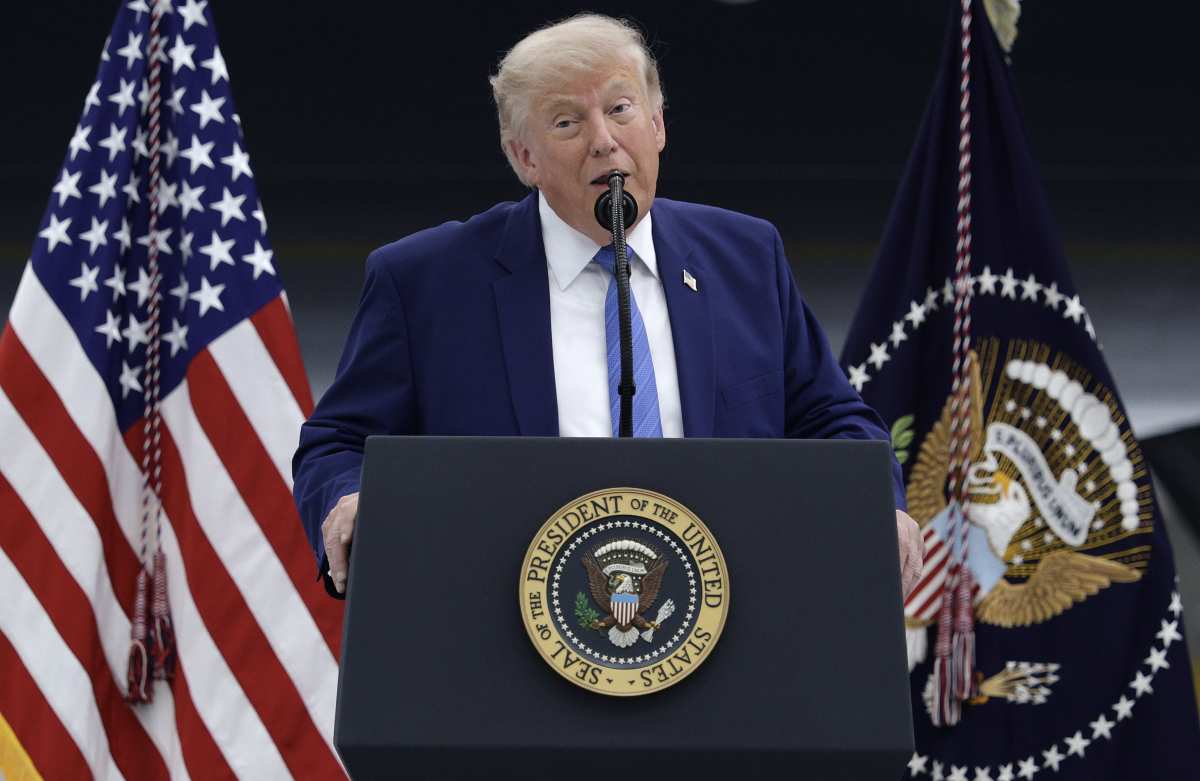
The 14-point memorandum establishes a 60-day negotiating period aimed at producing a final agreement. It also calls for the United States and Iran to halt military operations on all fronts, including Lebanon, while outlining steps for Washington to remove its naval blockade and for Iran to facilitate safe commercial passage through the strait.
The agreement further states that Iran "shall not procure or develop nuclear weapons" and says both sides would work out the status of enriched material under International Atomic Energy Agency supervision.
JD Vance defends terms amid new tensions
Vance defended the framework and pushed back against concerns over possible concessions.
"The United States isn't giving up a cent of money to Iran," Vance said, adding that sanctions relief and economic benefits would come only if Tehran complied with the agreement.
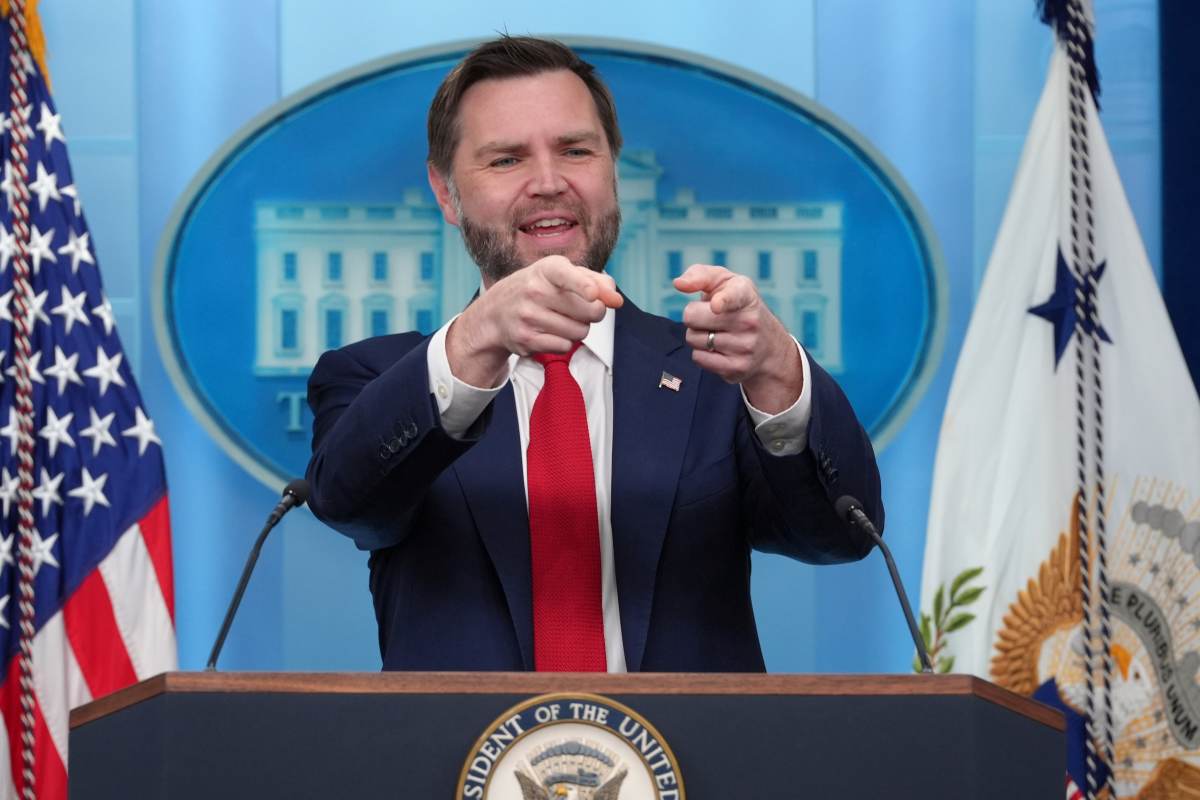
The memorandum faced another challenge when Iran's armed forces said they would close the Strait of Hormuz again, accusing the United States of failing to prevent Israeli attacks in Lebanon despite the agreement's call for hostilities to end on all fronts.
Central Command disputed that claim, saying safe passage remained open and that 55 merchant ships carrying more than 17 million barrels of oil moved through the waterway.