Conservative justices question counting late-arriving mail ballots in Mississippi case
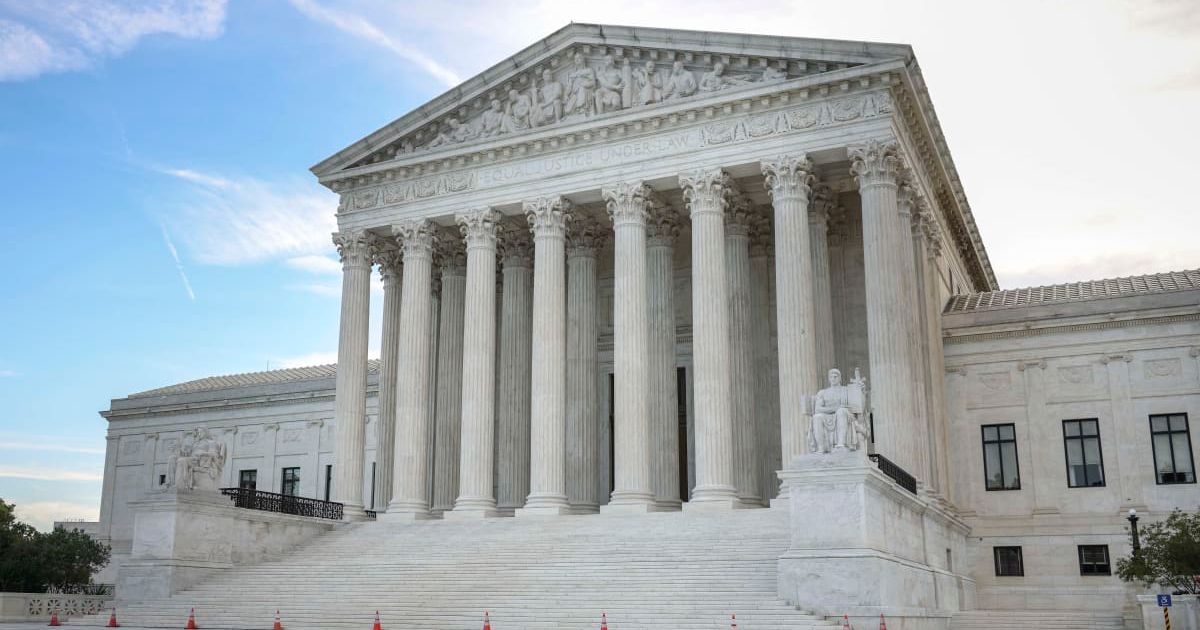
WASHINGTON, DC: The Supreme Court of the United States heard arguments on Monday, March 23, on whether states can count mail-in ballots that are postmarked by Election Day but arrive afterward.
The case centers on a Mississippi law allowing such ballots to be counted within a specified window.
During oral arguments, several conservative justices expressed skepticism about the practice.
The outcome could have significant implications for election procedures across multiple states ahead of the upcoming federal elections.
Conservative justices question legality of late-arriving ballots
At the center of the case is a Mississippi statute that permits election officials to count mail-in ballots received up to five days after Election Day, provided they are postmarked on time.
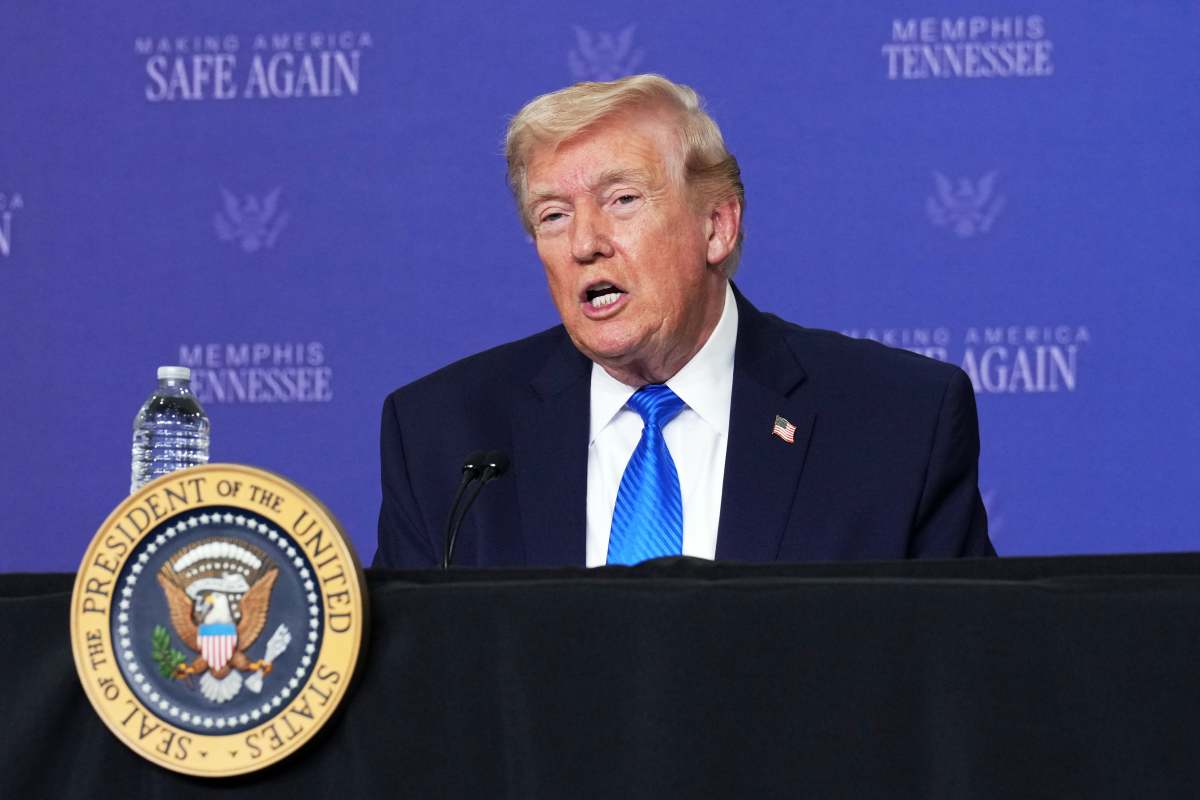
The challenge, backed by the Republican National Committee and supported by President Donald Trump’s administration, argues that federal law setting a uniform Election Day prohibits counting ballots received after that date.
Several conservative justices indicated concerns about the policy. Justice Samuel Alito questioned whether Congress established a single Election Day “for the purpose of combating fraud or the appearance of fraud,” suggesting that late-arriving ballots could undermine confidence in election outcomes.
Similarly, Justice Brett Kavanaugh asked whether concerns about public trust in elections should factor into the court’s analysis. “Is that a real concern? Is that something we should be thinking about, confidence in the election process?” he said during arguments.

Other conservative justices, including Justices Neil Gorsuch and Clarence Thomas, also appeared skeptical of Mississippi’s position.
Justice Amy Coney Barrett noted that while there are “really good policy reasons” to require ballots to arrive by Election Day, she remained uncertain whether federal law explicitly bars states from accepting ballots afterward.
Trump and Republican groups have repeatedly argued, without evidence, that such systems increase the risk of fraud, while states have defended their procedures as lawful and necessary to ensure voter access.
Liberal justices defend state authority, warn of broader impact
The court’s three liberal justices emphasized the authority of states to administer elections, arguing that federal law establishes the date of the election but does not dictate how ballots are processed afterward.
Justice Ketanji Brown Jackson suggested that the case raises policy questions more appropriate for lawmakers. “The worry is that you want this court to decide the case rather than have Congress do it,” she said to attorney Paul Clement, who represented the RNC.

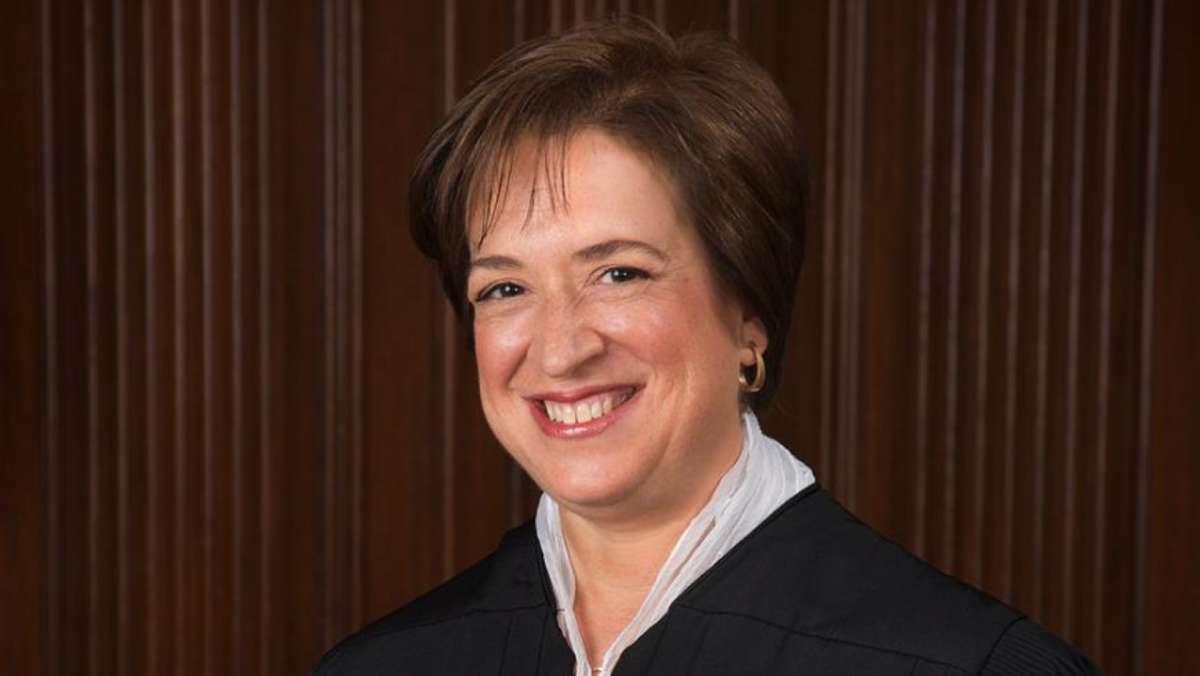
Justice Elena Kagan raised concerns about the broader implications of limiting states’ flexibility, particularly regarding early voting practices widely used across the country.
“It just seems inconceivable that on the basis of this kind of evidence, we would reject these practices that are so entrenched in 30 states,” she said.
The outcome of the case could affect not only Mississippi but also at least a dozen other states with similar laws, including California, New York, and Texas.
It may also have implications for military personnel and overseas voters, many of whom rely on extended deadlines to ensure their ballots are counted.