Cotton promises military action on Iran's leadership: 'Going to continue to hit the Ayatollahs'
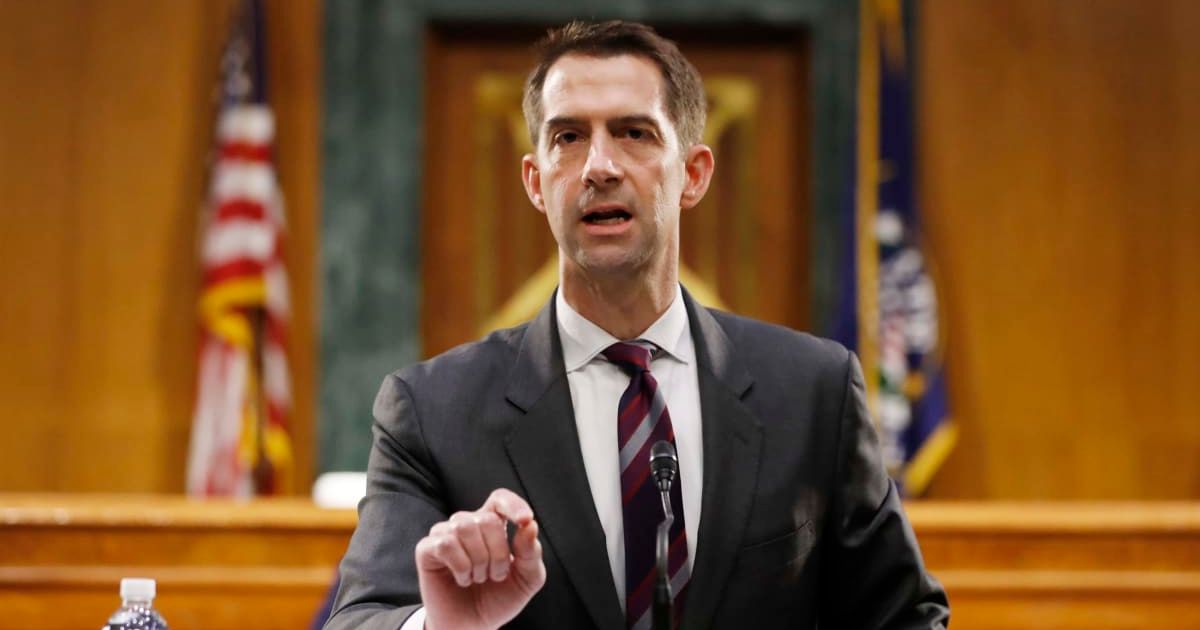
WASHINGTON, DC: Senate Intelligence Committee member Tom Cotton said on Sunday, March 1, that the United States will continue striking Iran’s military infrastructure and senior leadership following a large-scale joint operation with Israel that resulted in the death of Iran’s Supreme Leader.
Speaking on CBS’s 'Face the Nation', Cotton described the situation inside Iran as fluid and uncertain, saying it was unclear who would ultimately assume power.
Cotton framed the campaign as focused on degrading Iran’s ability to threaten US forces and regional allies. He also emphasized that the future political trajectory of Iran remained difficult to predict.
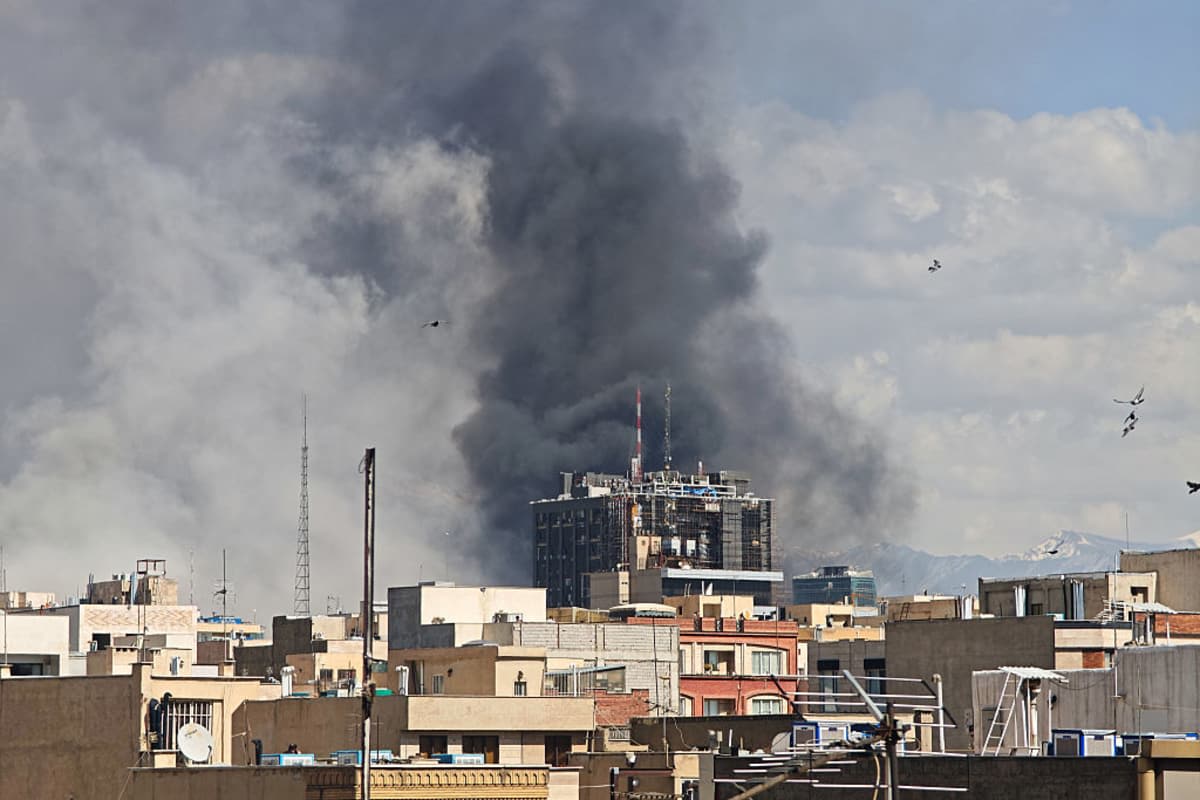
No 'simple answer' on Iran's next leader
Addressing questions about what would come next after the death of Ali Khamenei, Cotton said that the succession process was complex and unfolding behind the scenes.
“I don't think anyone can give you a simple answer,” Cotton said. “There's probably a lot of jockeying inside of Iran right now; they have a very consultative, deliberative process to replace the supreme leader. There's a reason why he didn't want to have a clear succession plan in place.”

Cotton suggested that internal competition for leadership was likely intensifying amid ongoing military pressure.
“It's hard to do that when the United States is pummeling their leadership every moment of the day,” he added.
“We're going to continue to hit their military capabilities, and we're going to continue to hit their senior leadership, the Ayatollahs,” Cotton said, accusing them of being complicit in decades of attacks against both Americans and Iranians.
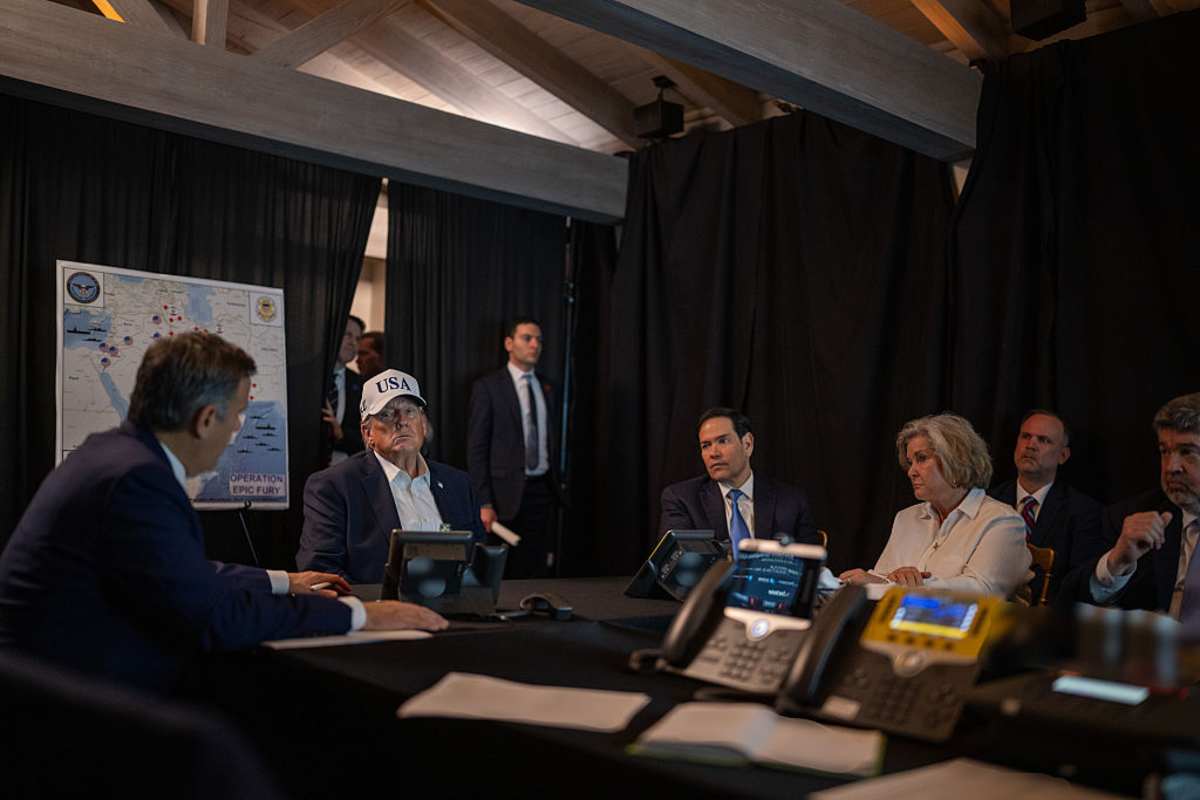
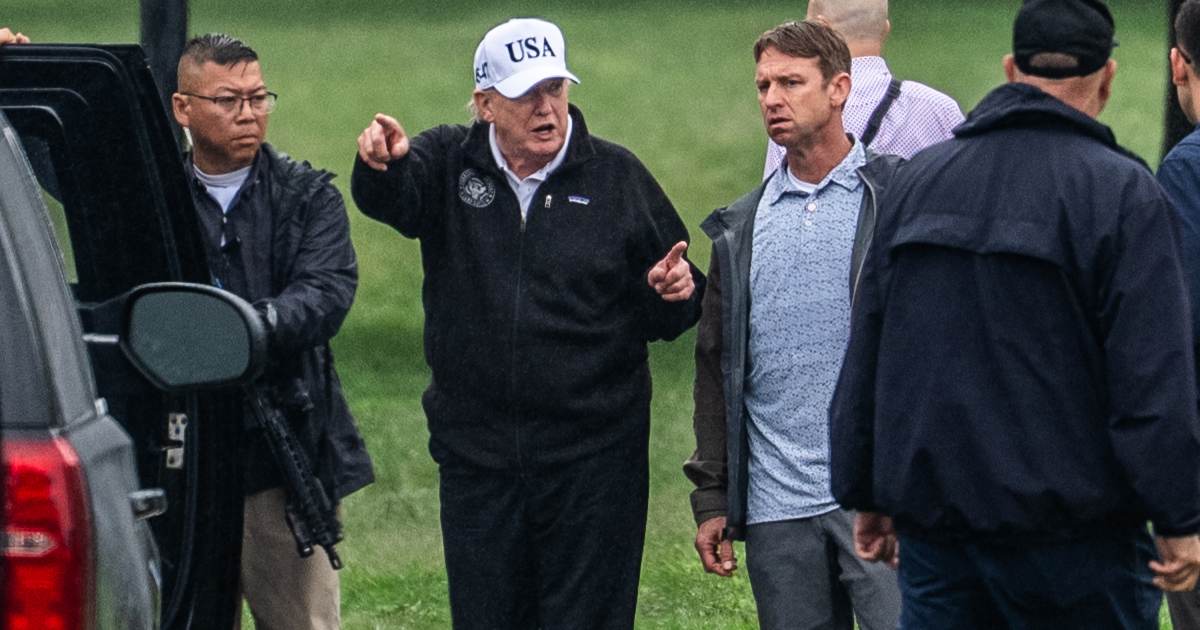
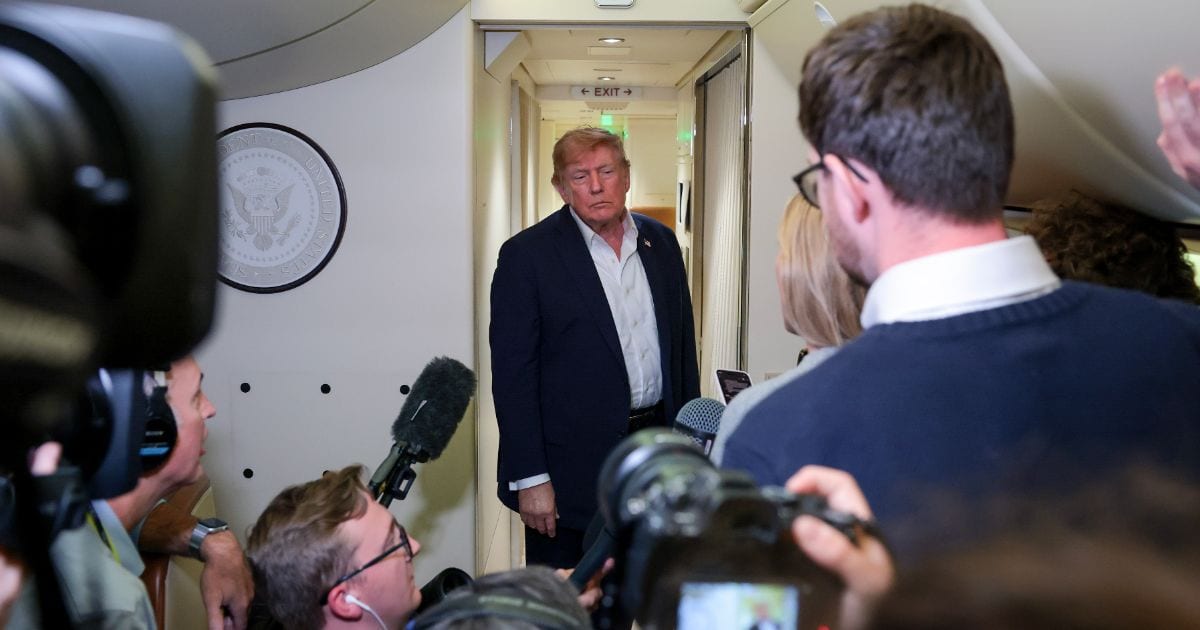
Cotton also referenced President Trump’s prior remarks supporting anti-government protests inside Iran.
“As President Trump promised last month when the Iranian people were rising up against their own regime, help is on the way. Help has arrived,” he said, adding, “We would all celebrate if the Iranian people were able to rise up and reclaim their freedom and reclaim their destiny."
Intelligence questions and scope of operation
When asked about a report by The New York Times stating that the CIA had provided intelligence pinpointing Khamenei’s location, Cotton declined to confirm operational details.
“No, I can't confirm anything about the intelligence that the United States intelligence community collects,” he said.
However, he added that tracking the movements and intentions of adversarial leaders was a high priority.
“We have exquisite intelligence collection methods,” Cotton said, noting that the location of Iran’s supreme leader and other senior figures was "obviously one of the highest priorities of our intelligence community."
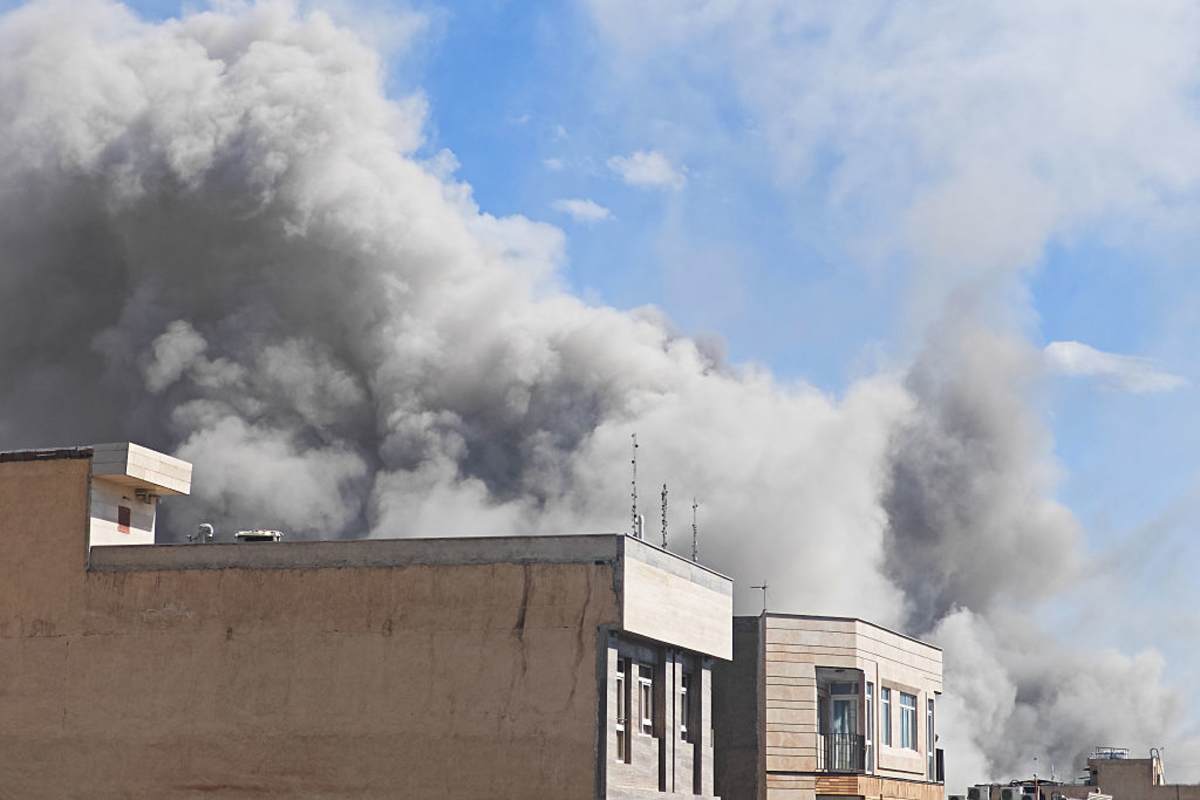
He characterized the joint operation as intelligence-driven and reflective of close coordination between Washington and Jerusalem.
“This operation is driven by intelligence collected by Israel and the United States that has once again proven that our nations have capabilities that no other nation on earth has,” he said.
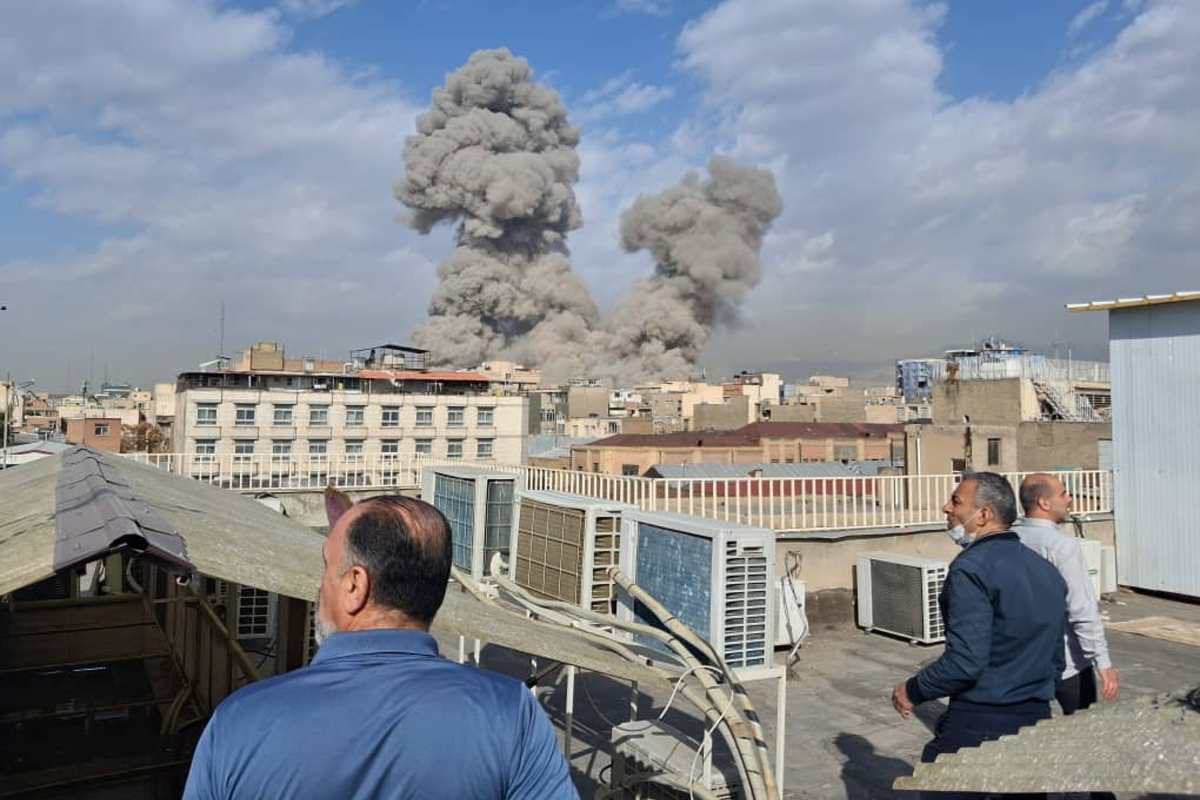
Cotton acknowledged that uncertainty remained about the long-term political outcome in Iran, reiterating, “Again, there's no simple answer for what's going to come next.”
Nonetheless, he said US forces would remain engaged for “probably a few weeks” to ensure that Iran’s military no longer posed a threat to American personnel or regional partners.