Democrats backtrack on ICE agents using body cameras, call for limits on surveillance use
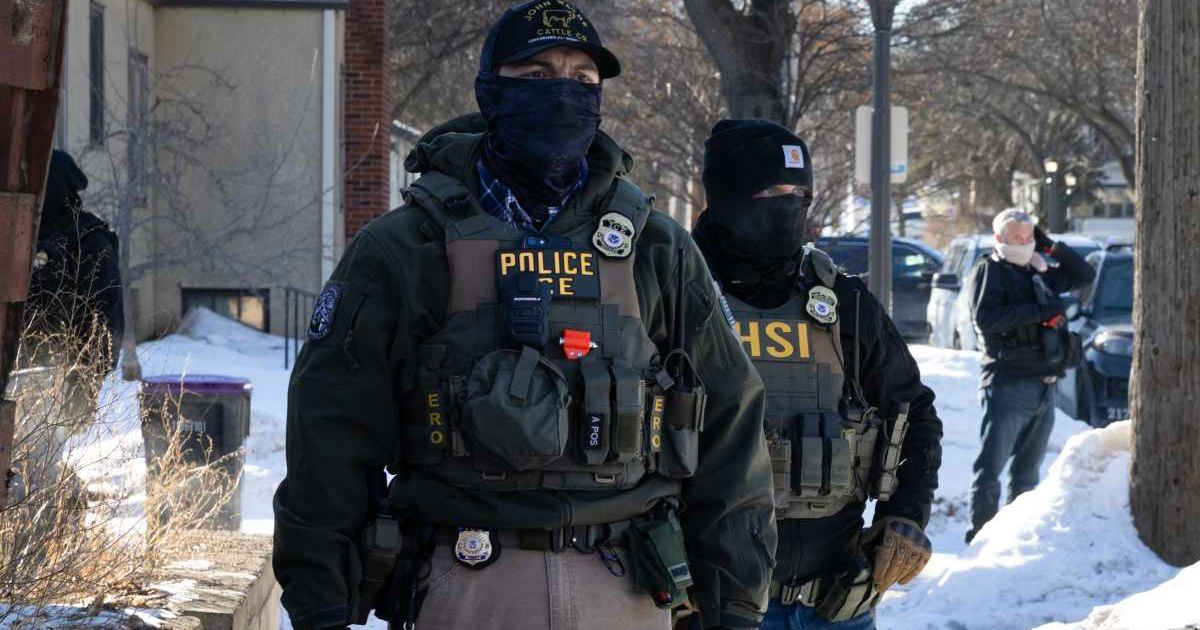
WASHINGTON, DC: Democrats in Congress are facing criticism from both sides of the political aisle after an apparent reversal in their stance on Immigration and Customs Enforcement (ICE) body cameras.
Lawmakers who weeks ago pushed to require federal immigration agents to wear body-worn cameras, a key part of their demands during funding negotiations, are now opposing the implementation plan announced by the Department of Homeland Security (DHS).
The shift has raised questions about Democratic strategy as Republicans highlight inconsistency in their approach to federal law enforcement accountability.
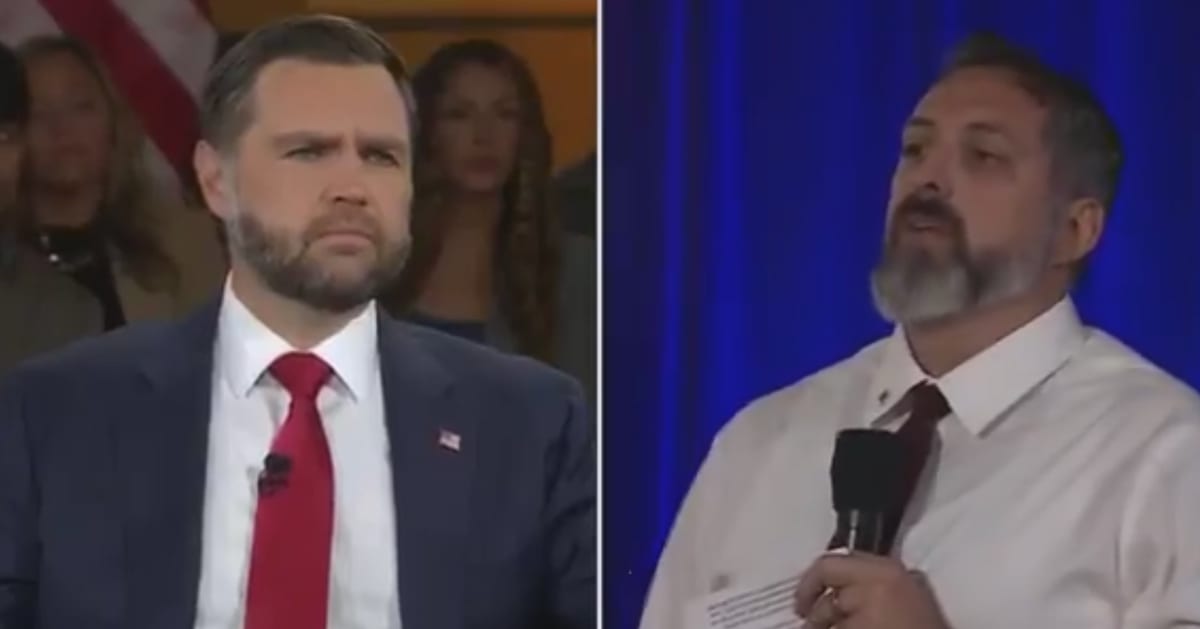
BREAKING - Democrats are now backtracking, claiming that ICE using body cameras would infringe on the “privacy” of protestors. pic.twitter.com/DVC1tT3WZN
— Right Angle News Network (@Rightanglenews) February 8, 2026
Democratic push for cameras turns to broader surveillance concerns
A while back, Democrats pushed hard for body cameras as a key condition for approving Homeland Security funding.
After a string of headline-making incidents and protests, they insisted that ICE agents wear cameras and share the footage with the public.
The idea was simple: more transparency, more accountability.
Lawmakers also wanted agents to wear visible ID, get judicial warrants for specific actions, and put tighter limits on how agents behave.
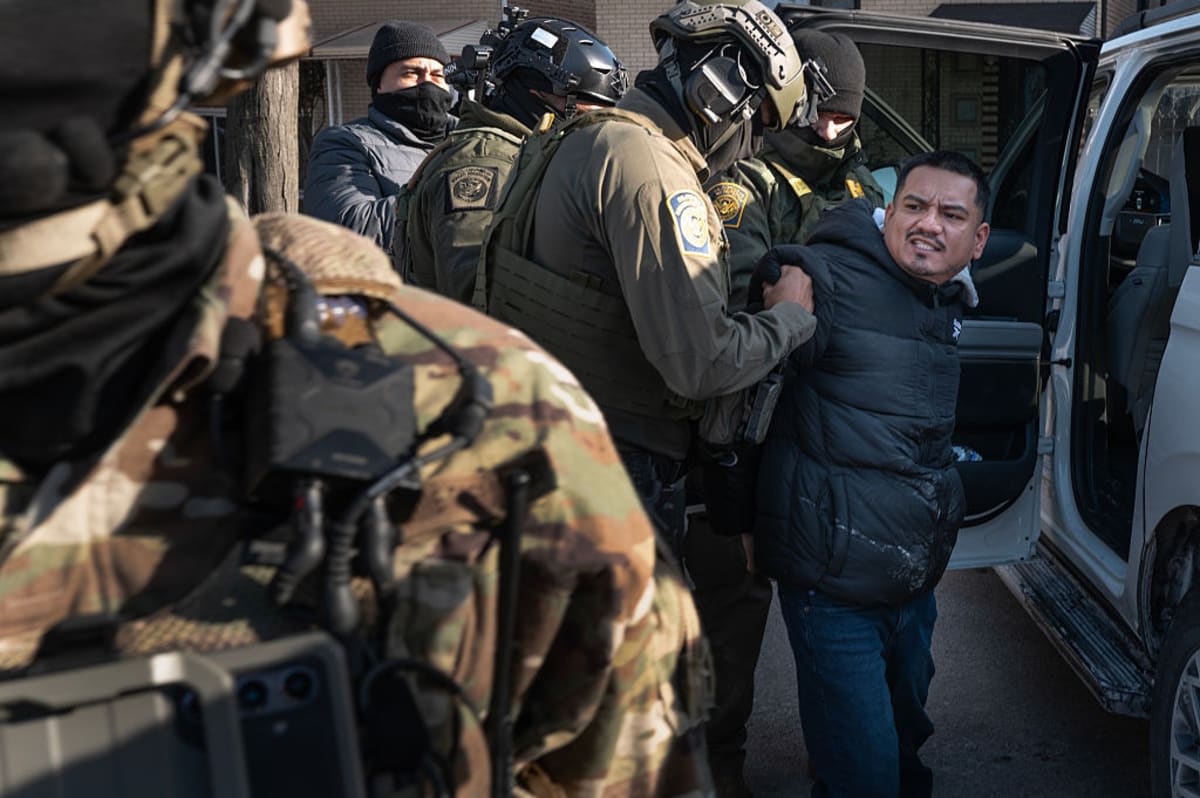
Democrats framed the proposal as a way to build trust and ensure an objective record of ICE’s actions.
But in recent days, many Democratic lawmakers have pivoted, expressing concerns that go beyond the initial camera proposal.
Instead of focusing on cameras themselves, they’re advocating for strict limits on when footage can be used, how it’s stored and who can see it.
Democratic leaders call for restrictions
House Minority Leader Hakeem Jeffries and Senate Minority Leader Chuck Schumer say they want to tack on restrictions to how ICE can use body camera footage, according to a letter sent to Republican leadership on Wednesday night.
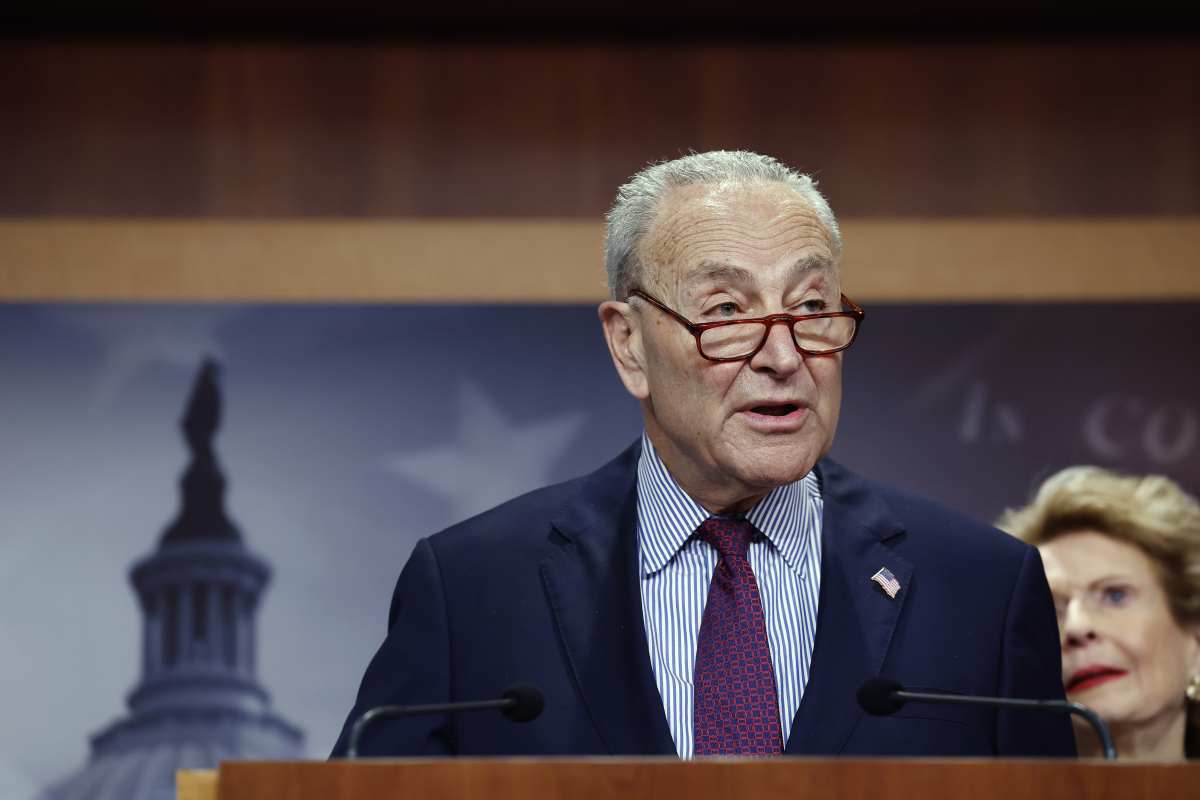
“Prohibit tracking, creating or maintaining databases of individuals participating in First Amendment activities,” the letter says.
Republicans already agreed to provide more funding for body cameras for ICE officers before Democrats began pushing for limits on how the images are used.
A spokesperson for Senate Intelligence Committee Vice Chair Mark Warner (D-Va.) told POLITICO that Democrats are lining up behind leadership to push for the restrictions, fueled by reports of ICE tracking protesters.
DHS launched an internal investigation into ICE’s use of surveillance after Warner sent a letter flagging privacy worries.
Sen Ed Markey (D-Mass.), who proposed a ban on ICE agents using facial recognition, also supported limits on surveillance by body cameras.
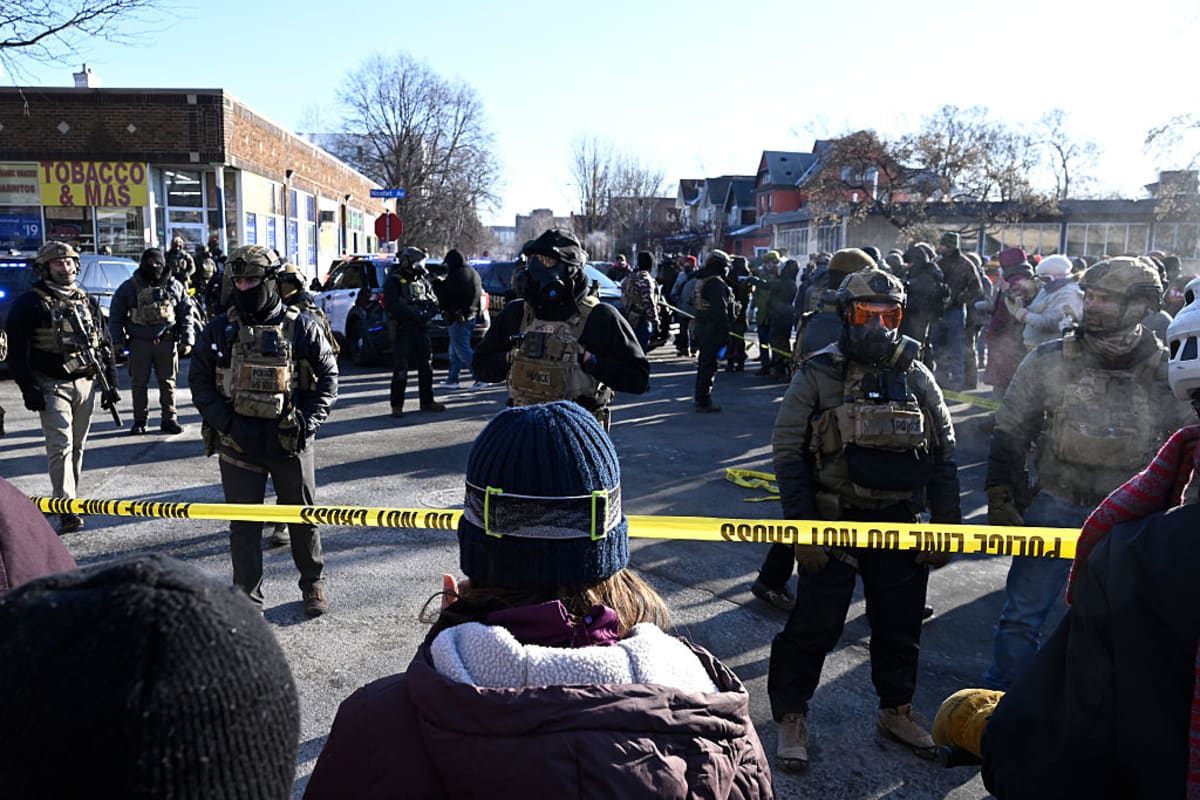
“Obviously we want them to be wearing body cameras, but we would want restrictions placed on what that information could be used for,” Markey said.
“We want to make sure that we have the accountability for how these officers conduct themselves on the streets of our country, but we don’t want it in turn to be used as a way of coming back and suppressing free speech.”
“We’ve seen multiple examples of ICE and border patrol agents filming protesters and legal observers, forcing them to submit to face scans, detaining them when they refuse, even hinting at a database of protesters,” Rep Pramila Jayapal (D-Wash) said at a press conference Wednesday.
GOP agreed to Democrat demands earlier
Homeland Security Secretary Kristi Noem announced this week that all ICE and related DHS officers on the ground in Minneapolis will immediately begin wearing body cameras, with plans to expand the program nationwide as funding becomes available.
The move comes after two fatal encounters involving federal agents in Minneapolis sparked public outcry and revived debate over enforcement transparency.
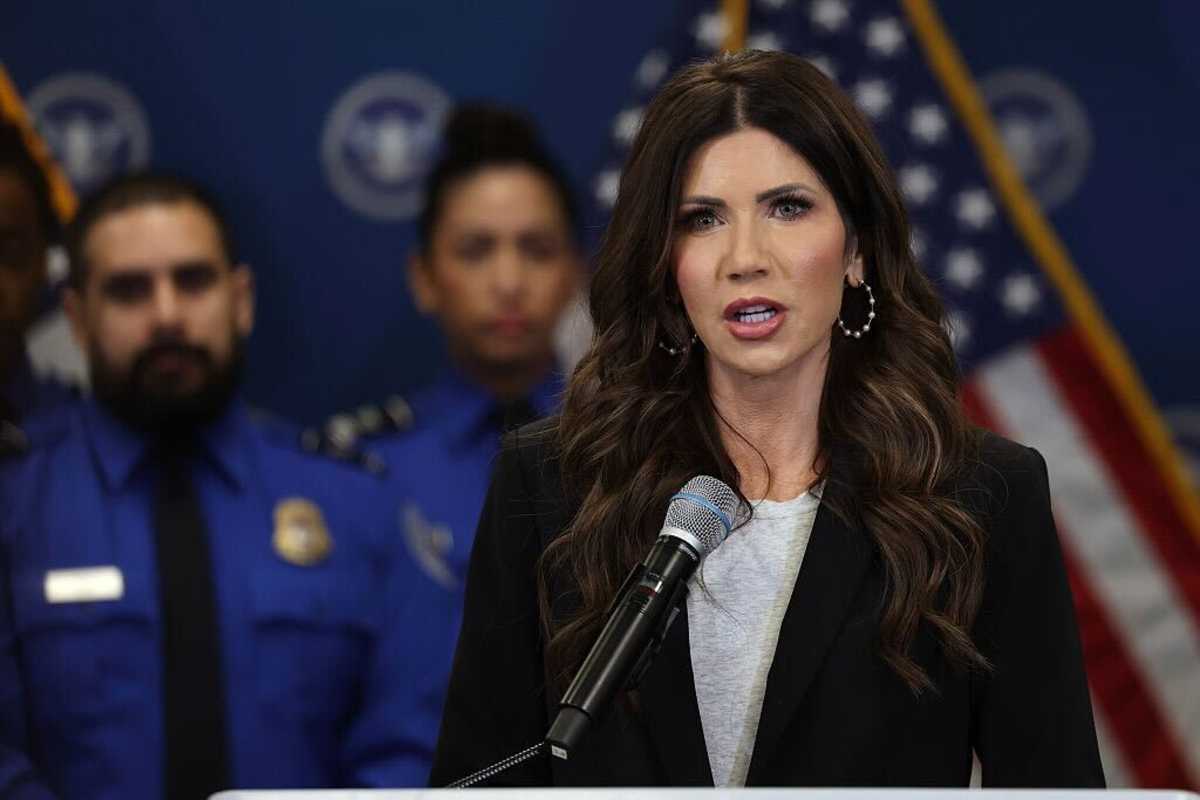
Noem said the cameras would help ensure a more accurate record of interactions with the public.
DHS, in an emailed statement to POLITICO, criticized Democrats’ proposal to limit surveillance capabilities, saying “sanctuary politicians attempting to ban our federal law enforcement from using tools and technology to track down criminals” would make cities less safe.
The agency said its body cameras are not equipped with facial recognition, though Democrats fear the images could be downloaded and run through facial recognition at a later time.