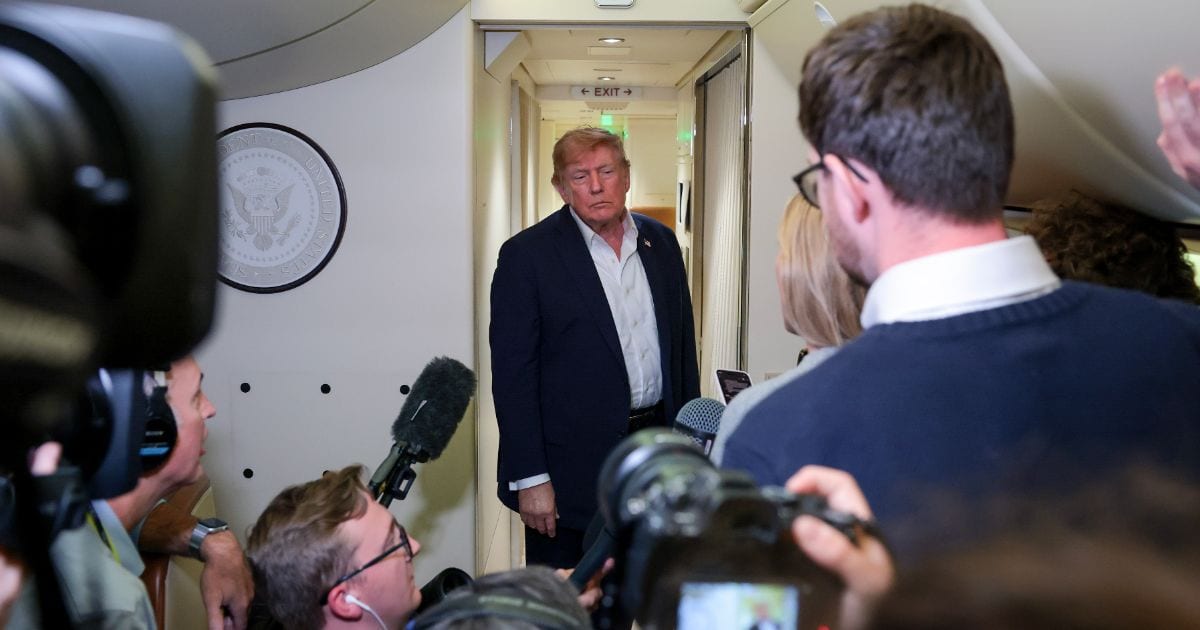
Republicans blast Democrats for pushing ‘ridiculous’ Trump election meddling narrative
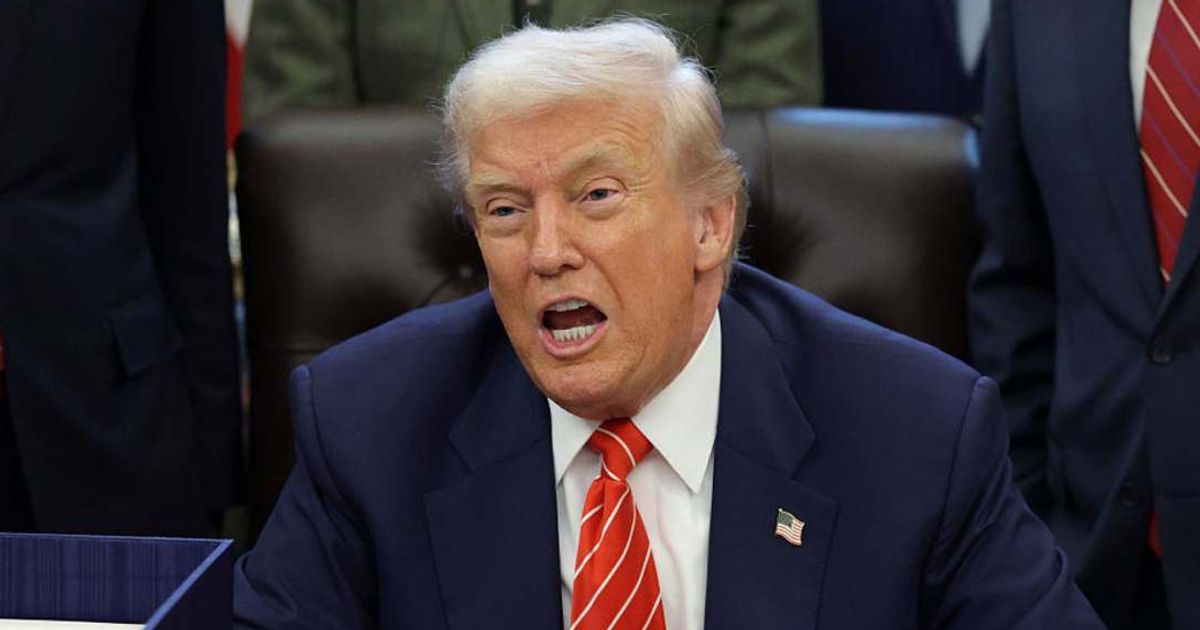
WASHINGTON, DC: Republicans are blasting Democrats’ recent accusations that President Donald Trump is trying to interfere in the upcoming 2026 midterm elections, calling the claims politically motivated and baseless.
The clash over election integrity has reignited longstanding partisan disputes, with GOP lawmakers accusing Democrats of pushing a manufactured narrative while resisting voter ID laws and other election security measures. Republicans say the controversy reflects an effort to distract from Democratic opposition to reforms aimed at strengthening confidence in elections.
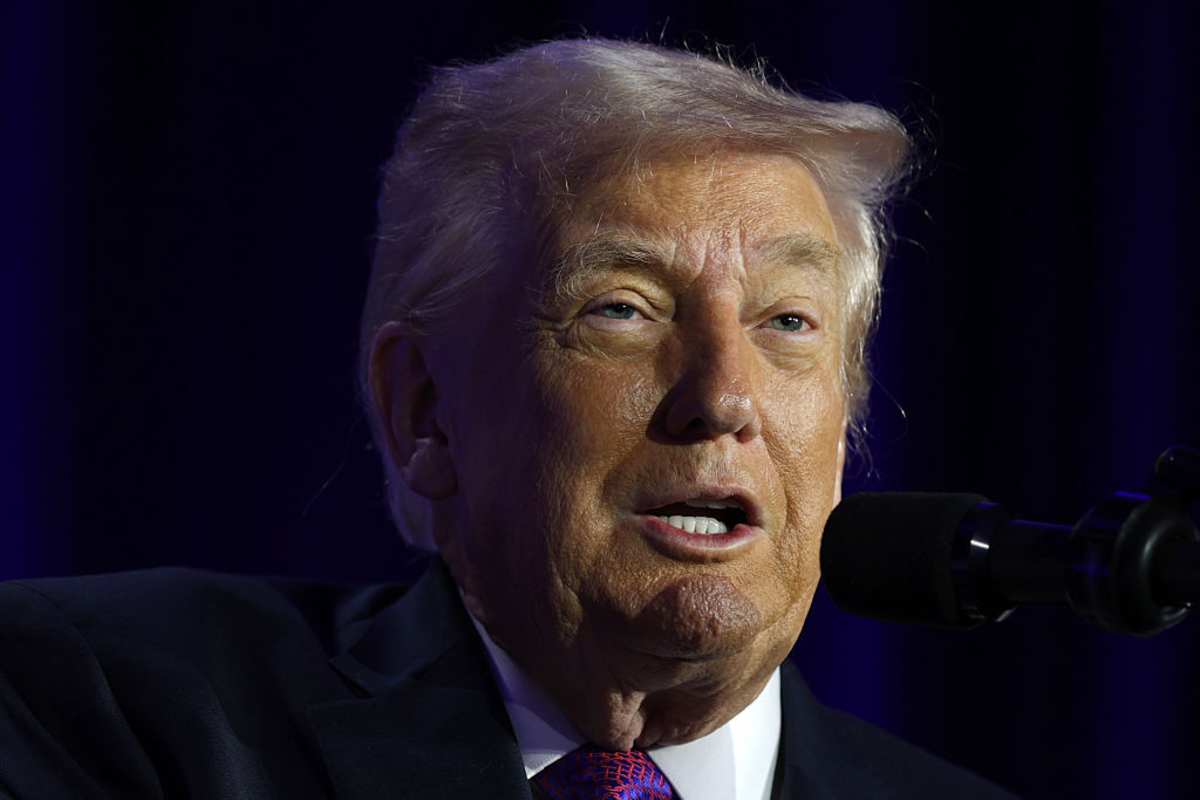
Republicans denounce Democrats’ claims on Trump and election meddling
Senate Democrats have publicly accused Trump of laying the groundwork for election interference during the 2026 midterm cycle, arguing that his recent actions and comments, along with those of fellow Republicans, amount to meddling.
Democrats point to remarks by Trump about nationalizing elections and to an FBI raid on an election hub in Fulton County, Georgia, as evidence of what they describe as a pattern of attempting to influence outcomes.
Sen. Chris Murphy voiced concern that Trump’s behavior signals a willingness to “rig the election anytime a Republican doesn’t win.” Murphy argued that Trump sees the system as unfair and wants to adjust the “rules to make sure the Democrats don’t win.”
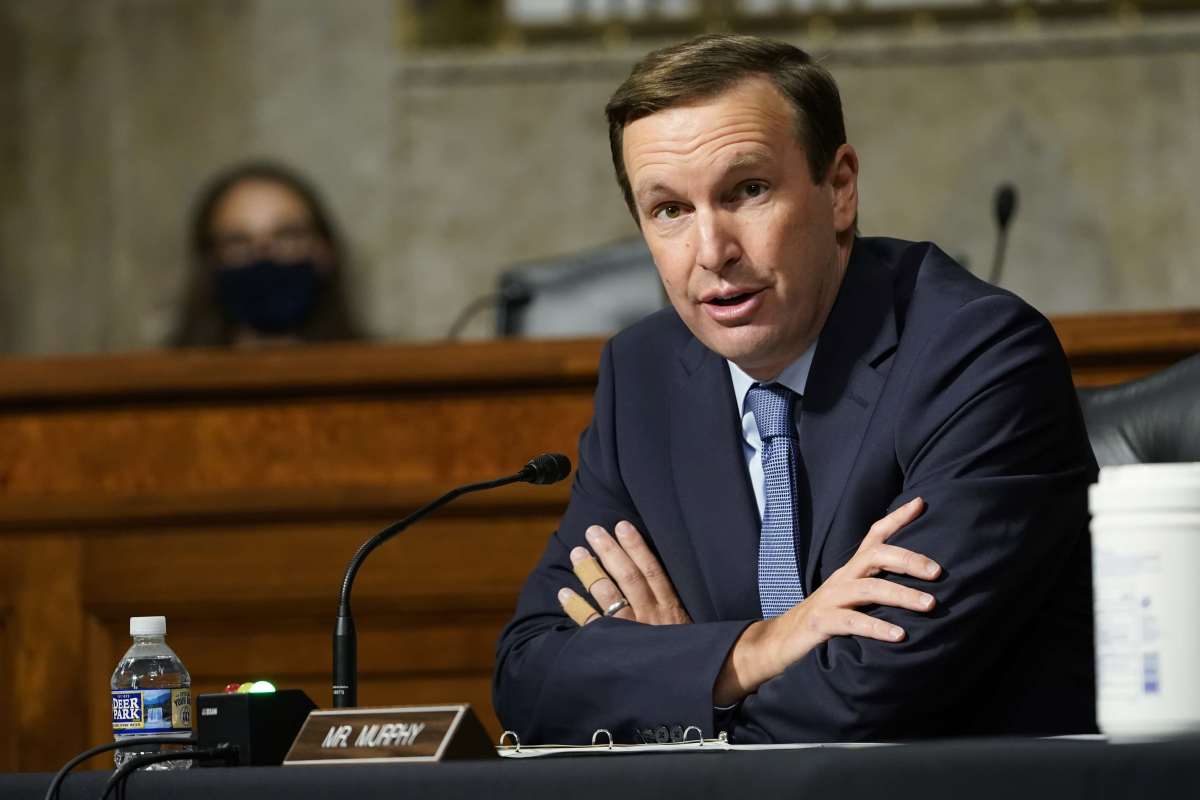
Murphy also asserted that although the Constitution prohibits the federal government from running state elections, vigilance is required to prevent interference. Republicans, however, have strongly rejected this narrative.
Senate Republicans say Democrats’ accusations are “ridiculous” and label them a conspiracy theory. Missouri Sen. Eric Schmitt told Fox News Digital that Democrats’ charge sounds like “a conspiracy theory,” arguing that Trump genuinely cares about election integrity.
Schmitt emphasized that a majority of Americans support voter ID requirements and said Democrats “have got some outrage of the week every week.” He added that Democrats oppose commonsense safeguards while accusing Republicans of bad faith.
Trump’s own comments have fueled part of the debate. On his podcast with former FBI Deputy Director Dan Bongino, he suggested Republicans should push to “take over” voting administration in at least 15 places, remarks Democrats seized on as evidence of Trump’s alleged intentions. Republicans counter that Trump was referring to strengthening oversight and enforcement, not federalizing elections.
Donald Trump calls to Nationalize Voting because Democrat states are rigging our elections with illegals and voter fraud
— Wall Street Apes (@WallStreetApes) February 4, 2026
Trump says at least 15 Democrat states are stealing elections
“These people were brought to our country to vote, and they vote illegally and you know,… pic.twitter.com/qKrM2xto9p
GOP pushback and the SAVE America Act battle
Democratic Sen. Elissa Slotkin responded that Trump’s words speak for themselves and said his focus on Fulton County reflects an ongoing “obsession” since the 2020 election, claiming he is “weaponizing the federal government” over that fixation.
Part of the Republican response includes legislative efforts such as the SAVE America Act, which would impose tougher election security measures. The proposal includes requirements such as voter ID and proof of citizenship for voters.
GOP Sens. Mike Lee of Utah, Ron Johnson of Wisconsin and Rick Scott of Florida have met with Trump to discuss advancing the bill. Lee argued that Democrats are resisting efforts like voter ID and that their stance reflects an unwillingness to address legitimate election security concerns.
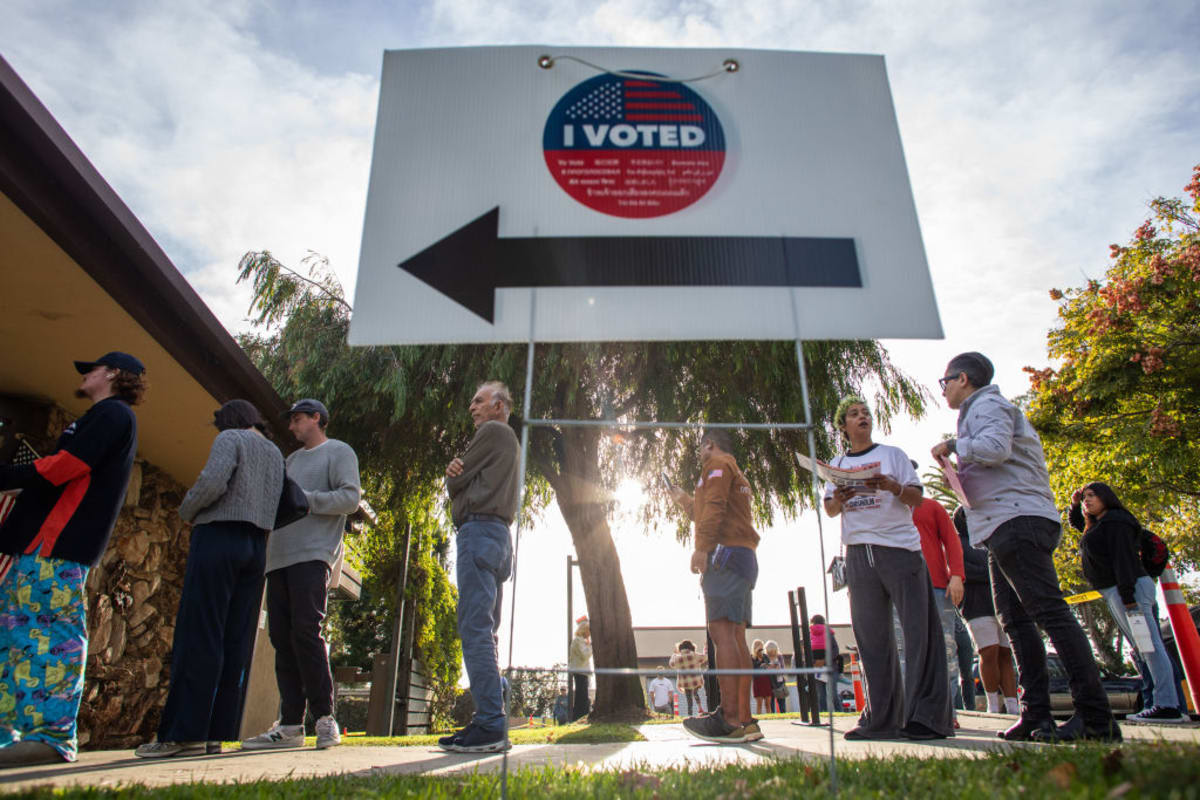
Even within the GOP, there is resistance to Trump’s suggestion of nationalizing elections. Senate Majority Leader John Thune rejected the idea, saying decentralized, state-run systems serve as protections against fraud and hacking, making it harder to compromise 50 separate systems than one centralized system.
Meanwhile, Democratic opposition remains intense, with Senate Minority Leader Chuck Schumer labelling GOP-backed voter ID proposals in the broader funding and elections package as “Jim Crow 2.0,” and warning they would suppress voter turnout.
As the 2026 midterms approach, Republicans and Democrats appear set to continue clashing over election integrity, federal authority and the future of voting laws.